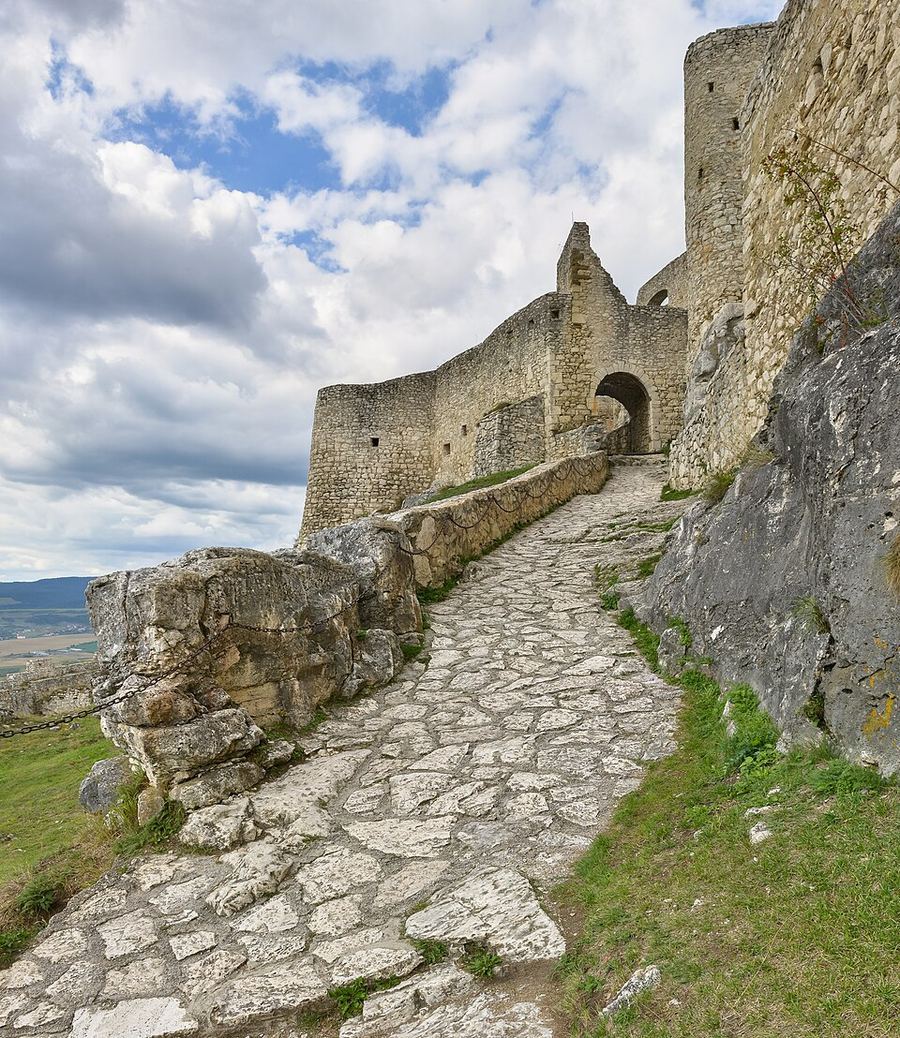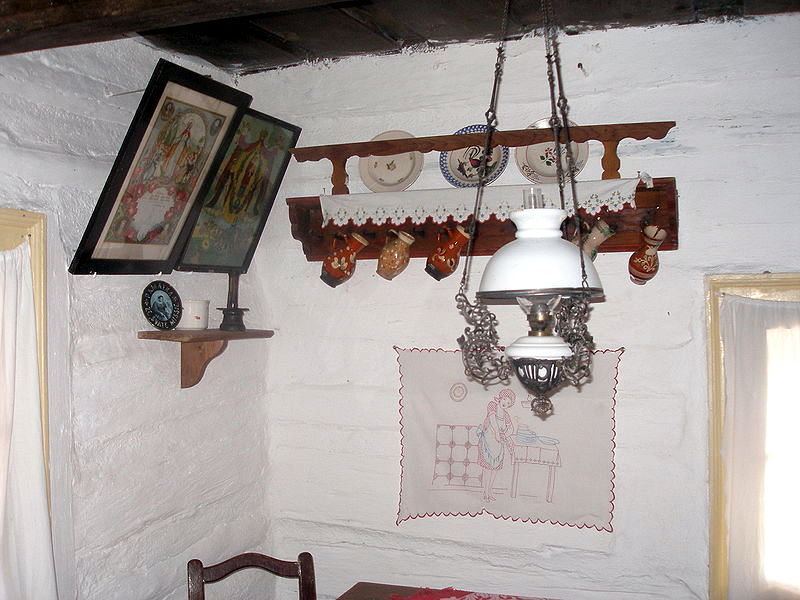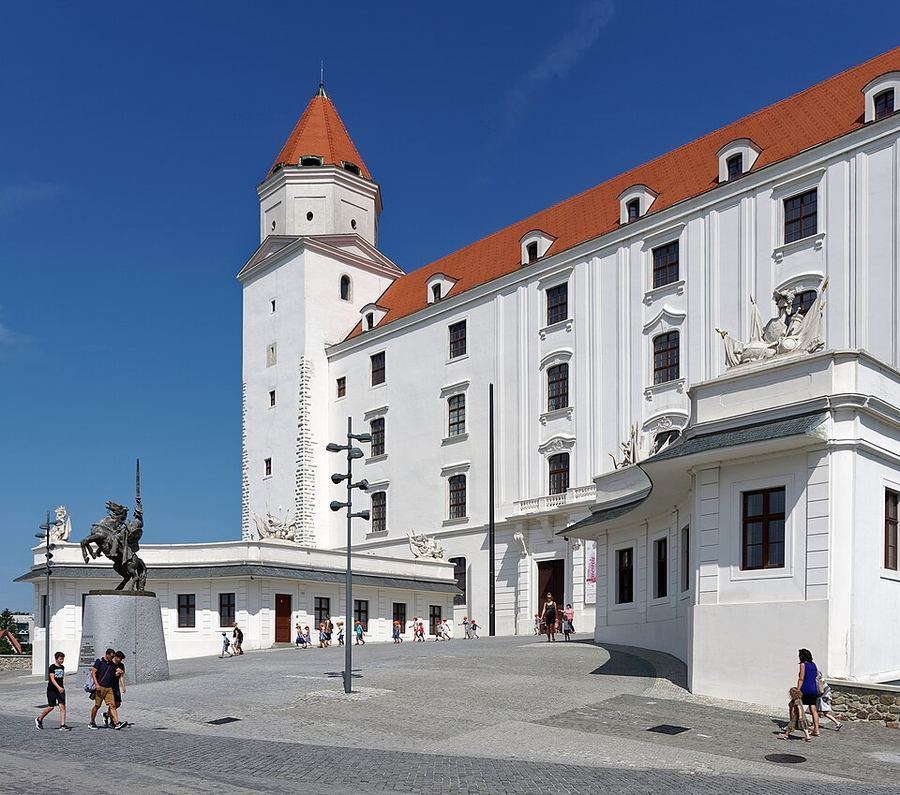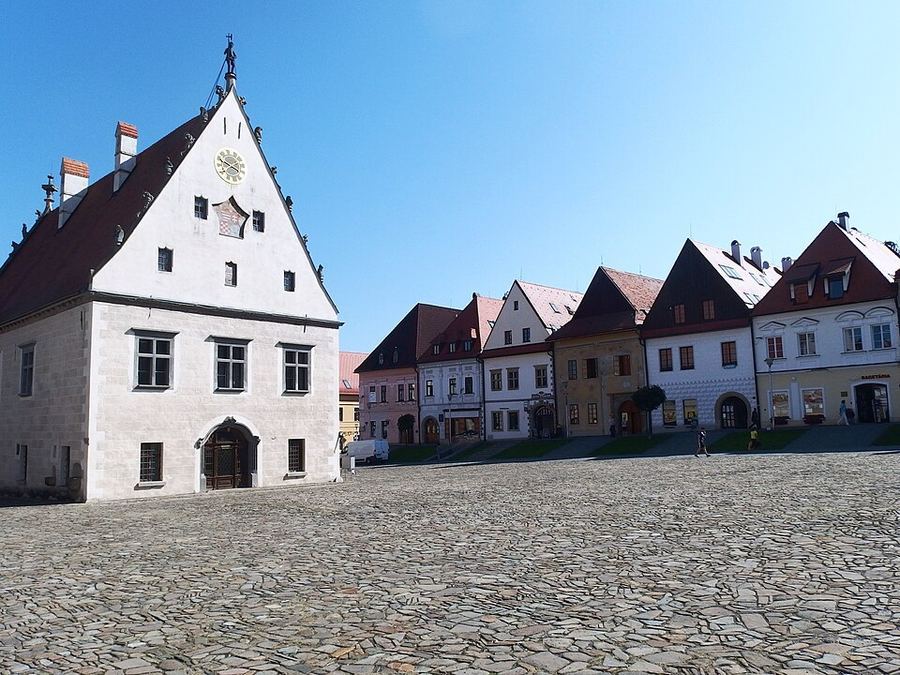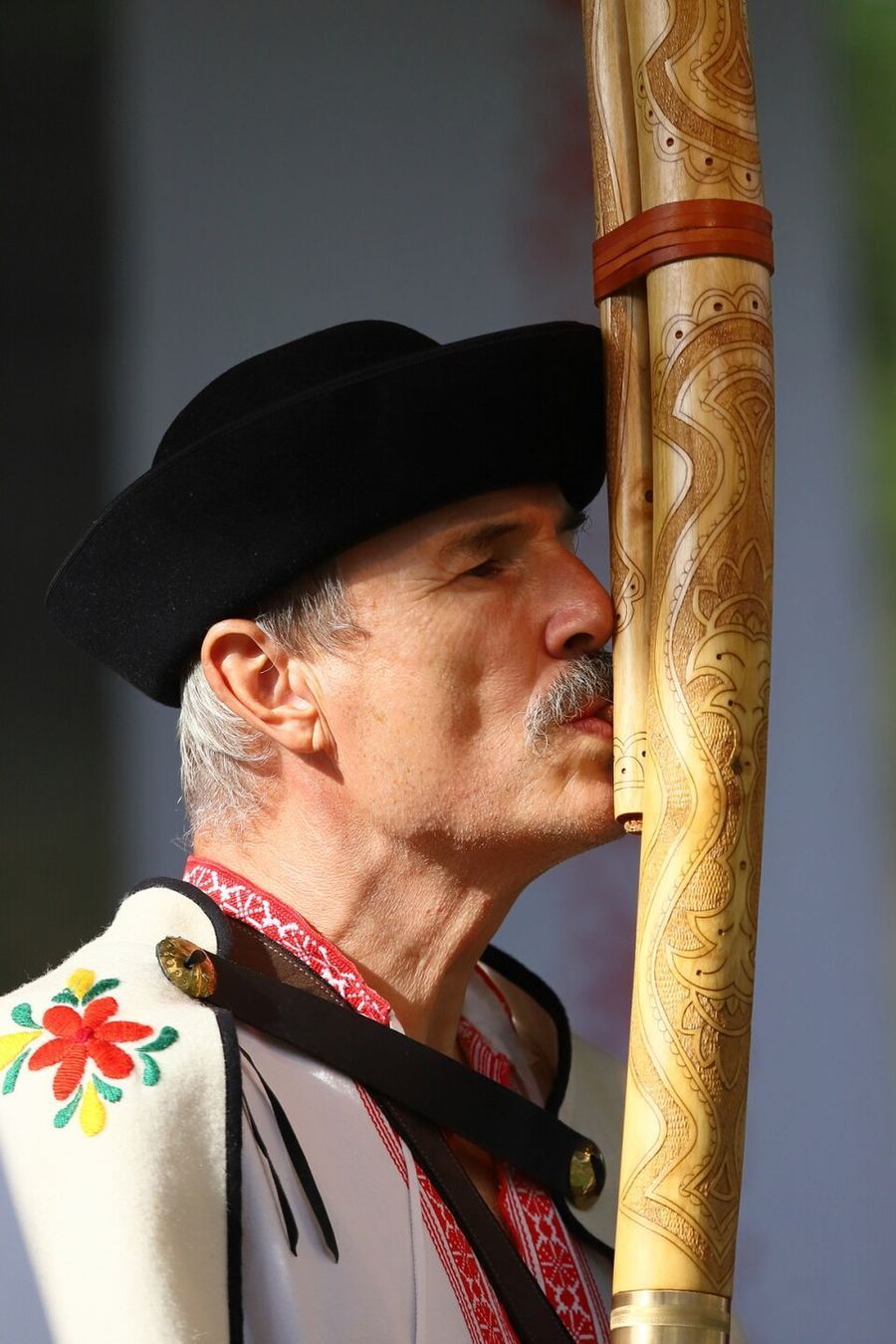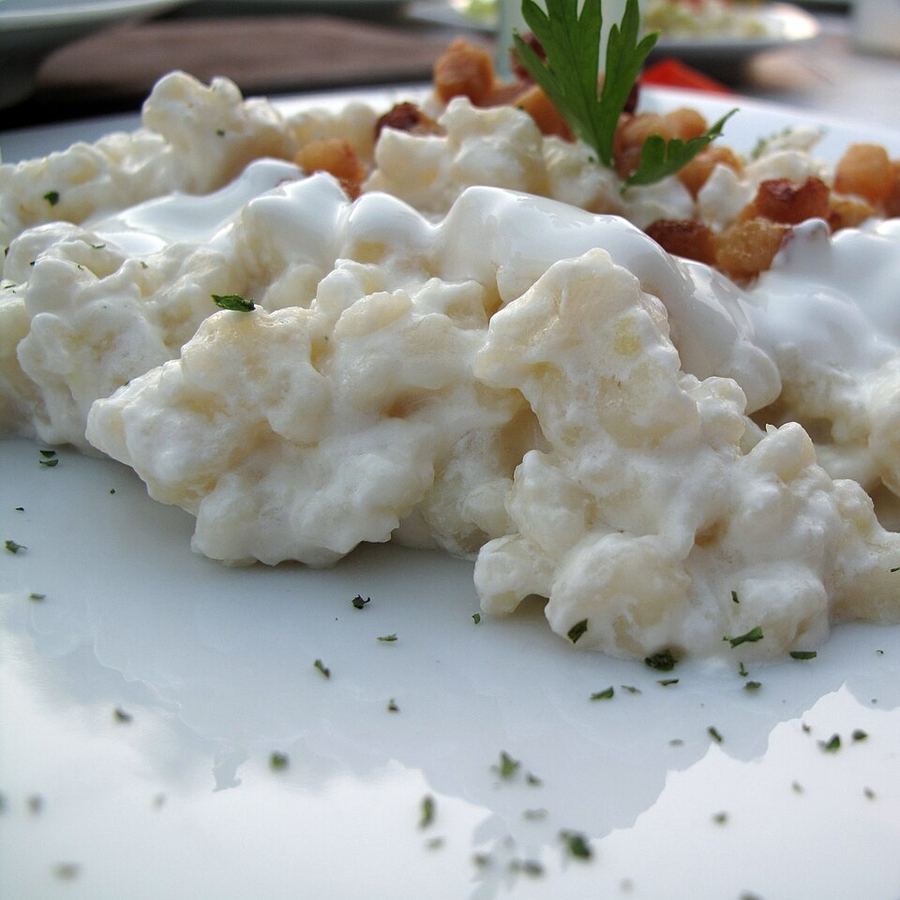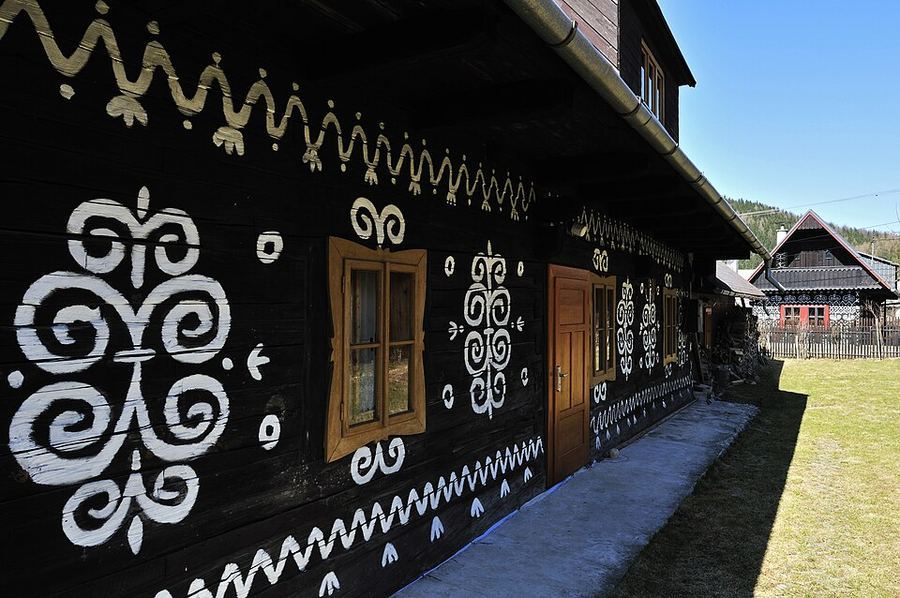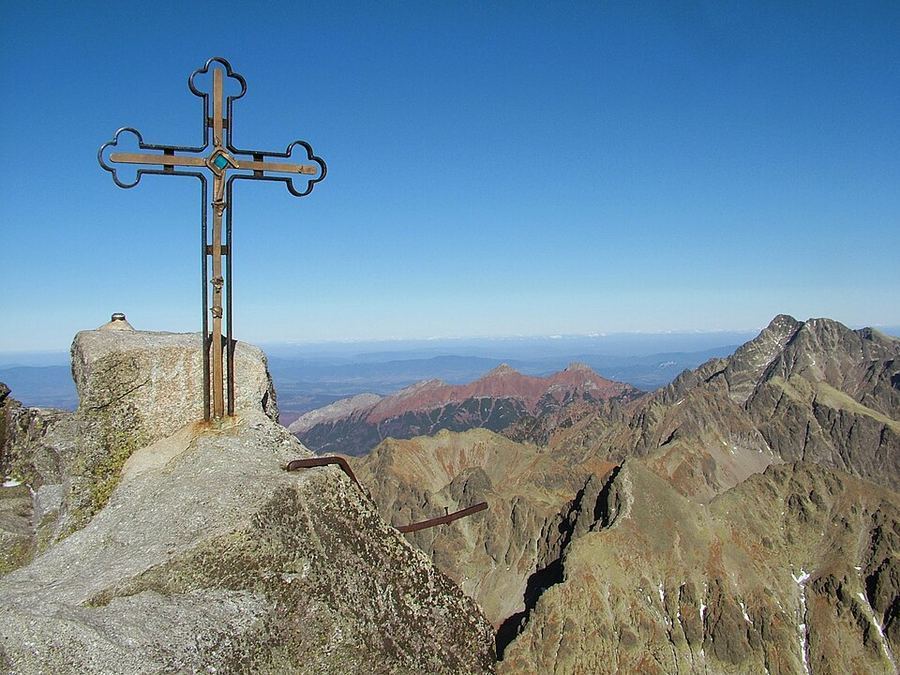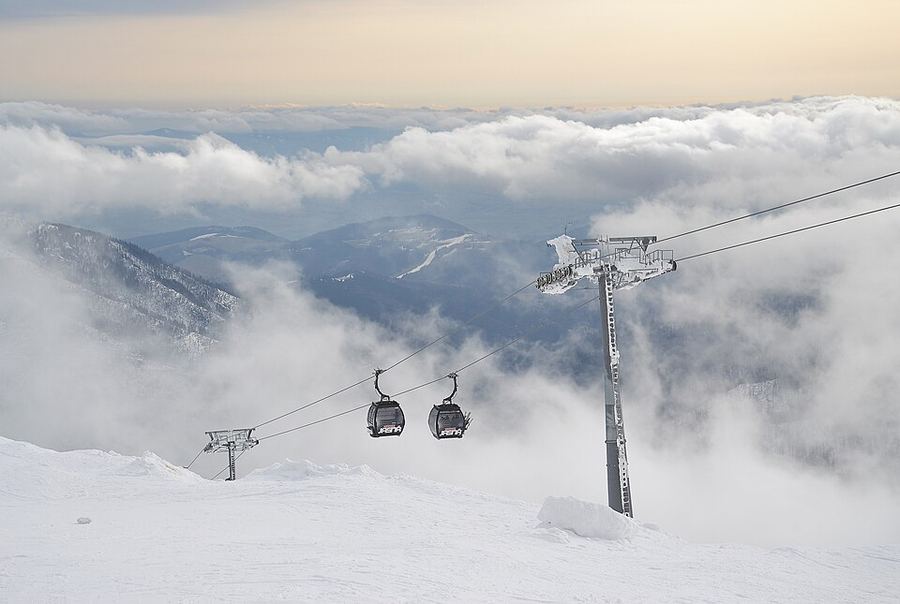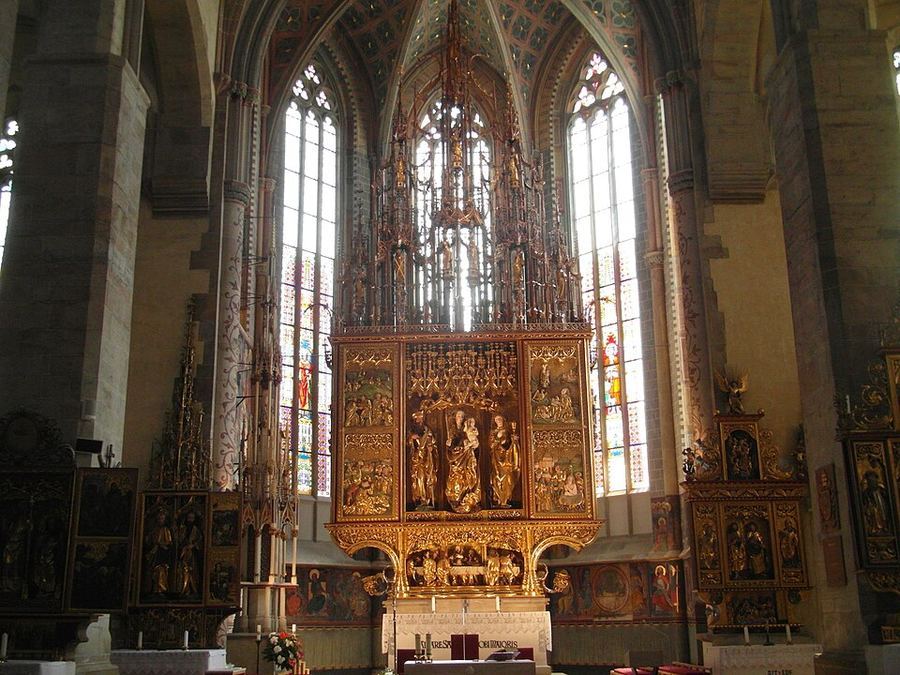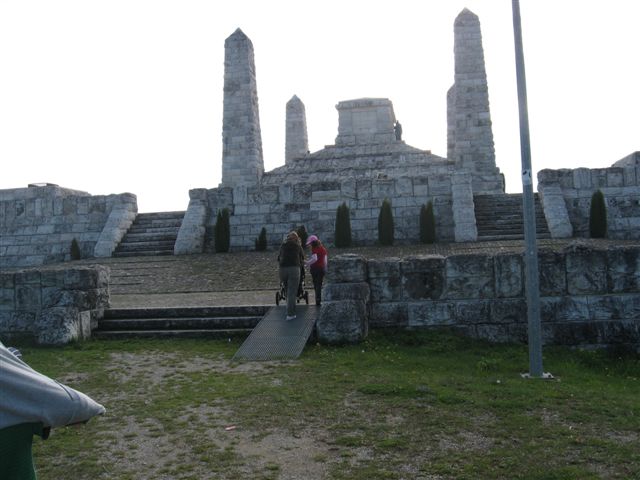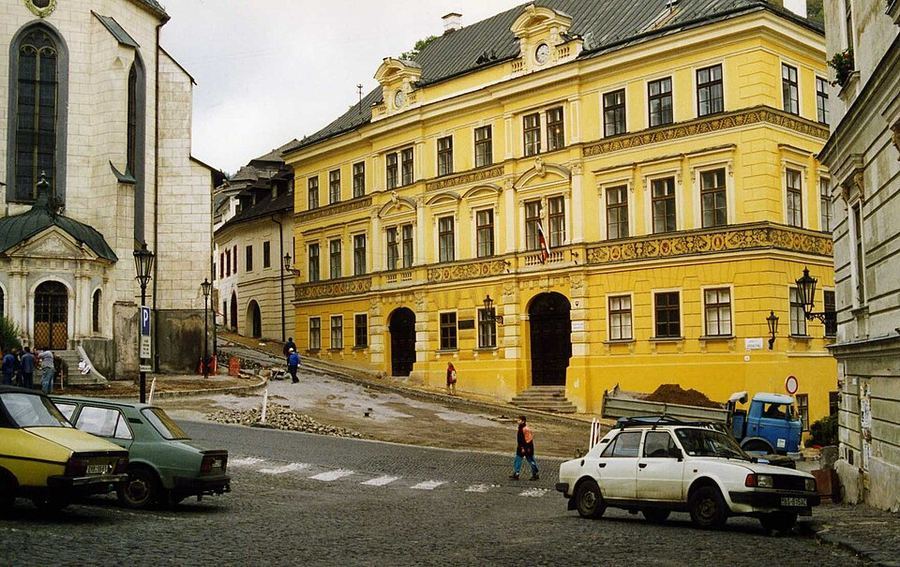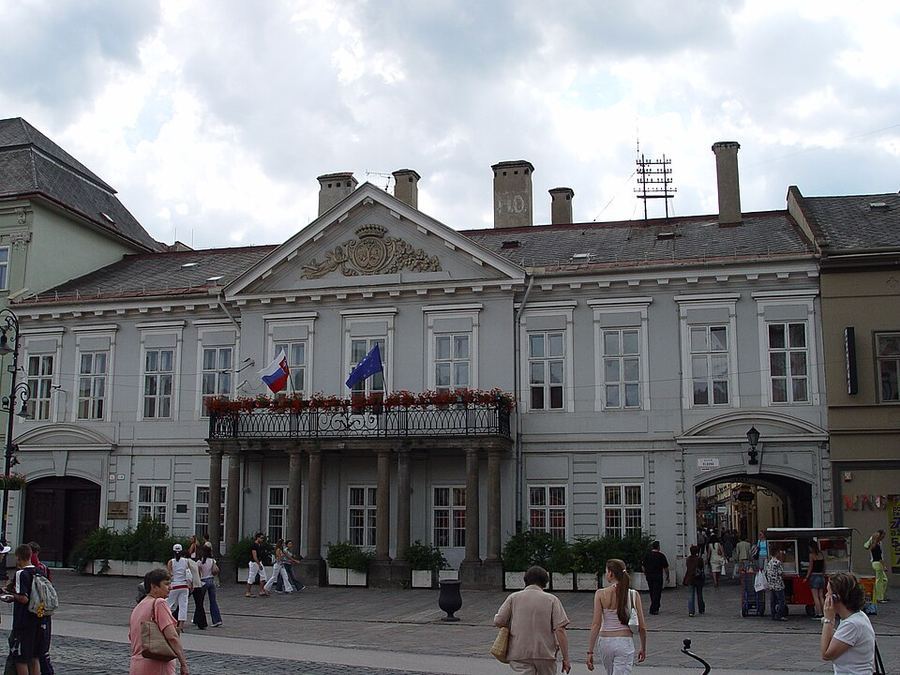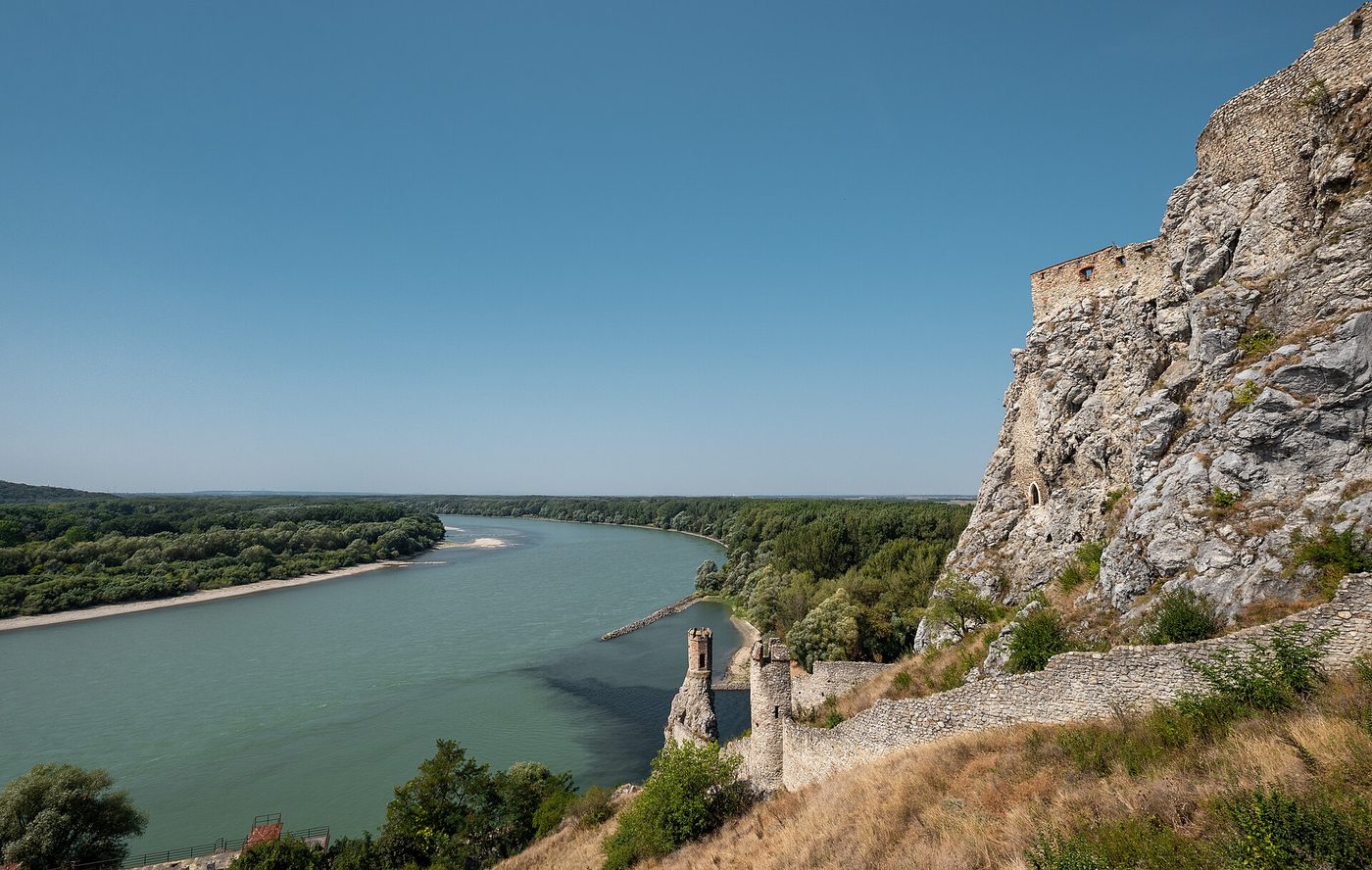
Slovakia is a landlocked parliamentary republic of about 5.5 million people in Central Europe, bordered by Poland, Ukraine, Hungary, Austria and Czechia. It became independent on 1 January 1993 when Czechoslovakia divided by negotiation rather than conflict — the settlement usually called the Velvet Divorce — and it joined the European Union and NATO in 2004, the Schengen area in 2007 and the euro in 2009. Its capital, Bratislava, sits in the far southwest on the Danube within sight of Austria, the only national capital that borders two other countries. The country is dominated physically by the Carpathians, which cross it from west to east and reach their highest point anywhere in the range at Gerlachovský štít, and by the Danubian lowland in the south that holds most of the farmland and the Hungarian-speaking minority. Slovaks make up about 84% of the population; Hungarians are the largest minority and Roma the most disadvantaged. Roman Catholicism is the largest religion, with a historic Lutheran community and a Greek Catholic one in the east. The economy is unusually specialised: cars and vehicle parts dominate exports from four foreign-owned assembly plants, and Slovakia builds more vehicles per head of population than any other country.
Bratislava's urban core is home to about 323,808 people.
Among the world's megacities, though, it's one of many — the giants of Asia and Latin America run larger still:
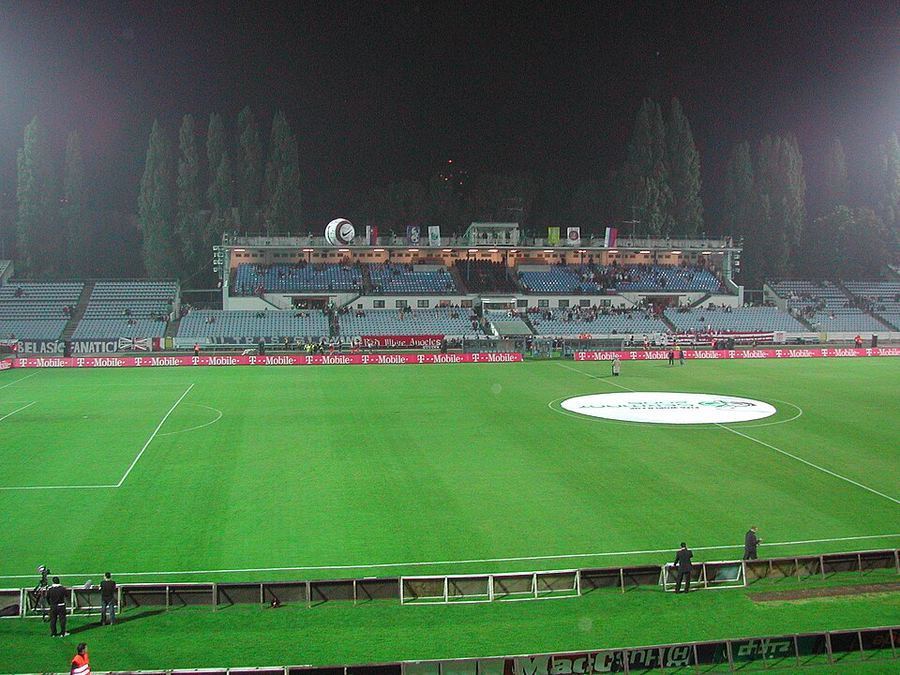
Slovakia's clearest international achievement came in ice hockey, when the national side won the IIHF World Championship in Gothenburg in 2002, having taken silver in 2000 and adding another silver in 2012 and a bronze in 2003; at the Beijing Winter Olympics in 2022 the team won bronze, the country's first Olympic hockey medal. In canoe slalom Slovakia is a genuine world power: Michal Martikán won gold in the C1 in 1996 and again in 2008 across a career of five Olympic medals, the twin brothers Peter and Pavol Hochschorner took three consecutive C2 titles from 2000 to 2008, Elena Kaliská won the women's K1 in 2004 and 2008, and Ladislav and Peter Škantár added another C2 gold in 2016. Peter Sagan won the world road race championship in 2015, 2016 and 2017 — three in a row, a feat no rider had achieved — and a record number of Tour de France points classifications. Zuzana Rehák Štefečeková won Olympic trap gold at Tokyo. In football the national team's high point was the 2010 World Cup, where it eliminated the defending champions Italy in the group stage and reached the last sixteen.
Euro — EUR (€)
GDP (PPP): $218.762 billion (2024 est.)
Per capita: $40,300 (2024 est.)
$120.355 billion (2024 est.)
cars, vehicle parts/accessories, video displays, broadcasting equipment, refined petroleum (2023)
Partners: Germany 20%, Czechia 10%, Hungary 7%, USA 6%, Poland 6% (2023)
$120.29 billion (2024 est.)
vehicle parts/accessories, broadcasting equipment, cars, plastic products, insulated wire (2023)
Partners: Germany 16%, Czechia 14%, Poland 8%, China 7%, Hungary 6% (2023)
Type: parliamentary republic
Independence: 1 January 1993 (Czechoslovakia split into the Czech Republic and Slovakia)
How mountains, coasts, and rivers shape settlement (LandScan).
Coming — dataWhere groups settled and how people move (GeoEPR + UNHCR).
Coming — dataNotable institutions, mappable as points.
Coming — data