HERA · Human Entity Reference Atlas by Masego Inc

← Slovenia 🌐 3D View
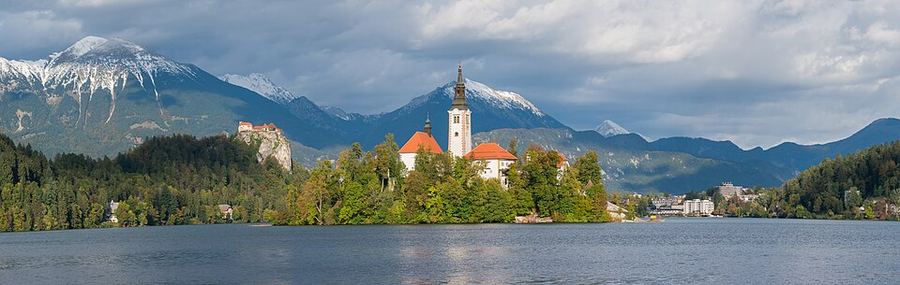
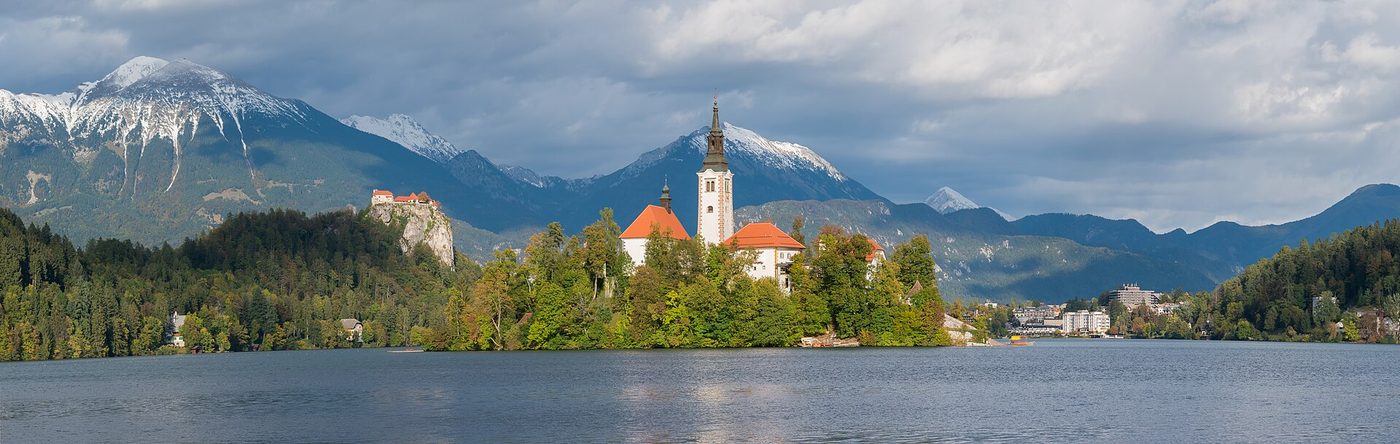
Bled Island & Bled Castle (1), Slovenia
Slovenia SVN
Bled Island & Bled Castle (1) — Photo: Krzysztof Golik / CC BY-SA 4.0 via Wikimedia Commons
Did You Know Slovenia proposed World Bee Day to the United Nations, which adopted it in 2017 for 20 May — the birthday of Anton Janša, the Slovene appointed imperial teacher of beekeeping in eighteenth-century Vienna. — UN

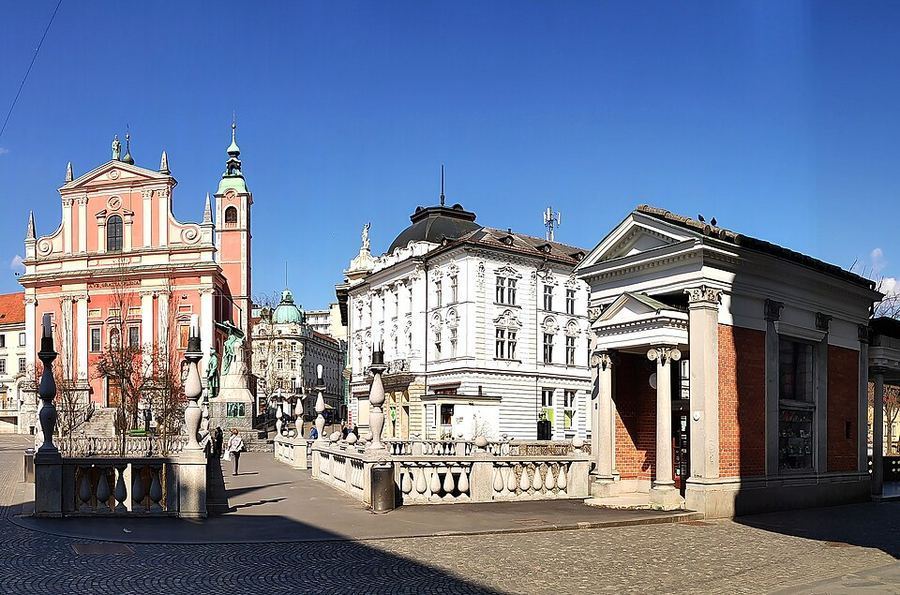
Slovenia is a parliamentary republic of about 2.1 million people at the meeting point of the Alps, the Mediterranean, the Pannonian plain and the limestone Karst — four distinct European landscapes compressed into a country smaller than Wales. It borders Italy, Austria, Hungary and Croatia and holds a coastline of only around 47 kilometres on the Adriatic. Ljubljana, the capital, is a small riverside city largely shaped by the architect Jože Plečnik, whose works there were inscribed on the UNESCO World Heritage list in 2021. Slovenes make up roughly 83% of the population, Roman Catholicism is the largest religion, and Italian and Hungarian hold co-official status in designated municipalities with guaranteed seats in parliament. Slovenia declared independence from Yugoslavia on 25 June 1991 and secured it in a ten-day conflict that was by far the shortest and least destructive of the Yugoslav wars; it joined the European Union and NATO in 2004 and was the first of that accession group to adopt the euro, in 2007. Its economy is the wealthiest of the former Yugoslav republics and unusually specialised for its size, exporting pharmaceuticals, cars and vehicle components. Forest covers close to three-fifths of the national territory, among the highest shares in Europe.

CIA World FactbookEncyclopaedia BritannicaEurostatWorld Bank
Population
2,097,893
Capital
Ljubljana
Currency
€ EUR
Time zones
Largest city
Ljubljana
Human Geography Themes
Loading national figures…
Largest Cities
Ljubljana252,736
Maribor80,272
In Perspective

Ljubljana's urban core is home to about 252,736 people.

Among the world's megacities, though, it's one of many — the giants of Asia and Latin America run larger still:

Ljubljana252,736
Jakarta40,545,126
Dhaka37,307,160
Tokyo33,244,670
Shanghai30,678,616
Cairo25,230,325
The Country & Its People

History

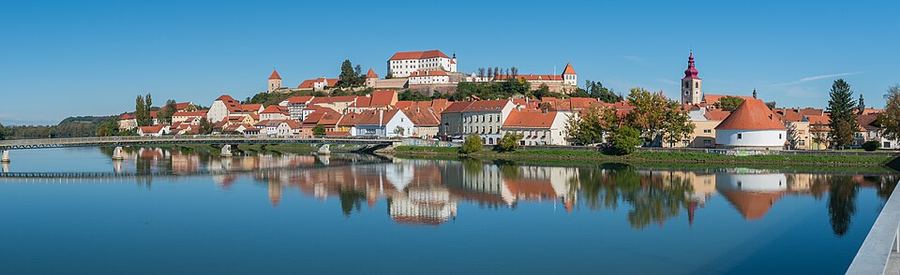
Roman towns — Emona at Ljubljana, Celeia at Celje, Poetovio at Ptuj — preceded the Slavic settlement of the eastern Alps in the sixth century, out of which emerged Carantania, an early Slavic principality remembered for an enthronement ritual performed in the vernacular on a stone in the Zollfeld and described admiringly by later European jurists. From the fourteenth century the Slovene lands were Habsburg territory, divided among the duchies of Carniola, Styria, Carinthia and the Littoral, and they remained so until 1918. Two moments defined the national language. The Freising Manuscripts, written between roughly 972 and 1039, are the oldest surviving continuous text in Slovene and the oldest Slavic text written in the Latin alphabet. Then in 1550 the Protestant reformer Primož Trubar published the first two books ever printed in Slovene, and Jurij Dalmatin followed with a complete Bible translation in 1584. Napoleon's Illyrian Provinces, governed from Ljubljana between 1809 and 1813, briefly raised Slovene to official use. After 1918 Slovenia joined the Kingdom of Serbs, Croats and Slovenes; in 1941 it was partitioned among Germany, Italy and Hungary and fought a partisan resistance. It became the wealthiest republic of socialist Yugoslavia before declaring independence on 25 June 1991.
Culture

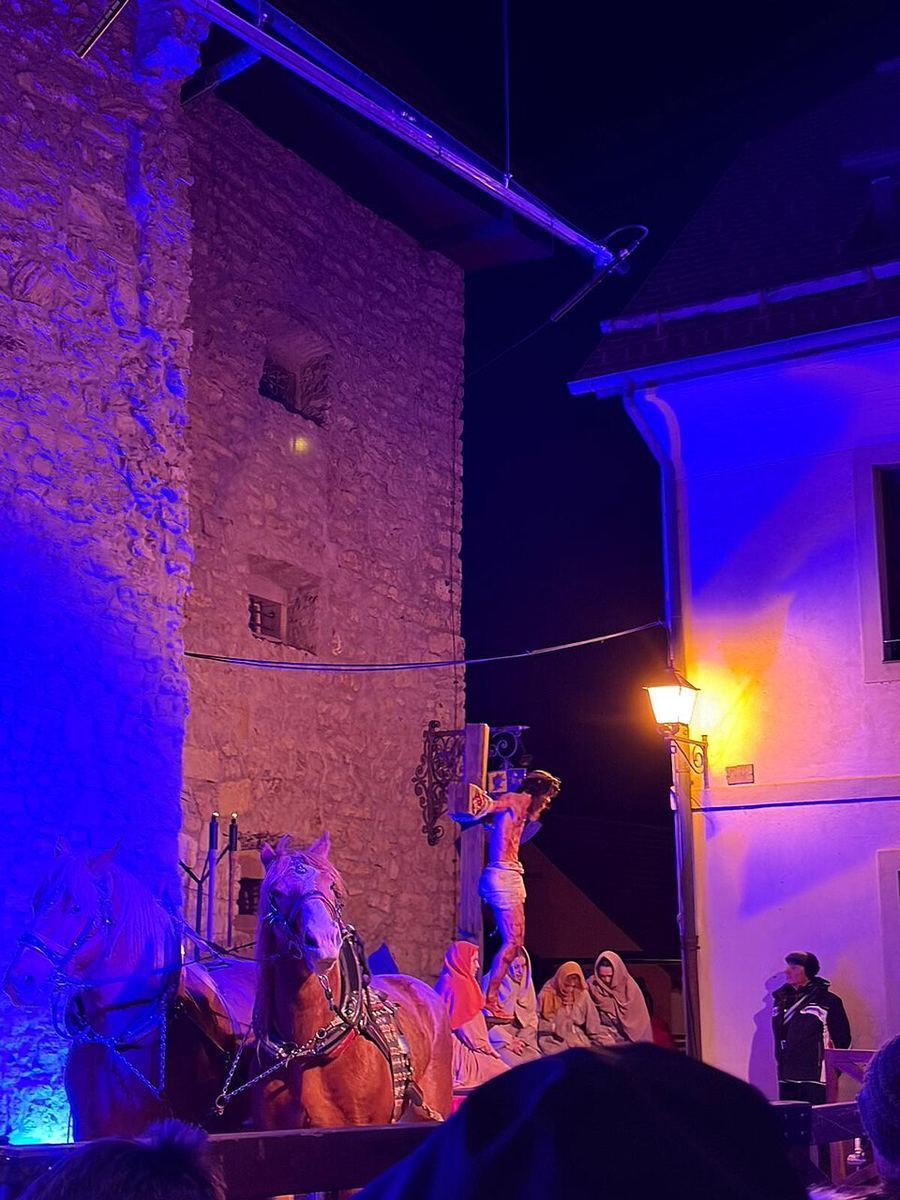
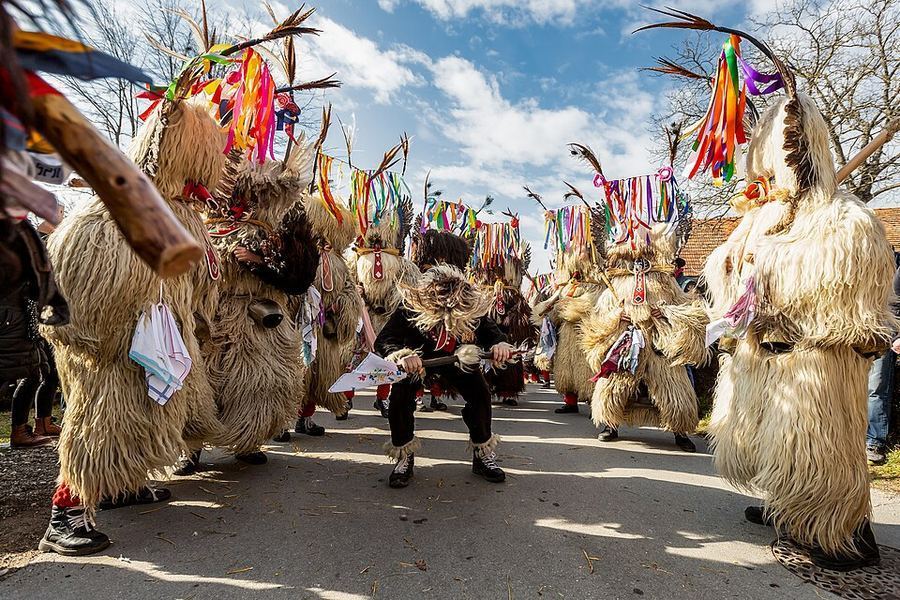
Slovene national identity was built on language and literature rather than on statehood, which the country did not have until 1991, and it shows in the public calendar: 8 February is a national holiday honouring the poet France Prešeren, making Slovenia one of very few countries whose principal cultural holiday commemorates a writer. Prešeren's drinking song Zdravljica supplies the national anthem, and its chosen stanza is a toast to peace among nations rather than to Slovenes. Beyond literature, the culture is Alpine and Central European in its habits — punctual, orderly, house-proud, oriented to the mountains — with a strong Catholic ceremonial year and equally strong village associations for firefighting, choral singing and beekeeping. Choral singing is a mass activity, with an unusually high number of registered choirs per head. Carnival is vigorous in the east, above all at Ptuj, where the Kurenti — figures in sheepskin, horned masks and heavy cowbells — process from house to house to drive out winter, a custom inscribed by UNESCO in 2017. The Škofja Loka Passion Play, whose text dates to 1721, and Idrija bobbin lace are likewise recognised. Regional character remains distinct between Alpine Gorenjska, Mediterranean Primorska, Pannonian Prekmurje and the Karst.

Points Of Pride

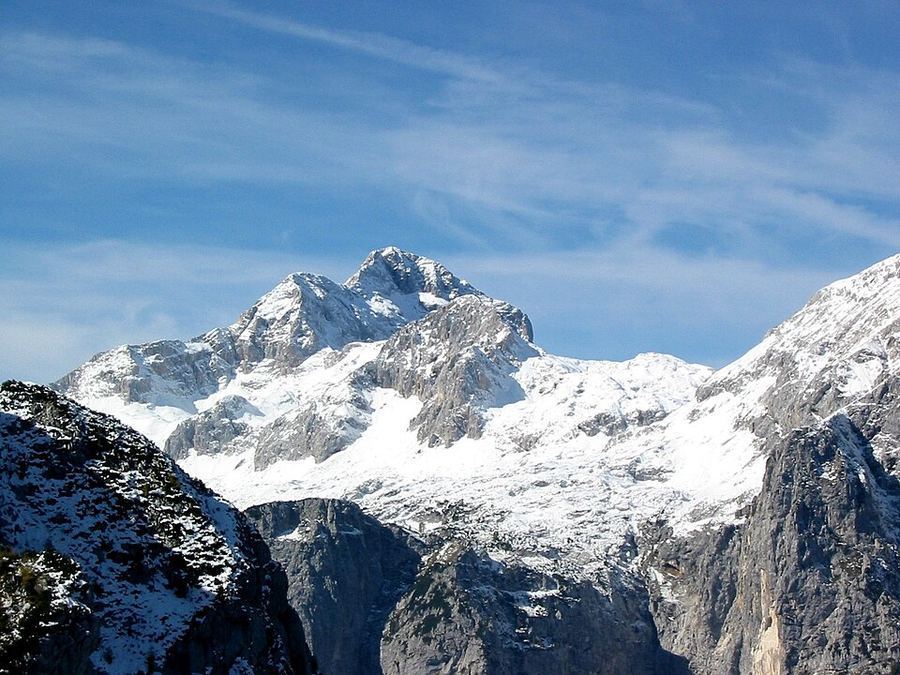
Triglav, the 2,864-metre summit of the Julian Alps, appears on the national coat of arms and on the flag, and climbing it at least once is treated as something close to a civic obligation. Lake Bled with its island church and clifftop castle is the country's signature image abroad. Slovenia gave the world the word and the science of karst: the limestone plateau of the Kras behind Trieste is the type locality after which all such terrain everywhere is named, and the Škocjan Caves, with one of the largest known underground river canyons, were inscribed by UNESCO in 1986. The mercury mine at Idrija, one of the two largest in history, is also World Heritage, as are the prehistoric pile dwellings of the Ljubljana Marshes — where excavation produced a wooden wheel and axle some 5,200 years old, among the oldest ever found — and Plečnik's Ljubljana. Slovenia proposed World Bee Day to the United Nations and had it adopted in 2017, on the birthday of Anton Janša, the eighteenth-century Slovene appointed imperial teacher of beekeeping in Vienna. It was the first of the 2004 European Union entrants to adopt the euro. And its sporting output per head of population is a source of continual national astonishment.

Cultural Fusion

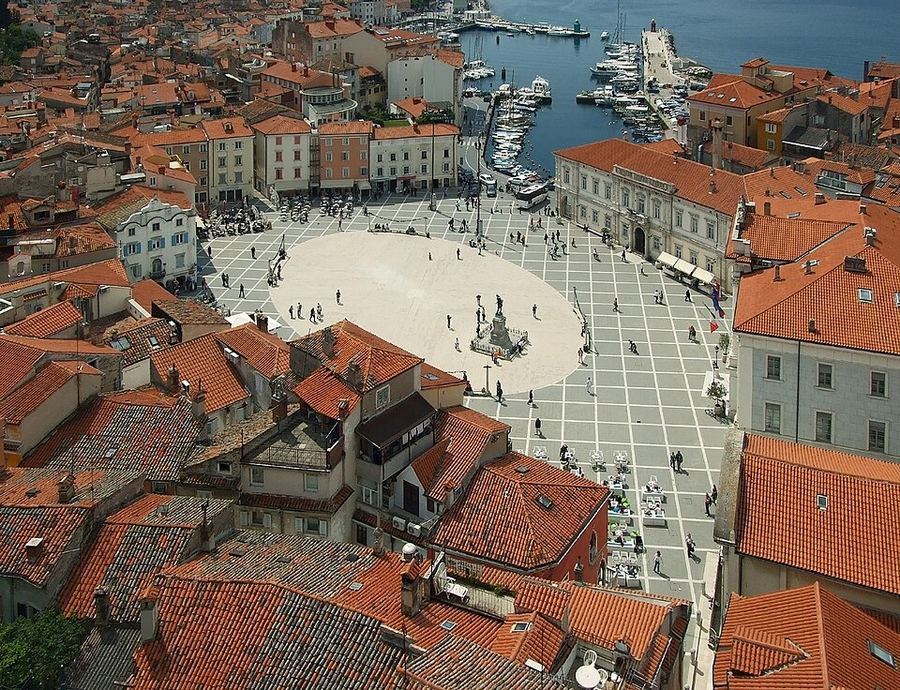
Slovenia's regions face in four directions and behave accordingly. Gorenjska and Koroška in the north are Alpine and were shaped by centuries of Habsburg administration, leaving Germanic patterns in building, farming, food and vocabulary. Primorska on the coast is Mediterranean and Venetian in inheritance: Piran, Izola and Koper have Italianate campaniles and loggias, Italian is co-official there, and the cooking is olive oil, seafood and Refošk wine rather than pork fat and buckwheat. Prekmurje in the far northeast, separated from the rest by the Mura river and ruled from Hungary until 1919, has its own dialect, a Lutheran minority, co-official Hungarian, and dishes — bograč, prekmurska gibanica — that belong to the Pannonian world. The Karst between coast and interior forms a fourth zone with its own wind, wine and cured ham. Seven decades in Yugoslavia added a further layer, bringing a substantial population from Bosnia, Serbia and elsewhere in the federation to Slovenia's industrial towns, whose descendants are now among the largest minorities. The result is a country where a two-hour drive changes the architecture, the crop, the accent and the lunch.

Music & Dance

The country's most exported musical form is Alpine popular music. In 1953 the Avsenik brothers of Begunje formed an ensemble built on diatonic button accordion, clarinet, trumpet, guitar and bass whose sound — quickly known across German-speaking Europe as oberkrainer, after Upper Carniola — became the template for thousands of imitators; their instrumental Na Golici is among the most frequently performed pieces of its kind anywhere. Lojze Slak's ensemble carried a related tradition. Underneath this sits an older folk layer of ring dances, the štajeriš and the polka, of ballad singing collected in the nineteenth century, and of the zither and the hollowed-out bark instruments of the alpine pastures. Choral singing is the country's true mass musical practice, with village, church and workers' choirs in every settlement. In art music Slovenia claims Jacobus Gallus, the great sixteenth-century polyphonist, and Giuseppe Tartini, born in Piran in 1692, whose violin writing shaped a century of technique; the Ljubljana philharmonic society traces its foundation to 1701, among the oldest in Europe. In the contemporary register the industrial group Laibach, founded in Trbovlje in 1980, is the most internationally recognised Slovene band.

Cuisine & Misattributed Foods

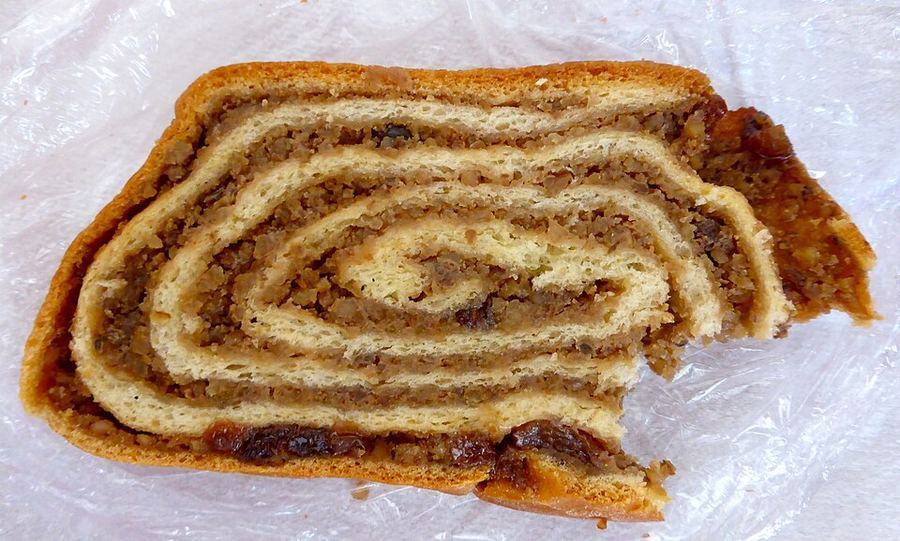
Slovene cooking changes with the region but returns everywhere to potica, a yeast dough rolled thin, spread with a filling and coiled into a ring — walnut is the standard, though tarragon, poppy seed and cracklings all have their partisans — which appears at Christmas, Easter and every significant family occasion. The other national emblem is the kranjska klobasa, the Carniolan sausage, protected under European Union rules and boiled rather than grilled. From the Alpine north come žganci, a coarse buckwheat spoonbread eaten with milk or crackling, and štruklji, rolled dumplings filled with cottage cheese, walnuts or tarragon and served sweet or savoury. Jota, a thick soup of beans, sauerkraut and pork, belongs to the western uplands, and idrijski žlikrofi — small potato-filled dumplings — to Idrija. Prekmurje in the east contributes bograč, a paprika-heavy meat stew, and gibanica, a layered pastry of poppy seed, walnut, apple and curd. The Karst produces air-dried pršut in the bora wind, and the coast supplies seafood, olive oil and truffles. Slovenia is a serious wine country across three regions, and the vine growing on a house front in Maribor is documented as the oldest producing grapevine in the world at over four centuries.

National Dress

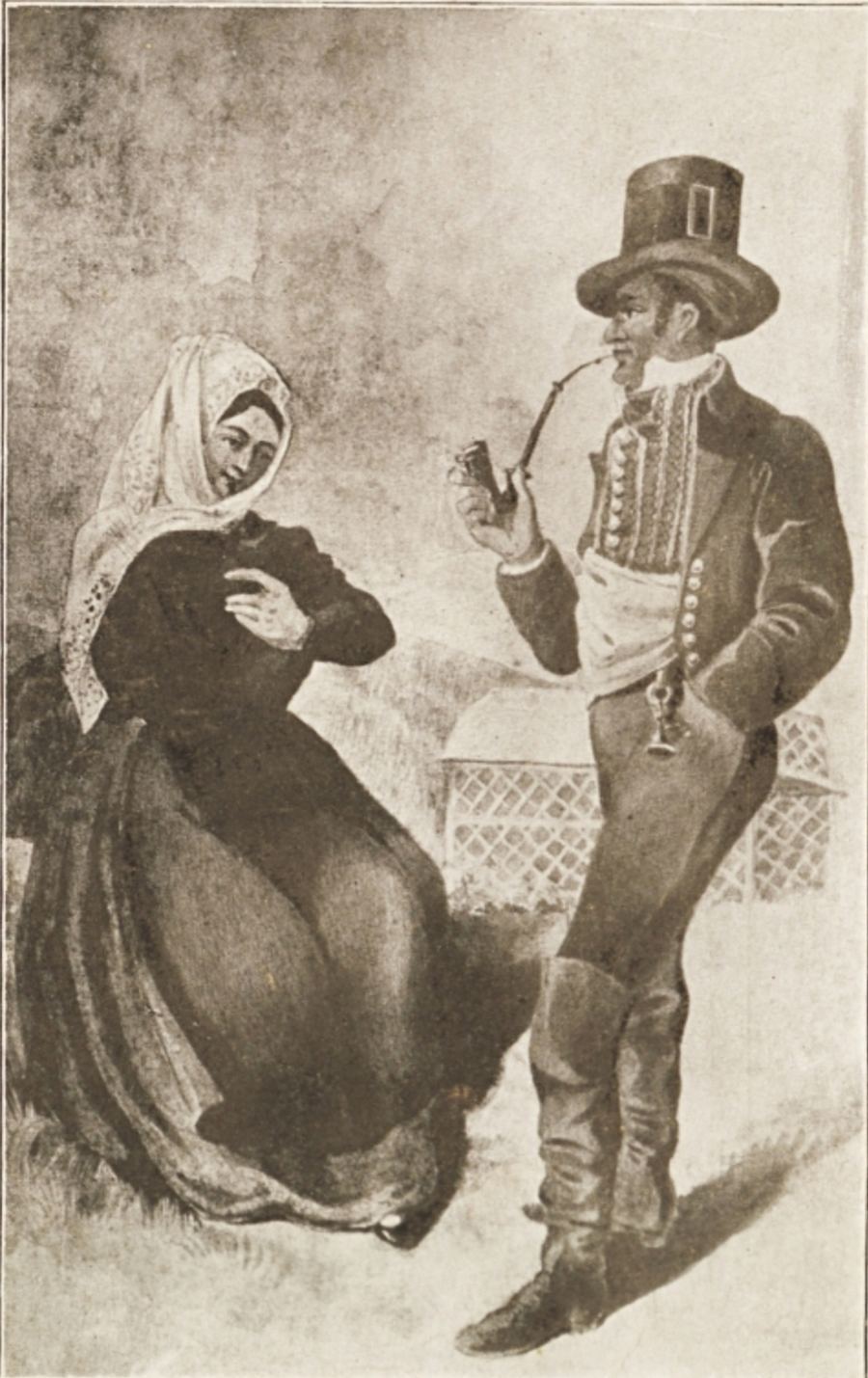
Slovene folk costume is regionally specific, but the version that functions as the national one comes from Gorenjska, the Alpine northwest. The woman's outfit consists of a white linen blouse with wide, gathered sleeves, a dark fitted bodice laced or hooked at the front, a full skirt, and a silk apron; its distinctive element is the avba, a bonnet of dark cloth densely embroidered in gold thread with a stiffened bow at the back, worn by married women and among the most elaborate headdresses in Alpine Europe. Men wear knee-length leather breeches, white stockings, a white shirt, a red or embroidered waistcoat and a broad-brimmed black hat. Other regions differ markedly — lighter, Italianate dress on the coast, Pannonian styles with pleated linen in Prekmurje, the black and white of the Bela krajina in the southeast. The finest textile craft associated with formal dress is Idrija bobbin lace, taught in the town since the seventeenth century in a school still operating and inscribed by UNESCO in 2018, whose openwork appears on collars, cuffs and ceremonial pieces. Costume today is worn for folklore festivals, church processions, weddings and the Kurentovanje season rather than daily.

Sports & Inspiring Athletes

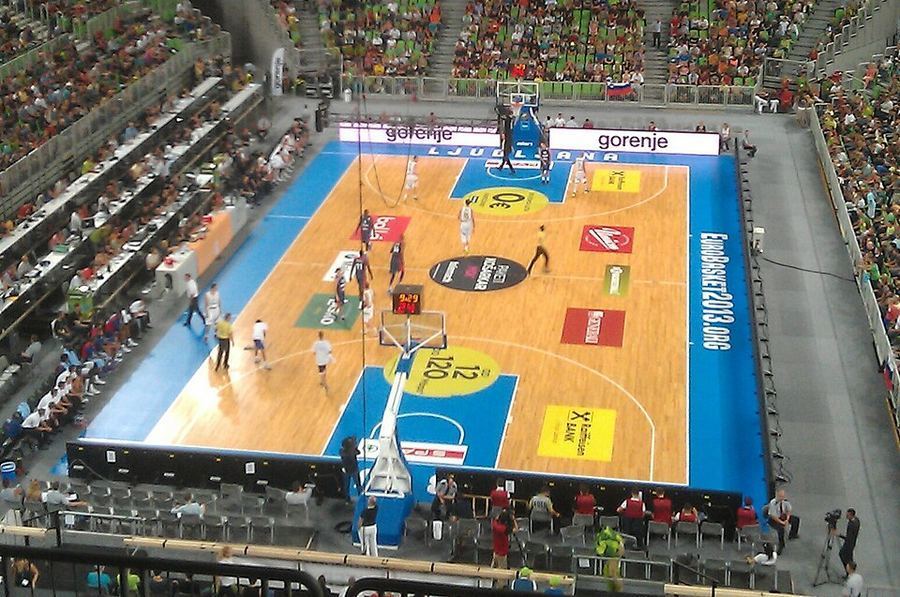
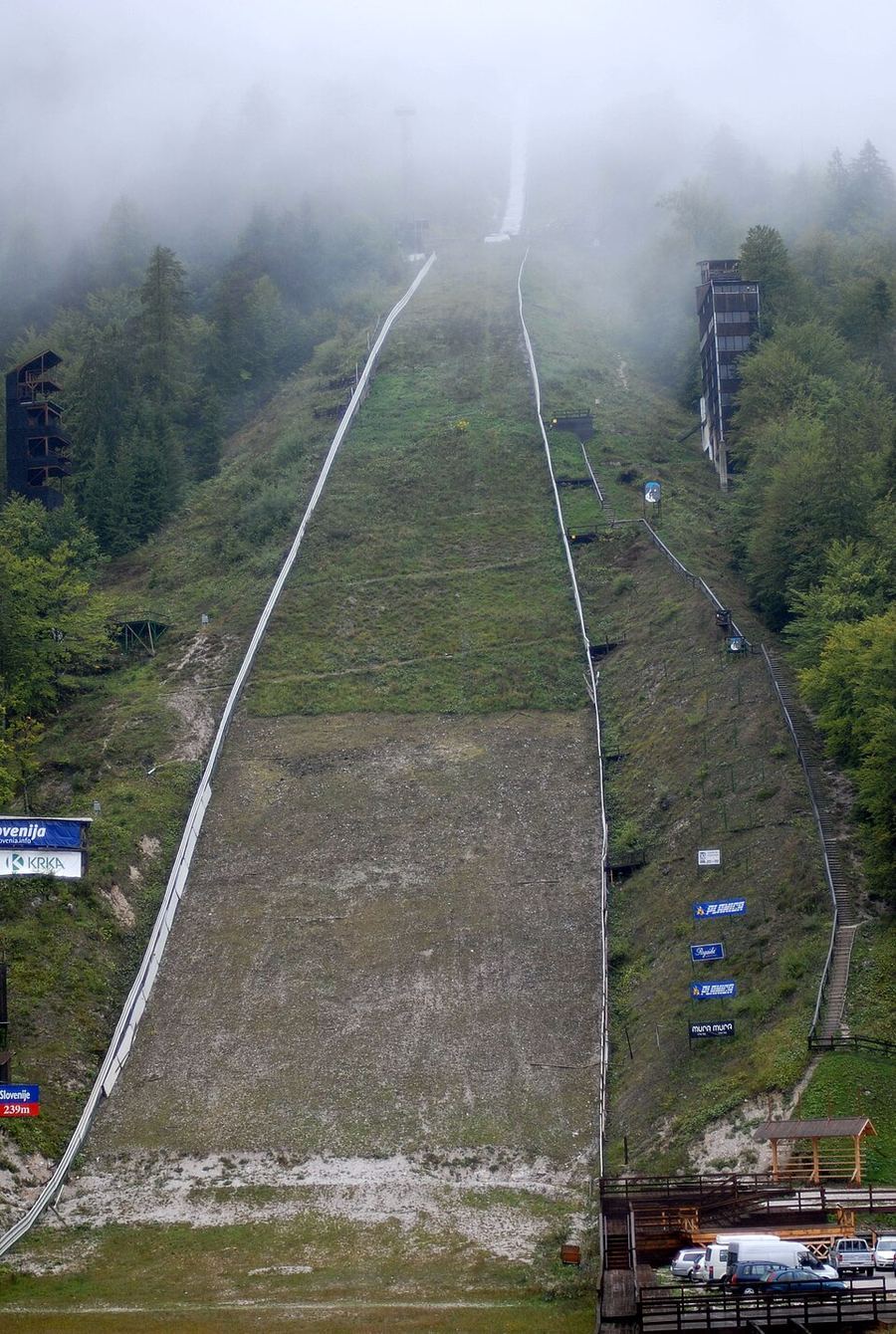
For a country of two million, Slovenia's sporting depth is remarkable, and it is concentrated in disciplines the terrain supports. Alpine skiing and ski jumping are the historic core: Planica in the far northwest holds the world's premier ski flying hill, where distance records have repeatedly been set and where the season's closing weekend draws crowds of tens of thousands. Cycling has become the country's most conspicuous strength, with a road racing culture on the alpine climbs that has produced Grand Tour winners and Olympic champions. Basketball is the leading team sport by following, sustained by a strong domestic and regional league system and by the national side's success. Handball, volleyball, rowing, canoeing on the Soča and Sava, and biathlon all have substantial federations. Sport climbing grew out of the country's limestone crags and its dense network of indoor walls into a world-leading programme. Football is widely played, and the national team has qualified for both the World Cup and the European Championship despite the small playing population. Recreational participation — hiking, cycling, skiing, running — is high by European comparison, and physical education in schools is long-established and well resourced.

Notable Educational Programs

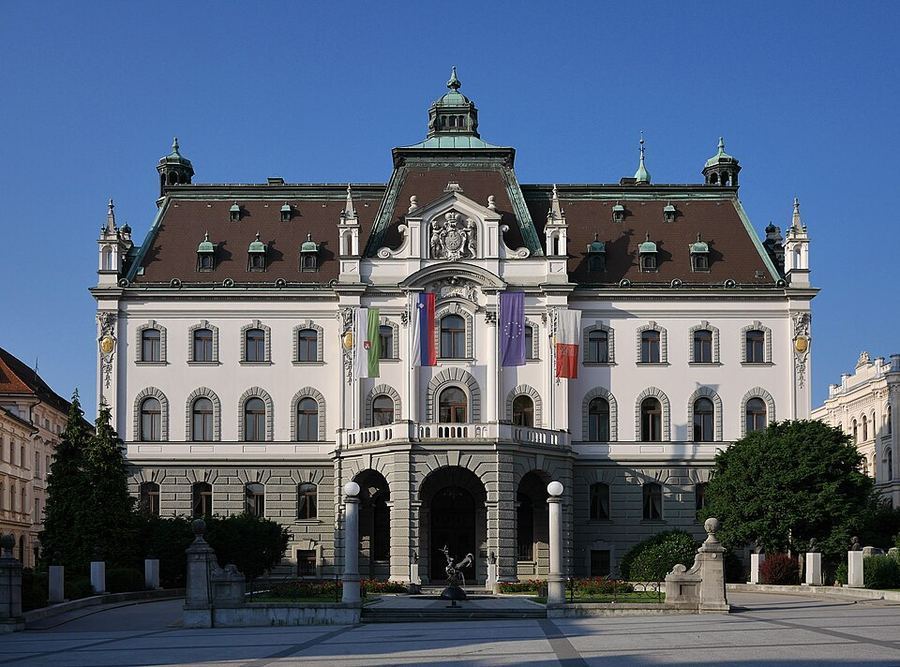
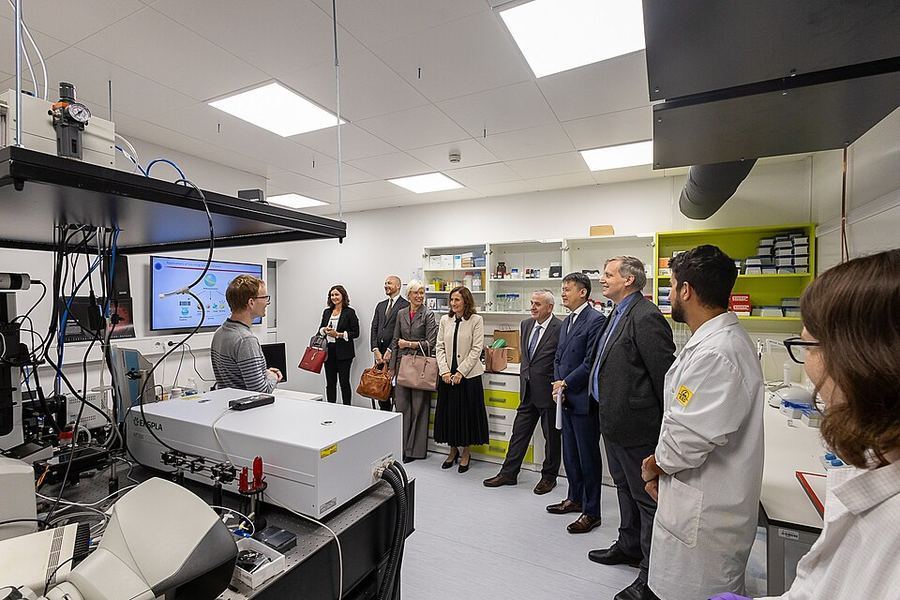
Education is compulsory from six to fifteen in a nine-year single-structure basic school, followed by general gymnasium or technical and vocational secondary tracks, and it is free in the public system. Slovenia's outcomes in international assessments are consistently above the average for the Organisation for Economic Co-operation and Development, with particular strength in science, and tertiary attainment among younger adults is high. Instruction is in Slovene, with full schooling available in Italian in the coastal municipalities and bilingual Slovene-Hungarian schooling in Prekmurje, reflecting the constitutional position of those two communities. The university system is led by the University of Ljubljana, founded in 1919 and by far the largest, followed by the University of Maribor and the University of Primorska in Koper; tuition at the public universities is free for full-time students, and the country has long sent and received students under European exchange programmes. Research is concentrated in the universities and in the Jožef Stefan Institute, the National Institute of Chemistry and the Chemical and Biological Institutes. The recognised weaknesses are the demographic decline that is shrinking cohorts, and the difficulty of retaining early-career researchers against better-funded systems elsewhere in Europe.

Wars & Conflicts

Slovenia's only armed conflict since 1945 was the Ten-Day War of 1991. After the declaration of independence on 25 June, the Yugoslav People's Army moved to secure border crossings and the airport; Slovenian territorial defence forces blockaded barracks and seized crossings, and fighting ended with the Brioni Agreement of 7 July under European Community mediation, followed by the army's complete withdrawal by October. Fewer than seventy people were killed in total, making it by an enormous margin the least destructive of the conflicts that broke up Yugoslavia — the wars in Croatia, Bosnia and Kosovo did not extend to Slovene territory. The country has fought no war since, joined NATO in 2004 and contributes small contingents to alliance and United Nations operations in the Western Balkans and elsewhere. Its unresolved domestic controversy from the independence period concerns the erasure in 1992 of some 25,000 residents of other Yugoslav republics from the register of permanent residents, which left them without legal status; the European Court of Human Rights ruled against Slovenia over it and a compensation scheme followed. Since 2015 the country's principal security concern has been the management of migration routes across its southern border.
Current as of 2026-08-07

Land & Border Disputes

Slovenia's one substantial international dispute is with Croatia over their common border, and above all over the Bay of Piran and Slovenia's access from it to the high seas — a question left unsettled when Yugoslavia dissolved, since internal republican boundaries had never been delimited at sea. Under an agreement signed in Stockholm in 2009, which unblocked Croatia's European Union accession talks, the two states referred the whole boundary to an arbitral tribunal at the Permanent Court of Arbitration. In 2015 Croatia announced its withdrawal from the proceedings after the disclosure of improper contacts between Slovenia's appointed arbitrator and a Slovene official; the tribunal reconstituted itself, continued, and issued its award in June 2017, awarding Slovenia most of the bay and a corridor of access. Slovenia treats the award as binding and has legislated accordingly; Croatia rejects it as void, and the Court of Justice of the European Union declined jurisdiction over the resulting complaint in 2020, leaving the situation unresolved in practice. Smaller sections of the land border along the Mura and the Dragonja remain undemarcated. Slovenia has no dispute with Italy, Austria or Hungary, its borders with them having been settled by post-war treaty.
Land, Life & Legacy

Land & Climate

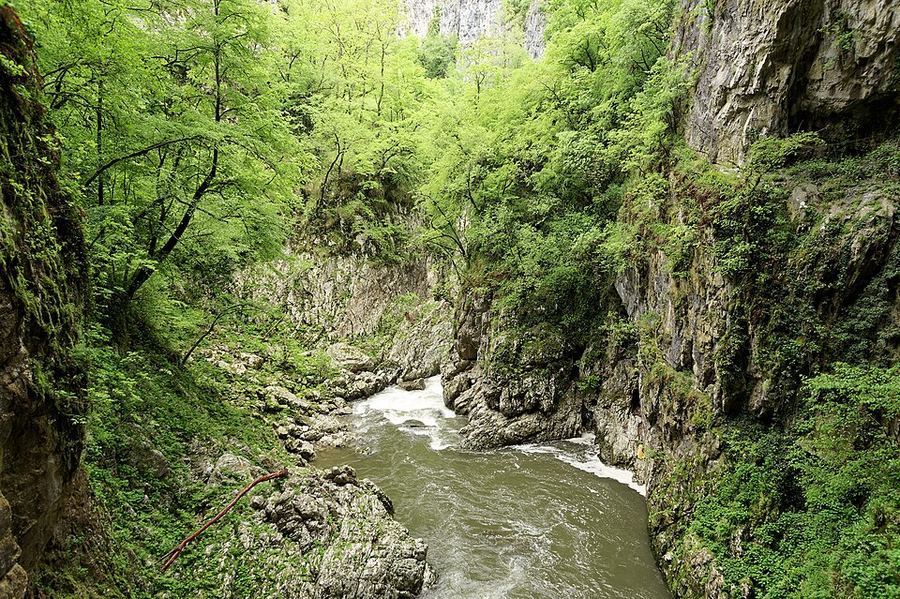
Slovenia packs an extraordinary range of terrain into 20,000 square kilometres. The Julian Alps in the northwest hold Triglav at 2,864 metres, the country's highest point and the core of its only national park, along with the glacial lakes of Bled and Bohinj and the turquoise Soča, which drains west to the Adriatic while almost everything else drains east to the Danube. The Kamnik-Savinja Alps and the Karavanke run along the Austrian border. South and west of Ljubljana lies the Kras, a bare limestone plateau riddled with sinkholes, blind valleys and cave systems — the landscape that gave karst its name in every scientific language — where the Reka river disappears underground at Škocjan and the intermittent Lake Cerknica fills and empties with the water table. The Adriatic coast is short, around 47 kilometres between Italy and Croatia, and Mediterranean in climate and vegetation. The east flattens into the Pannonian basin along the Mura and Drava, with thermal springs and the country's warmest, driest summers. Forest covers close to sixty per cent of the land, one of the highest proportions in Europe, and supports brown bears, wolves and lynx. Climate is alpine in the mountains, Mediterranean on the coast and continental in the east.

Entertainment

Slovenes are among Europe's most consistently outdoor populations, and the mountains organise the year. Hiking is close to universal, supported by a dense network of marked paths and mountain huts run by an alpine association founded in the nineteenth century, and climbing Triglav at least once is a widely repeated national expectation rather than a niche ambition. In winter the same terrain gives skiing at Kranjska Gora, Krvavec, Vogel and Mariborsko Pohorje, and Planica's ski flying weekend is a national event that empties the valley of parking space. Cycling has boomed on the back of the country's road racing success, and the Soča valley supports rafting, kayaking and canyoning. The east is spa country: the thermal waters of Rogaška Slatina, Moravske Toplice and Radenci support a well-established health tourism sector. Beekeeping is a genuine mass hobby with a very high number of registered beekeepers per head. Mushroom and chestnut gathering fill the autumn, the coast at Piran and Portorož takes the summer, and the Sunday walk followed by a long lunch is a fixed institution. Ljubljana's car-free centre, riverside cafés and summer festival supply the urban alternative.

Art & Museums

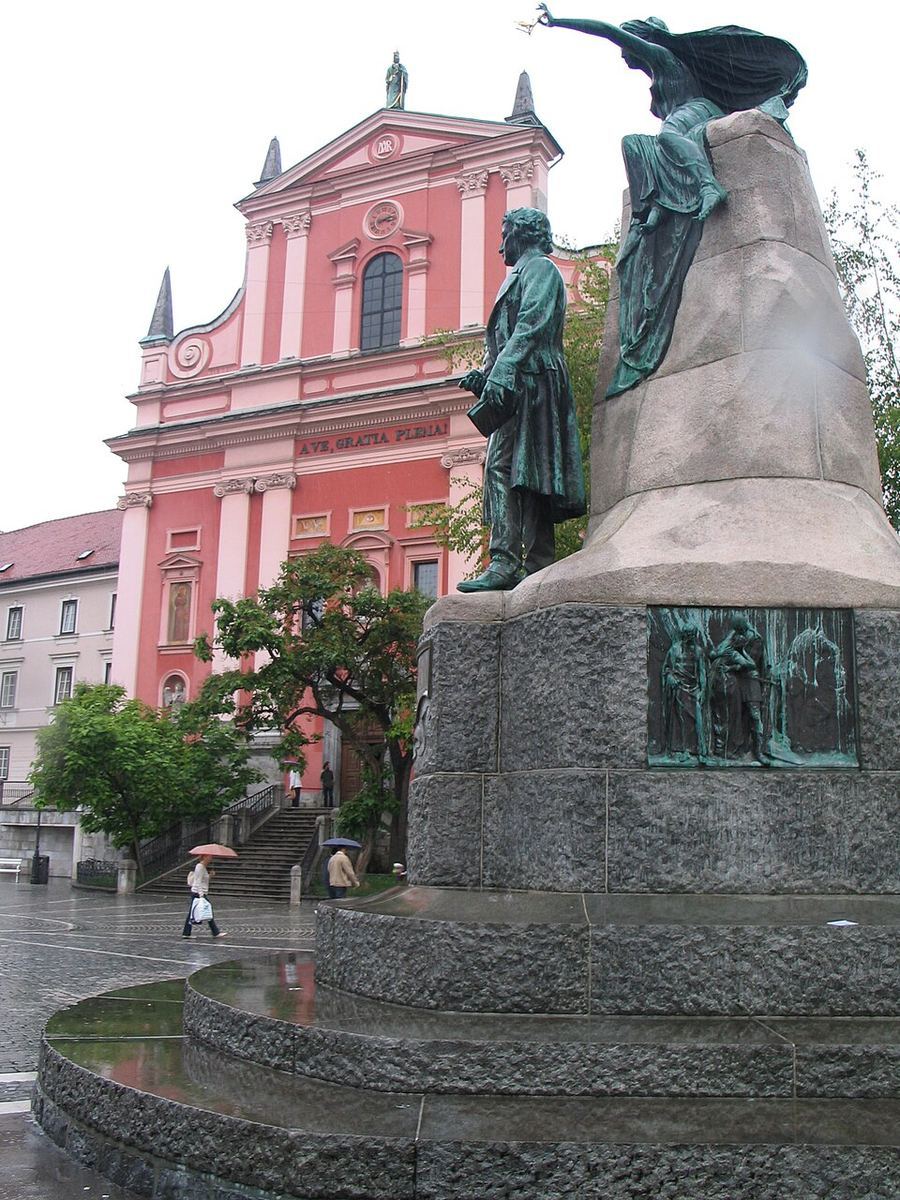
The most distinctive Slovene folk art is the painted beehive panel — small boards closing the fronts of hive boxes, decorated from the eighteenth century onward with biblical scenes, proverbs and sharp satirical vignettes of village life, a genre found essentially nowhere else. In fine art the defining movement is Slovene Impressionism, whose four figures — Rihard Jakopič, Ivan Grohar, Matija Jama and Matej Sternen — painted the Slovene landscape at the turn of the twentieth century in a manner that became inseparable from national self-image; Grohar's sower is among the country's most reproduced pictures. Zoran Mušič, who survived Dachau and drew what he saw there, achieved the widest international reputation of any Slovene painter. But the country's greatest artistic figure is an architect: Jože Plečnik returned from Vienna and Prague to remodel Ljubljana between the wars with the Triple Bridge, the market colonnades, the embankments, the National and University Library and the Žale cemetery, a body of work inscribed by UNESCO in 2021 as a human-centred design of a whole city. Baroque sculpture is represented by Francesco Robba's fountain on the Ljubljana town square, and the avant-garde by the Neue Slowenische Kunst collective of the 1980s.

Notable People

France Prešeren (1800–1849) is the national poet, author of the sonnets that established Slovene as a literary language and of the Zdravljica from which the anthem is taken. Primož Trubar printed the first Slovene books in 1550. Janez Vajkard Valvasor, the seventeenth-century polymath, wrote The Glory of the Duchy of Carniola and was elected to the Royal Society in London for his explanation of the intermittent Lake Cerknica. Jurij Vega, an eighteenth-century mathematician and artillery officer, published logarithmic tables used across Europe and held the record for the most computed decimal places of pi for around half a century. Jožef Stefan derived the law relating a body's radiated energy to the fourth power of its temperature in 1879, and the country's largest research institute carries his name; Fritz Pregl, born in Ljubljana, won the 1923 Nobel Prize in Chemistry for microanalysis. Herman Potočnik, writing in 1928 under the name Noordung, described a rotating wheel-shaped space station and identified the geostationary orbit's usefulness decades before it was used. Jože Plečnik shaped the capital. Among contemporaries, the philosopher Slavoj Žižek and the athletes Luka Dončić, Tadej Pogačar and Janja Garnbret are the most internationally recognised.

Inventions & Breakthroughs

Slovenia's inventive record is concentrated in physics, mathematics and, more recently, aviation. Jožef Stefan's 1879 determination that a black body's radiated energy rises with the fourth power of absolute temperature — later derived theoretically by his student Ludwig Boltzmann — is a foundational result of thermodynamics and the reason the Stefan–Boltzmann constant carries his name. Herman Potočnik's 1928 book The Problem of Space Travel worked out the engineering of a permanently crewed station in orbit, including a rotating habitation wheel for artificial gravity and the recognition that a 24-hour orbit would hold a satellite fixed over one point of the Earth, an idea that later underpinned communications satellites. Anton Janša, appointed by Maria Theresa as the imperial court's teacher of beekeeping, wrote the first systematic manuals of modern apiculture in the 1770s, and Slovene beekeepers developed the stacked AŽ hive still used across the region. In the present the outstanding case is Pipistrel of Ajdovščina, whose electric two-seat trainer became the first electric aircraft anywhere to receive full type certification from the European Union Aviation Safety Agency in 2020. Slovene pharmaceutical firms have also built substantial generic and biosimilar process expertise.

Science & Technology

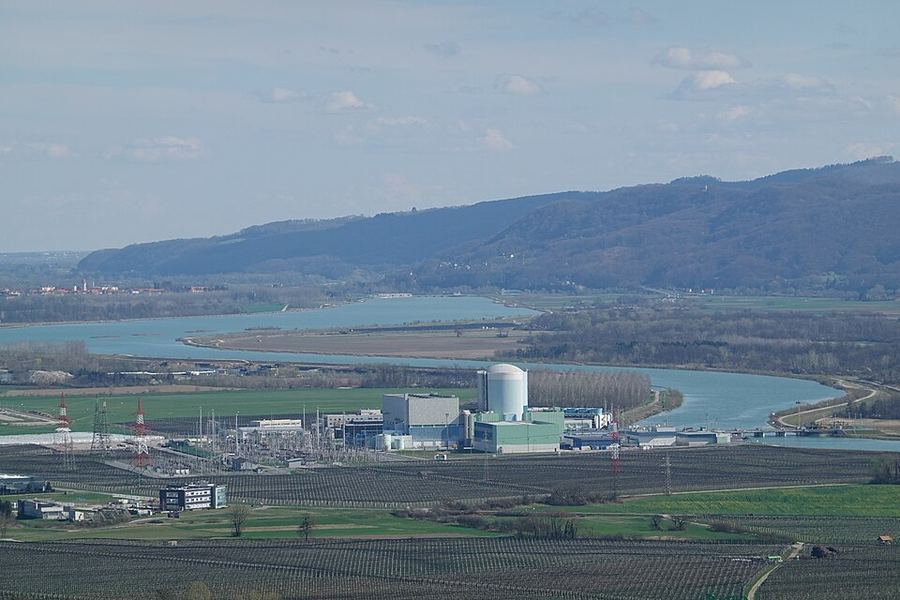
Slovenia spends a relatively high share of national income on research for a country of its size, and its scientific base is anchored by the Jožef Stefan Institute in Ljubljana — the largest research organisation in the country, working across physics, materials, nanotechnology, information science and artificial intelligence — alongside the National Institute of Chemistry and the university faculties. Pharmaceuticals are the standout technological industry: Krka in Novo Mesto and Lek, now part of the Sandoz group, have built substantial capability in generic and biosimilar development and manufacturing, and packaged medicines are the country's single largest export category. Automotive components and the Novo Mesto car plant form the second industrial pillar, with a growing electrification supply chain around it. Slovenia's aerospace contribution is disproportionate to its scale, from Herman Potočnik's 1928 conception of the orbital station to Pipistrel's electric aircraft certification in 2020, and the country's first satellites — a student-built cubesat and a small high-definition imaging platform — reached orbit in 2020. Nuclear power from the jointly Slovene-Croatian plant at Krško supplies a substantial share of electricity, and hydropower on the Sava and Drava most of the rest of the low-carbon supply.
EurostatOECDIEANatureWorld Bank
On The World Stage

Champions & Defining Moments

Slovenia's international results are extraordinary relative to its size. In cycling, Tadej Pogačar has won the Tour de France and the world road race title, while Primož Roglič has taken multiple Grand Tour victories and the Olympic time trial gold at Tokyo in 2020, giving a country of two million two of the sport's dominant riders simultaneously. In sport climbing Janja Garnbret won the first Olympic gold ever awarded in the discipline at Tokyo and retained the title in Paris in 2024, having previously swept entire World Cup seasons unbeaten. Tina Maze won two alpine skiing golds at the Sochi Games in 2014 and holds the record points total for a World Cup season. In basketball the national team won EuroBasket in 2017 undefeated, and Luka Dončić has become one of the leading players in the National Basketball Association; Anže Kopitar captained a Stanley Cup-winning team in the National Hockey League. Ski jumping and ski flying have produced world champions and record holders at Planica, and Slovene rowers, kayakers, judoka and shooters have added Olympic medals. Slovenia is consistently among the highest-ranked nations in the world when Olympic medals are measured per head of population.

Economy, Trade & Government

Currency & GDP

Euro — EUR (€)

GDP (PPP): $103.118 billion (2024 est.)

Per capita: $48,500 (2024 est.)

Exports

$59.159 billion (2024 est.)

packaged medicine, cars, refined petroleum, vehicle parts/accessories, plastic products (2023)

Partners: Switzerland 22%, Germany 12%, Italy 10%, Croatia 8%, Austria 6% (2023)

Imports

$54.583 billion (2024 est.)

nitrogen compounds, packaged medicine, refined petroleum, cars, vaccines (2023)

Partners: Switzerland 17%, China 15%, Germany 11%, Italy 9%, Austria 6% (2023)

Government

Type: parliamentary republic

Independence: 25 June 1991 (from Yugoslavia)

Terrain → Where People Live

How mountains, coasts, and rivers shape settlement (LandScan).

Coming — data

Migration & Ethnic Settlement

Where groups settled and how people move (GeoEPR + UNHCR).

Coming — data

Universities

Notable institutions, mappable as points.

Coming — data
Economy & government facts: CIA World Factbook (public domain), via OpenFactBook / factbook.json.
Every fact and narrative claim will carry a visible source citation. Data-driven sections light up automatically wherever HERA has coverage.