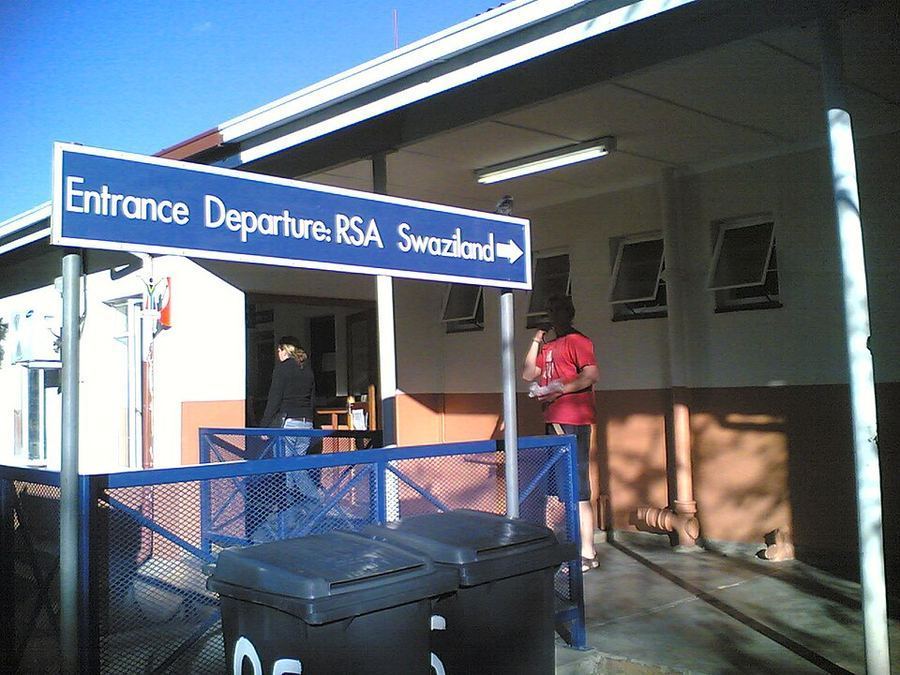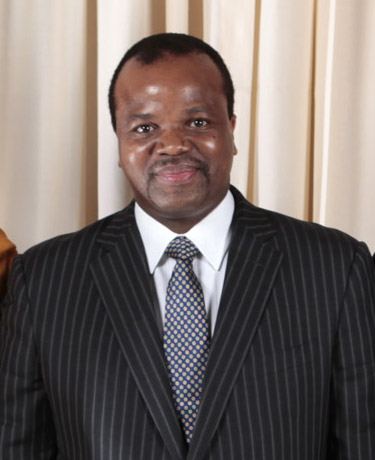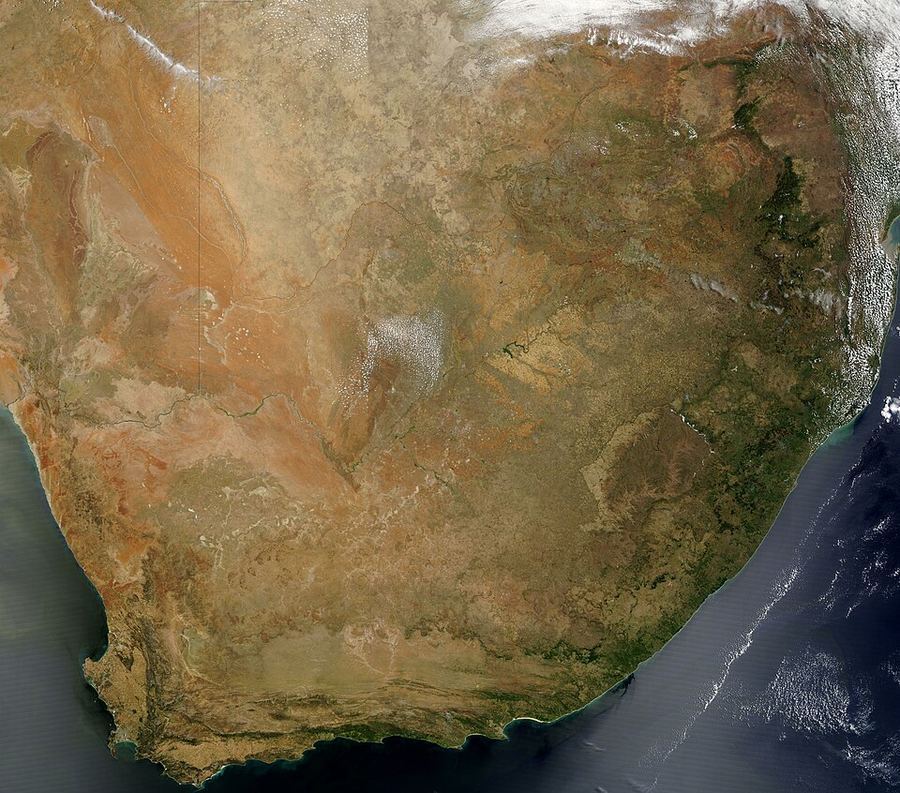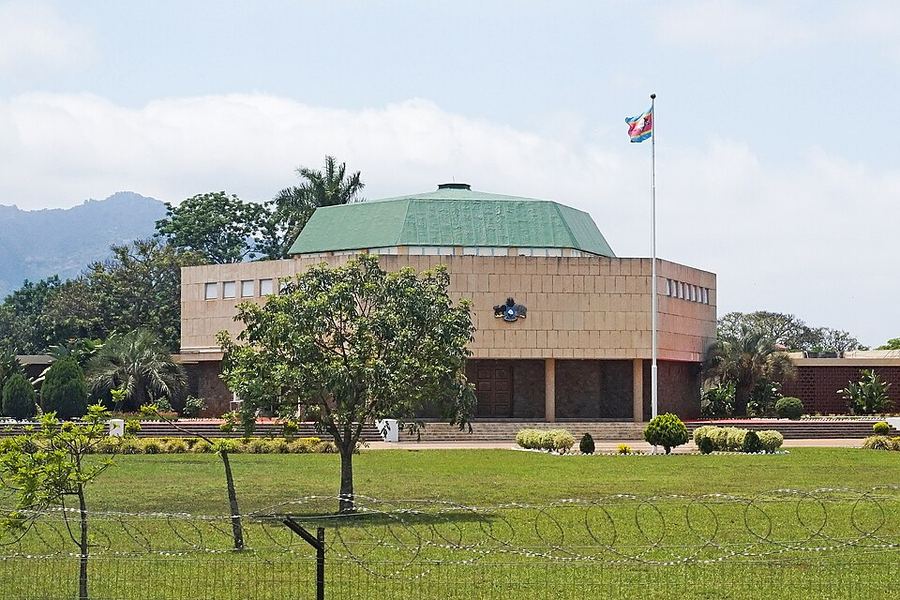
Eswatini is a landlocked kingdom of roughly 1.1 million people in southern Africa, enclosed by South Africa on three sides and bordered by Mozambique along the Lubombo escarpment to the east. It is one of the world's few remaining absolute monarchies: King Mswati III rules alongside the Ndlovukazi, the queen mother, in a dual arrangement that Swazi tradition treats as inseparable. Administration sits in Mbabane while the royal and legislative centre is Lobamba, in the Ezulwini valley. The country took independence from Britain on 6 September 1968 and, on the fiftieth anniversary in April 2018, the king renamed it Eswatini — 'land of the Swazis' — retiring the colonial-era name Swaziland. Its economy is tightly bound to its large neighbour: South Africa takes about 61% of exports and supplies about 71% of imports, the lilangeni is pegged to the rand, and customs-union receipts are a major share of government revenue. Sugar, soft-drink concentrate, forestry products and garments dominate what it sells abroad. Around 90% of the population is Christian, with Zionist churches blending Christian and traditional practice the single largest grouping.
Manzini's urban core is home to about 93,406 people.
Among the world's megacities, though, it's one of many — the giants of Asia and Latin America run larger still:
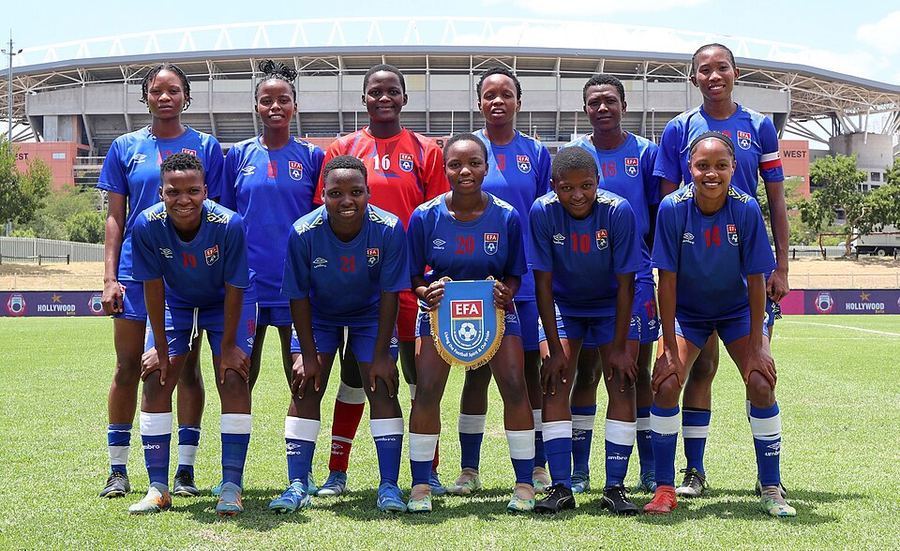
Eswatini has competed at the Summer Olympic Games since Munich in 1972, entering under the name Swaziland until the 2018 change and as Eswatini thereafter, and has not yet won an Olympic medal. Teams are small, usually a handful of athletes in athletics and swimming, and the flag-bearer role has often fallen to the sprinter Sibusiso Matsenjwa. The country is a member of the Commonwealth and sends teams to the Commonwealth Games, where boxing, athletics and weightlifting have provided its most competitive entries. In football, the national side has never reached a FIFA World Cup finals, and its international programme runs mainly through COSAFA's regional tournament and the qualifying rounds for the Africa Cup of Nations. The most consistent route to elite sport for Swazi athletes is across the border: South African clubs, universities and training centres absorb much of the country's talent, and several Swazi footballers have made careers in the South African professional league. Marathon and ultra-distance running, popular across the region, draws Swazi entrants to events in neighbouring South Africa.
GDP (PPP): $12.885 billion (2024 est.)
Per capita: $10,400 (2024 est.)
$2.174 billion (2023 est.)
scented mixtures, raw sugar, industrial acids/oils/alcohols, garments, wood (2023)
Partners: South Africa 61%, Ireland 4%, Mozambique 4%, Kenya 4%, Nigeria 3% (2023)
$2.351 billion (2023 est.)
refined petroleum, electricity, plastic products, cotton fabric, garments (2023)
Partners: South Africa 71%, China 8%, India 4%, USA 2%, Mozambique 1% (2023)
Type: absolute monarchy
Independence: 6 September 1968 (from the UK)
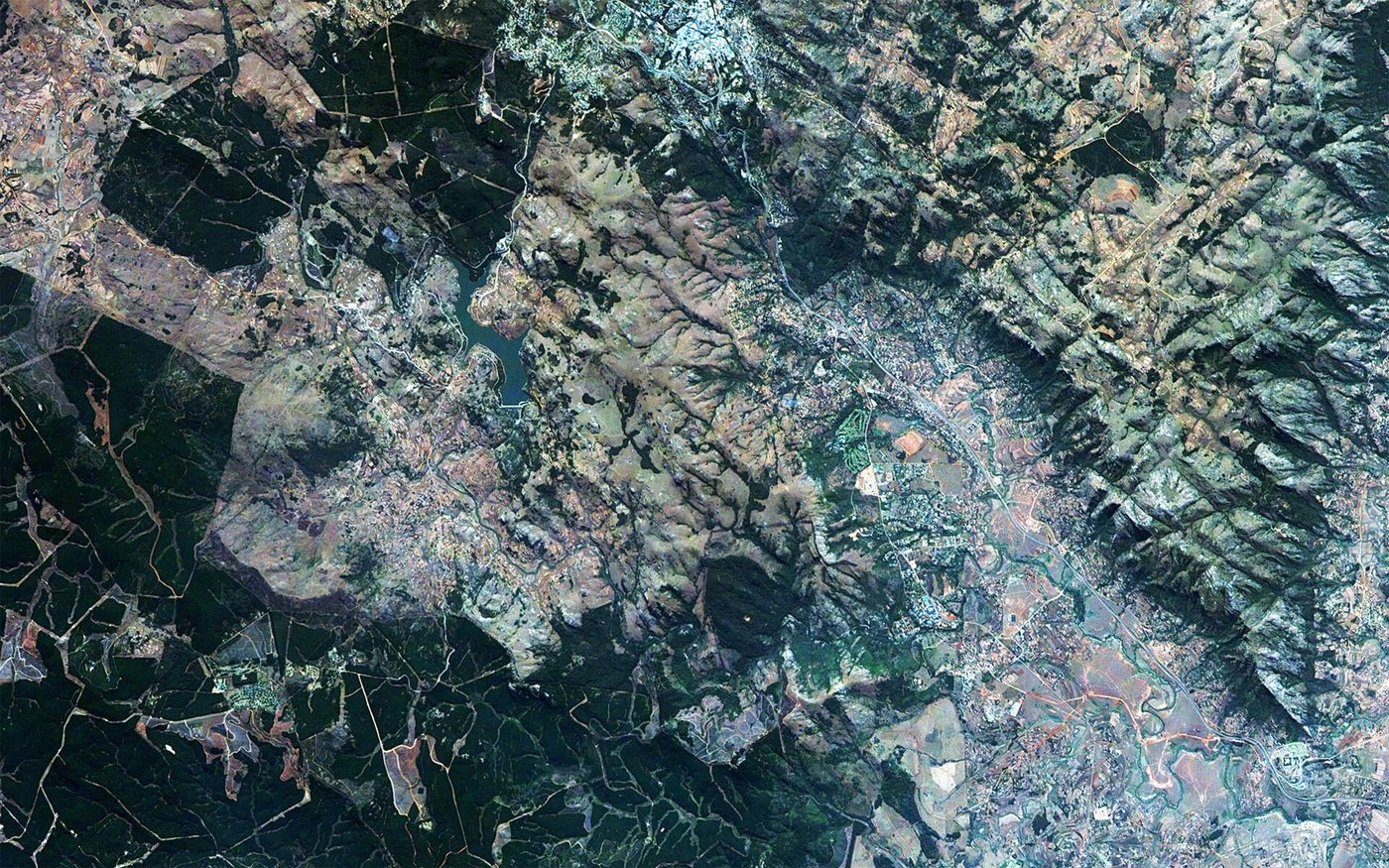
How mountains, coasts, and rivers shape settlement (LandScan).
Coming — dataWhere groups settled and how people move (GeoEPR + UNHCR).
Coming — dataNotable institutions, mappable as points.
Coming — data