HERA · Human Entity Reference Atlas by Masego Inc

← Seychelles 🌐 3D View
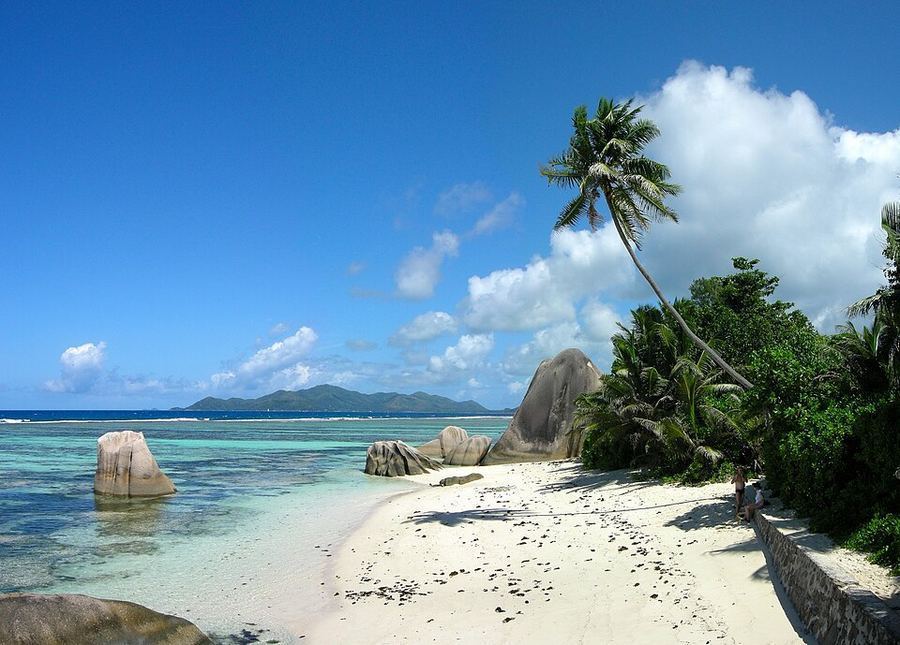
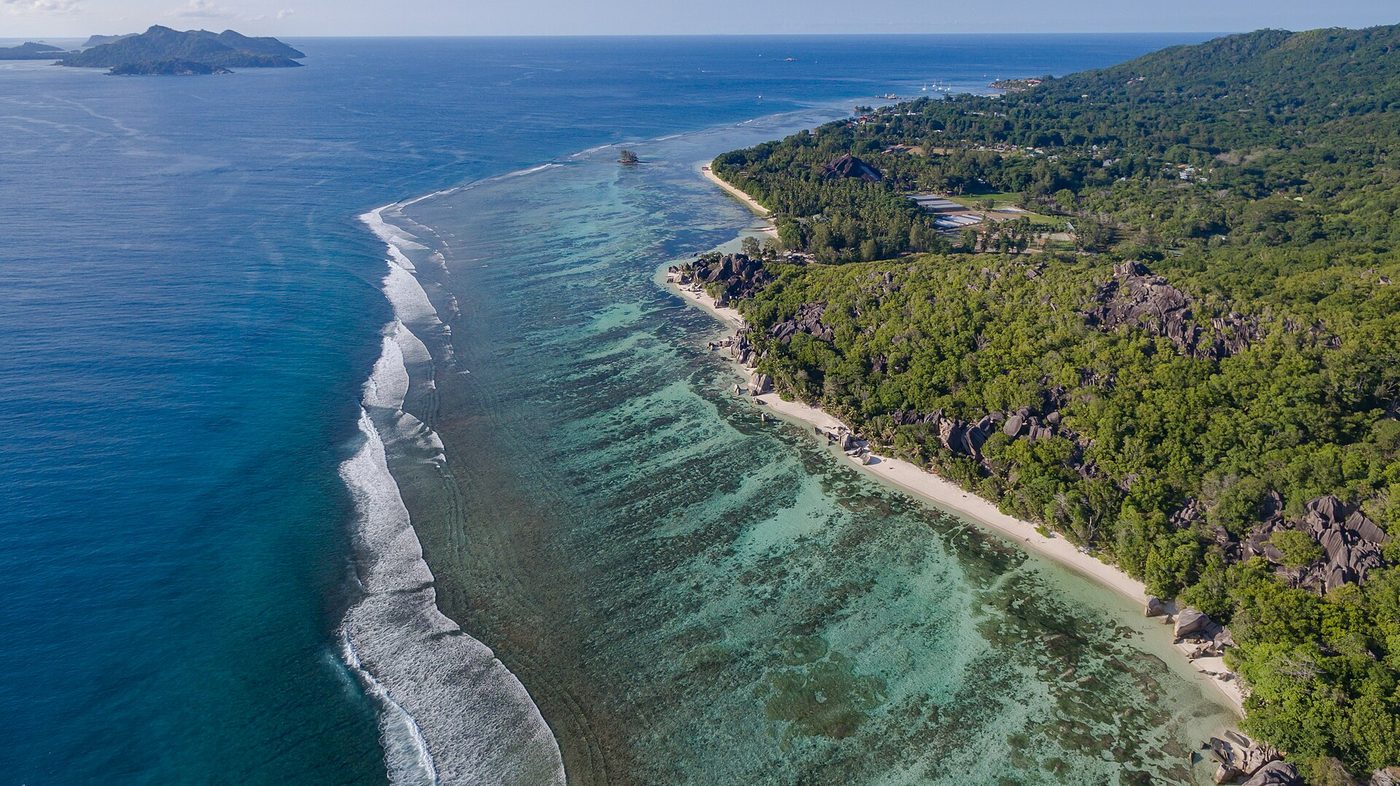
Anse Source d'Argent beach aerial, La Digue Seychelles (39616938791), Seychelles
Seychelles SYC
Anse Source d'Argent beach aerial, La Digue Seychelles (39616938791) — Photo: dronepicr / CC BY 2.0 via Wikimedia Commons
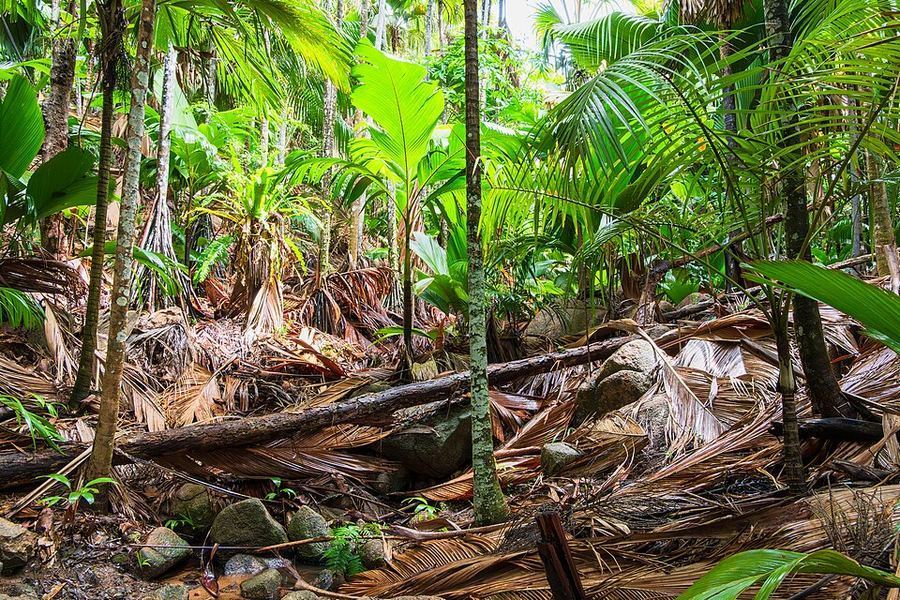
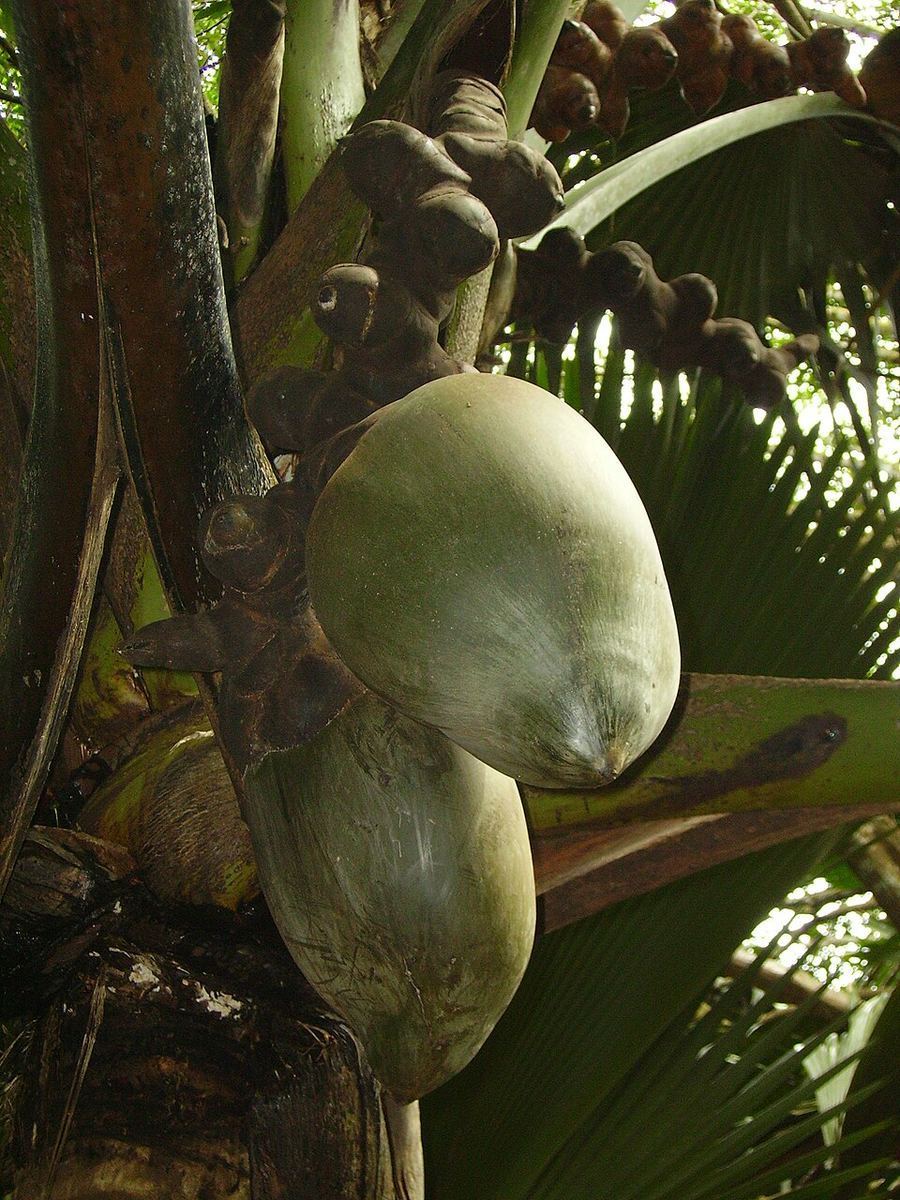
Did You Know The coco de mer palm, which grows wild only in the Vallée de Mai on Praslin and on nearby Curieuse, produces the largest and heaviest seed of any plant in the world; nuts may be sold only under permit and with a certificate. — UNESCO World Heritage Centre

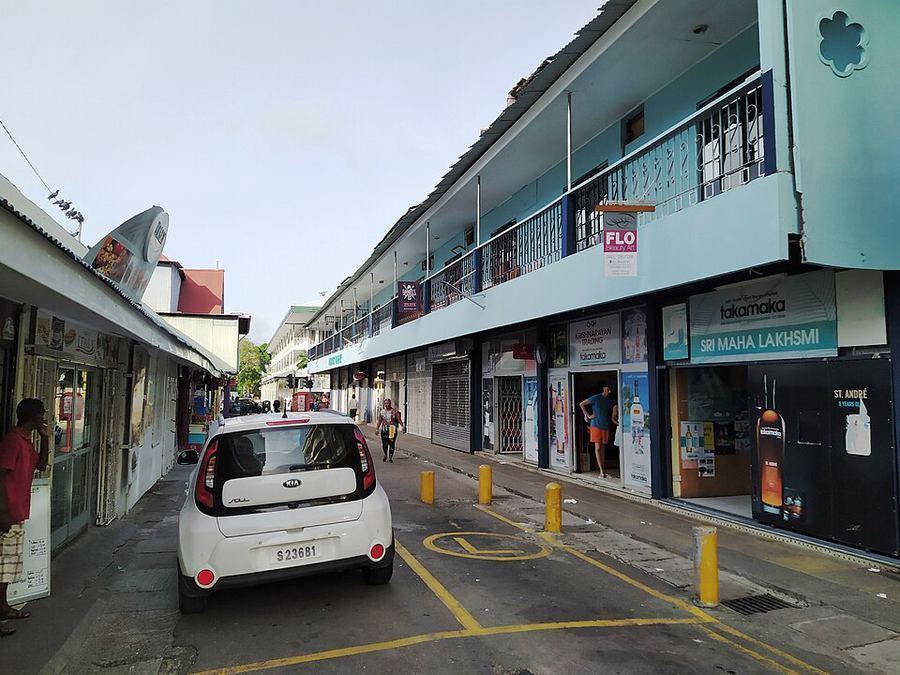
Seychelles is an archipelago republic of about 98,000 people scattered across the western Indian Ocean, some 1,500 kilometres east of the African mainland. Its 115 islands fall into two geologically unrelated groups: a compact inner cluster of granite islands — Mahé, Praslin, La Digue and Silhouette among them — which are fragments of ancient continental crust and the only mid-ocean granitic islands on earth, and a far-flung outer arc of low coral atolls reaching to Aldabra, more than a thousand kilometres southwest. Victoria on Mahé is the capital and the only town of any size; the great majority of Seychellois live on Mahé itself. The islands had no indigenous population, and the modern nation is Creole, formed from French settlement after 1770, the East African and Malagasy people brought in bondage, later Indian and Chinese traders, and British administration from 1814. Seychellois Creole, English and French are all official. Independence came on 29 June 1976. Tourism and tuna dominate an economy that records the highest income per head in Africa, and the state has built an international reputation on marine conservation.

CIA World FactbookEncyclopaedia BritannicaWorld Bank
Population
98,187
Capital
Victoria
Currency
None SCR
Time zones
Largest city
Human Geography Themes
Loading national figures…
The Country & Its People

History

No people lived in Seychelles before the modern era. Arab and Austronesian navigators knew the western Indian Ocean, and an English East India Company expedition recorded a landing on the granitic islands in 1609, but permanent settlement began only in 1770, when a French expedition established a post on Sainte Anne. The archipelago had been claimed for France in 1756 and named for Jean Moreau de Séchelles, finance minister to Louis XV. Planters brought enslaved Africans, mostly from the East African coast and Madagascar, to work spice, cotton and coconut estates on a scale small enough that the colony remained a modest outpost. Britain took the islands during the Napoleonic Wars and confirmed possession under the Treaty of Paris in 1814, administering them as a dependency of Mauritius until 1903, when Seychelles became a crown colony in its own right. Slavery was abolished in 1835, and after 1861 Royal Navy patrols landed freed Africans there, reshaping the population again. Independence came in 1976 under James Mancham; a coup in June 1977 installed France-Albert René, who governed a one-party socialist state until multiparty politics returned in 1991 and a new constitution in 1993.
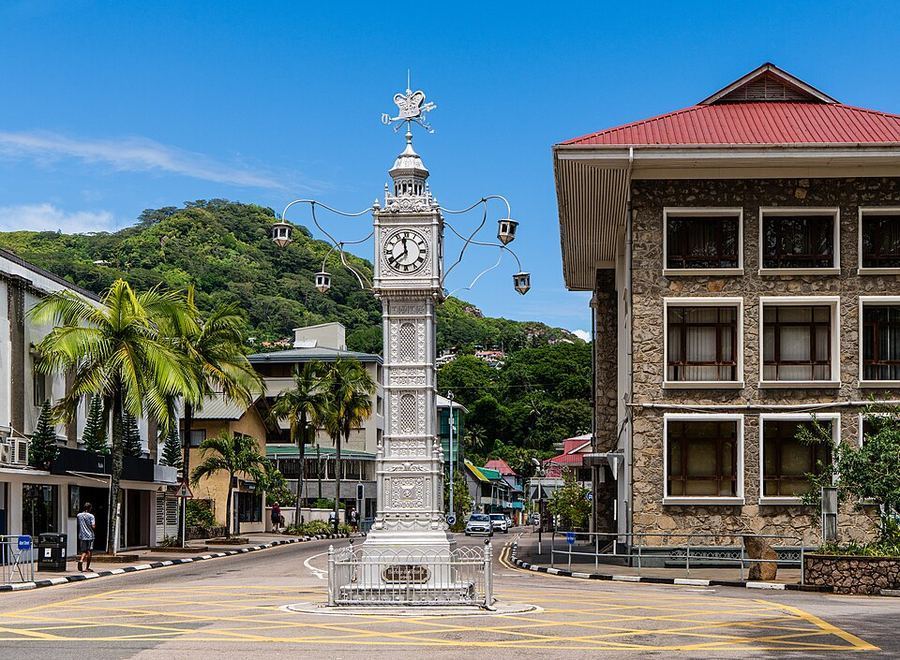
History, Seychelles
NorbertNagel / CC BY-SA 4.0

Culture

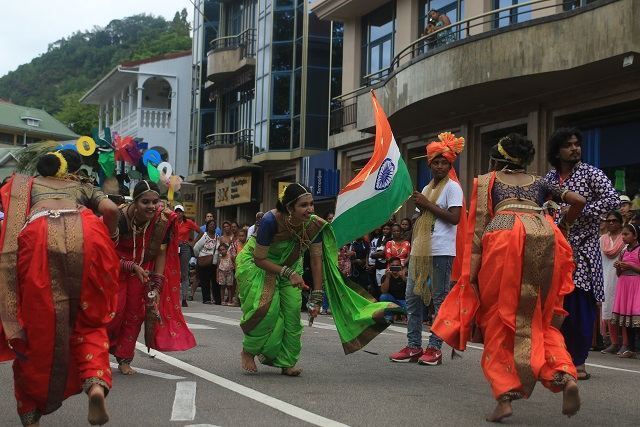
Seychellois culture is Creole in the precise sense: a new culture assembled on islands that had no prior inhabitants, from French planter society, the African and Malagasy majority brought in bondage, and later Indian, Chinese and British arrivals. Kreol Seselwa, a French-lexified creole spoken by nearly nine in ten people as a first language, is the clearest expression of that synthesis and, unusually, holds full official status alongside English and French, with its own orthography and a national institute devoted to it. Roman Catholicism, professed by roughly three-quarters of the population, structures the ritual year, and elements of older belief persist in the folk practice known as gris-gris, long discouraged by both church and state. Family life is often matrifocal, with high rates of household headship by women and a tradition of informal unions alongside church marriage. The Festival Kreol, held each October in Victoria, is the set-piece celebration of language, food, music and craft, and connects Seychelles to the wider Creole-speaking world of Mauritius, Réunion and the Caribbean.
Culture, Seychelles
Joe Laurence / CC BY 4.0

Points Of Pride

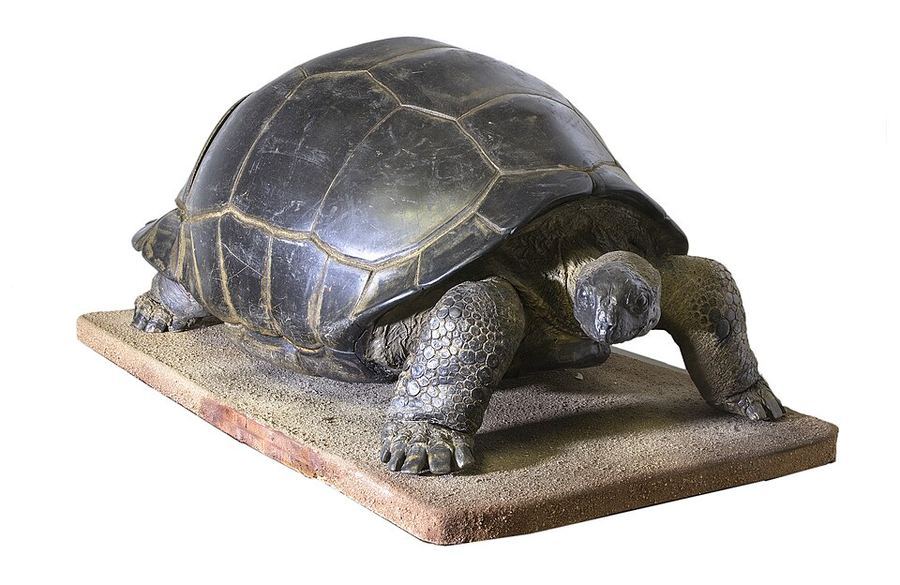
Seychelles holds two UNESCO World Heritage sites, an extraordinary density for a country of a hundred thousand people. Aldabra Atoll, inscribed in 1982, is one of the world's largest raised coral atolls and carries the largest population of giant tortoises anywhere, running to roughly a hundred thousand animals living essentially undisturbed. The Vallée de Mai on Praslin, inscribed in 1983, is the natural home of the coco de mer palm, whose nut is the largest seed produced by any plant. Conservation is a national identity as much as a policy: Seychelles restructured sovereign debt in a swap with conservation financiers, issued the world's first sovereign blue bond in 2018 to finance marine projects, and used a marine spatial plan to place around thirty per cent of its vast exclusive economic zone under protection. It also records the highest income per head on the African continent. Politically, the 2020 presidential election produced the first transfer of power to an opposition candidate since independence, achieved peacefully and conceded promptly.
Points Of Pride, Seychelles
NorbertNagel / CC BY-SA 4.0

Cultural Fusion

Every strand of Seychellois life is a compound. The language is built on French vocabulary carried by African and Malagasy speech patterns; the surnames of the population are overwhelmingly French while ancestry is predominantly African; the cooking marries French technique to Indian spice and Southeast Asian coconut. Successive arrivals kept adding: enslaved East Africans and Malagasy before 1835, liberated Africans landed by Royal Navy anti-slavery patrols after 1861, indentured and free Indian traders who built the commercial life of Victoria and gave the country a small Hindu and Muslim community, and Chinese merchants whose shops were fixtures of island towns. British rule left the legal system, the school structure and English as the language of administration, while French survived in the church and in family usage. Music shows the seam most plainly: the drum-driven moutya descends from the enslaved, while the violin-and-accordion kanmtole reworks European ballroom dances. Even the national dish list moves between a French-style fish court-bouillon and an Indian-derived curry finished with coconut milk.
Cultural Fusion, Seychelles
Radosław Botev / CC BY-SA 4.0

Music & Dance

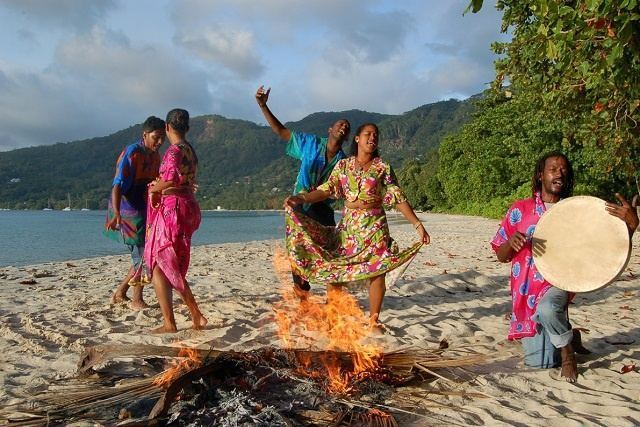
The oldest Seychellois form is the moutya, a slow, close dance performed to a single skin drum heated over a fire to tighten it, with call-and-response singing that carried the grievances of the enslaved and was long banned by colonial authorities and the church. UNESCO inscribed the moutya on its Representative List of the Intangible Cultural Heritage of Humanity in 2021, formalising a revival that had already been underway through the Festival Kreol. Alongside it the faster sega, shared with Mauritius and Réunion, is the popular dance of celebration. The kanmtole is the European inheritance — contredanse, waltz, polka and mazurka played on violin, accordion, banjo and triangle at weddings and village halls — and the kontredans preserves the figures of eighteenth-century French court dancing in island form. Older instruments survive in the hands of specialists: the zez, a monochord zither with a calabash resonator, the musical bow known as the bonm, and the makalapo ground bow. Contemporary Seychellois popular music sets Creole lyrics over sega and reggae rhythms, with Patrick Victor among the best-known recording artists.
Music & Dance, Seychelles
Gerard Larose, Seychelles Tourism Board / CC BY 4.0

Cuisine & Misattributed Foods

Seychellois cooking is fish, coconut and spice. Tuna, red snapper, bourgeois and job are grilled whole over coals with a chilli-and-ginger paste, or simmered as a Creole bouillon; octopus curry — kari zourit, finished with thick coconut milk — is close to a national dish. Satini reken, a chutney of boiled shark flesh mashed with bilimbi juice and lime, is a distinctive local preparation, as is the curry made from fruit bat, which remains a genuine if now occasional island dish. Breadfruit is the historic starch, roasted, fried into chips or cooked in coconut milk with plantain and sweet potato as ladob, a dish served either savoury with salt fish or sweet with vanilla and nutmeg. Rice, imported and universal, accompanies almost every meal. Spices reflect the colonial plantation economy — cinnamon, vanilla, nutmeg and clove all grew here — and lime, chilli and green mango cut the richness. Takamaka rum is distilled on Mahé from cane, and island lore holds that anyone who eats breadfruit will return to Seychelles.
Cuisine & Misattributed Foods, Seychelles
Gerard Larose (Seychelles Tourism Board) / CC BY 1.0

National Dress

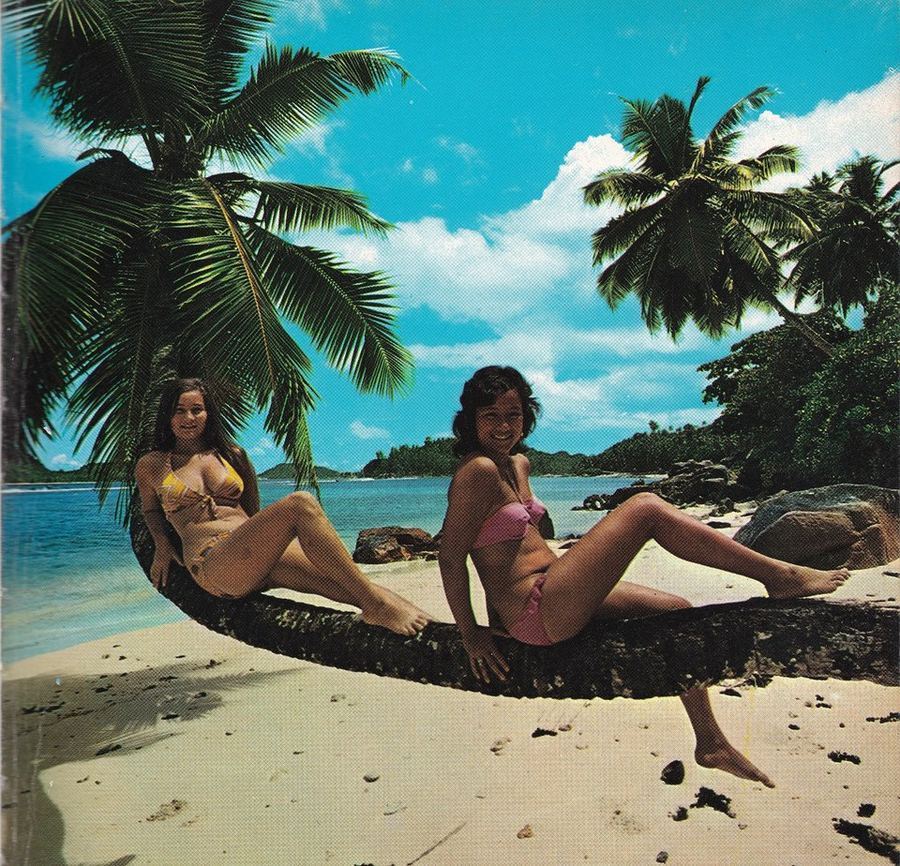
Seychelles has no codified national costume of the kind found in older states, which is unsurprising in a country founded by settlement rather than by an indigenous tradition; what functions as national dress is Creole festival wear, worn for the Festival Kreol, for moutya and sega performance, and for national days. For women that means a long, full-skirted cotton dress in bright printed fabric, often flounced at the hem and gathered at the waist, worn with a headscarf tied above the brow and simple hoop earrings — a silhouette derived from nineteenth-century plantation clothing and shared in outline with the Creole dress of Mauritius and Réunion. Men wear a loose white or light shirt, sometimes with rolled trousers and a straw hat, evoking fishermen's and field workers' clothing. Bare feet are traditional for moutya dancers. Everyday dress is otherwise entirely modern and light: the tropical climate and the tourism economy have made shorts, cotton shirts and the wrapped pareo standard, and formal occasions follow international convention, with the printed Creole dress reserved for cultural performance and celebration.
National Dress, Seychelles
Photography by Dino Sassi - Marcel Fayon, Photo Eden LTD / Public domain

Sports & Inspiring Athletes

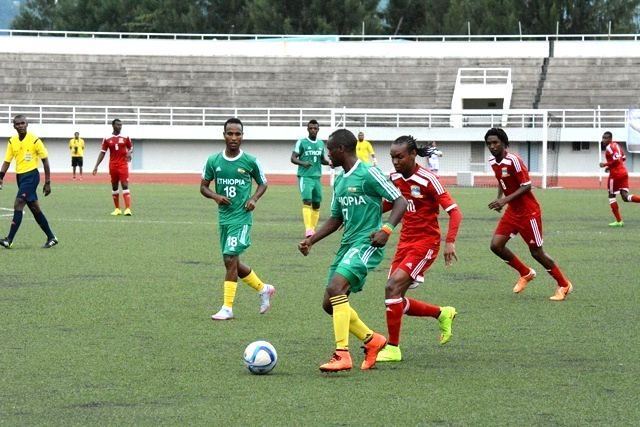
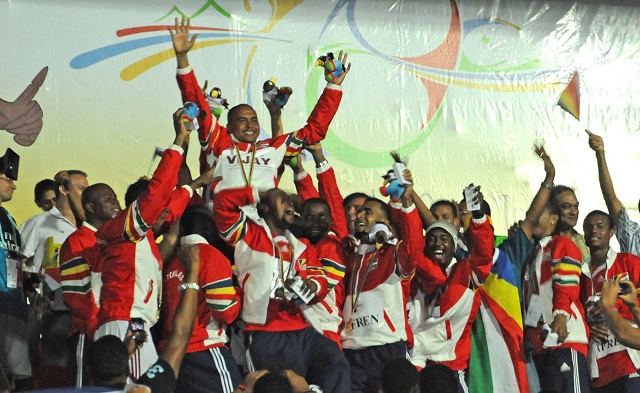
Football is the most played and most watched sport, organised through a national league on Mahé and internationals at Stad Linite in Victoria, and the small national side plays in African qualifying competition and in regional tournaments. Basketball and volleyball are strong in schools and district clubs, and athletics provides most of the country's international entrants. Given the geography, water sport is where Seychelles is genuinely competitive: sailing, windsurfing, kayaking and open-water swimming are widely practised, and sport fishing draws an international circuit to the outer islands. The regional showcase is the Indian Ocean Island Games, a multi-sport competition among Seychelles, Mauritius, Madagascar, Réunion, Comoros and Maldives, which Seychelles has hosted more than once and where its athletes win their most substantial international honours. Boxing has produced some of the country's better-known competitors, and cycling, rugby sevens and squash have small but active followings. School sport is supported by a compact state system in which the same facilities serve clubs and national squads.
CIA World FactbookCommonwealth Games FederationFIFA
Sports & Inspiring Athletes, Seychelles
Patrick Joubert, Seychelles News Agency / CC BY 4.0

Notable Educational Programs

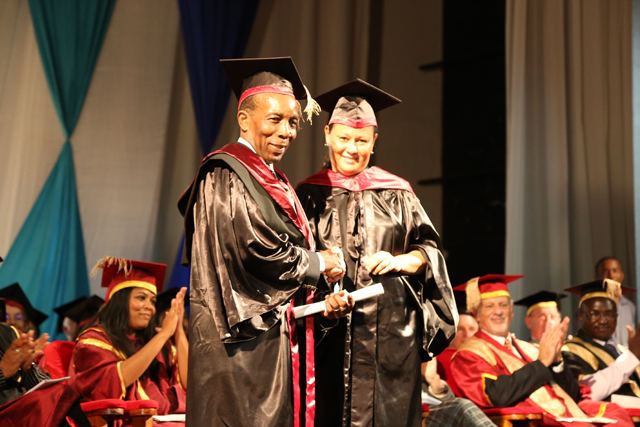
Seychelles built one of Africa's most complete state education systems after 1977, making schooling free and compulsory and pushing adult literacy to among the highest levels on the continent. The structure runs through crèche, six years of primary and five of secondary schooling, with the post-secondary stage delivered through a network of specialised professional centres rather than a single comprehensive college — among them the Seychelles Institute of Technology, the Maritime Training Centre, the Seychelles Tourism Academy, the National Institute for Health and Social Studies and the Seychelles Business Studies Academy. The University of Seychelles, opened in 2009 with a campus at Anse Royale, gave the country its first degree-granting institution and works in partnership with overseas universities; before that, and still for many fields, Seychellois students took government scholarships to study abroad, principally in the United Kingdom, Australia, India and Africa. Kreol Seselwa is used as the medium of instruction in the earliest years before the transition to English, a policy that made Seychelles an early adopter of creole-medium schooling.
Notable Educational Programs, Seychelles
Jude Morel (Seychelles News Agency) / CC BY 1.0

Wars & Conflicts

Seychelles has never fought a war, but its first decade of independence was violent. A coup in June 1977 removed President James Mancham while he was abroad and installed France-Albert René, who suspended the constitution and established a one-party state. In November 1981 a group of mercenaries led by the former Congo commander Mike Hoare arrived at Mahé airport posing as a holidaying beer-drinkers' club with weapons concealed in their luggage; a customs search exposed them, a firefight broke out at the terminal, and most of the party escaped by hijacking an Air India jet to Durban, where they were later tried in South Africa. An army mutiny followed in 1982 and was put down with Tanzanian assistance, and further plots were alleged through the decade. Multiparty politics were restored in 1991 and a new constitution adopted in 1993. The more recent security problem has come from the sea: Somali piracy reached Seychellois waters from around 2009, seizing vessels and disrupting the tuna fleet, and the country hosted international naval patrols and prosecuted and imprisoned convicted pirates in its own courts.
Current as of 2026-08-07
Wars & Conflicts, Seychelles
Photography by Dino Sassi - Marcel Fayon, Photo Eden LTD / Public domain

Land & Border Disputes

Seychelles has no contested land border, but its maritime interests are extensive and were shaped by a colonial partition it later reversed. In 1965 Britain detached Aldabra, Farquhar and Desroches from the colony to form the British Indian Ocean Territory; those islands were returned to Seychelles at independence in 1976, while the Chagos Archipelago remained with the territory and became the subject of a long dispute between Britain and Mauritius, which Seychelles has supported at the United Nations. Where its own claims are concerned the country has generally chosen cooperation over contest: Seychelles and Mauritius made a joint submission to the Commission on the Limits of the Continental Shelf over the Mascarene Plateau and then agreed to manage the resulting extended shelf area jointly, an arrangement often cited as a model for shared seabed governance. Maritime boundaries with Tanzania, Comoros, Madagascar and France's Indian Ocean territories have been addressed by agreement. The sharpest recent controversy was domestic rather than international: a proposed Indian naval facility on Assumption Island, which the National Assembly declined to ratify in 2018.
Land & Border Disputes, Seychelles
David Stanley from Nanaimo, Canada / CC BY 2.0
Land, Life & Legacy

Land & Climate

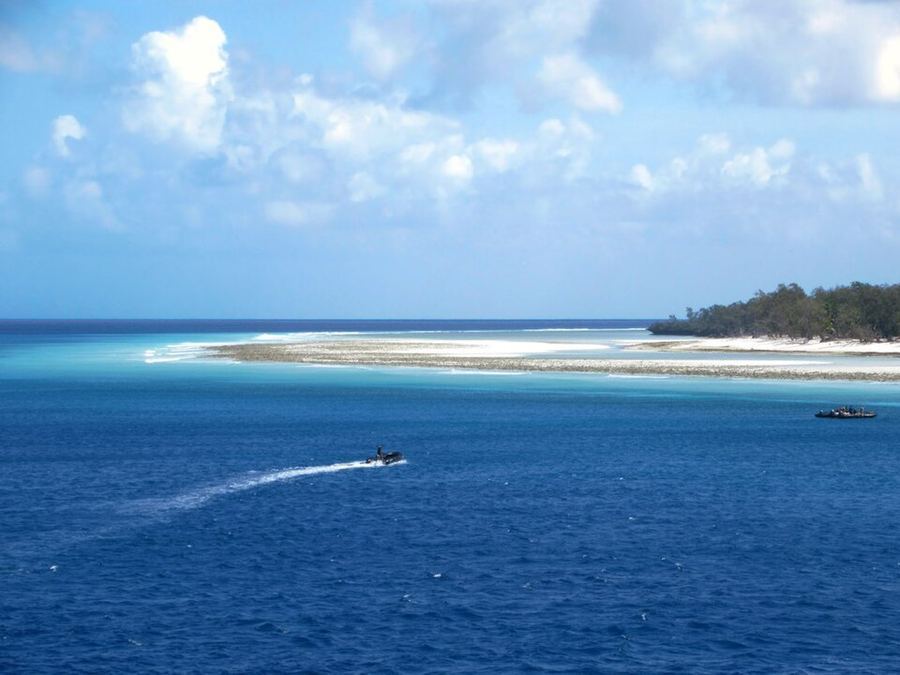
The land area of Seychelles is tiny — a little over 450 square kilometres across 115 islands — while its exclusive economic zone covers well over a million square kilometres of ocean, a ratio that defines almost everything about the country. The inner islands are granite, remnants of the continental fragment left when the Indian plate separated from Africa, and rise steeply: Morne Seychellois on Mahé reaches about 905 metres, and the islands' interiors are forested ridges falling to narrow coastal plains and boulder-strewn beaches. The outer islands are low coral atolls and sand cays, including the Amirantes, Farquhar and Aldabra groups, few of them permanently inhabited. The climate is tropical maritime and remarkably even, with temperatures varying little through the year. The northwest monsoon blows from November to March, bringing the heaviest rain, and the cooler southeast trades run from May to September. The granitic islands lie largely outside the main cyclone belt, though outer atolls are exposed, and Farquhar was severely damaged by a cyclone in 2016. Coral bleaching and sea-level rise are the defining environmental threats.
Land & Climate, Seychelles
Tobias Alt, Tobi 87 / CC BY-SA 4.0

Entertainment

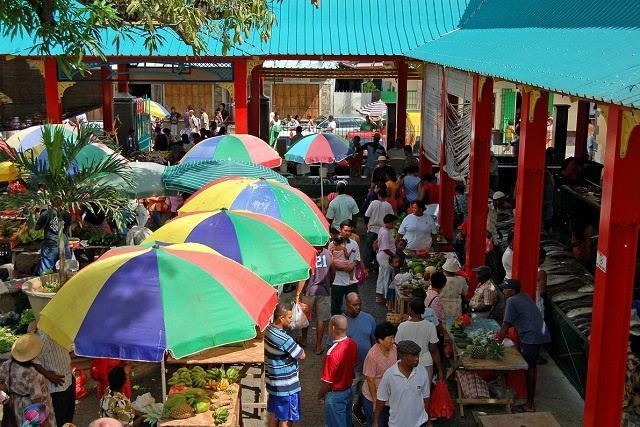
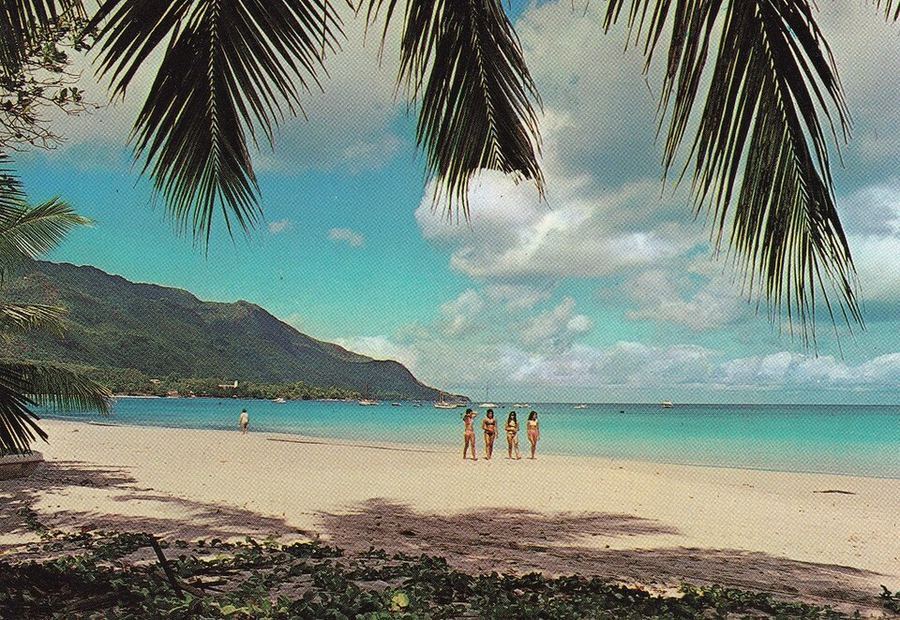
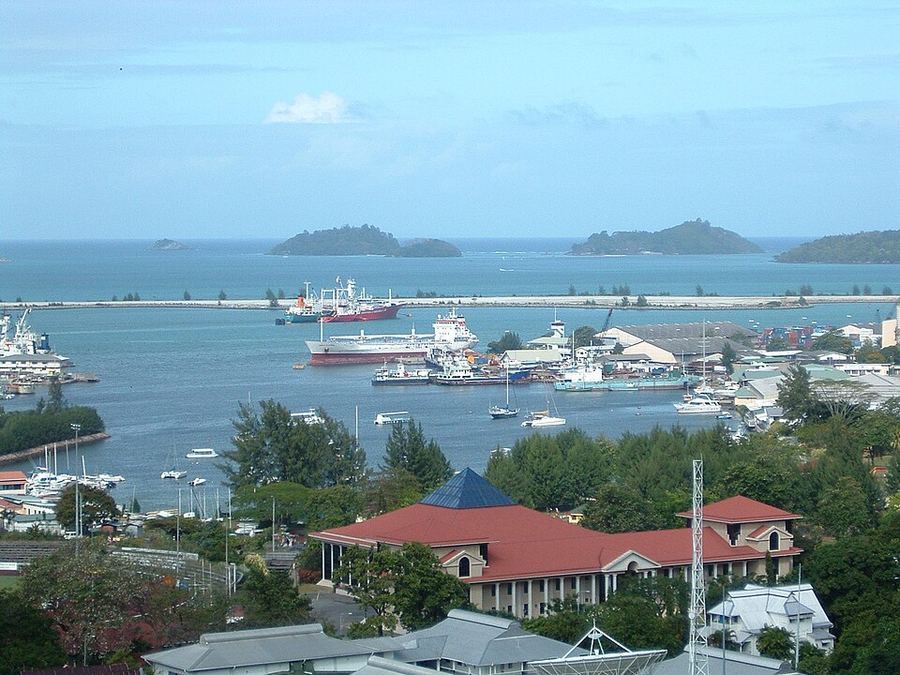
Life outdoors and in the water shapes most Seychellois leisure. Diving and snorkelling on the granite reefs, big-game and sport fishing for sailfish and tuna, sailing between the inner islands and kayaking in the sheltered bays are the mainstays, and Beau Vallon on Mahé is the beach around which weekend life on the main island revolves. Anse Source d'Argent on La Digue, with its sculpted granite boulders, is among the most photographed shorelines anywhere, and La Digue itself is largely navigated by bicycle and ox-cart rather than car. Walking trails run through Morne Seychellois National Park and the Vallée de Mai, and the Copolia and Glacis trails give the classic view over Victoria's harbour. Sunday markets, the Sir Selwyn Selwyn-Clarke market in Victoria, church and extended family gatherings, and domino and card games fill the rest of the week. Football on any available flat ground, basketball courts in the districts, and the Festival Kreol each October give the calendar its communal high points.
Entertainment, Seychelles
Photography by Dino Sassi - Marcel Fayon, Photo Eden LTD / Public domain

Art & Museums

For a country of a hundred thousand people Seychelles has an unusually visible visual arts scene, largely because the landscape itself has been its subject. Michael Adams, who settled on Mahé and worked from a studio above Anse aux Poules Bleues, built an international following with dense, saturated silkscreen prints of Seychellois vegetation and light, and his work did much to establish an island visual idiom. George Camille has worked across painting, printmaking and sculpture with materials drawn from the islands themselves. The National Arts Council and the Domaine de Val des Prés craft village on Mahé support a wider body of makers working in batik, coconut and takamaka wood carving, model pirogues, shell and coral craft, and jewellery, with strict rules governing the coco de mer nut, which may be sold only under permit and with a certificate. Literature is written in all three official languages, and the state has invested in Kreol Seselwa as a literary medium through the Lenstiti Kreol, publishing poetry, folk tales and translations to build a written tradition for a language standardised only in the late twentieth century.
Art & Museums, Seychelles
WL~commonswiki / CC BY-SA 3.0

Notable People

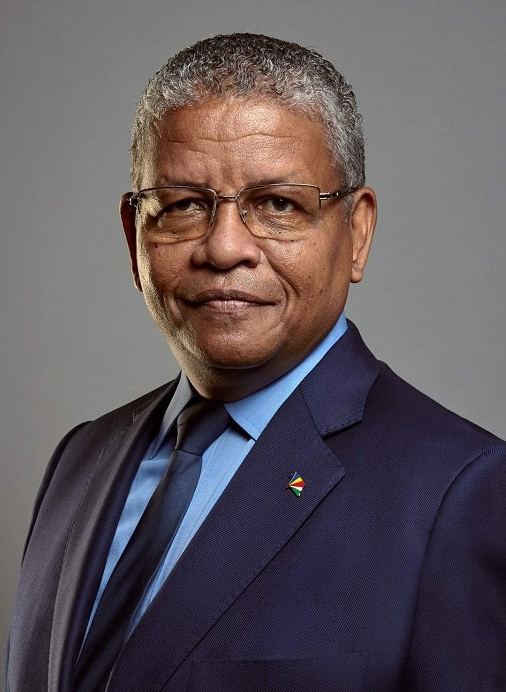
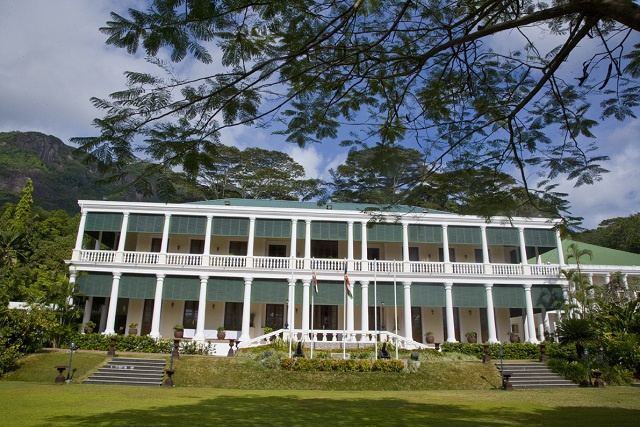
Antoine Abel is regarded as the founder of Seychellois literature, writing poetry, folk tales and drama in French and Creole and giving the islands their first substantial body of published imaginative work. James Mancham, the country's first president, led Seychelles to independence in 1976, was deposed the following year and spent long periods in exile, publishing memoirs and verse and later returning as an advocate of reconciliation. France-Albert René, who took power in the 1977 coup, dominated national life for nearly three decades, building the welfare and education systems that underpin the country's social indicators while suppressing opposition, and stepped down in 2004 in favour of James Michel. Wavel Ramkalawan, an Anglican priest of Gujarati descent who contested the presidency repeatedly from the 1990s, won in 2020 to complete the first opposition victory since independence. In conservation, the long-running work on the Seychelles warbler and on Aldabra has made the islands a fixture in international scientific literature and given Seychellois researchers a disproportionate presence in tropical island ecology.
Notable People, Seychelles
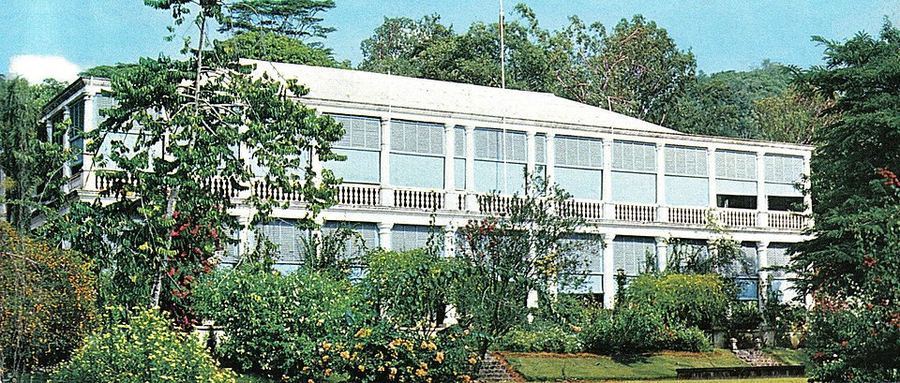
State House, Seychelles / CC BY 4.0

Inventions & Breakthroughs

Seychelles has made its mark through financial and regulatory invention rather than through technology. In 2018 it issued the world's first sovereign blue bond, raising capital on international markets explicitly for fisheries management and marine conservation and creating a template that other ocean states have since followed. That built on an earlier and equally novel transaction, a debt restructuring in which conservation financiers bought a portion of the country's external debt in exchange for binding commitments to protect ocean territory, the proceeds channelled through a domestic trust. The commitments were then delivered through a marine spatial plan covering the entire exclusive economic zone, which placed roughly a third of that ocean area under protection and demonstrated that a very small state can plan at oceanic scale. Domestic invention is otherwise the practical kind: the pirogue and the outrigger fishing craft adapted to reef passes, the drum-heating technique that gives the moutya its sound, and the strict permit and certification system devised to keep the coco de mer nut in commerce without emptying the Vallée de Mai.
Inventions & Breakthroughs, Seychelles
No machine-readable author provided. Clipper assumed (based on copyright claims). / CC BY 2.5

Science & Technology

Science in Seychelles is overwhelmingly marine and biological, and it carries influence far out of proportion to the country's size. Aldabra, managed by the Seychelles Islands Foundation with a permanent research station, is one of the least disturbed large atolls on earth and a reference site for studies of giant tortoise ecology, seabird colonies and reef systems. The Seychelles warbler, reduced in the 1960s to a few dozen birds on Cousin Island and recovered through translocation to other islands, has become one of the longest-running individually monitored wild bird populations anywhere and a standard case in evolutionary and conservation biology. Coral bleaching in 1998 and 2016 made Seychellois reefs a closely watched natural experiment in recovery, and reef restoration projects have transplanted nursery-grown coral at scale. The marine spatial plan, the blue bond and the associated conservation trust gave the country a role in developing ocean finance. Applied capacity elsewhere is thinner: the University of Seychelles is young and small, and the country relies on international partnerships for most research infrastructure.
NatureScienceUNESCOWorld Bank
Science & Technology, Seychelles
Roger Culos / CC BY-SA 4.0
On The World Stage
Champions of Seychelles

Champions & Defining Moments

Seychelles first appeared at the Summer Olympic Games in 1980 and has entered every edition since, typically with a small team in athletics, swimming, sailing, boxing and judo, and has yet to win an Olympic medal — a distinction it shares with most states of comparable population. It competes at the Commonwealth Games and at the African Games, and it is a founder participant in the Indian Ocean Island Games, which since 1979 has been the arena where Seychellois athletes contend for titles against genuinely comparable competition. In football the national team has never reached a World Cup or an Africa Cup of Nations finals, and its international programme runs through qualifying rounds and the regional COSAFA competition. Sailing is the discipline in which the country's geography most closely matches the demands of the sport, and Seychellois sailors have carried the flag at Olympic regattas. For most elite athletes the practical path involves training abroad, since domestic facilities and the depth of local competition are limited by a population smaller than that of many single towns elsewhere.

IOCOlympediaFIFACommonwealth Games Federation
Government & Leadership

Presidential republic

Seat of the executive

Executive

Patrick Herminie — PresidentUS

In office since 26 October 2025

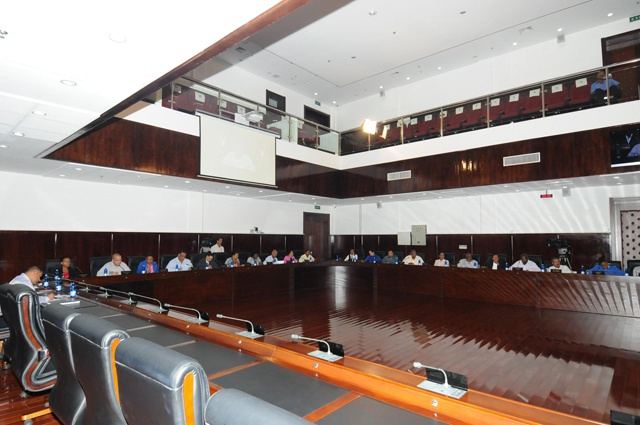
The legislature

National Assembly

Unicameral

Composition — US majority

US 19 · Seychelles Democratic Alliance (Linyon Demokratik Seselwa, LDS) 15

Last election 9/27/2025 · 26.5% women

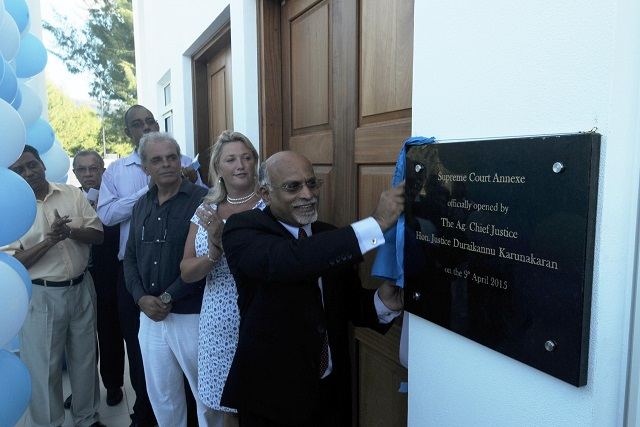
The highest court
The highest court — Patrick Joubert, Seychelles News Agency / CC BY 4.0

Seychelles Court of Appeal

consists of the court president and 4 justices); Supreme Court of Seychelles (consists of the chief justice and 9 puisne judges); Constitutional Court (consists of 3 Supreme Court judges

Economy, Trade & Government

Currency & GDP

Seychelles Rupee — SCR (None)

GDP (PPP): $3.549 billion (2024 est.)

Per capita: $29,200 (2024 est.)

Exports

$2.375 billion (2023 est.)

fish, scrap iron, animal meal, broadcasting equipment, ships (2023)

Partners: France 20%, Mauritius 12%, UK 9%, Japan 8%, Italy 8% (2023)

Imports

$2.437 billion (2023 est.)

refined petroleum, fish, ships, cars, plastic products (2023)

Partners: UAE 32%, Spain 10%, France 6%, South Africa 6%, India 6% (2023)

Government

Type: presidential republic

Independence: 29 June 1976 (from the UK)

Terrain → Where People Live

How mountains, coasts, and rivers shape settlement (LandScan).

Coming — data

Migration & Ethnic Settlement

Where groups settled and how people move (GeoEPR + UNHCR).

Coming — data

Universities

Notable institutions, mappable as points.

Coming — data
Economy & government facts: CIA World Factbook (public domain), via OpenFactBook / factbook.json.
Every fact and narrative claim will carry a visible source citation. Data-driven sections light up automatically wherever HERA has coverage.