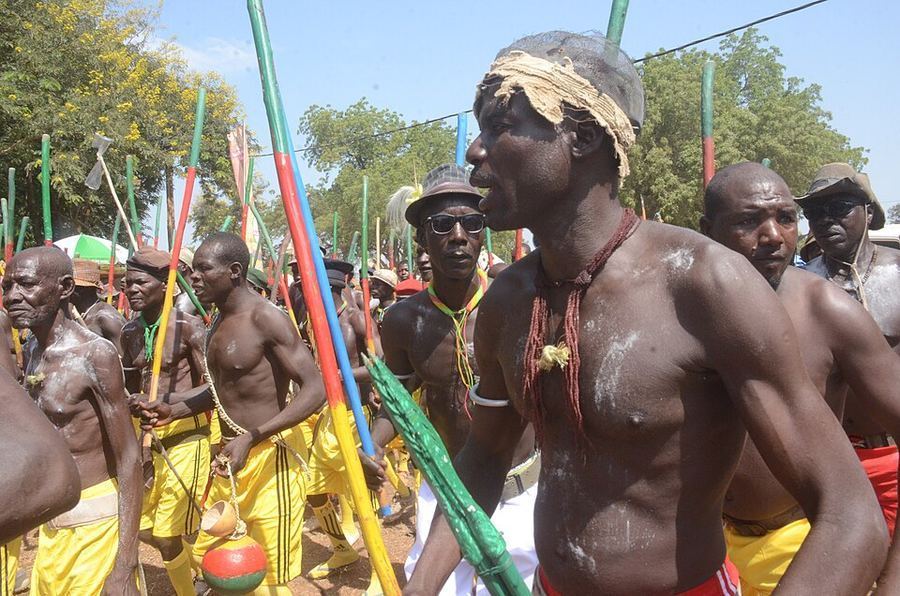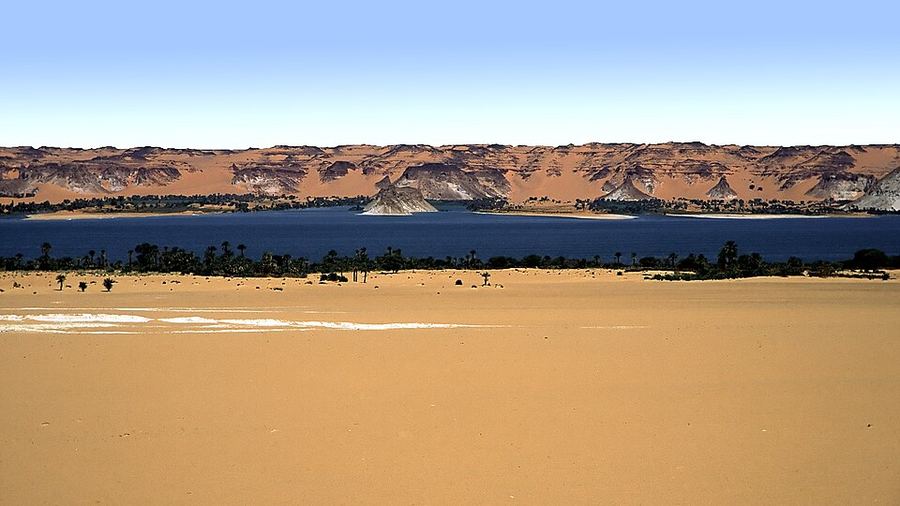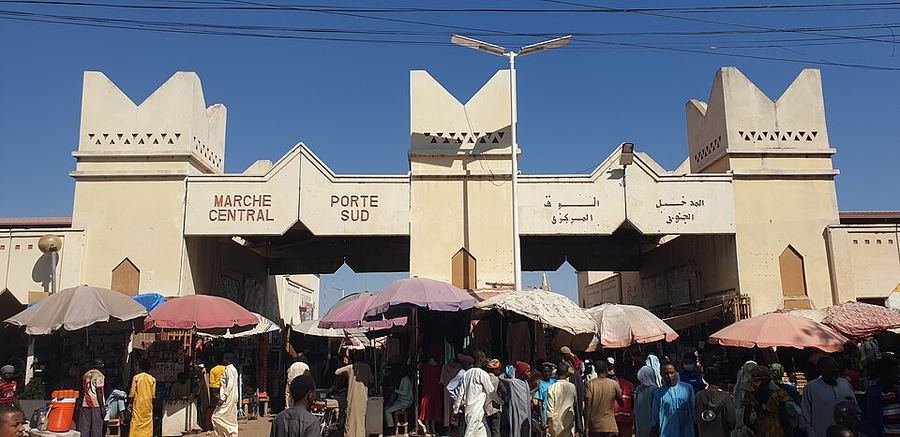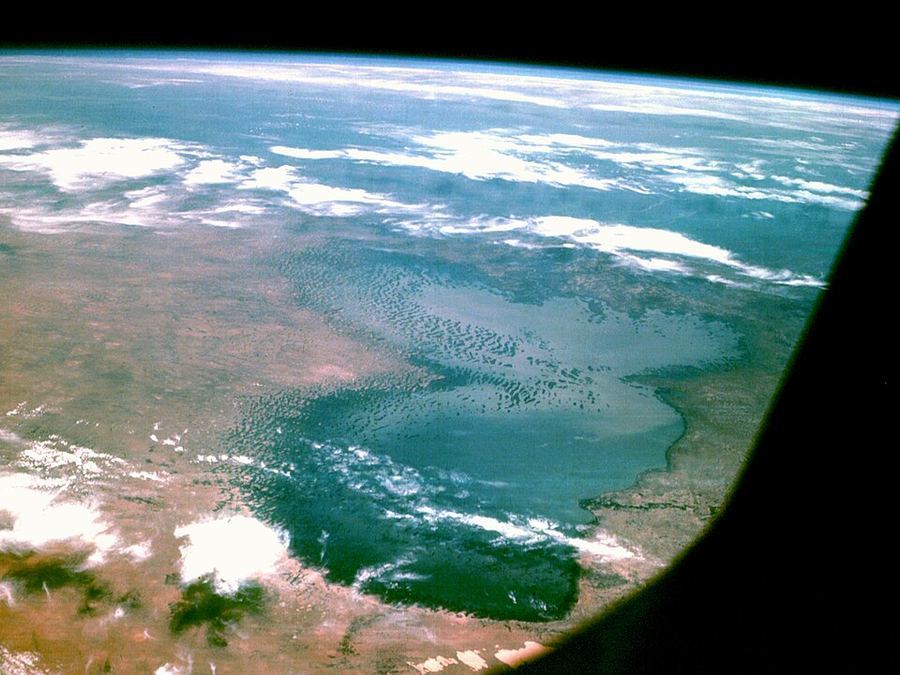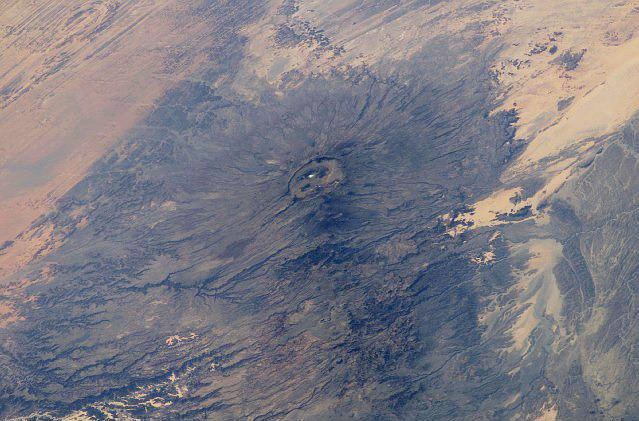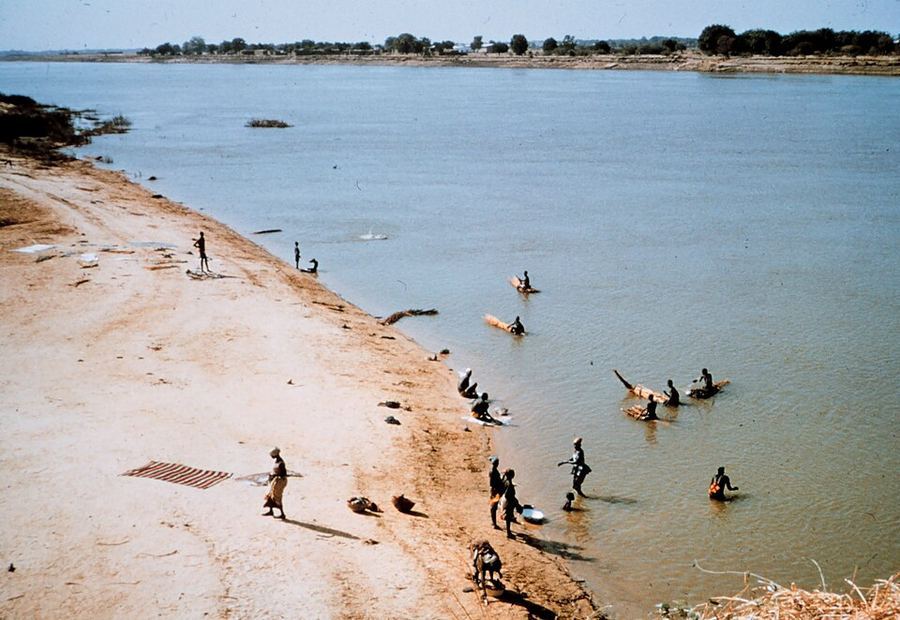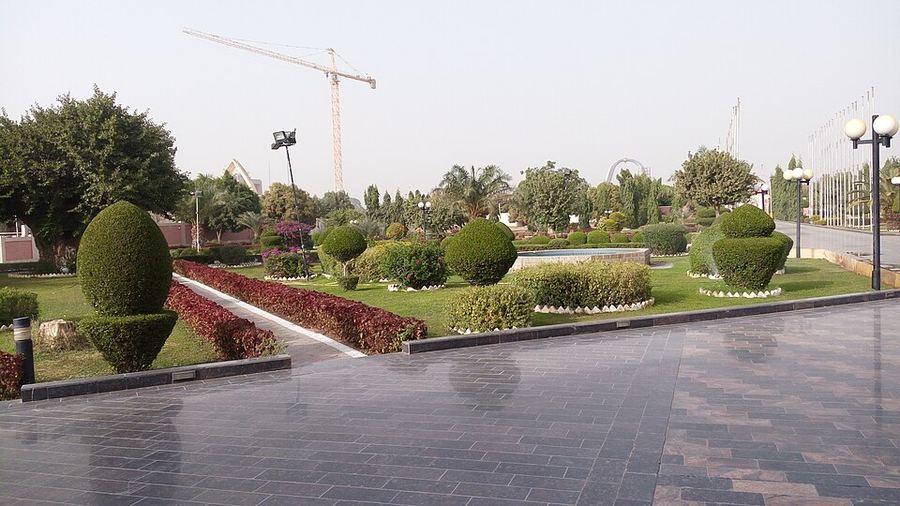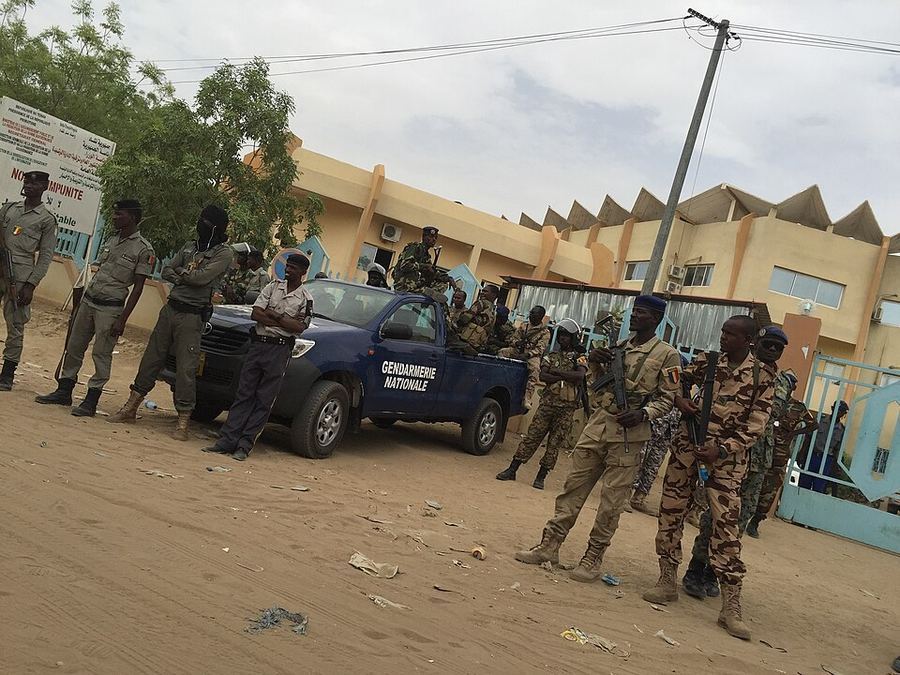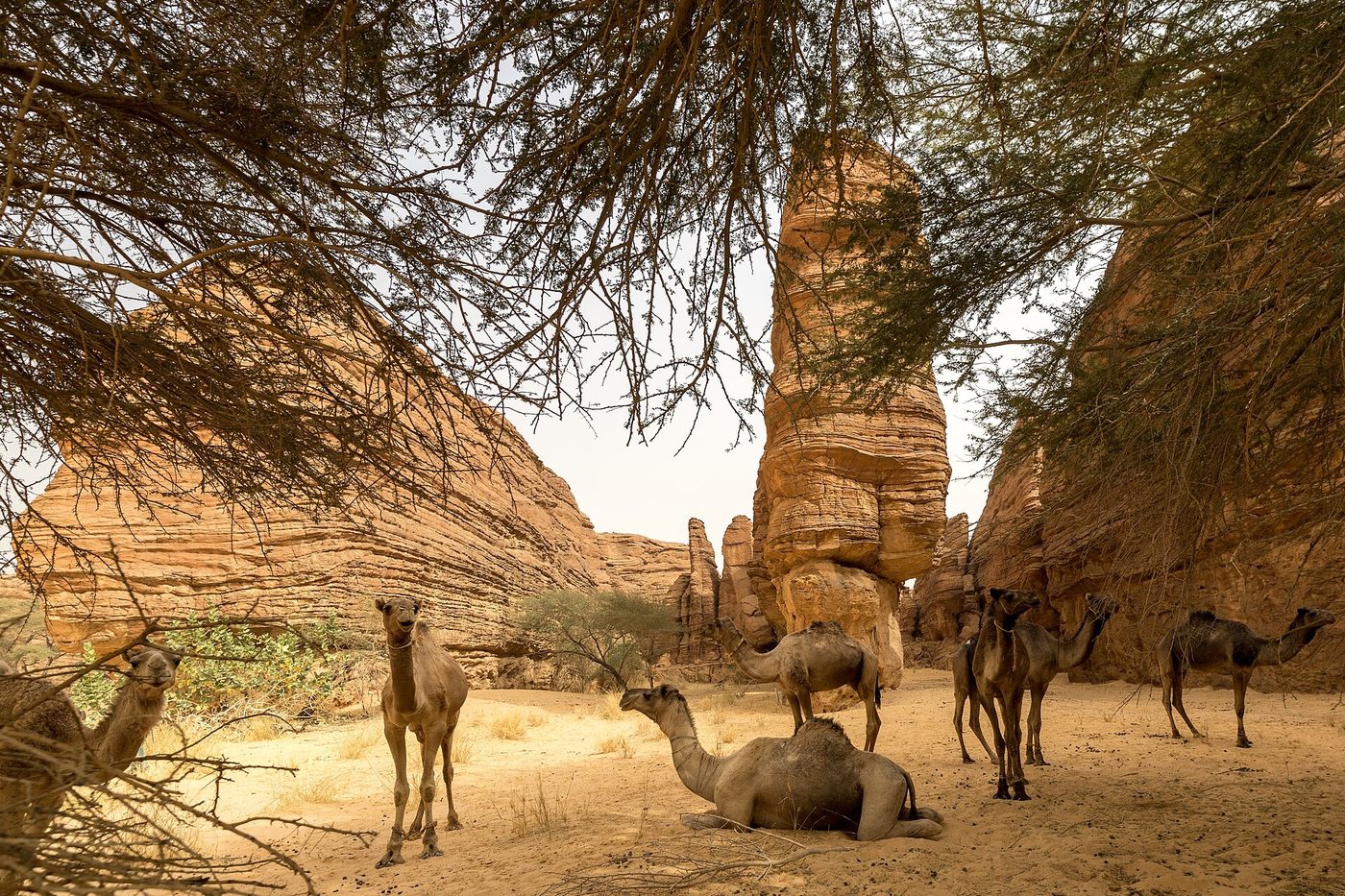
Chad is a landlocked state at the centre of the African continent, the fifth largest by area, reaching from the Sahara in the north through the Sahel to the wooded savanna of the south. Roughly 19.7 million people live there, and the population is among the youngest in the world, with a median age below seventeen. N'Djamena, the capital, stands at the confluence of the Chari and Logone rivers near the Cameroonian border, close to what remains of Lake Chad. The country is exceptionally diverse: more than 120 languages are spoken, French and Arabic are the official languages with Chadian Arabic serving as the everyday lingua franca, and the Sara peoples of the south form the largest single grouping at about 30% alongside Kanembu, Arab, Ouaddaian, Gorane and many others. Just over half the population is Muslim and about 44% Christian, distributed broadly along the north-south axis. Independence from France came on 11 August 1960. Crude oil, gold, oilseeds, gum arabic and cotton dominate exports, but incomes remain among the lowest anywhere and the country has spent much of its independent history at war.
N'Djamena's urban core is home to about 1,910,082 people.
That's bigger than Amsterdam — each a great world city in its own right.
Among the world's megacities, though, it's one of many — the giants of Asia and Latin America run larger still:
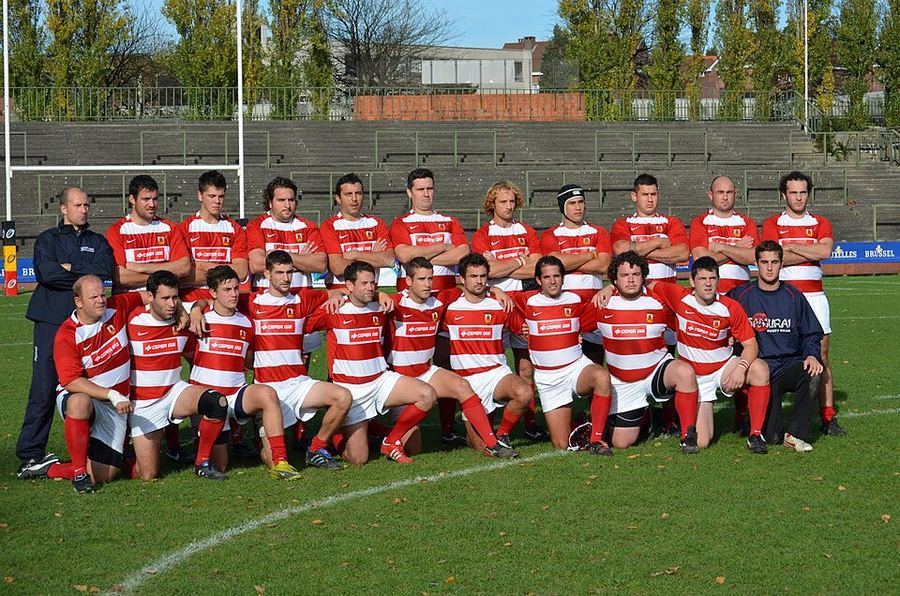
Chad first entered the Summer Olympic Games in 1964 and has competed intermittently since, typically sending a very small team in athletics and judo, and has not won an Olympic medal. Its best-known international athlete is the sprinter Kaltouma Nadjina, who ran the 400 metres at successive Olympic Games and world championships and won medals at African level, becoming for a period the country's most recognised sportsperson and flag-bearer. In football the national team has never reached a FIFA World Cup finals or the Africa Cup of Nations finals, and its international programme consists mainly of qualifying rounds and regional competition within the Central African zone. Chad takes part in the African Games and in Francophone Games, where its athletes are more competitive. A handful of Chadian-born footballers and basketball players have built careers in French and other European leagues, and diaspora athletes represent an increasingly important route by which the country appears on international team sheets. Limited domestic facilities and funding remain the binding constraint on elite performance.
CFA Franc BEAC — XAF (Fr)
GDP (PPP): $52.895 billion (2024 est.)
Per capita: $2,600 (2024 est.)
$5.799 billion (2024 est.)
crude petroleum, gold, oil seeds, gum resins, cotton (2023)
Partners: UAE 26%, China 19%, Germany 17%, Netherlands 13%, France 10% (2023)
$3.557 billion (2024 est.)
jewelry, broadcasting equipment, packaged medicine, cars, refined petroleum (2023)
Partners: China 28%, UAE 23%, Turkey 10%, France 9%, India 5% (2023)
Type: presidential republic
Independence: 11 August 1960 (from France)
How mountains, coasts, and rivers shape settlement (LandScan).
Coming — dataWhere groups settled and how people move (GeoEPR + UNHCR).
Coming — dataNotable institutions, mappable as points.
Coming — data