History
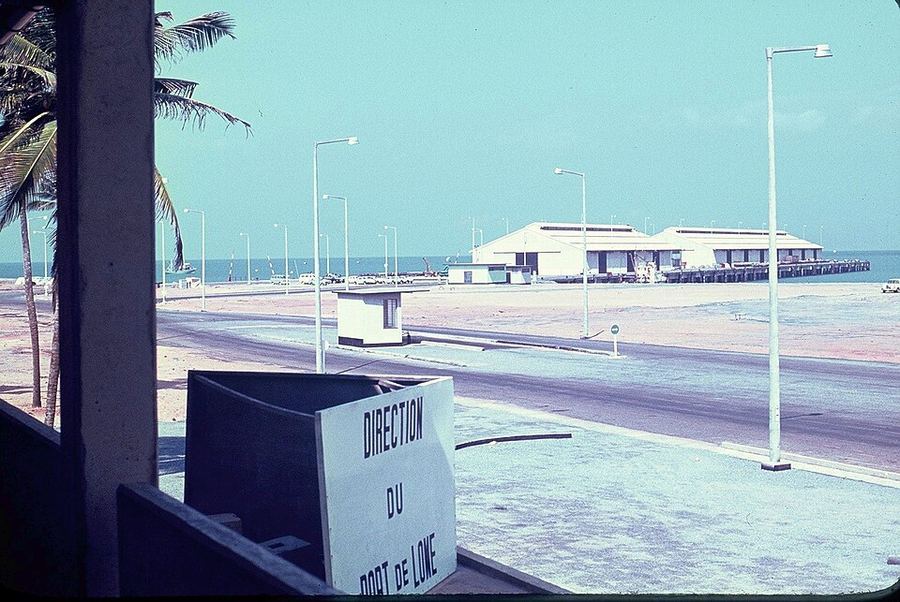
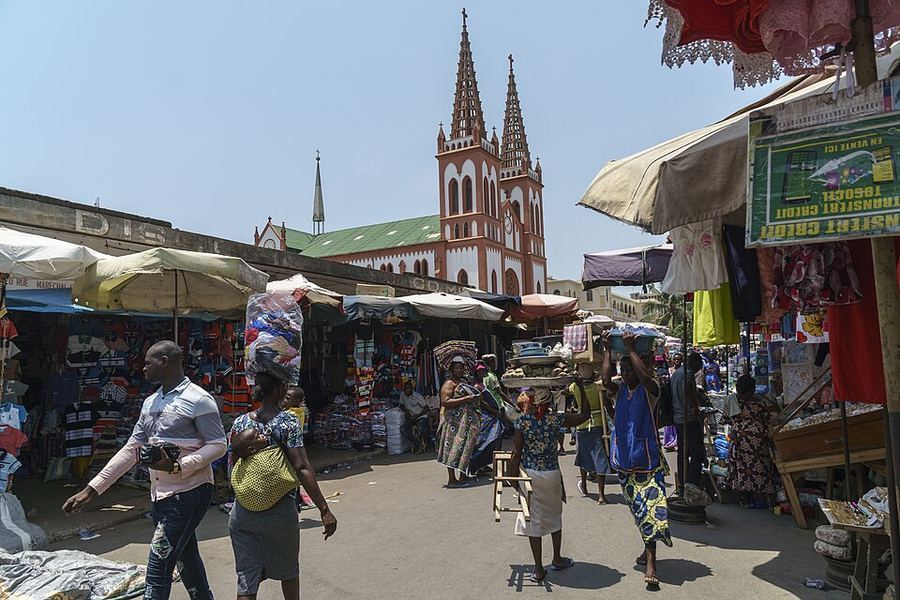
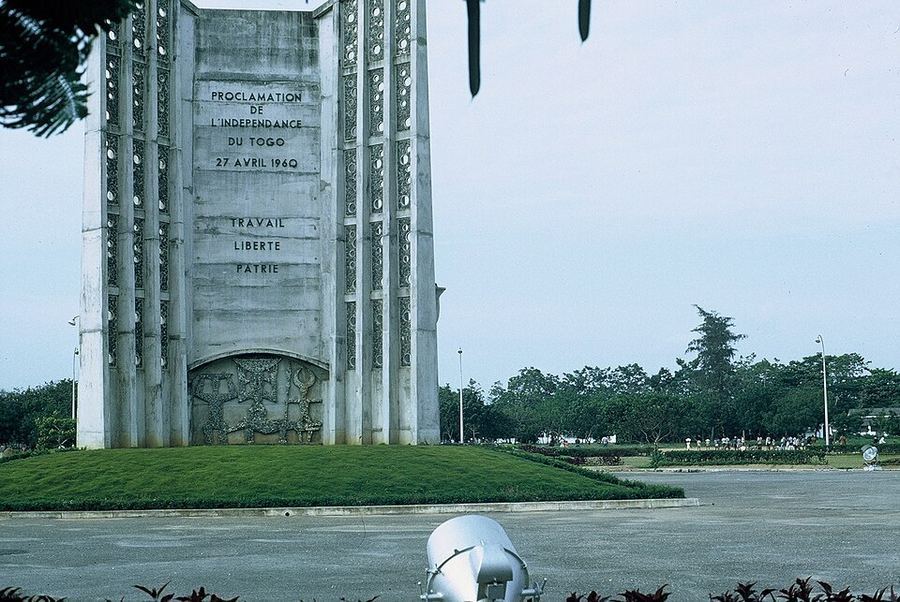
Togo is a narrow corridor of West Africa, barely fifty kilometres of Atlantic coastline widening only slightly as it runs some six hundred kilometres inland between Ghana and Benin to a northern border with Burkina Faso. Around 9.1 million people live in that strip. Lome, the capital, sits directly on the Ghanaian frontier at the southwestern corner of the country — one of the few capitals in the world placed on a national border — and its deep-water port is the busiest in the region and the maritime outlet for landlocked Burkina Faso, Niger and Mali. The population divides broadly between Adja-Ewe and Mina peoples of the south, who make up about 42%, and Kabye, Tem and other northern groups; French is the official language, with Ewe and Mina widely spoken in the south and Kabye and Dagomba in the north. Roughly 42% of Togolese are Christian, 37% follow traditional religion, and 14% are Muslim. Independence came on 27 April 1960 from a French-administered United Nations trusteeship. Phosphates, cotton, cocoa and a substantial re-export trade underpin the economy.
Lomé's urban core is home to about 2,498,074 people.
That's bigger than Amsterdam — each a great world city in its own right.
Among the world's megacities, though, it's one of many — the giants of Asia and Latin America run larger still:
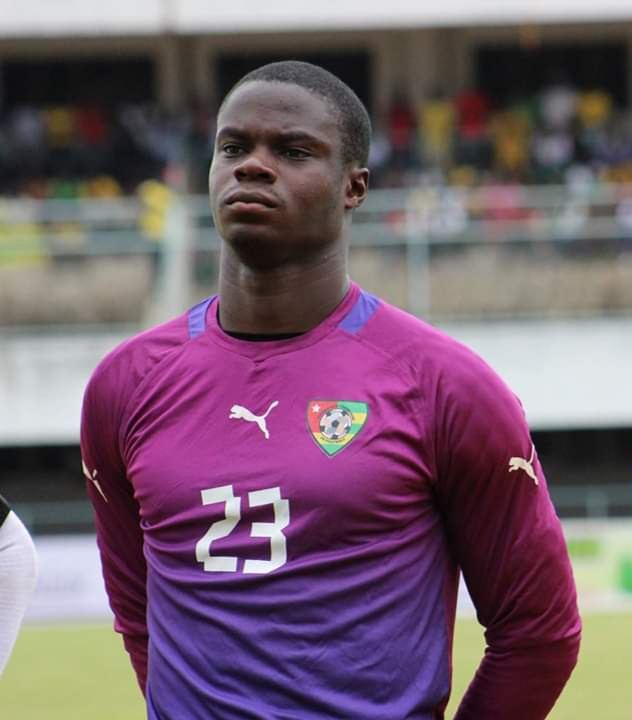
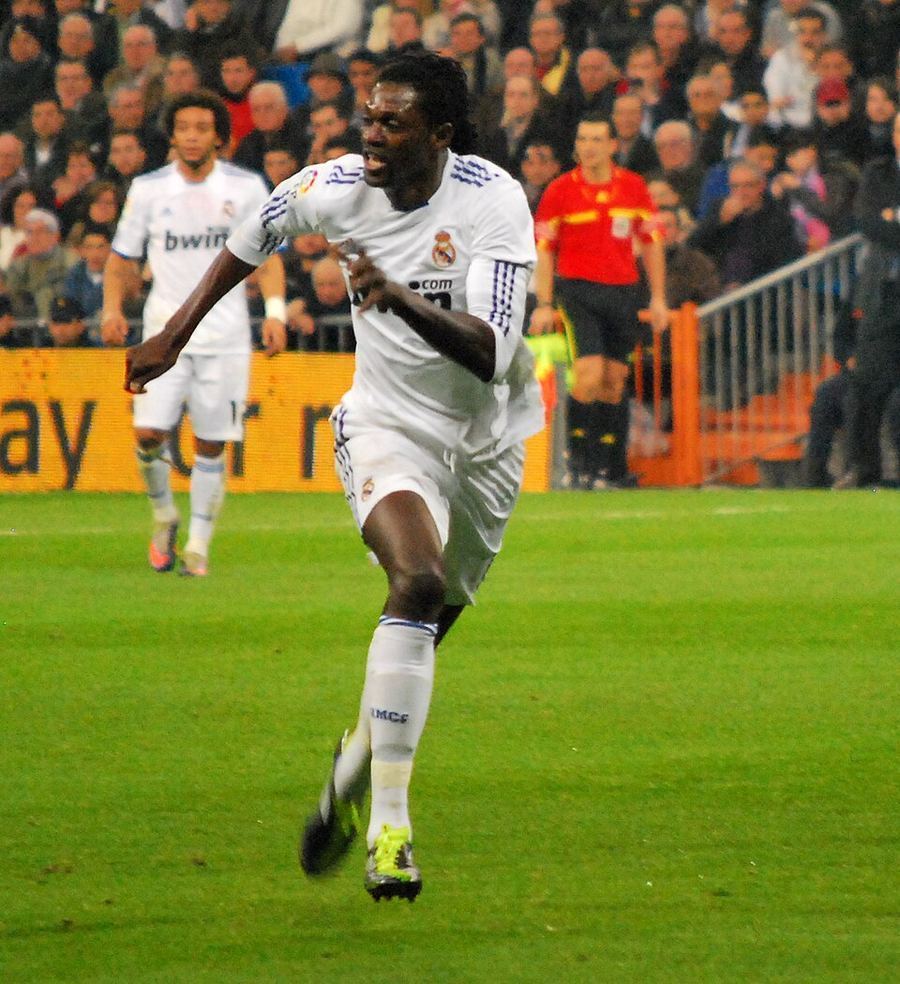
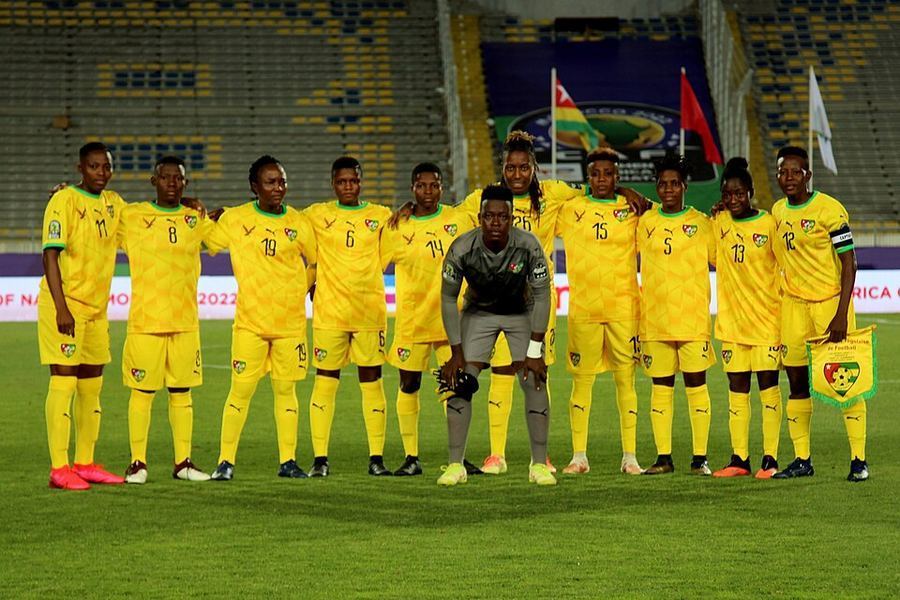
Togo reached its first and so far only FIFA World Cup at Germany in 2006, qualifying ahead of Senegal in a campaign built around Emmanuel Adebayor's goals; the team lost all three group matches, and the trip was overshadowed by a dispute over bonuses. Four years later the national squad suffered one of the darkest episodes in African football when its bus was ambushed by separatist gunmen in Cabinda in January 2010 as it travelled to the Africa Cup of Nations in Angola, killing members of the delegation; Togo withdrew from the tournament. The country's single Olympic medal came at Beijing in 2008, when Benjamin Boukpeti took bronze in the men's K-1 slalom canoe, an unlikely result for a nation with no whitewater tradition and one that made him a national hero. Togo has competed at the Summer Games since 1972 and also enters the Winter Olympics on occasion, and it takes part in the African Games and Francophone Games. Adebayor's award as African Footballer of the Year in 2008 remains the country's highest individual honour in the sport.
Presidential republic
Jean-Lucien Kwassi Savi de Tove — President
In office since 3 May 2025
Ministers Faure Gnassingbe — President of Council of
Bicameral
Senate (Sénat) — 61 seats
Last election 2/15/2025 · 24.6% women
National Assembly (Assemblée nationale) — UNIR majority
UNIR 108 · Other 5
Last election 4/29/2024 · 15% women
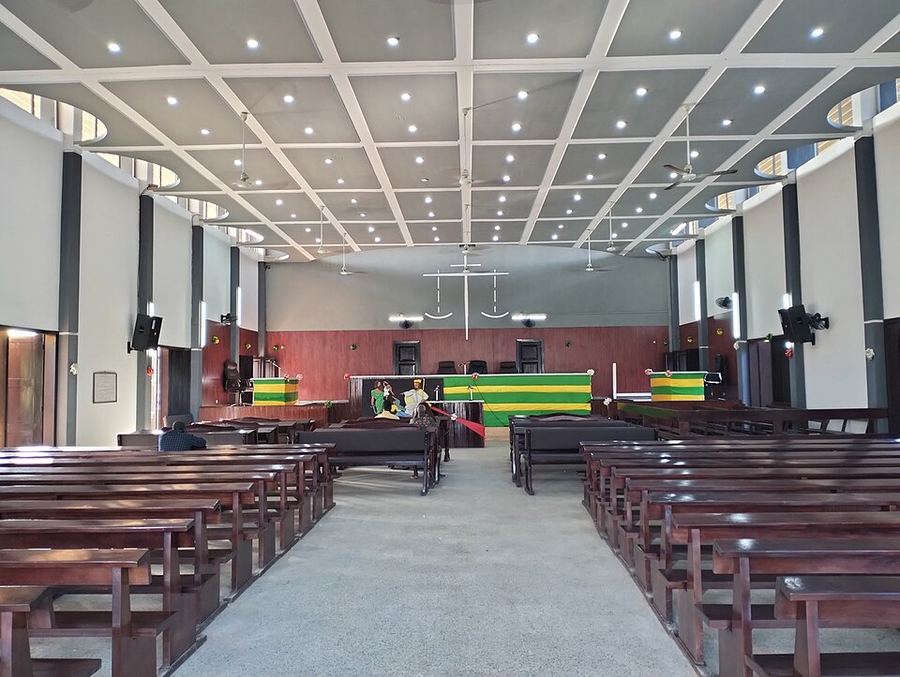
organized into criminal and administrative chambers, each with a chamber president and advisors); Constitutional Court (consists of 9 judges, including the court president
CFA Franc BCEAO — XOF (Fr)
GDP (PPP): $27.115 billion (2024 est.)
Per capita: $2,800 (2024 est.)
$1.722 billion (2020 est.)
gold, refined petroleum, soybeans, phosphates, coconuts/brazil nuts/cashews (2023)
Partners: UAE 40%, India 13%, Angola 13%, Burkina Faso 4%, Cote d'Ivoire 3% (2023)
$2.389 billion (2020 est.)
refined petroleum, garments, rice, palm oil, motorcycles and cycles (2023)
Partners: China 26%, India 26%, Belgium 6%, Netherlands 6%, USA 3% (2023)
Type: presidential republic
Independence: 27 April 1960 (from French-administered UN trusteeship)
How mountains, coasts, and rivers shape settlement (LandScan).
Coming — dataWhere groups settled and how people move (GeoEPR + UNHCR).
Coming — dataNotable institutions, mappable as points.
Coming — data