HERA · Human Entity Reference Atlas by Masego Inc

← Tajikistan 🌐 3D View
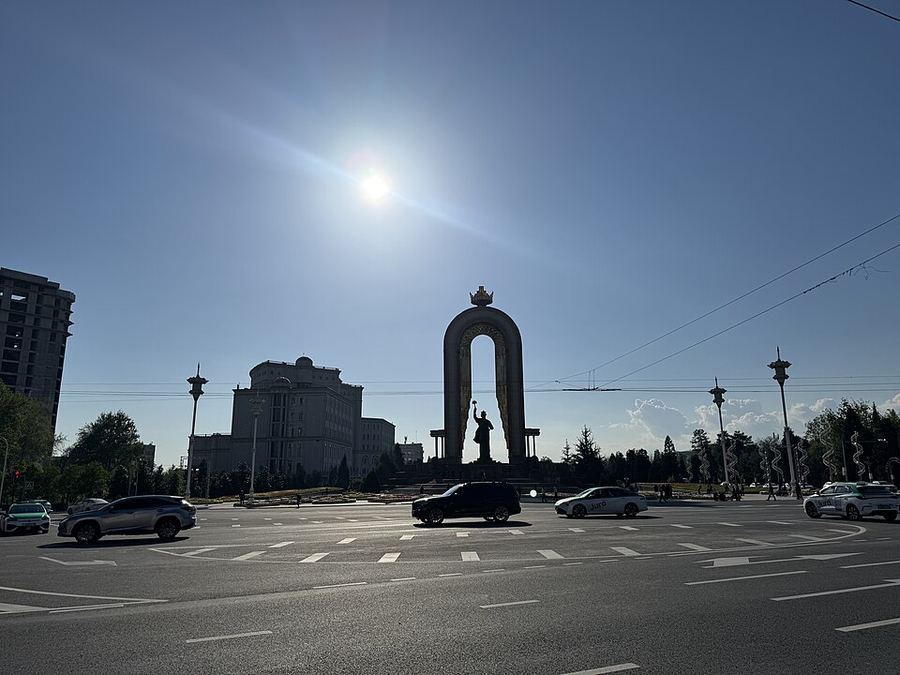
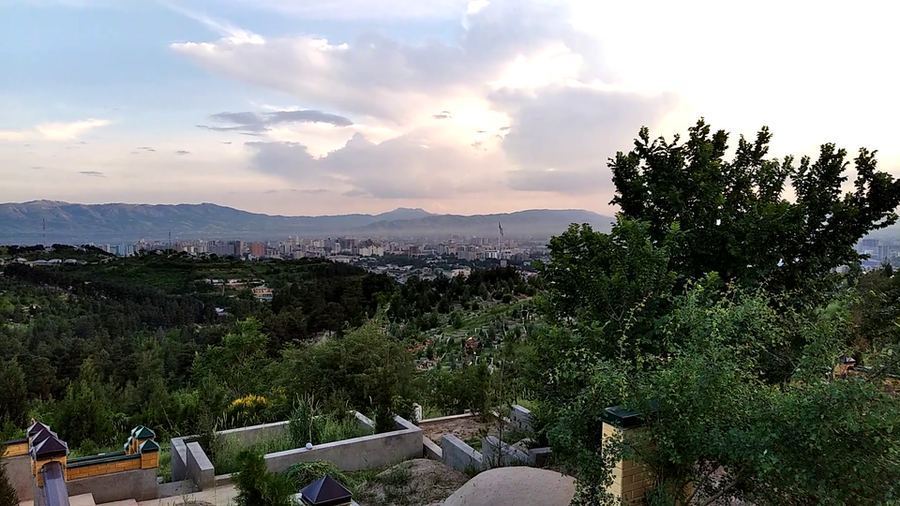
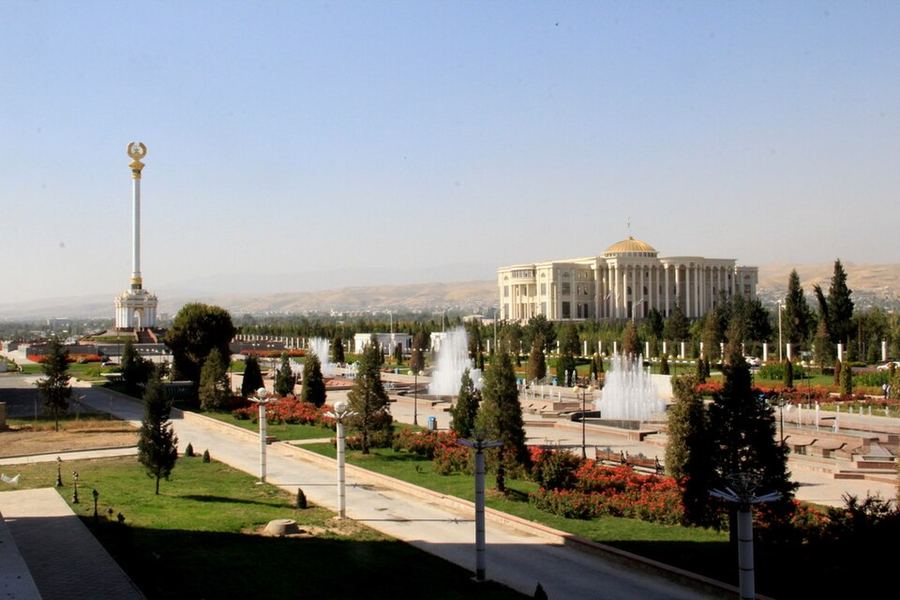
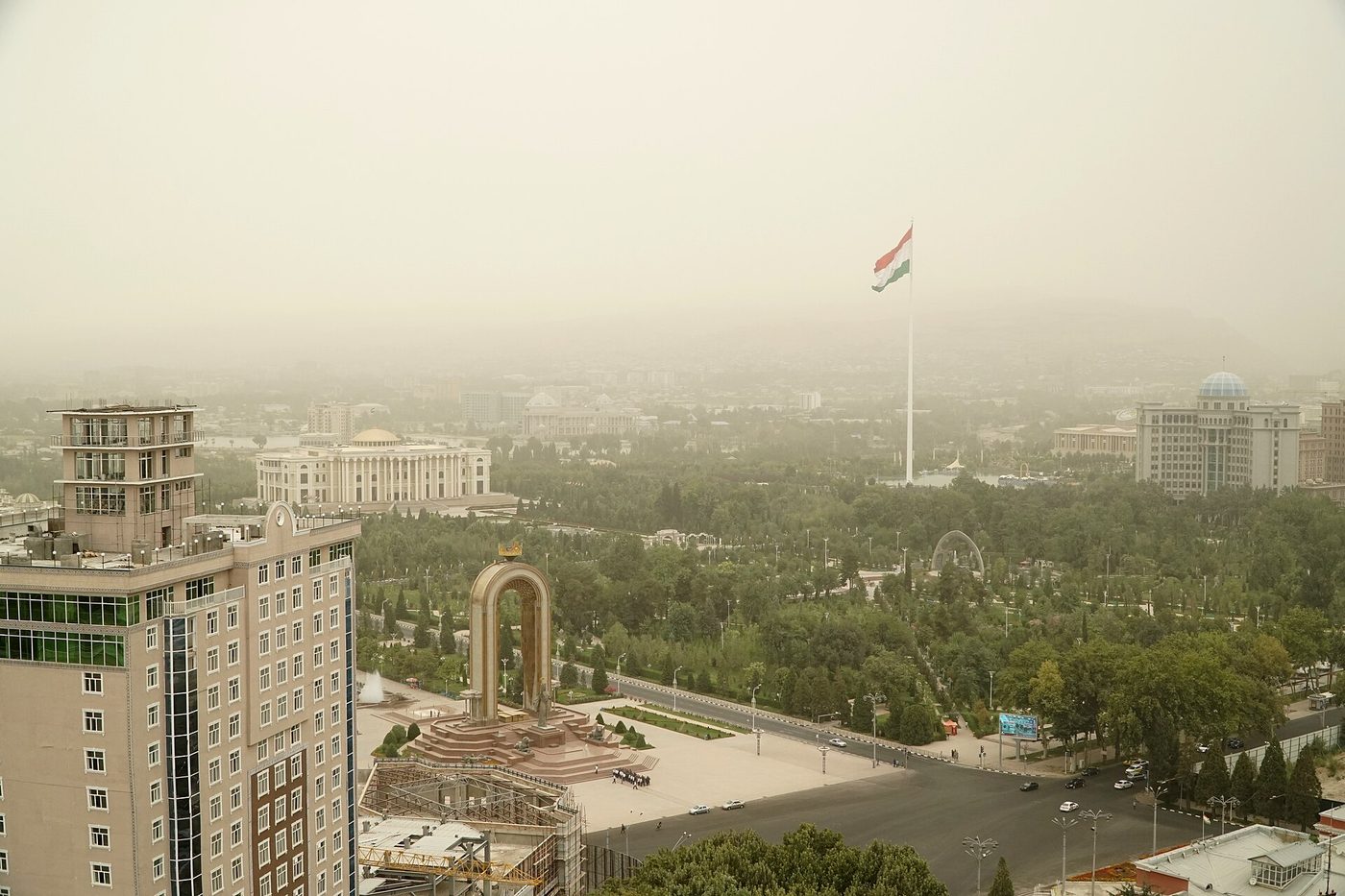
Panorama with Dousti Square and Dushanbe Flagpole, Tajikistan
Tajikistan TJK
Panorama with Dousti Square and Dushanbe Flagpole — Photo: Adam Harangozó / CC BY-SA 4.0 via Wikimedia Commons
Did You Know Tajikistan's football team qualified for its first AFC Asian Cup in the 2023 edition and reached the quarter-finals on debut, the country's greatest achievement in the sport. — FIFA

Tajikistan is a landlocked mountain state of about 10.6 million people in Central Asia, bordered by Uzbekistan, Kyrgyzstan, China and — along a frontier of more than 1,300 kilometres traced by the Panj river — Afghanistan. Roughly nine-tenths of its territory is mountainous, and the eastern half is occupied by the Pamirs, the high plateau and glaciated ranges long called the Roof of the World, where Ismoil Somoni Peak reaches 7,495 metres, the highest point in the former Soviet Union. Dushanbe, the capital, lies in a valley in the west. Tajikistan is the only Persian-speaking republic of Central Asia: Tajik, written in Cyrillic, is a variety of Persian and is spoken by about 84% of the population, alongside a large Uzbek minority and, in the eastern highlands, the distinct Eastern Iranian Pamiri languages. Some 98% of Tajiks are Muslim, mostly Sunni, with an Ismaili Shia community in Gorno-Badakhshan. Independence came on 9 September 1991, followed almost immediately by a five-year civil war. Gold, aluminium and hydroelectricity anchor the formal economy, but remittances from labour migrants are the larger force in most households.

CIA World FactbookEncyclopaedia BritannicaWorld BankGlottolog
Population
10,593,876
Capital
Dushanbe
Currency
None TJS
Time zones
Largest city
Dushanbe
Human Geography Themes
Loading national figures…
Largest Cities
Dushanbe1,471,812
Khujand259,962
Ghafurov180,285
Kulob177,692
Hisor127,345
Bokhtar126,541
Vahdat117,111
Proletar88,515
In Perspective

Dushanbe's urban core is home to about 1,471,812 people.

That's bigger than Amsterdam — each a great world city in its own right.

Dushanbe1,471,812
Amsterdam1,223,407

Among the world's megacities, though, it's one of many — the giants of Asia and Latin America run larger still:

Dushanbe1,471,812
Jakarta40,545,126
Dhaka37,307,160
Tokyo33,244,670
Shanghai30,678,616
Cairo25,230,325
The Country & Its People

History

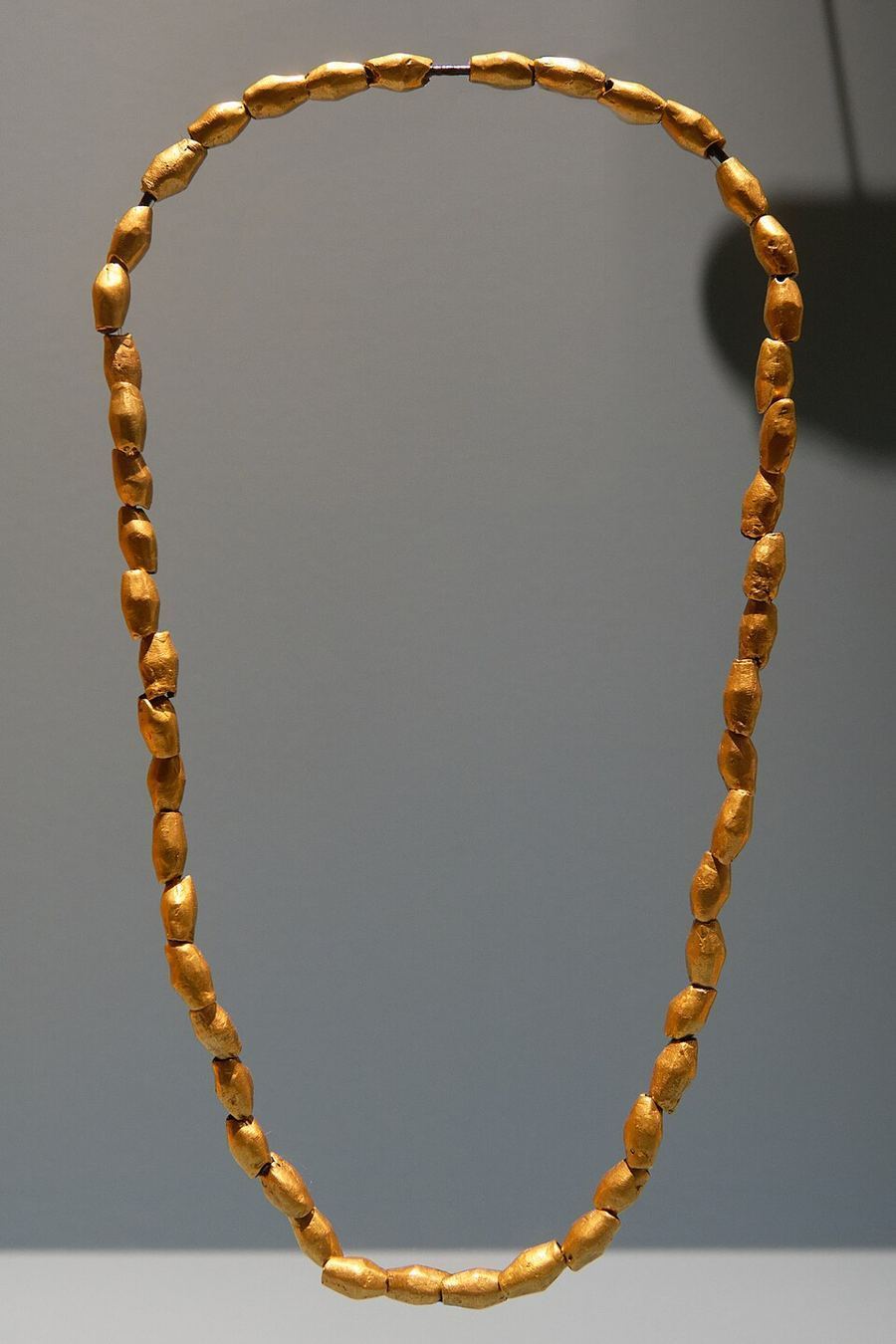
The territory belongs to the oldest settled zone of Central Asia. Sarazm, near Panjakent, was a metallurgical and trading town in the fourth and third millennia BC, and the region later formed the heart of Bactria and Sogdiana, whose merchants carried goods and languages along the Silk Road and whose murals at Panjakent are among the finest surviving works of pre-Islamic Central Asian painting. Achaemenid Persia, Alexander's successors, the Kushans — under whom Buddhism flourished, leaving the great reclining Buddha excavated at Ajina Tepa — and the Sasanians ruled in turn before the Arab conquest of the eighth century. The decisive period for Tajik identity is the Samanid emirate of the ninth and tenth centuries, the dynasty under which New Persian became a literary language and Rudaki, born at Panjrud in what is now Tajikistan, established the classical Persian poetic tradition. Turkic and then Mongol rule followed, and by the nineteenth century the region lay under the emirate of Bukhara and then Russian control. Soviet delimitation created a Tajik republic in 1929 but left the Persian-speaking cities of Samarkand and Bukhara in Uzbekistan, a division still keenly felt.
Culture

Tajik culture is Persian in language and literature, Central Asian in social form and Islamic in framework, and it is held together by hospitality rituals of considerable formality. The guest is seated at the place of honour on a raised platform spread with quilts, and tea is poured in a fixed etiquette; bread, non, baked on the walls of a clay tandoor, is treated with reverence and never set face down or thrown away. Navruz, the Persian new year at the spring equinox, is the largest festival of the year and is celebrated with public feasting, sport and the cooking of sumalak, a wheat-germ paste stirred overnight by women taking turns. Life-cycle events — circumcision feasts, weddings and mourning gatherings — are large and expensive enough that the state has legislated to cap their scale. Regional identity is strong: Khujand and the Fergana valley in the north, Kulob and Khatlon in the south, Gharm in the centre and Badakhshan in the east each carry distinct dialects, cuisines and political histories, and the Ismaili Pamiris of Badakhshan differ from the Sunni majority in both faith and language.

Points Of Pride

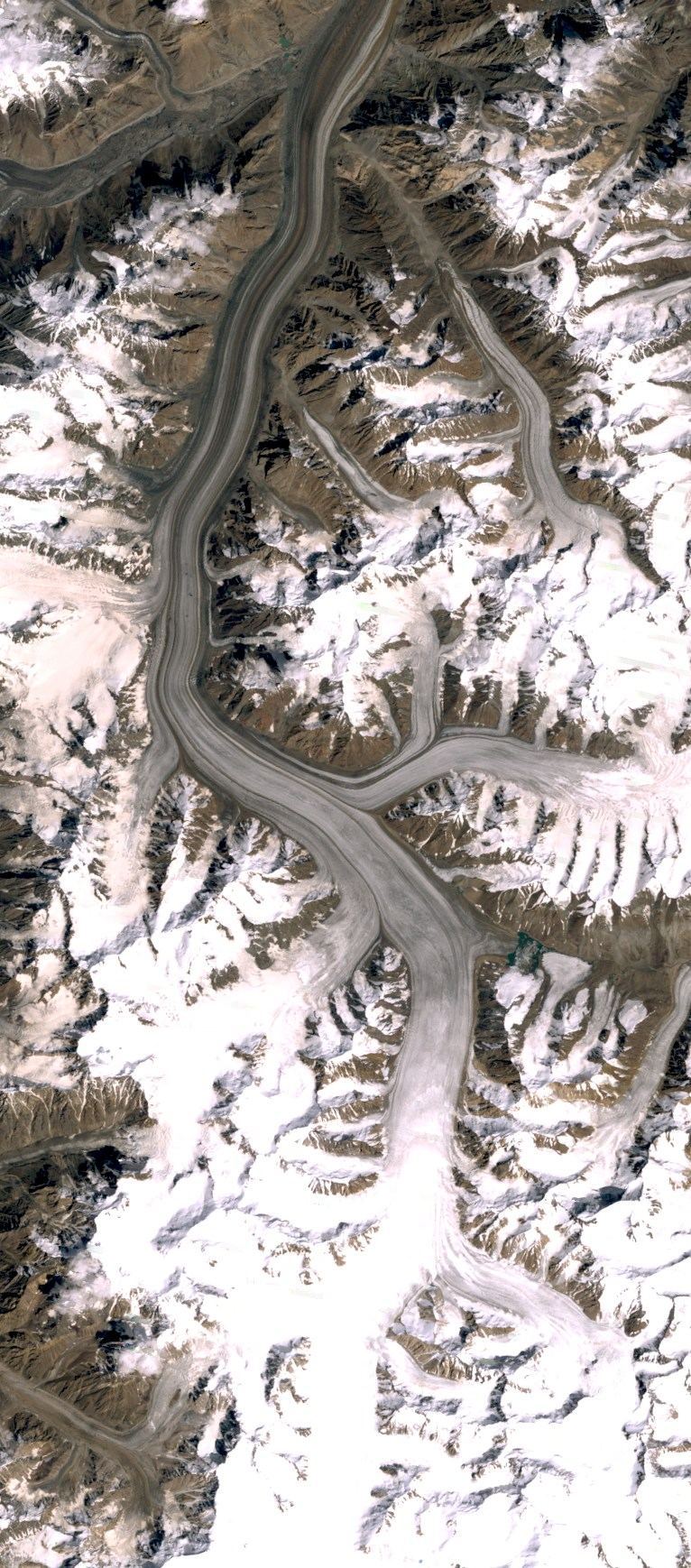
Tajiks take primary pride in being the Persian-speaking people of Central Asia, heirs to the Samanid state whose founder Ismoil Somoni gives his name to the currency, the highest peak and the central monument of Dushanbe, and to Rudaki, the poet regarded as the father of Persian verse, who was born on Tajik soil. Two properties are inscribed on the World Heritage List: the proto-urban site of Sarazm and the Tajik National Park covering the Pamir mountains. UNESCO's intangible heritage lists carry more of the country's identity still — the shashmaqom classical music suites shared with Uzbekistan, Navruz, the art of chakan embroidery, and oshi palav, the pilaf tradition inscribed in 2016. The landscape itself is a source of pride: the Pamirs, Ismoil Somoni Peak at 7,495 metres, and the Fedchenko glacier, the longest glacier outside the polar regions. Tajikistan has also built a distinctive diplomatic identity around fresh water, sponsoring successive United Nations decades and years devoted to water and to the preservation of glaciers.

Cultural Fusion

Tajikistan sits where the Iranian and Turkic worlds meet, and the seam runs through daily life. The language is Persian but its vocabulary is thick with Turkic and, since the Soviet period, Russian borrowings, and it is written in Cyrillic rather than the Perso-Arabic script used in Iran and Afghanistan — a script boundary that separates Tajiks from the literature they claim as their own. Nearly 14% of the population is Uzbek, concentrated in the north and southwest, and intermarriage and bilingualism are common. In the east, the Pamiri peoples speak Shughni, Rushani, Wakhi and related Eastern Iranian languages unintelligible to Tajik speakers and preserve architectural and religious traditions of their own, following the Ismaili imamate; the Yaghnobi of a single mountain valley speak the last living descendant of Sogdian, the lingua franca of the medieval Silk Road. Russian remains the language of technical work and of labour migration, and decades of migration to Russia have brought Russian habits, money and returning ideas into villages across the country. Buddhist, Zoroastrian and Nestorian Christian layers survive in archaeology and in place names.

Music & Dance

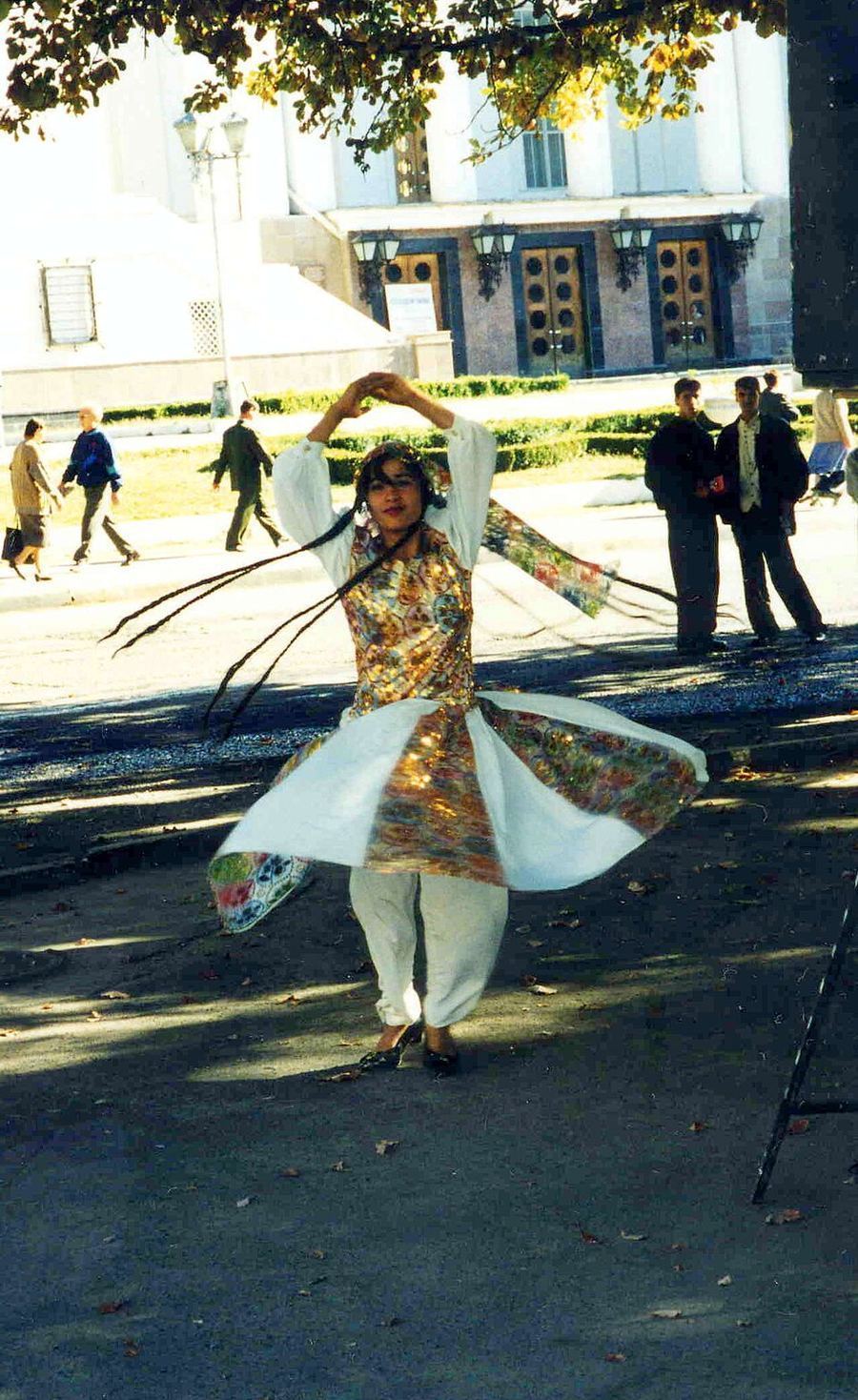
The classical tradition is shashmaqom, literally 'six maqams', a suite form of vocal and instrumental cycles developed in the courts and cities of Bukhara and Samarkand and set to Persian and Chagatai poetry; Tajikistan and Uzbekistan jointly secured its inscription by UNESCO, and it is performed on tanbur, dutor, sato, ghijak and the doira frame drum. Against that urban repertoire stands falak, the mountain vocal genre of Kulob and the upper valleys — literally 'sky' or 'fate' — sung in a high, keening register about exile, longing and destiny, and long treated as the most emotionally direct of Tajik forms; Davlatmand Kholov is its best-known modern exponent. Badakhshan has its own devotional tradition of madoh, sung in Pamiri languages to the rubab in Ismaili gatherings, and the Aga Khan's music programmes have supported its documentation and revival. Dance is largely solo and hand-led, with intricate wrist and shoulder movement, performed by women at weddings and by professional troupes; group circle dances accompany Navruz. Estrada-style pop sung in Tajik dominates popular listening.

Cuisine & Misattributed Foods

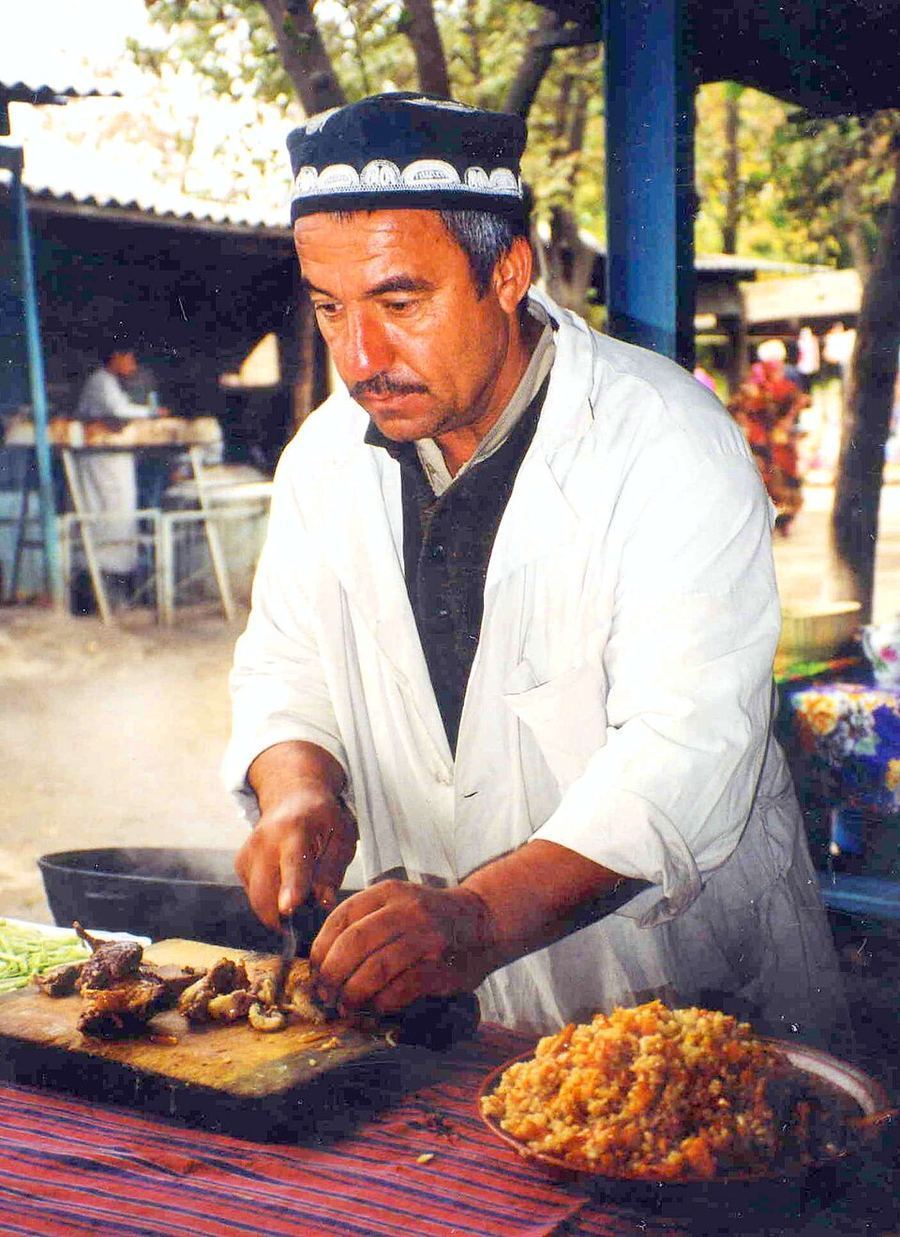
Osh, the pilaf of rice, carrots, onion, mutton and cumin cooked in a heavy kazan and served from a common dish, is the ceremonial centre of Tajik eating, and the tradition surrounding it — oshi palav — was inscribed by UNESCO in 2016. The dish Tajiks most often name as their own, though, is qurutob: rounds of flaky fatir bread torn into a wide wooden bowl, soaked in a sauce made from qurut, dried salted yoghurt balls dissolved in water, and covered with fried onions, tomato, cucumber and herbs, then eaten by hand without cutlery. Shurbo, a clear mutton and vegetable soup, mantu dumplings, sambusa baked in the tandoor, laghman hand-pulled noodles and skewered kabob complete the everyday repertoire. Non, the round tandoor bread stamped with a decorative centre, accompanies everything and carries strong taboos about how it is handled. Green tea is drunk constantly, before and after meals. The mountains supply apricots, mulberries and walnuts, dried in quantity for winter, and Pamiri households make heavy use of dairy in butter, cream and shir choy, tea with milk and salt.

National Dress

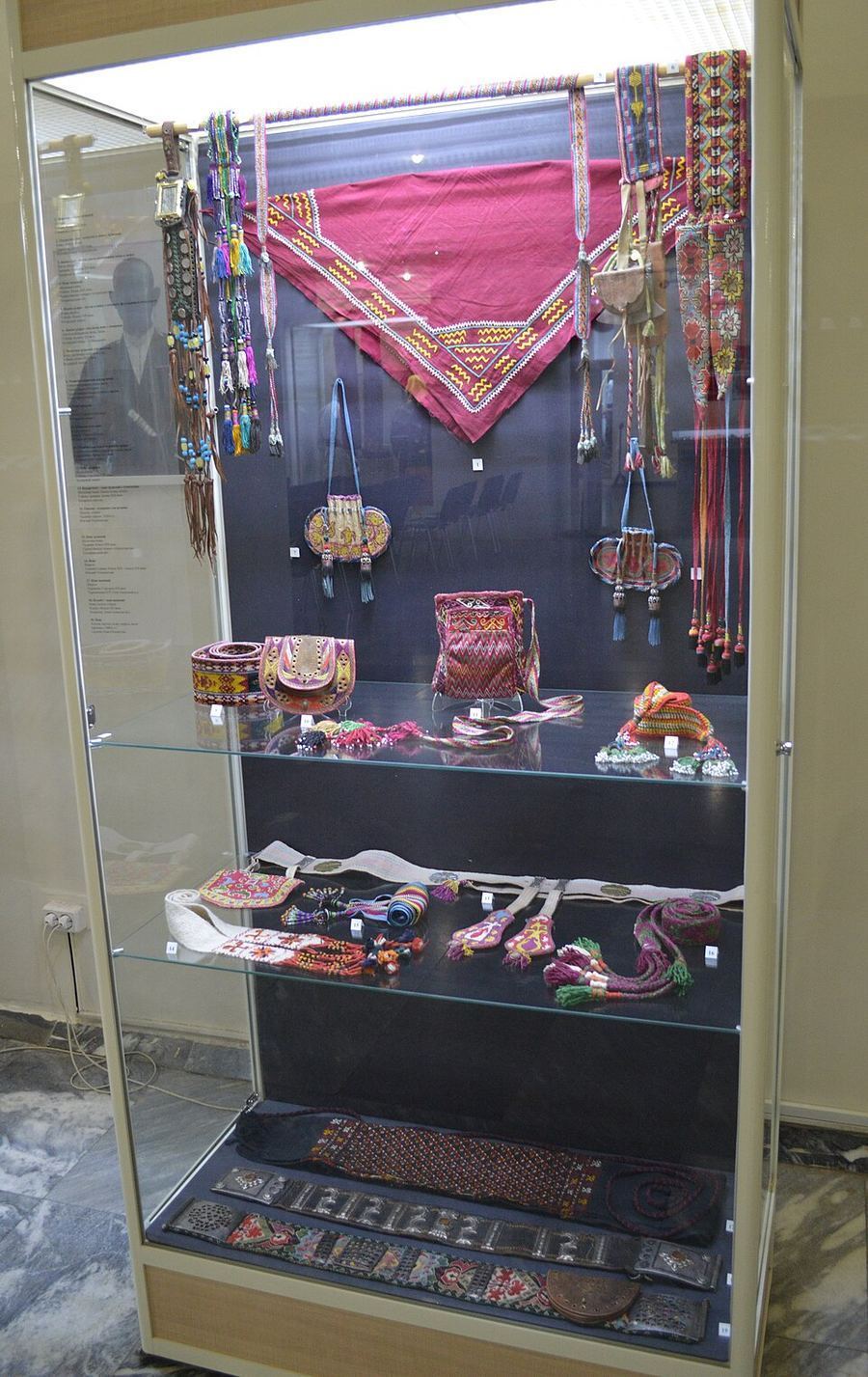
Tajik dress is built on silk and embroidery. The women's kurta is a long, loose dress worn over narrow ezor trousers, cut most prestigiously from atlas or adras — ikat silk in which the warp is resist-dyed before weaving to produce the blurred, flame-like bands of colour that are the signature textile of the region. Over it goes a headscarf, and on the head, especially for girls and at ceremony, the toqi, a small embroidered cap. The other great textile art is chakan, the dense cross-stitch and chain-stitch embroidery of Khatlon, worked in coloured silks on the bodice, cuffs and hem in motifs of sun, moon, flowers and birds; UNESCO inscribed the art of chakan embroidery on its intangible heritage list in 2018. Men wear the toqi cap with a shirt and, in colder weather or for ceremony, the chapan, a quilted striped coat wrapped and belted with a folded sash. Pamiri dress differs, with distinctive knitted woollen stockings, jurab, patterned in bright geometric designs. Urban everyday clothing is otherwise European in cut.

Sports & Inspiring Athletes

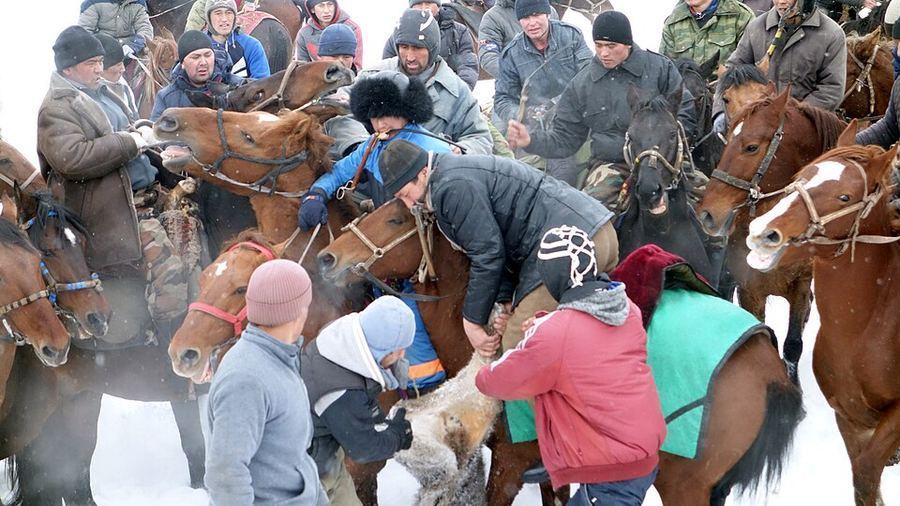
Football is the most followed sport, organised through the Tajikistan Higher League, in which Istiklol of Dushanbe has been the dominant club and a regular competitor in Asian continental competition. Wrestling in both international and traditional forms is the deepest participation sport: gushtingiri, the Tajik belt wrestling contested at Navruz and at village festivals, feeds directly into freestyle wrestling and judo, which supply most of the country's international medallists. Boxing, taekwondo, weightlifting and athletics complete the competitive programme, and Tajik hammer throwing has been unexpectedly strong. Buzkashi, the mounted contest in which riders struggle for possession of a calf or goat carcass, is played in the southern and central valleys and remains a major spectacle at spring festivals. Mountaineering has a special place: three of the five seven-thousand-metre peaks of the former Soviet Union stand on or near Tajik territory, and the Pamir camps below them have hosted climbers from across the region for decades. Facilities outside Dushanbe are limited, and many athletes train in Russia.

Notable Educational Programs

Tajikistan inherited near-universal literacy from the Soviet system and has largely retained it, but the schools themselves were badly damaged by the civil war and by two decades of very low public spending. Education runs through four years of primary and seven of secondary schooling, with instruction chiefly in Tajik and with Uzbek, Russian and Kyrgyz-medium schools serving minority communities; Russian remains important for labour migration and for higher study, and demand for Russian-language schooling exceeds supply. Higher education centres on Tajik National University in Dushanbe, founded in 1948, together with the technical, medical and pedagogical universities of the capital and regional institutions in Khujand, Kulob and Khorog. The most distinctive institution is the University of Central Asia, established by international treaty between Tajikistan, Kyrgyzstan and Kazakhstan and the Aga Khan Development Network specifically to serve mountain societies, whose first campus opened at Khorog in the Pamirs in 2017. Teacher shortages, rural infrastructure and the gap between girls' and boys' completion at upper-secondary level remain the persistent problems.

Wars & Conflicts

Within months of independence Tajikistan collapsed into civil war. Fighting from 1992 between forces loyal to the government and the United Tajik Opposition — an alliance of Islamist, democratic and regional movements — killed tens of thousands of people, with estimates ranging widely, and displaced more than a million, devastating an economy that had been the poorest in the Soviet Union. Russian and Uzbek involvement shaped the course of the war, and it ended with a United Nations-brokered general agreement signed in Moscow in June 1997 that gave the opposition a fixed share of government posts — one of the few negotiated settlements of a post-Soviet conflict, and for years cited as a model, though the power-sharing provisions eroded and the Islamic Renaissance Party was banned in 2015. Later violence has been localised: fighting in the Rasht valley in 2010, an armed mutiny in 2015, and repeated security operations in Gorno-Badakhshan, most seriously in 2012 and again in 2021 and 2022. Border clashes with Kyrgyzstan in 2021 and 2022 killed well over a hundred people before a delimitation agreement was concluded.
Current as of 2026-08-07

Land & Border Disputes

The most serious of Tajikistan's boundary problems was with Kyrgyzstan, where a long stretch of the frontier around Isfara and Batken had never been agreed after Soviet delimitation left overlapping land and water rights and placed the Tajik enclave of Vorukh inside Kyrgyz territory. Disputes over irrigation channels, roads and pasture escalated into serious armed clashes between border forces and communities in April 2021 and again in September 2022, with heavy civilian casualties and mass displacement on both sides; the two governments completed delimitation and signed a border agreement in 2025, together with a junction treaty involving Uzbekistan. Relations with Uzbekistan were dominated for two decades by the Rogun dam, which Tashkent opposed as a threat to downstream irrigation on the Amu Darya, and by mined and closed border sections; those tensions eased substantially after 2016, with transport links reopened and cooperation on water resumed. The Afghan border along the Panj is settled in law but is the country's principal security concern, both for narcotics trafficking and for cross-border instability.
Land, Life & Legacy

Land & Climate

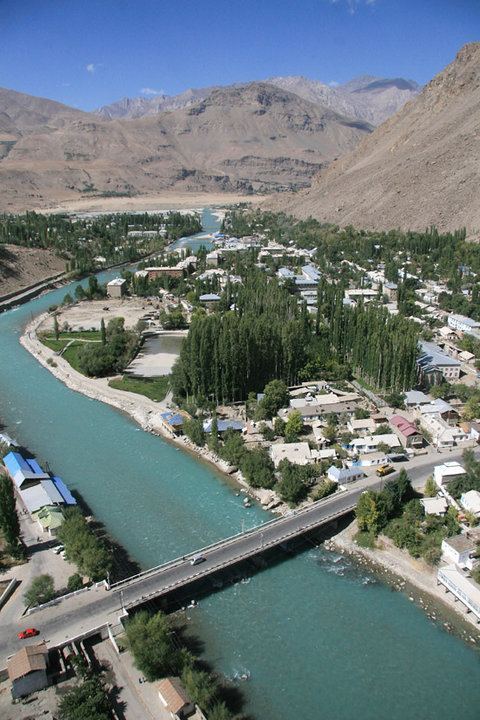
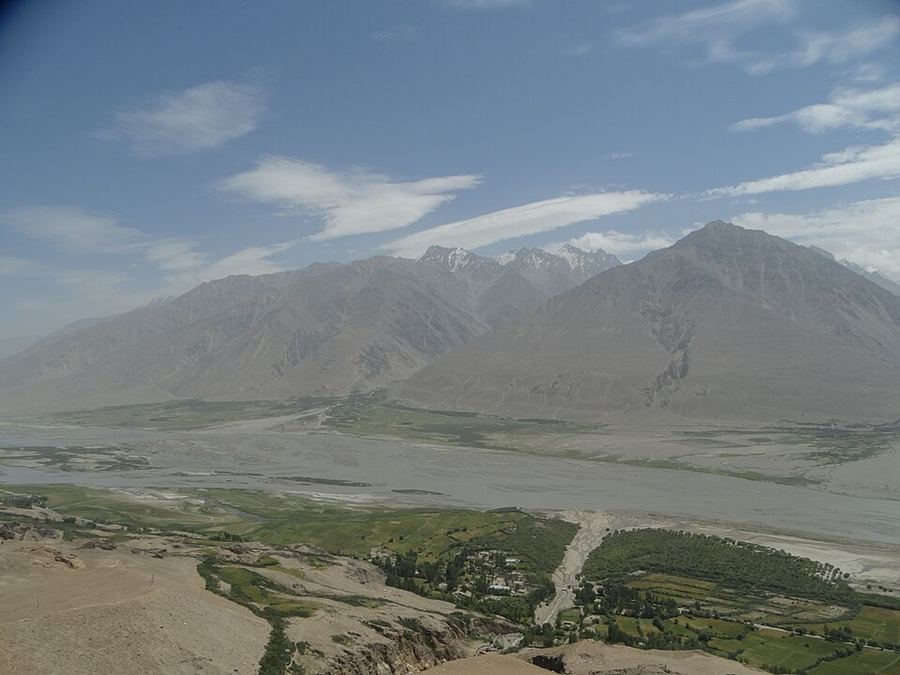
Mountains cover about 93% of Tajikistan and organise everything else. The eastern half is the Pamir, a high cold plateau above 3,500 metres in the east rising to glaciated peaks in the west, including Ismoil Somoni Peak at 7,495 metres and Peak Korzhenevskaya, with the Fedchenko glacier — some seventy-seven kilometres long, the longest outside the polar regions — draining its heart. West of the Pamirs the Alay, Zarafshon, Hisor and Vakhsh ranges run east to west, separated by long valleys where almost the whole population lives: the Fergana valley in the north around Khujand, the Zarafshon, the Hisor valley containing Dushanbe, and the Vakhsh and Panj lowlands in the southwest, the only substantial area below a thousand metres. The Panj and Vakhsh join to form the Amu Darya, so Tajikistan holds the headwaters of the river system on which downstream Uzbekistan and Turkmenistan depend. The climate is continental and extreme, hot in the southwestern lowlands and severely cold on the eastern plateau. Earthquakes are frequent and destructive, and glacier retreat is well documented and rapid.

Entertainment

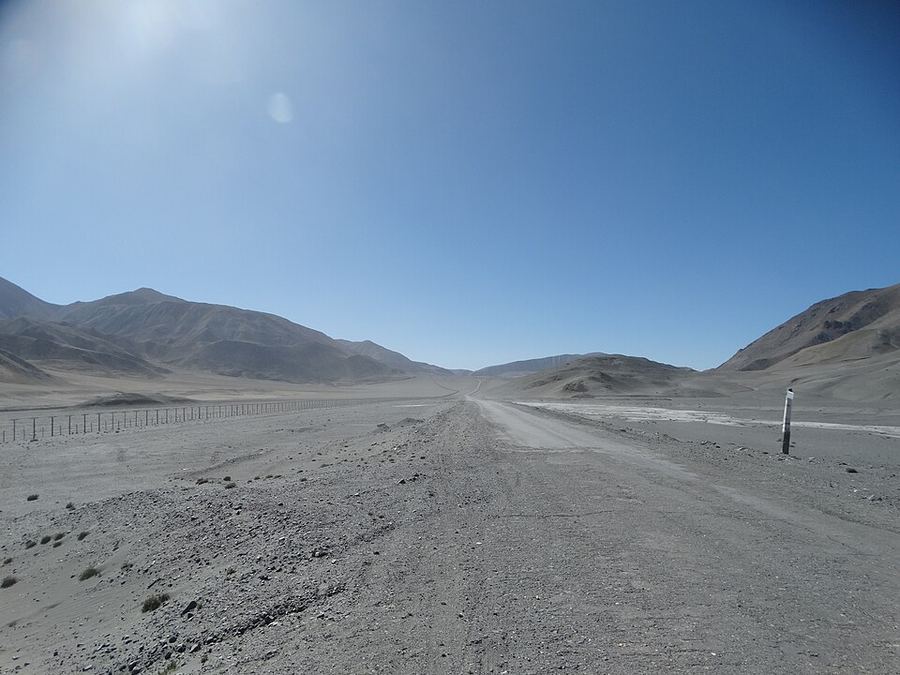
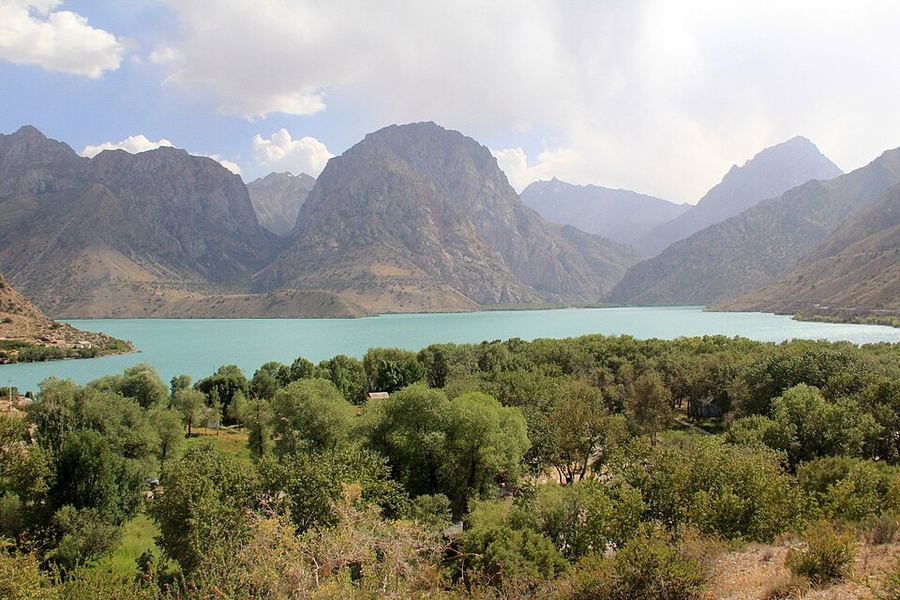
Leisure in Tajikistan is social and outdoors. The chaikhona, the traditional teahouse with its raised carpeted platforms, remains the place where men gather to drink green tea, eat and talk, and Dushanbe's Rudaki Avenue with its parks, fountains and evening promenade is the capital's main public space. Families spend summer weekends in the mountain valleys near the city and at Iskanderkul, the turquoise lake in the Fann mountains named after Alexander the Great, and at Varzob and the hot springs of Khoja Obi Garm. The Pamir Highway, running from Khorog across the plateau to the Kyrgyz border, is one of the great overland routes and has made Badakhshan a destination for cyclists and trekkers, while the Fann mountains attract climbers and walkers from across the former Soviet Union. Navruz in March is the year's high point, marked by public festivals, horse games, wrestling and communal cooking. Football, wrestling and volleyball fill informal recreation, and hunting and falconry retain followings in the mountains.

Art & Museums

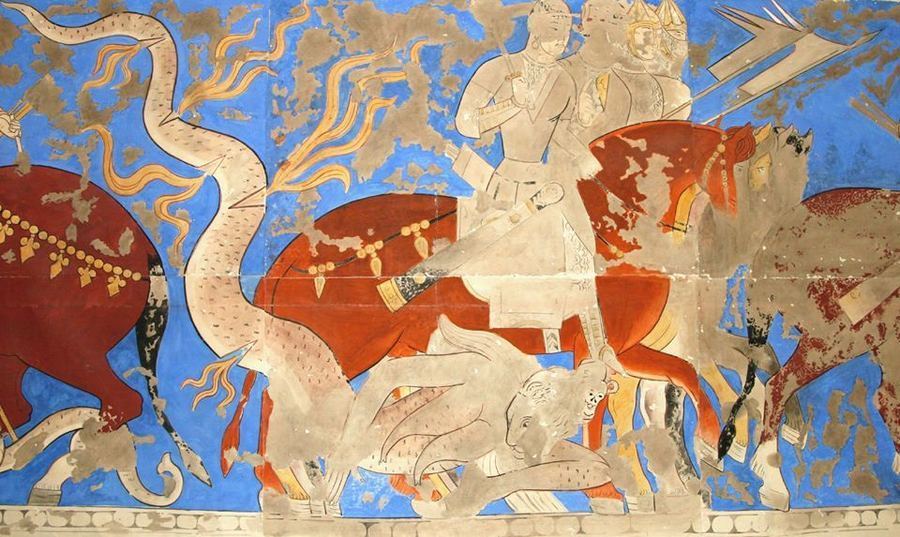
The oldest art on Tajik soil is the wall painting of Sogdiana: the seventh- and eighth-century murals excavated at Panjakent, showing banquets, epic narratives and mounted heroes in vivid mineral pigment, are the principal surviving record of pre-Islamic Central Asian painting, and much of the recovered material is divided between museums in Dushanbe and St Petersburg. The Buddhist period left the thirteen-metre reclining Buddha from Ajina Tepa, the largest such figure found in Central Asia, restored and displayed in the National Museum of Antiquities in Dushanbe. Islamic-era craft centres on woodcarving, ganch plaster fretwork, ceramic tile, calligraphy and above all textiles — ikat silk, chakan and suzani embroidery — which remain living practices rather than museum crafts. Pamiri domestic architecture is itself an art form: the chid house, built around five wooden pillars named for holy figures and lit through a stepped square skylight representing the elements, encodes cosmology in structure. Tajik cinema had an international moment through the director Bakhtyar Khudojnazarov, whose Kosh ba Kosh was honoured at Venice in 1993.

Notable People

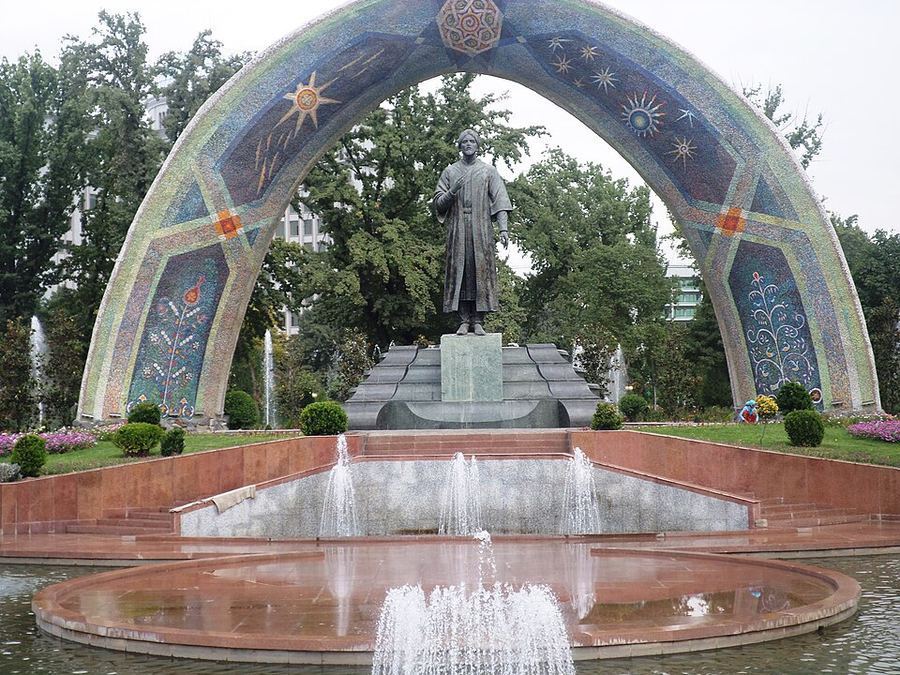
Rudaki, born at Panjrud in the Zarafshon valley in the ninth century and court poet to the Samanids, is honoured across the Persian-speaking world as the founder of classical Persian poetry, and Tajikistan's main avenue, its national library and its literary prizes carry his name. Ismoil Somoni, the Samanid emir whose state presided over that literary flowering, was adopted after independence as the founding figure of the nation, giving his name to the currency and to the country's highest mountain. In the twentieth century Sadriddin Ayni, novelist, scholar and first president of the Tajik Academy of Sciences, effectively created modern Tajik prose, and the historian Bobojon Ghafurov wrote The Tajiks, the work that supplied the republic with a coherent national history. Mirzo Tursunzoda gave Soviet-era Tajik poetry its most public voice. Emomali Rahmon has led the country since 1992, through the civil war and its settlement. In sport the hammer thrower Dilshod Nazarov won Tajikistan's only Olympic gold medal, at Rio de Janeiro in 2016.

Inventions & Breakthroughs

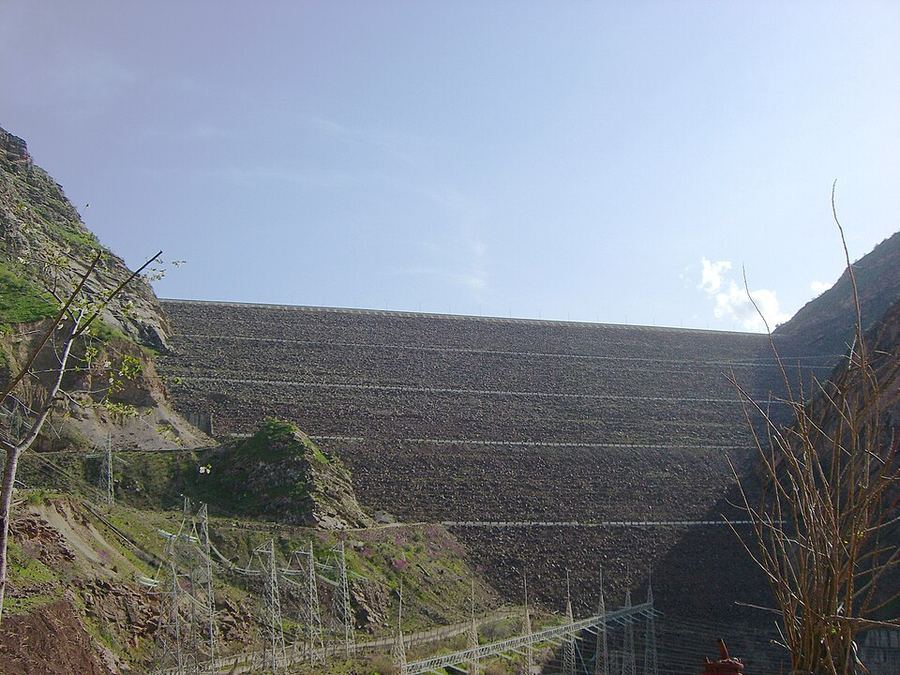
Tajikistan's inventive record is largely one of engineering at extreme scale and of techniques adapted to mountains. The Nurek dam on the Vakhsh, completed in the Soviet period at about 300 metres, was for decades the tallest dam in the world, built in a seismically active gorge; its planned successor upstream, Rogun, is designed to exceed it and would become the tallest dam anywhere if completed. Both are exercises in high-altitude, high-seismicity civil engineering with few parallels. Older Tajik technologies are agricultural and architectural: gravity-fed irrigation canals threaded along valley walls, terraced fields, and the Pamiri chid house, whose five-pillar frame and stepped skylight combine earthquake resistance, insulation against extreme cold and symbolic meaning in one design. In textiles, the resist-dyeing of warp threads to produce atlas and adras ikat is a demanding technique in which the pattern must be dyed before the cloth exists. Tajikistan has also exported a diplomatic idea rather than a product, initiating the United Nations decades and observances that made fresh water and glacier preservation standing items on the global agenda.

Science & Technology

Tajik science is dominated by the mountains and the water they hold. Glaciology is the flagship field: the Fedchenko glacier has been monitored since Soviet times, national inventories record the loss of a large share of glacier area over the past century, and Tajikistan has used that evidence diplomatically, initiating the United Nations observances that made glacier preservation an item of international policy. Seismology and hazard science are equally central in one of the most earthquake-prone countries in Eurasia, and Lake Sarez in the Pamirs — created when an earthquake in 1911 dropped a mountainside across the Murghob valley — is impounded behind what is generally described as the tallest natural dam on earth, monitored continuously because of the consequences a failure would carry downstream. Hydropower engineering is the applied strength, from Nurek to the Rogun project and the cross-border transmission line built to export summer surplus southward. The Academy of Sciences and the universities carry astronomy at the Gissar and Sanglokh observatories and work in seismic engineering, agronomy and biodiversity, on constrained budgets.
NatureScienceUNWorld BankIEA
On The World Stage

Champions & Defining Moments

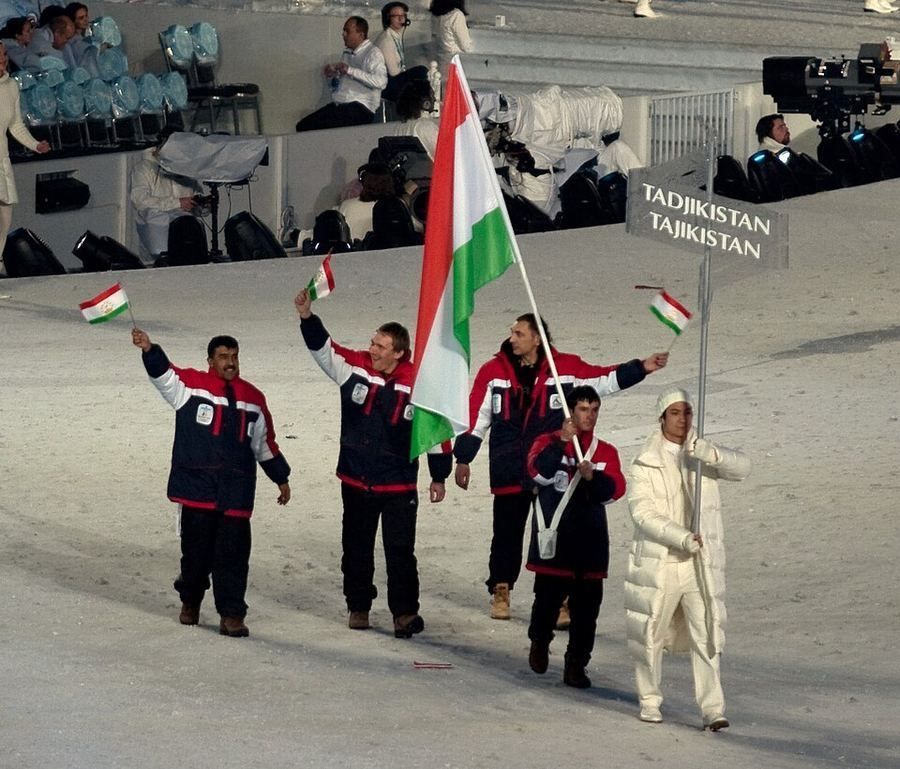
Tajikistan first competed independently at the Olympic Games in 1996 and won its first medals at Beijing in 2008, where Rasul Boqiev took bronze in judo and Yusup Abdusalomov silver in freestyle wrestling; Mavzuna Chorieva added a boxing bronze at London in 2012. The country's single gold came at Rio de Janeiro in 2016, when Dilshod Nazarov won the hammer throw — the first Olympic title for any Tajik athlete and a national event on its own terms. In football, the men's national team qualified for its first AFC Asian Cup in the 2023 edition played in Qatar and, on debut, advanced from the group stage and reached the quarter-finals, one of the outstanding surprises of the tournament and by some distance the country's greatest football achievement. Tajik clubs, led by Istiklol, have reached the later stages of the AFC Cup. Tajik athletes also compete at the Asian Games and the Islamic Solidarity Games, and mountaineering brings a steady international presence to the Pamirs each summer.

IOCOlympediaWorld AthleticsFIFA
Economy, Trade & Government

Currency & GDP

Somoni — TJS (None)

GDP (PPP): $50.37 billion (2024 est.)

Per capita: $4,800 (2024 est.)

Exports

$1.618 billion (2024 est.)

gold, precious metal ore, aluminum, lead ore, antimony (2023)

Partners: Switzerland 31%, Kazakhstan 18%, China 17%, Uzbekistan 10%, Turkey 8% (2023)

Imports

$6.907 billion (2024 est.)

garments, footwear, cars, wheat, vehicle parts/accessories (2023)

Partners: China 57%, Kazakhstan 13%, Uzbekistan 8%, Turkey 6%, UAE 4% (2023)

Government

Type: presidential republic

Independence: 9 September 1991 (from the Soviet Union)

Terrain → Where People Live

How mountains, coasts, and rivers shape settlement (LandScan).

Coming — data

Migration & Ethnic Settlement

Where groups settled and how people move (GeoEPR + UNHCR).

Coming — data

Universities

Notable institutions, mappable as points.

Coming — data
Economy & government facts: CIA World Factbook (public domain), via OpenFactBook / factbook.json.
Every fact and narrative claim will carry a visible source citation. Data-driven sections light up automatically wherever HERA has coverage.