History
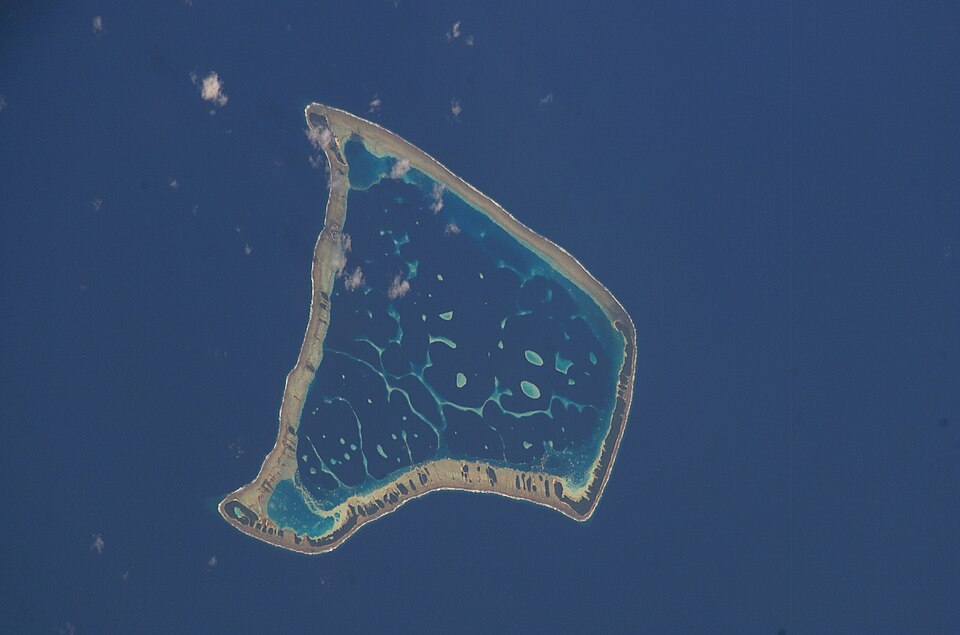
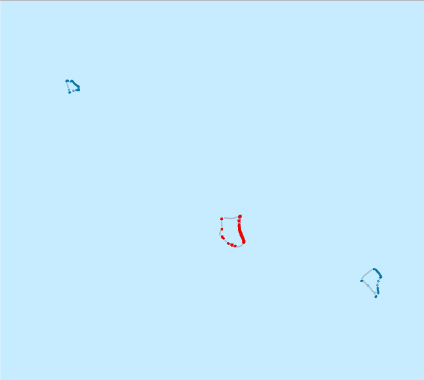
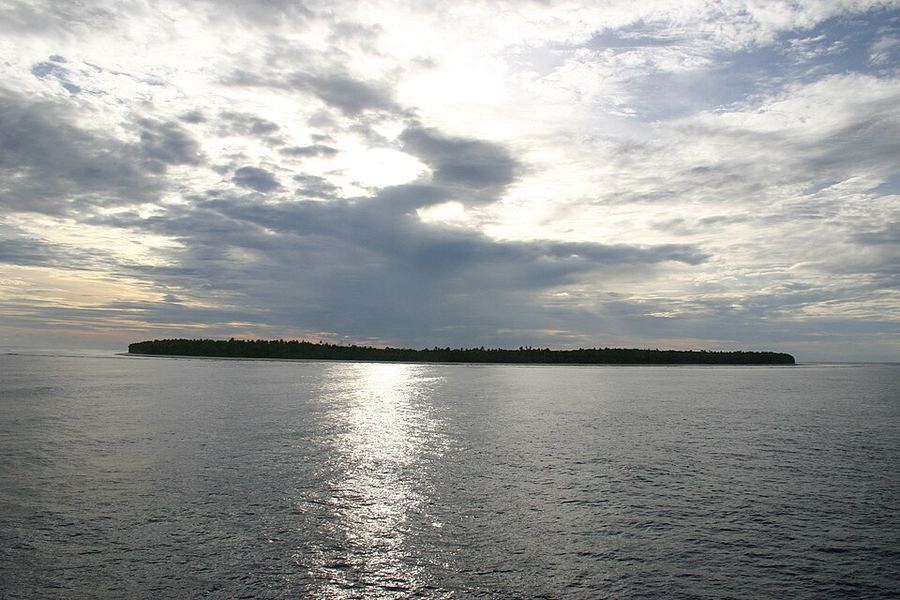
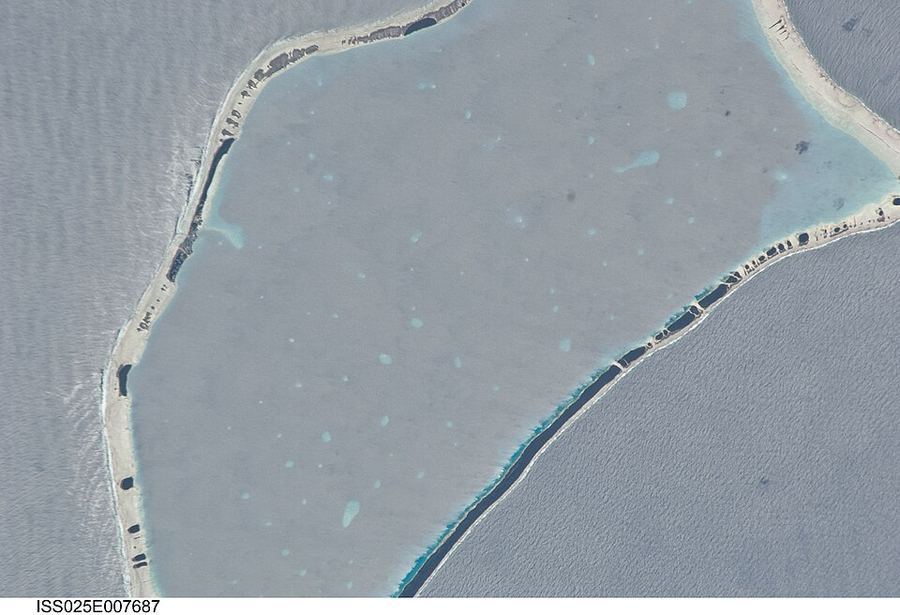
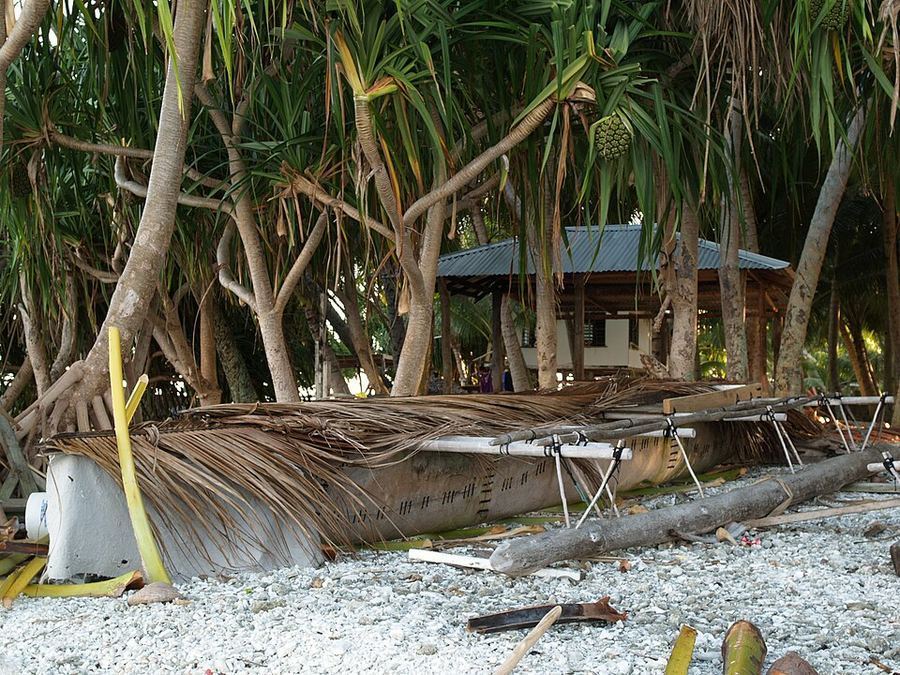
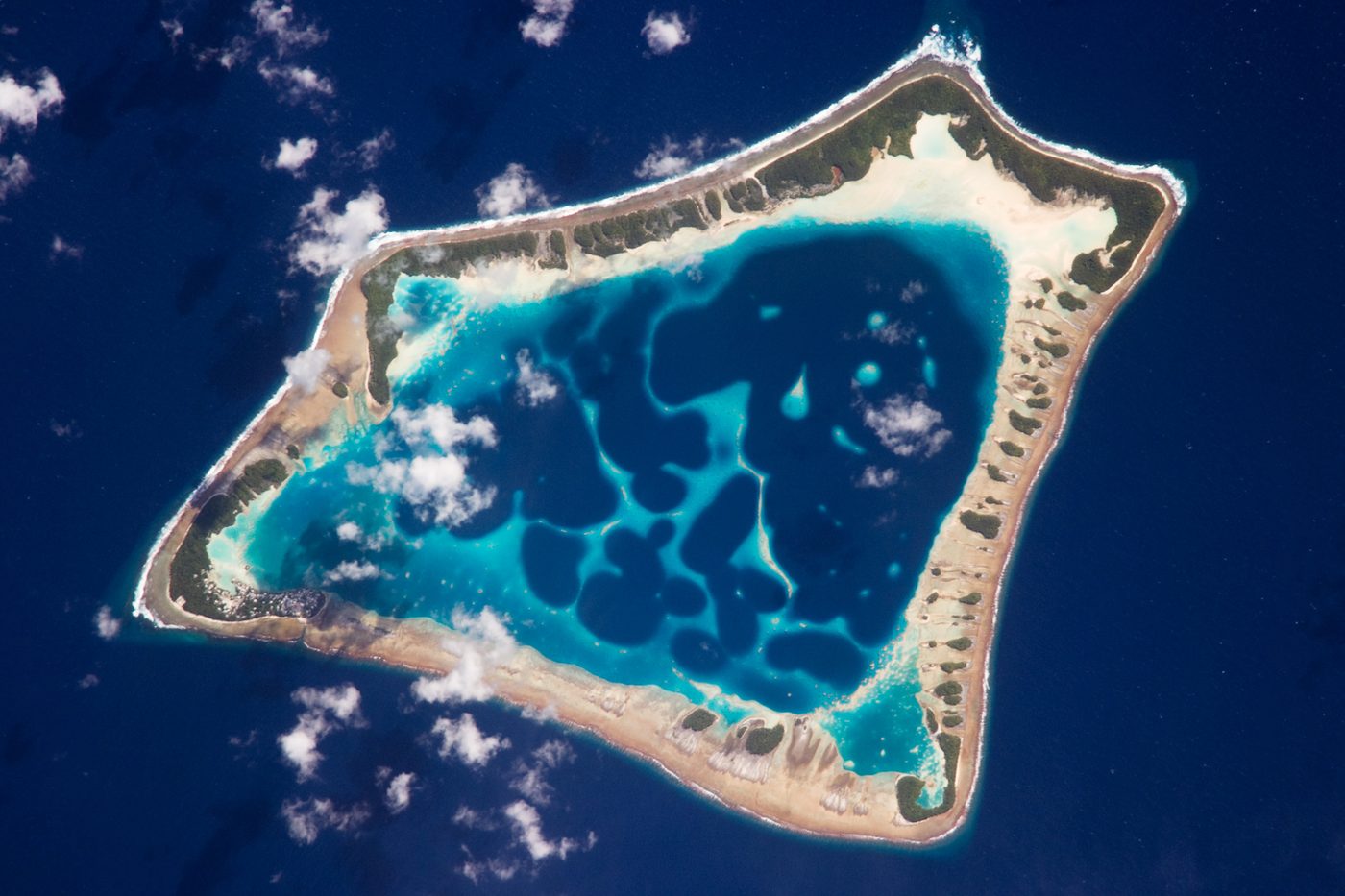
Tokelau is a non-self-governing territory of New Zealand made up of three coral atolls — Atafu, Nukunonu and Fakaofo — scattered across the central Pacific roughly 500 kilometres north of Samoa. Its total land area is about twelve square kilometres, none of it more than a few metres above the sea, and its population is smaller than that of a village in most countries: the CIA World Factbook puts it at under 2,500 people. Against that land area sits an exclusive economic zone of some 290,000 square kilometres, and the licensing of foreign tuna fleets to fish it, together with budget support from New Zealand, funds most public spending. Tokelau has no airport and no deep-water harbour; the only way in is a chartered ship from Apia that takes the better part of a day and then stands offshore while passengers are transferred by aluminium dinghy through a reef passage. There is no capital city, because the administrative seat rotates annually among the atolls along with the office of the head of government. Two United Nations-supervised referendums on self-government in free association with New Zealand, in 2006 and 2007, drew clear majorities but fell short of the required two-thirds, so Tokelau remains on the UN list of territories yet to complete decolonisation.
Tokelau is not a member of the International Olympic Committee and does not have a national Olympic committee, so it has never appeared at the Olympic Games; nor is it a member of FIFA, so it plays no part in World Cup qualifying. Its international sporting life is regional. Tokelau competes at the Pacific Games and the Pacific Mini Games, sending small teams in a handful of codes, and its outstanding result came in lawn bowls at the 2007 Pacific Games hosted by Samoa, where Tokelauan bowlers took gold — an extraordinary outcome for a territory whose entire population would not fill a modest stadium. Tokelauan participation elsewhere is mostly indirect and runs through New Zealand: players of Tokelauan descent appear in New Zealand rugby league and rugby union competitions and in Pacific representative sides, and the territory's sporting identity abroad is largely carried by that diaspora. Distance and cost are the binding constraints — every athlete travelling to a regional games must first take a day-long boat passage to Samoa before any flight begins.
Parliamentary democracy under a constitutional monarchy
Charles III — King
In office since 8 September 2022
Esera Fofō Filipo Tuisano Tuisano — Head of government
Unicameral
Composition — 20 seats
independents 20
Last election 26 January 2023 · 15% women
in New Zealand) (consists of the court president and 8 judges sitting in 3- or 5-judge panels, depending on the case
New Zealand Dollar — NZD ($)
GDP (PPP): $7,711,583 (2017 est.)
Per capita: $6,004 (2017 est.)
cars, telephones, garments, iron fasteners, fabric (2023)
Partners: Czechia 92%, Singapore 2%, Brazil 1%, South Africa 1%, Sri Lanka 1% (2023)
integrated circuits, stone processing machines, refined petroleum, gas turbines, plastic products (2023)
Partners: Samoa 31%, Italy 23%, France 21%, Netherlands 16%, Germany 2% (2023)
Type: parliamentary democracy under a constitutional monarchy
Independence: none (territory of New Zealand)
How mountains, coasts, and rivers shape settlement (LandScan).
Coming — dataWhere groups settled and how people move (GeoEPR + UNHCR).
Coming — dataNotable institutions, mappable as points.
Coming — data