HERA · Human Entity Reference Atlas by Masego Inc

← Timor-Leste 🌐 3D View
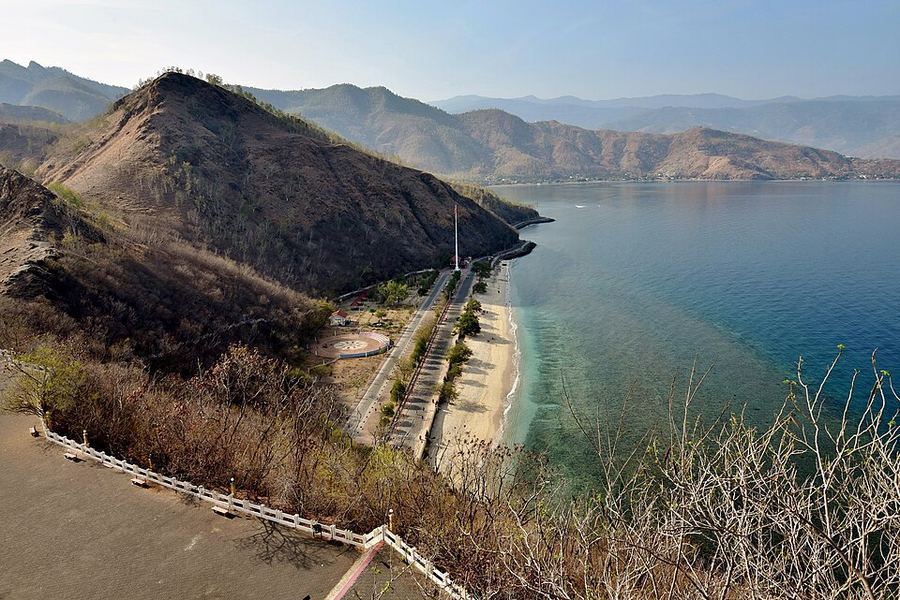
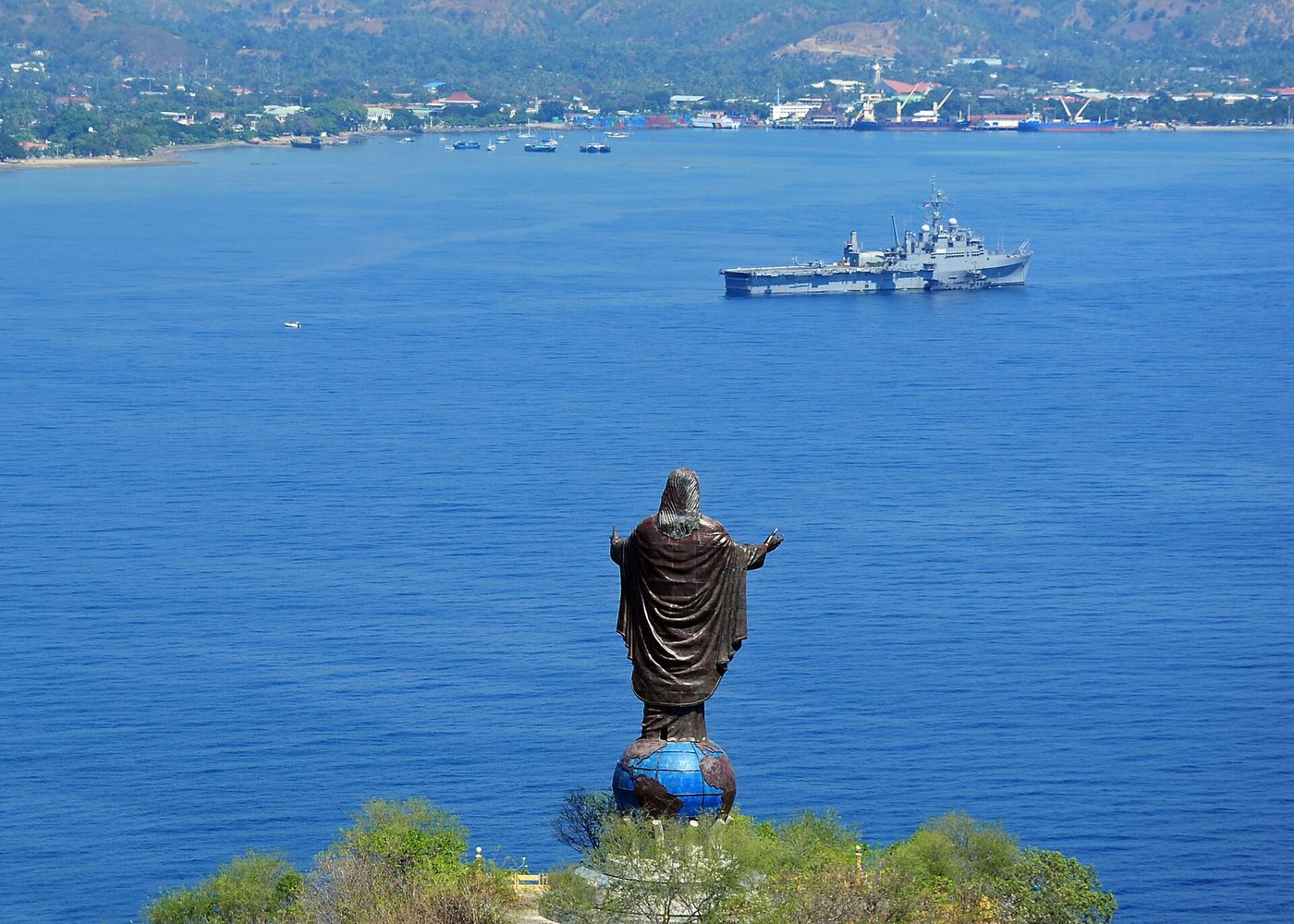
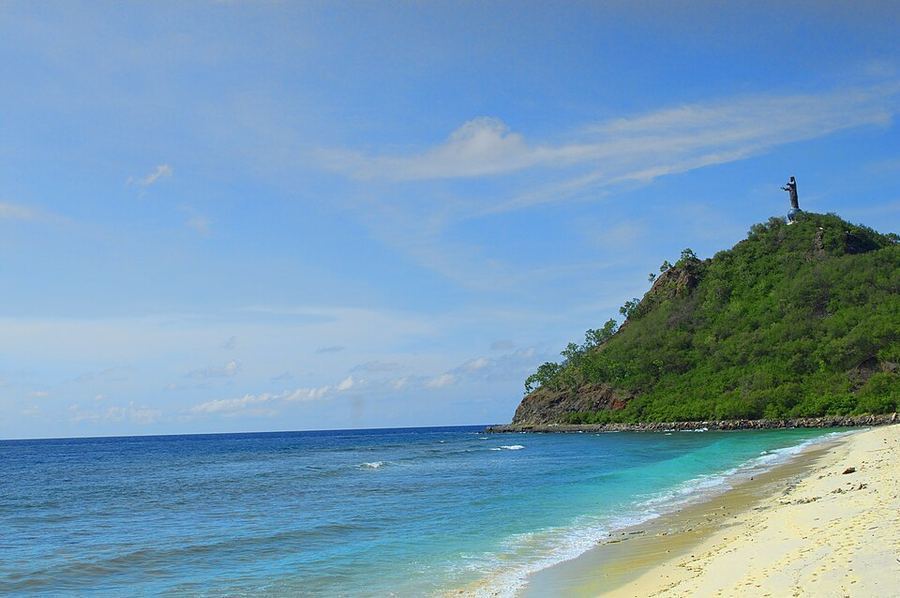
Cristo Rei of Dili, Timor-Leste
Timor-Leste TLS
Cristo Rei of Dili — Photo: U.S. Air Force photo by Tech. Sgt. Tony Tolley / Public domain via Wikimedia Commons
Did You Know Timor-Leste was the first new sovereign state of the twenty-first century, restoring its independence on 20 May 2002 after a United Nations transitional administration. — UN

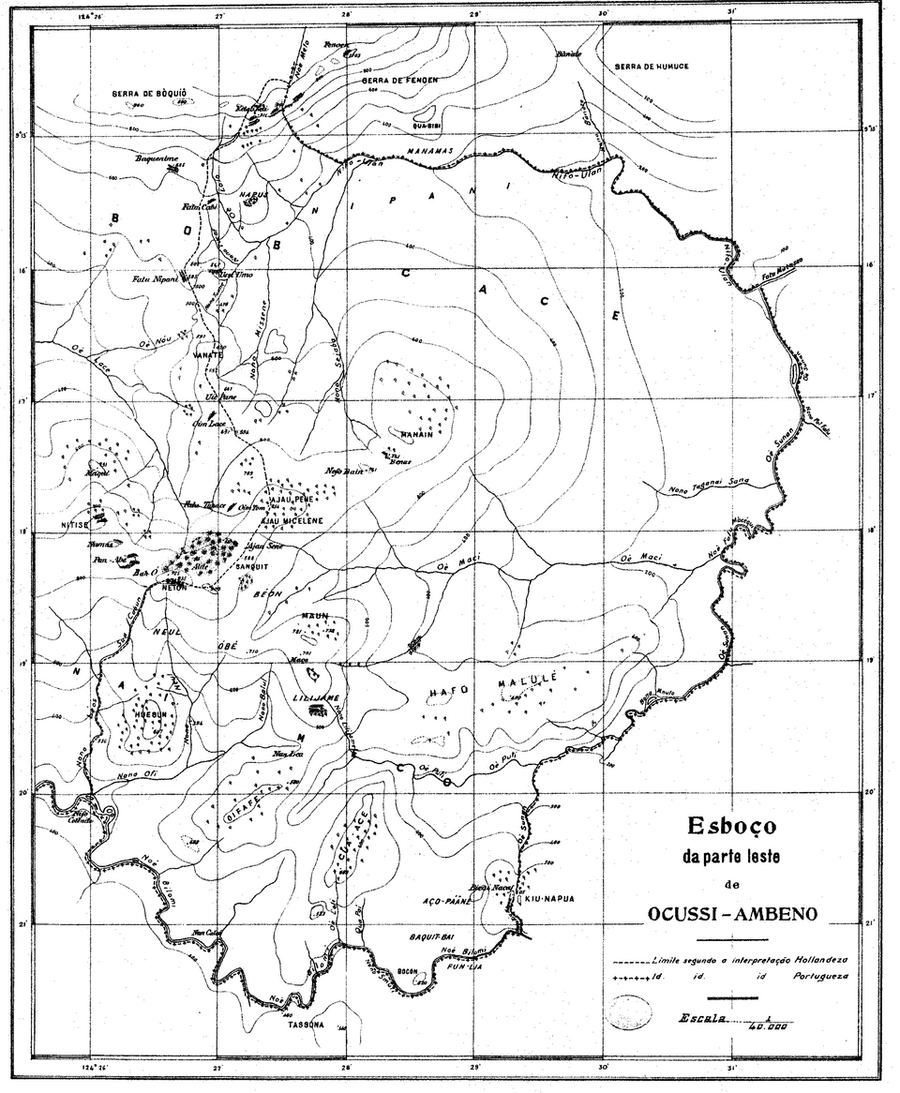
Timor-Leste occupies the eastern half of the island of Timor at the far end of the Indonesian archipelago, together with the enclave of Oecusse on the island's northwest coast, the island of Atauro in the strait north of the capital, and the small island of Jaco off the eastern tip. It is a semi-presidential republic of roughly 1.4 million people, with Dili as its capital, and it is among the youngest countries in the world by both age and demography — the median age is in the low twenties. Portugal held the territory for some four and a half centuries; Indonesia occupied it from 1975 until 1999; and full sovereignty was restored on 20 May 2002 after a United Nations transitional administration, making Timor-Leste the first new sovereign state of the twenty-first century. Tetum and Portuguese are the official languages, with Indonesian and English recognised as working languages, and the population is overwhelmingly Catholic. Revenue from petroleum in the Timor Sea, saved in a sovereign Petroleum Fund since 2005, has financed most public spending, while coffee remains the principal non-oil export and most households still depend on subsistence farming. In October 2025 Timor-Leste was admitted as the eleventh member of ASEAN, ending a two-decade campaign for regional integration.

CIA World FactbookUNWorld BankEncyclopaedia Britannica
Population
1,404,785
Capital
Dili
Currency
Time zones
Largest city
Dili
Human Geography Themes
Loading national figures…
Largest Cities
Dili381,794
In Perspective

Dili's urban core is home to about 381,794 people.

Among the world's megacities, though, it's one of many — the giants of Asia and Latin America run larger still:

Dili381,794
Jakarta40,545,126
Dhaka37,307,160
Tokyo33,244,670
Shanghai30,678,616
Cairo25,230,325
The Country & Its People

History

Timor entered global trade as a source of sandalwood, drawing Chinese, Malay and then Portuguese merchants; Dominican friars established a mission presence from the sixteenth century and Portugal governed first from Lifau in Oecusse before moving the seat to Dili in 1769. A settled colonial boundary with the Dutch half of the island was fixed by treaty in 1859 and refined by arbitration in the early twentieth century. Japanese forces occupied the territory from 1942, and the guerrilla campaign fought by Australian commandos with Timorese support brought savage reprisals in which tens of thousands of Timorese died. Portugal's Carnation Revolution in 1974 opened a rapid decolonisation that collapsed into a brief civil war between Fretilin and UDT; Fretilin declared independence on 28 November 1975 and Indonesian forces invaded nine days later, annexing the territory as a province the following year. The occupation lasted until 1999 and the truth commission established afterwards concluded that at least 102,800 people died as a result of the conflict, the great majority from hunger and illness. The filmed massacre at the Santa Cruz cemetery in Dili in November 1991 transformed international opinion, and in 1996 the Nobel Peace Prize went to José Ramos-Horta and Bishop Carlos Filipe Ximenes Belo. In the United Nations-supervised ballot of 30 August 1999 nearly four-fifths voted for independence; militia violence then destroyed much of the country's infrastructure before an Australian-led international force restored order.
Culture

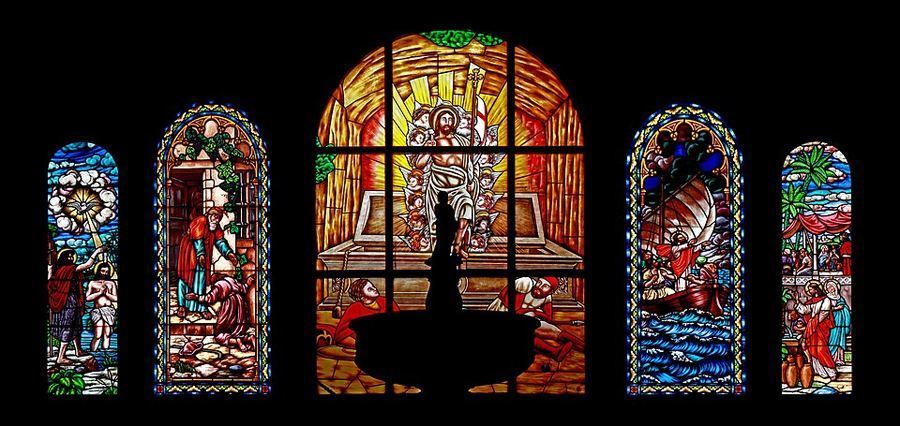
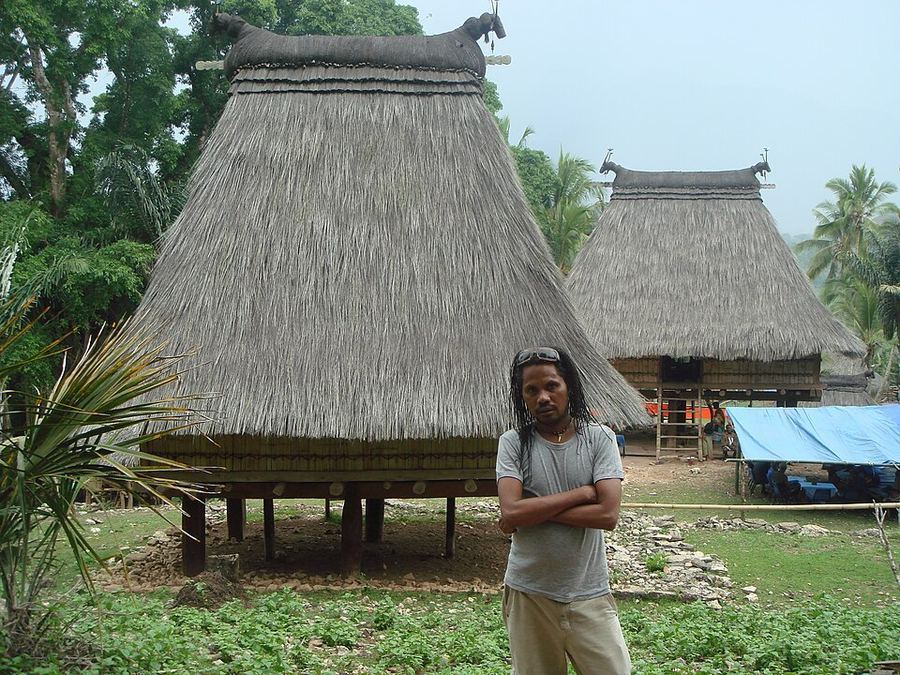
Timorese culture rests on the concept of lulik — the sacred — and on the uma lulik, the sacred house that anchors each descent group, holds its heirlooms and ancestral objects, and is rebuilt with communal labour and ritual sacrifice. Kinship is organised through alliance between wife-giving and wife-taking houses, and the exchanges of barlake, in which livestock, silver discs and woven cloth move in one direction and other valuables in the other, bind families across generations rather than simply settling a marriage. Custom, known as lisan or adat, coexists with the formal state: tara bandu, a public ritual prohibition, is still used to close a reef or forest to harvesting, to ban a practice or to settle a dispute, and has been adopted by local governments as an environmental management tool. Catholicism is woven through all of this. Church membership rose sharply during the Indonesian occupation, when the church became the one institution offering some protection and a place where Tetum could be spoken publicly, and it now shapes the calendar, education and public life while sitting comfortably alongside ancestral practice. Respect for elders, obligations to the extended family and the memory of the resistance generation are strong organising forces in social life.

Points Of Pride

The first source of pride is the independence struggle itself: a small, poor and largely unarmed population sustained twenty-four years of resistance and then won sovereignty through a ballot, an outcome recognised in the 1996 Nobel Peace Prize awarded to José Ramos-Horta and Bishop Carlos Filipe Ximenes Belo. The Petroleum Fund, established in 2005 to save Timor Sea revenue rather than spend it immediately, is held up as a rare example of a young resource-rich state building a transparent savings institution from the outset, and the country was among the earliest anywhere to be certified compliant with the Extractive Industries Transparency Initiative. Diplomatically, Timor-Leste secured a maritime boundary with Australia in 2018 through the first compulsory conciliation ever conducted under the United Nations Convention on the Law of the Sea, and in October 2025 completed its long campaign to join ASEAN. Culturally, tais — the hand-woven cloth used in ceremony, exchange and dress — was inscribed on UNESCO's intangible cultural heritage list in 2021. And the country takes pride in its marine environment: the waters around Atauro island were found in a 2016 survey to hold among the richest reef fish diversity recorded anywhere.

Cultural Fusion

Few countries carry so many layers in so small a space. The indigenous foundation is itself twofold: most Timorese languages, including Tetum, Mambai and Tokodede, are Austronesian, but Fataluku, Makasai and Bunak belong to a Papuan family, so the country straddles one of the sharpest linguistic frontiers in the region. Four and a half centuries of Portuguese presence left Catholicism, Portuguese as an official language, a Lusophone naming and administrative vocabulary, colonial architecture in Dili and Baucau, and membership of the Community of Portuguese Language Countries, which the resistance leadership used as a diplomatic lifeline. The Indonesian occupation left Bahasa Indonesia, which remains widely spoken by those schooled between 1975 and 1999, along with Indonesian commercial ties and food. Tetum itself is a fusion: Tetum Prasa, the lingua franca of Dili, absorbed so much Portuguese vocabulary that it functions as a bridge between the two worlds, while Tetum Terik in the countryside remains closer to its origins. Chinese trading families, present for centuries, and Australian and international presence since 1999 add further layers to Dili's everyday life.

Music & Dance

Timorese performance divides between ceremonial forms tied to the sacred house and popular music shaped by the resistance and by Portuguese and Indonesian influence. Tebe-tebe, a line dance in which participants link arms and stamp in unison to sung call and response, is performed at communal events and rituals across much of the country. Likurai is a women's dance accompanied by a small drum carried at the waist, historically associated with the return of warriors and now performed at welcomes and celebrations. The babadok, a hand drum, and gongs of Southeast Asian type provide the rhythmic base, with bamboo flutes and, from the colonial period, guitars and small string ensembles playing Portuguese-derived song forms. Resistance songs written in the clandestine years occupy a special place in national memory and are sung at commemorations; music was one of the few permitted ways of asserting Timorese identity during the occupation. Contemporary Dili supports a lively scene of hip-hop, reggae and rock sung in Tetum, often with explicitly social or political lyrics, and church choirs remain among the largest and most disciplined musical organisations in the country.

Cuisine & Misattributed Foods

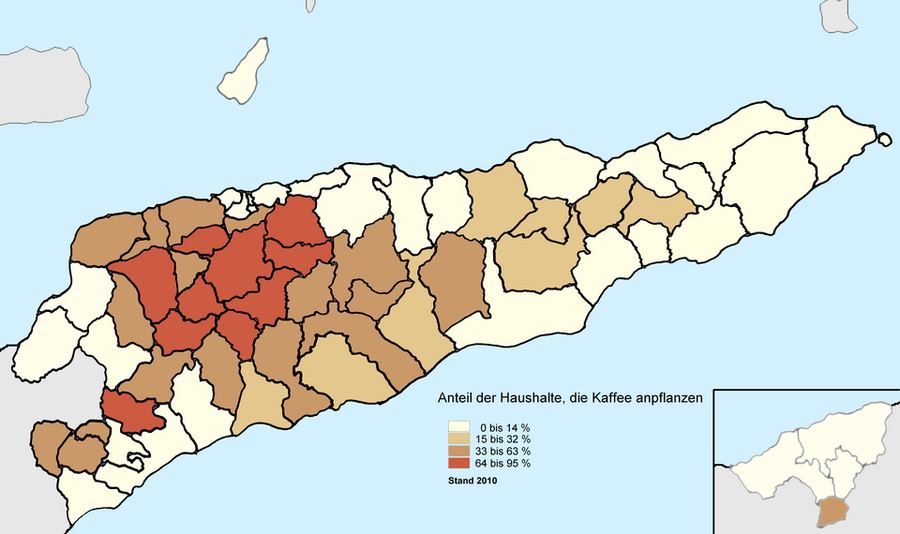
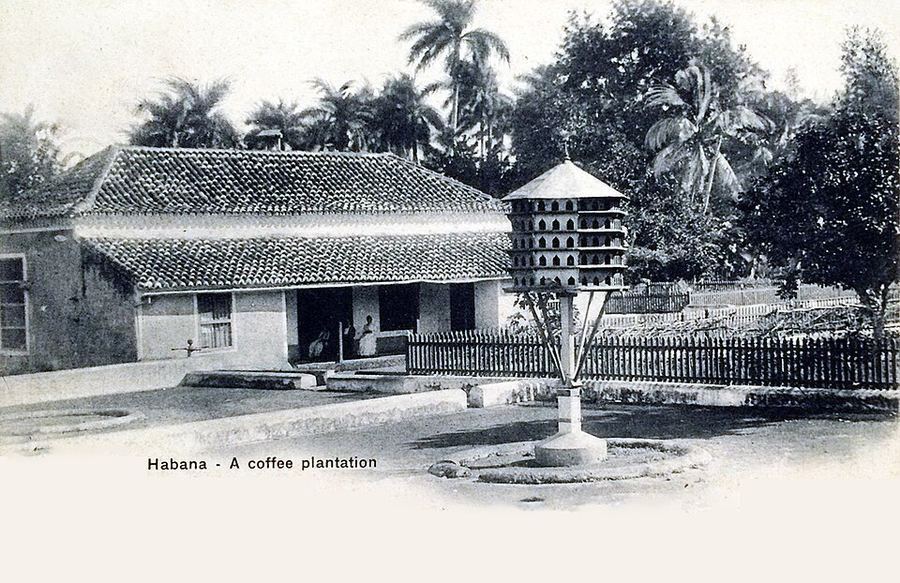
Everyday Timorese food is built on maize, rice, cassava, sweet potato and taro, with fish along the coasts, chicken and pork for occasions, and buffalo or goat slaughtered for ceremonies. Batar da'an, a stew of maize, mung beans and pumpkin, is close to a national dish and reflects the older highland reliance on corn rather than rice. Ikan sabuko is fish marinated with tamarind and basil and grilled over coals; tukir describes meat or fish cooked inside a length of green bamboo; saboko wraps spiced fish in palm leaf before grilling. Budu, a sharp condiment of chilli, lime and onion, accompanies almost everything. Portuguese influence appears in bread, in bean and meat stews, in the use of pork and in caldeirada-style fish dishes, while Indonesian influence brought fried rice, sambal and noodle dishes into ordinary urban eating. Palm products are important: tua mutin, the fresh sap drink, and tua sabu, the distilled spirit, are made across the country. Above all there is coffee — high-grown Arabica, mostly organic by default and largely shade-grown, from Ermera and the central highlands — which is both the main agricultural export and a daily habit.

National Dress

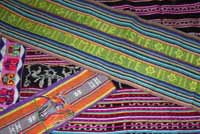
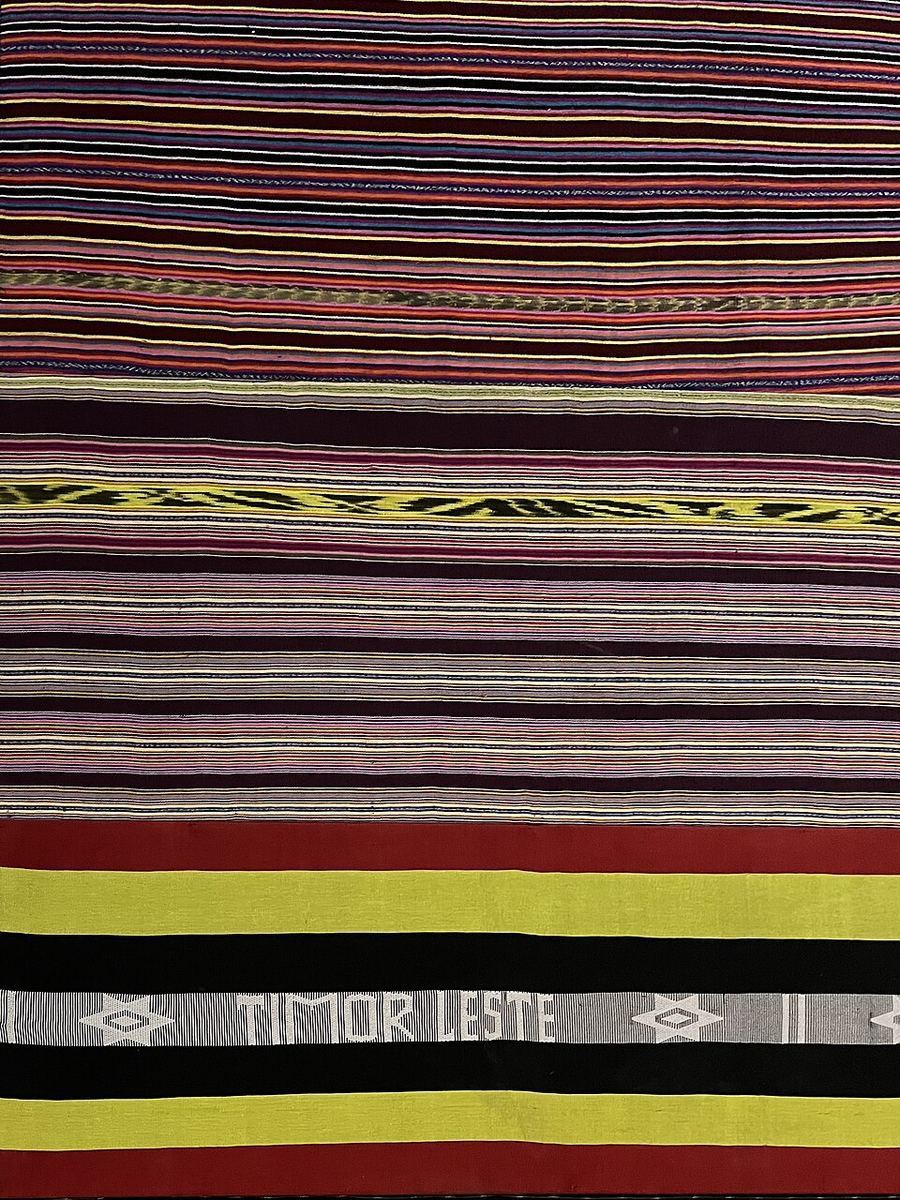
The defining Timorese garment is the tais, a cloth woven on a backstrap loom in narrow panels that are stitched together, its patterns, colours and motifs identifying the district and the descent group of the weaver. Tais mane is worn by men as a wrap around the waist; tais feto is the tubular cloth worn by women. Tais functions far beyond clothing: it is given at births, marriages and funerals, draped over guests as a mark of welcome, used in the exchanges that bind allied houses, and wrapped around the dead. UNESCO inscribed the tradition on its representative list of intangible cultural heritage in 2021, recognising both the weaving itself and its ceremonial role. Ceremonial dress adds a great deal more: the kaibauk, a crescent-shaped headpiece of silver or gold worn upright on the head, the belak disc worn on the chest, feathered and beaded ornaments, and woven belts and bags. Different regions have strongly distinct styles — the geometric weaves of the east differ markedly from those of Oecusse or the south coast — and modern designers in Dili now work tais panels into tailored jackets, dresses and accessories.

Sports & Inspiring Athletes

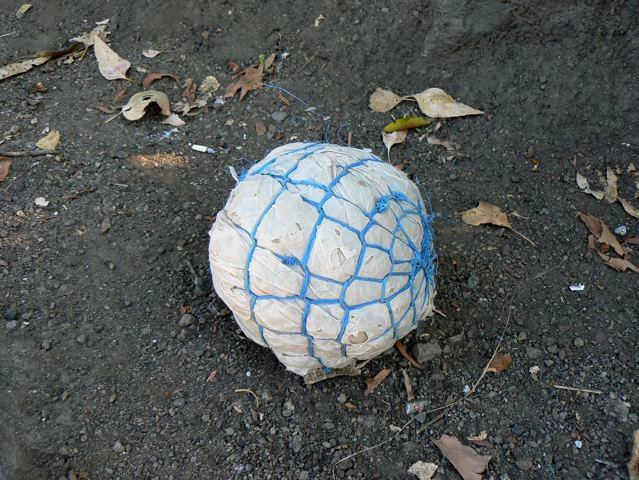
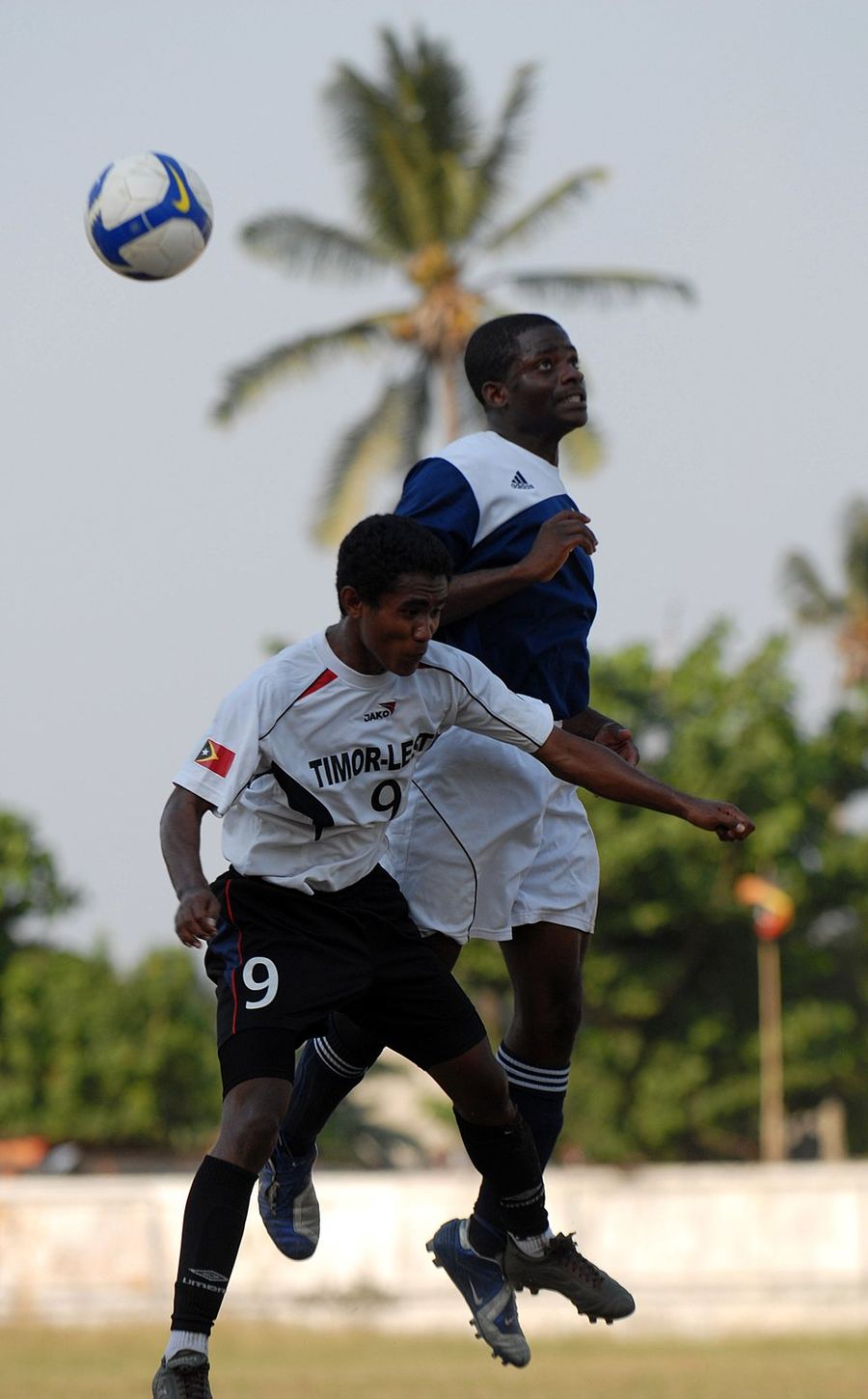
Football is by a distance the most popular sport, played on every patch of level ground and organised in a national competition under the Timor-Leste Football Federation, with the national team competing in Asian Football Confederation and Southeast Asian qualification. Martial arts occupy an unusual position: groups teaching pencak silat and related disciplines, several of them with roots in Indonesian organisations, attract very large memberships among young men and have functioned as social networks and, at times, as sources of serious public disorder, leading the government to ban or regulate particular groups. Boxing, taekwondo and athletics have organised followings, and volleyball is widely played, including by women in villages where few other organised sports are available. Cycling has grown considerably around the Tour de Timor, a multi-day mountain bike race across the country's mountain roads founded after independence to showcase the interior and to draw visitors. Traditional contests, including buffalo-related events, horse racing on rural tracks and cockfighting, remain part of festival life. Facilities are limited outside Dili, and sport development is constrained by the same terrain and transport problems that affect everything else.

Notable Educational Programs

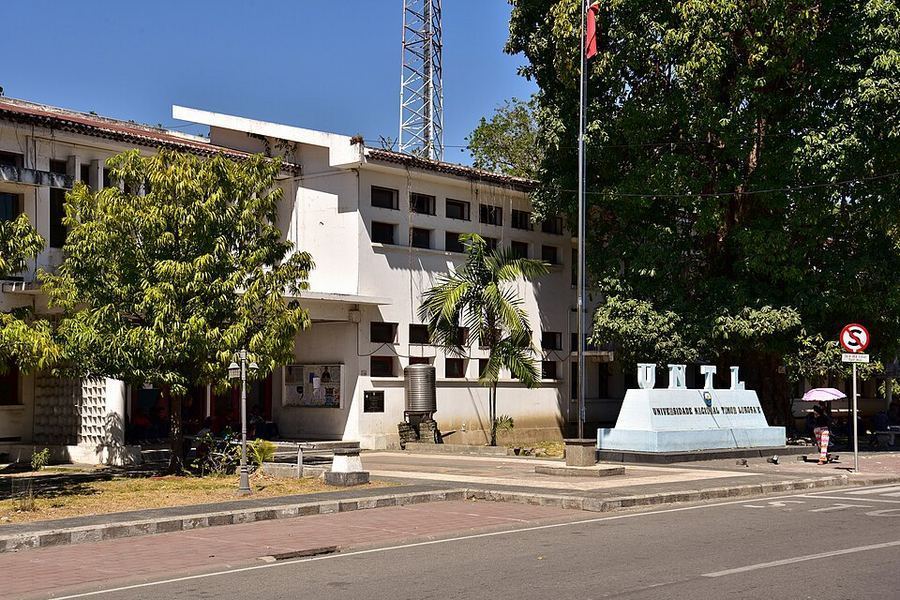
Rebuilding education has been one of the hardest tasks of independence: the violence of 1999 destroyed a large share of school buildings, and the departure of Indonesian teachers removed much of the workforce at a stroke. The constitution made Portuguese and Tetum the languages of instruction, a decision that reconnected the country to the Lusophone world and to the resistance generation but left teachers schooled in Indonesian, and children speaking one of some thirty local languages at home, working in a language few commanded; mother-tongue based multilingual approaches in the early years have since been trialled to address this. The Universidade Nacional Timor Lorosa'e in Dili, established in 2000, is the leading public institution, alongside a growing number of private universities and polytechnics. One of the most striking programmes has been the long-running partnership with Cuba, under which Cuban doctors served in rural districts and around a thousand Timorese students trained as physicians in Cuba and at a faculty of medicine established with Cuban teaching staff, transforming a country that had almost no doctors at independence. Scholarships to Portugal, Brazil, Indonesia, Australia and New Zealand remain a major route to higher qualifications.

Wars & Conflicts

Timor-Leste has been at peace since 2002, but its recent history is defined by conflict. The Indonesian occupation from 1975 to 1999 produced famine, forced displacement, mass detention and killings; the Commission for Reception, Truth and Reconciliation concluded that at least 102,800 people died in conflict-related circumstances, most from hunger and illness caused by military operations and forced relocation. The Santa Cruz cemetery massacre in Dili in November 1991, in which soldiers fired on a funeral procession and which was filmed and smuggled out, was the turning point in international attention. Militia forces organised and supported by elements of the Indonesian military carried out a scorched-earth campaign after the 1999 ballot, destroying most of the country's buildings and infrastructure and displacing hundreds of thousands. Since independence the most serious crisis came in 2006, when a dispute within the armed forces split the security services along regional lines and produced street fighting in Dili and mass displacement, requiring the return of international forces; in 2008 the president and prime minister survived coordinated armed attacks. Accountability for occupation-era crimes remains largely unresolved, a source of continuing criticism from human rights organisations.
UNHuman Rights WatchAmnesty InternationalBBCEncyclopaedia Britannica
Current as of 2026-08-07

Land & Border Disputes

The long-running dispute with Australia over the Timor Sea concerned both the maritime boundary and the revenue from petroleum fields lying between the two countries. Successive arrangements — the Timor Gap arrangements inherited from the Indonesian period, and a treaty concluded in 2006 that deferred the boundary question for decades — were contested by Timor-Leste, which argued for a median line and challenged the conduct of the earlier negotiations. In 2016 Timor-Leste initiated the first compulsory conciliation ever brought under the United Nations Convention on the Law of the Sea, and in March 2018 the two governments signed a treaty establishing a permanent maritime boundary and a revised revenue split for the Greater Sunrise field. How Greater Sunrise should be developed — piped to a processing plant on Timor-Leste's south coast, as the government insists, or handled offshore, as commercial partners have preferred — remains unresolved and is the central question for the country's fiscal future as older fields decline. On land, the border with Indonesia is largely agreed following demarcation work and further agreement in 2019, with a small number of contested segments around the Oecusse enclave still outstanding.
Land, Life & Legacy

Land & Climate

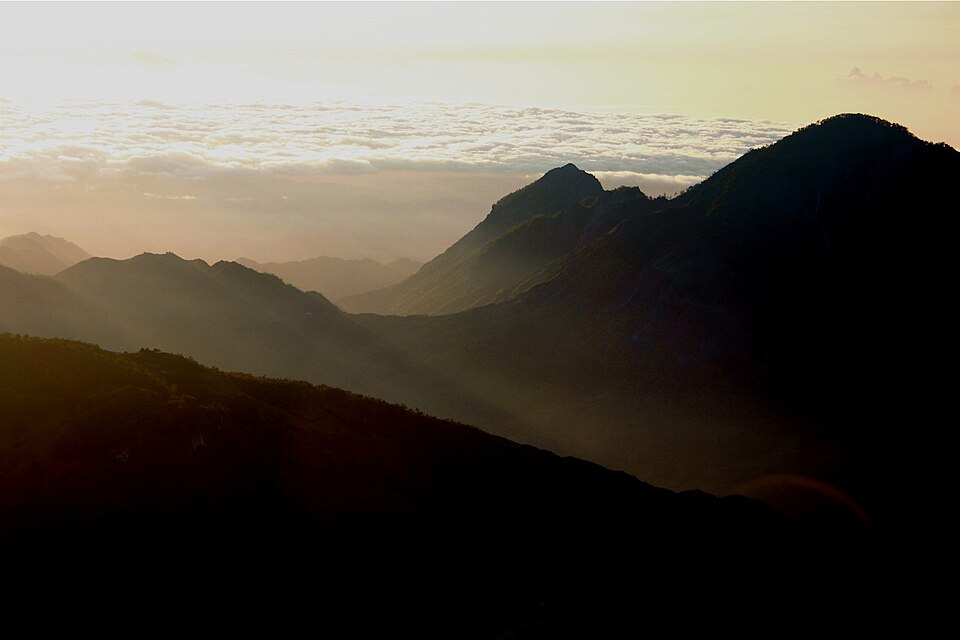
A rugged mountain spine runs the length of the country, rising to Tatamailau, or Mount Ramelau, at 2,986 metres, and dropping steeply to narrow coastal plains, which is why travel between districts is slow and why many communities were effectively unreachable during the occupation. The north coast faces the Wetar Strait and has a single short wet season; the south coast, facing the Timor Sea, receives rain over a longer period, giving the country two distinct agricultural calendars. Soils are thin and erosion is severe on the steeper slopes, and deforestation for firewood and shifting cultivation has been a persistent problem. Timor-Leste sits within the Coral Triangle, and its marine environment is exceptional: the deep channel between Dili and Atauro island carries cetaceans in large numbers on migration, and a survey of Atauro's reefs in 2016 recorded reef fish diversity among the highest ever measured. The Nino Konis Santana National Park in the far east, the country's first, protects both forest and reef along with prehistoric rock art in coastal caves. The climate is tropical, hot on the coast and cool in the highlands, and the country is exposed to cyclones, flash flooding and landslides, as severe floods in Dili in April 2021 demonstrated.

Entertainment

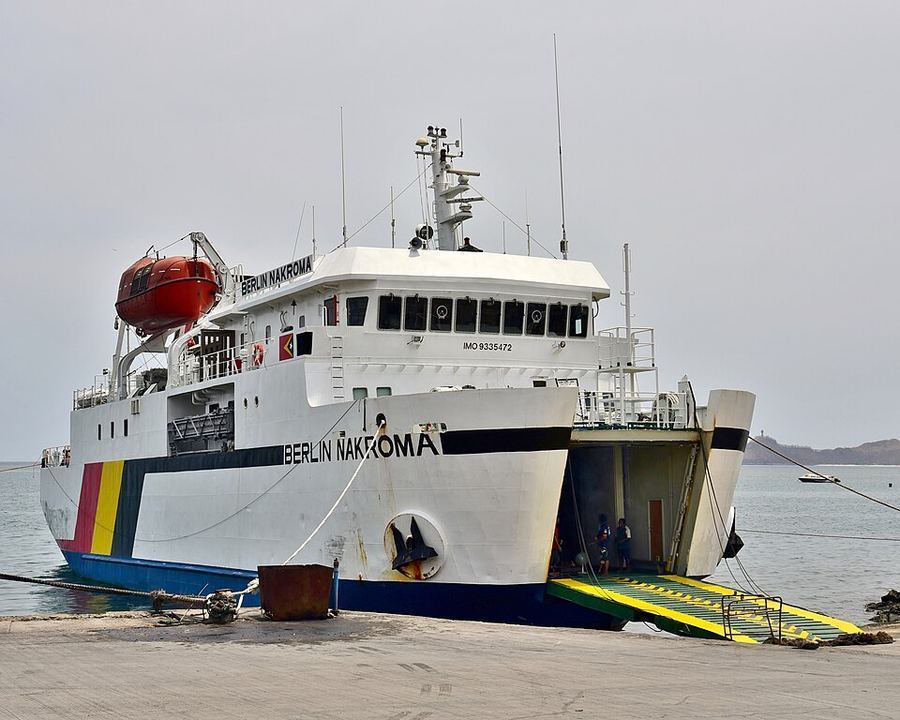
Sunday shapes the week: mass, followed by long family meals and visiting, is the fixed point of Timorese leisure, and religious festivals and saints' days for individual villages draw people back from the capital. Along the Dili waterfront, evening walking, swimming and eating grilled fish from stalls on the beach road are near-universal pastimes, and the statue of Cristo Rei on the headland east of the city, reached by a long flight of steps, is both a pilgrimage site and the city's favourite exercise route. Football on any flat ground, volleyball, and martial arts training occupy young men in particular. Cockfighting remains extremely popular in rural areas and is a significant social and gambling event despite periodic official discouragement. Weekend trips to Atauro island by ferry or small boat, to the beaches at Areia Branca and Dollar Beach, and to the cooler highlands around Maubisse are the standard escapes for those in Dili. Coffee houses, karaoke, and increasingly mobile-phone entertainment fill urban evenings, while in villages the exchange of stories, palm wine and communal work parties remain the ordinary form of sociability.

Art & Museums

Weaving is the central artistic tradition, and the tais is the object in which Timorese design achieves the greatest complexity, with warp-ikat patterning in some regions and supplementary weft figures in others, each district maintaining a distinct grammar of motif and colour. Metalwork produces the crescent kaibauk headpiece and the belak breast disc in silver, brass and gold, forms with clear ritual meaning. Carving in wood and horn covers house posts, doors and lintels of the uma lulik, ancestral figures, and everyday items, while basketry and palm-leaf work are highly developed. The oldest art in the country is in its caves: painted rock art at Ile Kere Kere and other sites in the Lautém region, with hand stencils, boats and human and animal figures, is among the significant prehistoric painting of island Southeast Asia. Contemporary art in Timor-Leste is young and strongly political: the Arte Moris centre, founded in Dili after independence, trained a generation of painters and sculptors, and public murals across the capital commemorate the resistance, address social problems and mark anniversaries, making street painting the most visible art form in the country.

Notable People

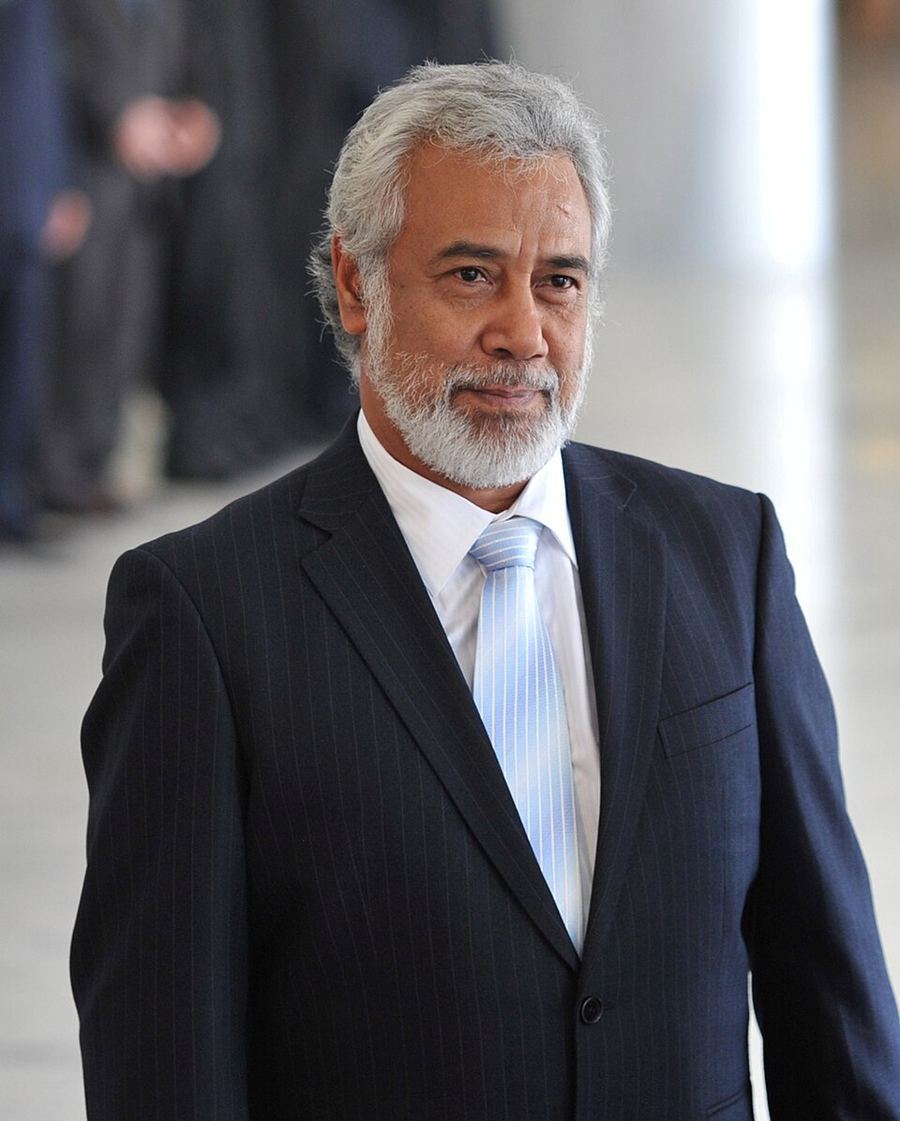
Xanana Gusmão, poet, guerrilla commander of Falintil, prisoner in Jakarta, and afterwards the country's first president and later prime minister, is the dominant figure of modern Timor-Leste. José Ramos-Horta, who spent the occupation years arguing the Timorese case in exile at the United Nations and elsewhere, shared the 1996 Nobel Peace Prize with Bishop Carlos Filipe Ximenes Belo, the apostolic administrator of Dili whose church sheltered and spoke for the population through the worst years; Ramos-Horta later served as president twice. Nicolau Lobato, the Fretilin leader and Falintil commander killed by Indonesian forces in 1978, is commemorated in the name of the international airport and remains the resistance martyr above all others. Taur Matan Ruak, who led Falintil after Gusmão's capture, went on to serve as president and prime minister. Among those who documented the struggle, the British journalist Max Stahl, whose footage of the Santa Cruz massacre reached the world in 1991 and who was later granted Timorese citizenship, has a particular place in national memory. Mari Alkatiri, the country's first prime minister, is the leading figure of Fretilin's political tradition.

Inventions & Breakthroughs

Timor-Leste's most consequential contribution to the wider world is agricultural and was found rather than designed: the Hibrido de Timor, a natural cross between Arabica and Robusta coffee discovered on the island in the twentieth century, carries resistance to coffee leaf rust and has been used by breeders worldwide as the parent of rust-resistant varieties now grown across Latin America, Africa and Asia. That single genetic accident, preserved and propagated from Timorese plantations, underpins a large share of global coffee production. Domestically, the country's characteristic technologies are architectural and ecological. The uma lulik, raised on posts with a steeply pitched thatched roof, varies by region into forms — the conical houses of the Bunak and Fataluku areas among them — that manage heat, smoke and storage of grain in the roof space. Tara bandu is a social technology as much as a ritual: a publicly declared prohibition, enforced by community sanction rather than by police, that has proved effective at closing reefs and forests to harvest long enough to recover, and which has been formally incorporated into local environmental governance. Backstrap loom weaving, warp-ikat dyeing and palm-sap processing complete a repertoire of low-input techniques adapted to steep terrain and thin soils.

Science & Technology

The country's most significant institutional innovation is financial rather than technical: the Petroleum Fund, created in 2005 on a model drawing on Norwegian practice, receives all state petroleum revenue, invests it abroad and permits withdrawals against a defined sustainable income estimate, with published accounts and parliamentary oversight. Timor-Leste was among the first countries in Asia certified as compliant with the Extractive Industries Transparency Initiative, and the fund is studied as a test of whether a new state can avoid the resource curse — a test complicated by the decline of the Bayu-Undan field and by drawdowns running well above the sustainable rate. Scientific capacity is concentrated in agriculture and health: research on coffee, maize and cassava varieties suited to steep, low-input farming, and public health work on malaria, tuberculosis and childhood malnutrition. The country's marine science profile has grown with the documentation of Atauro's reefs and the cetacean migrations of the Wetar Strait, which underpin an emerging dive and whale-watching sector. Mobile telephony spread rapidly after independence and is now the main channel for banking, information and government services, while fixed infrastructure, laboratory capacity and the domestic research base remain thin.
On The World Stage

Champions & Defining Moments

Timorese athletes first appeared at the Olympic Games in Sydney in 2000, before independence, competing under the Olympic flag as individual athletes because there was as yet no national state or Olympic committee; the country has entered under its own flag at every Summer Games since Athens in 2004, in athletics, weightlifting, boxing and other disciplines, without yet winning a medal. Participation is typically limited to a handful of competitors admitted through universality places, reflecting the near-absence of elite training infrastructure. Timor-Leste is a full member of FIFA and the Asian Football Confederation and takes part in World Cup and Asian Cup qualification without having reached a final tournament; the national side's most regular competitive outings come in Southeast Asian regional championships. The country competes at the Southeast Asian Games and the Asian Games, where its strongest results have come in boxing, athletics and martial arts. Admission to ASEAN in October 2025 is expected to deepen its involvement in regional sporting competition, and the Tour de Timor draws an international field of cyclists to the country each year.

Economy, Trade & Government

Currency & GDP

GDP (PPP): $5.863 billion (2024 est.)

Per capita: $4,200 (2024 est.)

Exports

$278.047 million (2024 est.)

crude petroleum, natural gas, coffee, scrap iron, telephones (2023)

Partners: China 46%, Singapore 25%, Japan 15%, Indonesia 5%, USA 3% (2023)

Imports

$1.197 billion (2024 est.)

refined petroleum, rice, cars, plastic products, trucks (2023)

Partners: Indonesia 34%, China 26%, Singapore 9%, Taiwan 5%, India 4% (2023)

Government

Type: semi-presidential republic

Independence: 28 November 1975 (from Portugal); 20 May 2002 (from Indonesia)

Terrain → Where People Live

How mountains, coasts, and rivers shape settlement (LandScan).

Coming — data

Migration & Ethnic Settlement

Where groups settled and how people move (GeoEPR + UNHCR).

Coming — data

Universities

Notable institutions, mappable as points.

Coming — data
Economy & government facts: CIA World Factbook (public domain), via OpenFactBook / factbook.json.
Every fact and narrative claim will carry a visible source citation. Data-driven sections light up automatically wherever HERA has coverage.