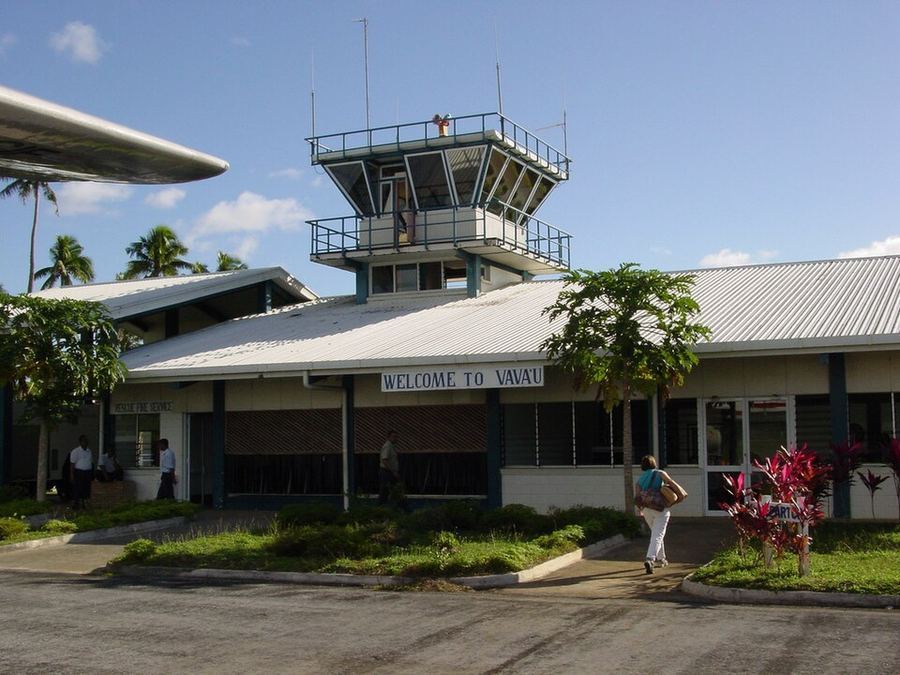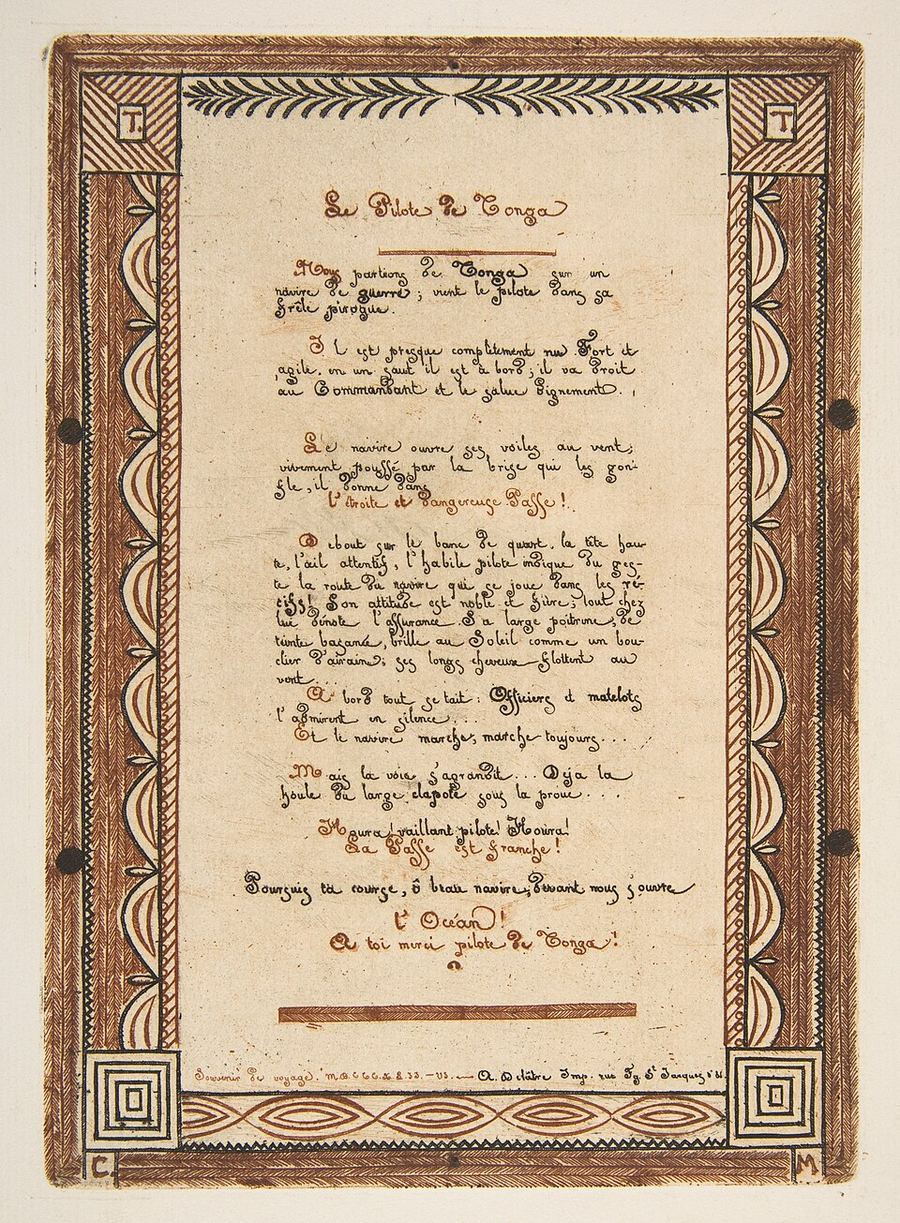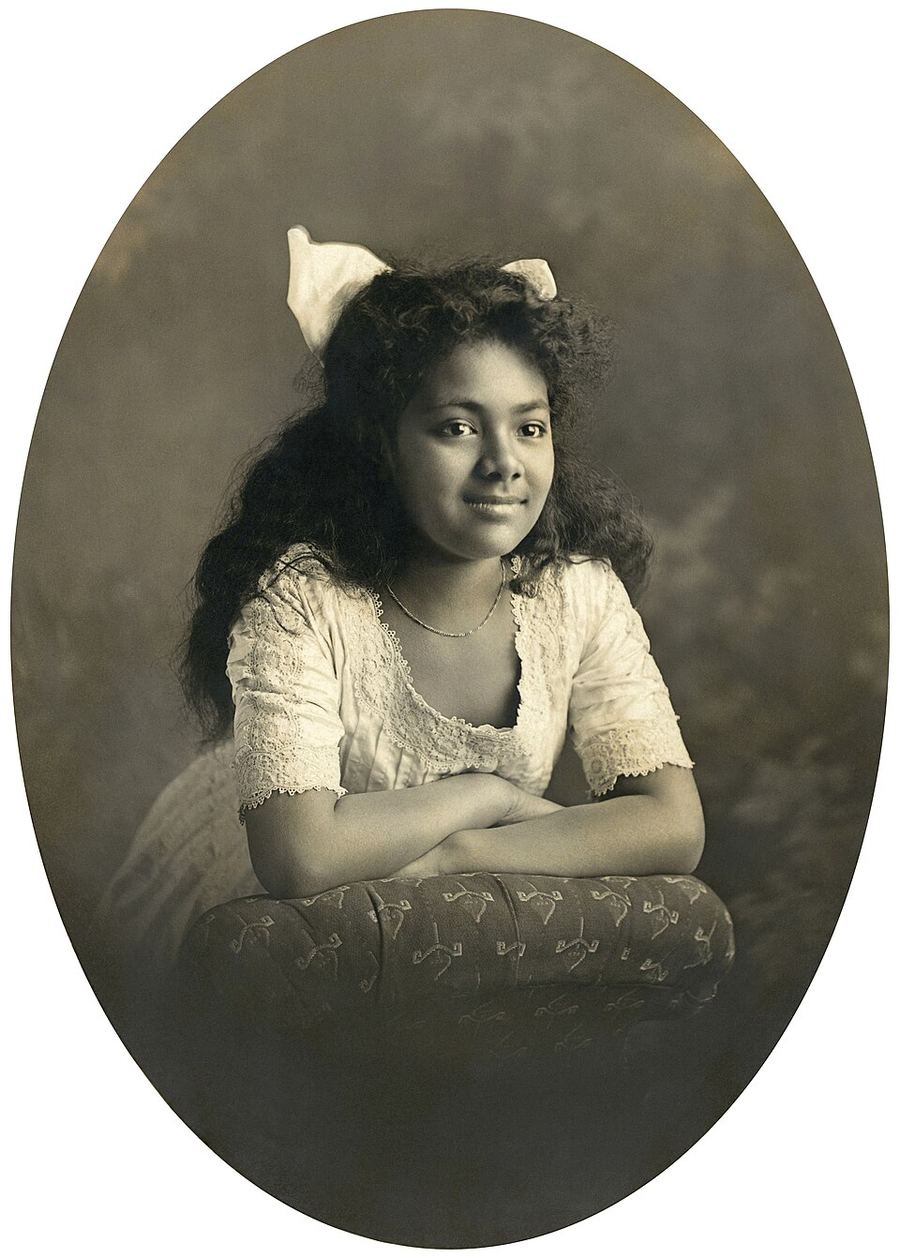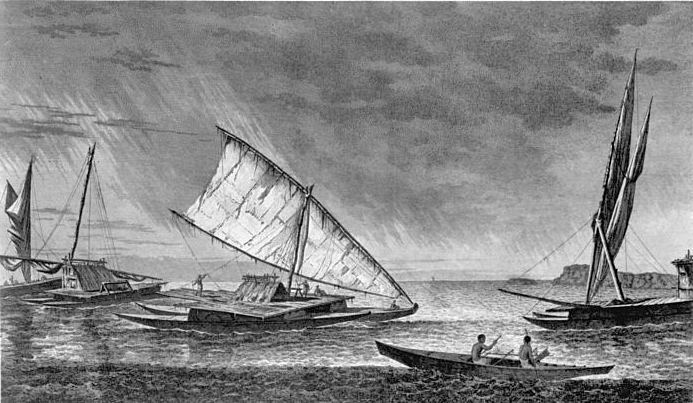
Tonga is a Polynesian archipelago of some 170 islands, around three dozen of them inhabited, strung along a north-south line in the southwestern Pacific east of Fiji. Its roughly 100,000 people live mainly on Tongatapu, the low coral island in the south where the capital Nuku'alofa stands, with further populations in the Ha'apai group, in Vava'u to the north, on 'Eua, and on the remote Niuas. Tonga is the only Pacific island nation never brought under full colonial rule: it accepted British protection in 1900 while keeping its monarchy, its constitution and its internal government, and resumed full control of its foreign affairs in 1970. It remains a constitutional monarchy, and the reforms of 2010 shifted the balance of parliamentary power toward elected representatives for the first time. The land is held by the Crown and allocated through hereditary noble estates, a system that shapes everything from farming to migration. The economy rests on agriculture, fishing, tourism and, above all, remittances: the Tongan diaspora in New Zealand, Australia and the United States sends home a share of national income that ranks among the highest anywhere in the world. Sitting on the Ring of Fire beside one of the deepest trenches on earth, the country is also among the most exposed to earthquakes, cyclones and volcanic eruption.
Nuku'alofa's urban core is home to about 51,991 people.
Among the world's megacities, though, it's one of many — the giants of Asia and Latin America run larger still:
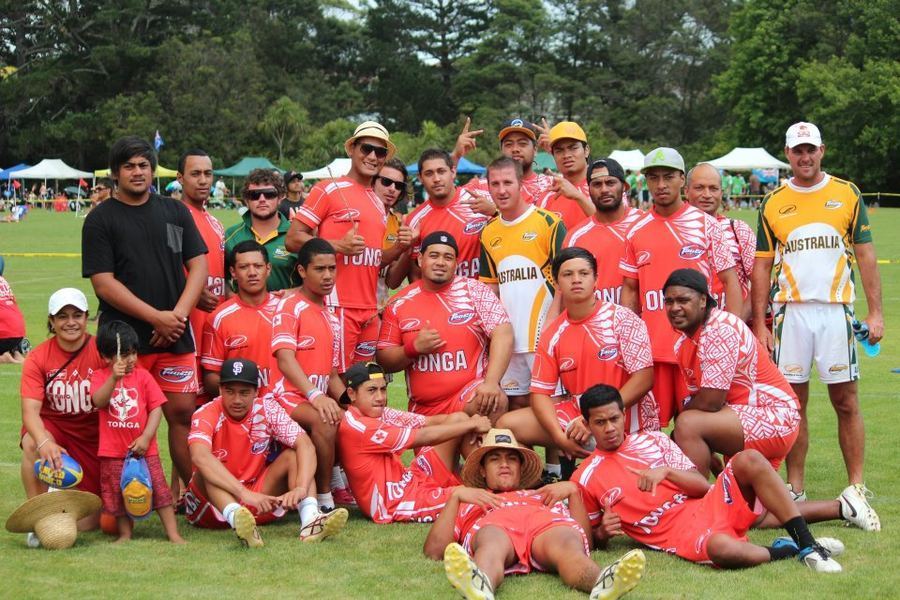
Tonga's national rugby union side, the 'Ikale Tahi, has appeared at every Rugby World Cup since the tournament began in 1987, and its greatest result came in 2011 when it beat France in the pool stage — France went on to reach the final. In rugby league, Mate Ma'a Tonga produced one of the sport's great modern stories: backed by extraordinary crowds of Tongan supporters, the team reached the semi-finals of the 2017 World Cup after defeating New Zealand, and beat Australia in 2019, results that reordered the international game and drew players of Tongan descent back from other national teams. At the Olympic Games, where Tonga has competed since 1984, the country's single medal is Paea Wolfgramm's super-heavyweight boxing silver at Atlanta in 1996; Pita Taufatofua later brought Tonga worldwide attention by carrying the flag at the Rio opening ceremony and then qualifying for both the Winter Games in cross-country skiing and further Summer Games in other disciplines. Tongan athletes also compete at the Pacific Games and Commonwealth Games, and the country's most significant sporting export remains the steady flow of players into professional rugby abroad.
Pa’anga — TOP (None)
GDP (PPP): $740.082 million (2023 est.)
Per capita: $7,100 (2023 est.)
$119.511 million (2024 est.)
refined petroleum, gold, processed fruits and nuts, cassava, fish (2023)
Partners: Guyana 17%, USA 17%, NZ 15%, Australia 15%, UAE 12% (2023)
$392.888 million (2024 est.)
refined petroleum, plastic products, poultry, cars, sheep and goat meat (2023)
Partners: Fiji 27%, NZ 24%, China 21%, Australia 8%, USA 5% (2023)
Type: constitutional monarchy
Independence: 4 June 1970 (from UK protectorate status)
How mountains, coasts, and rivers shape settlement (LandScan).
Coming — dataWhere groups settled and how people move (GeoEPR + UNHCR).
Coming — dataNotable institutions, mappable as points.
Coming — data