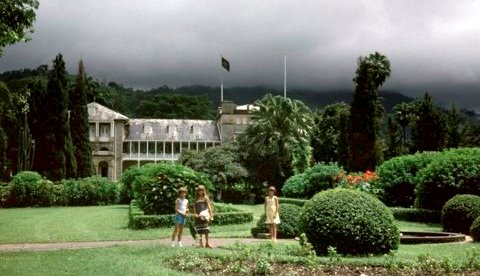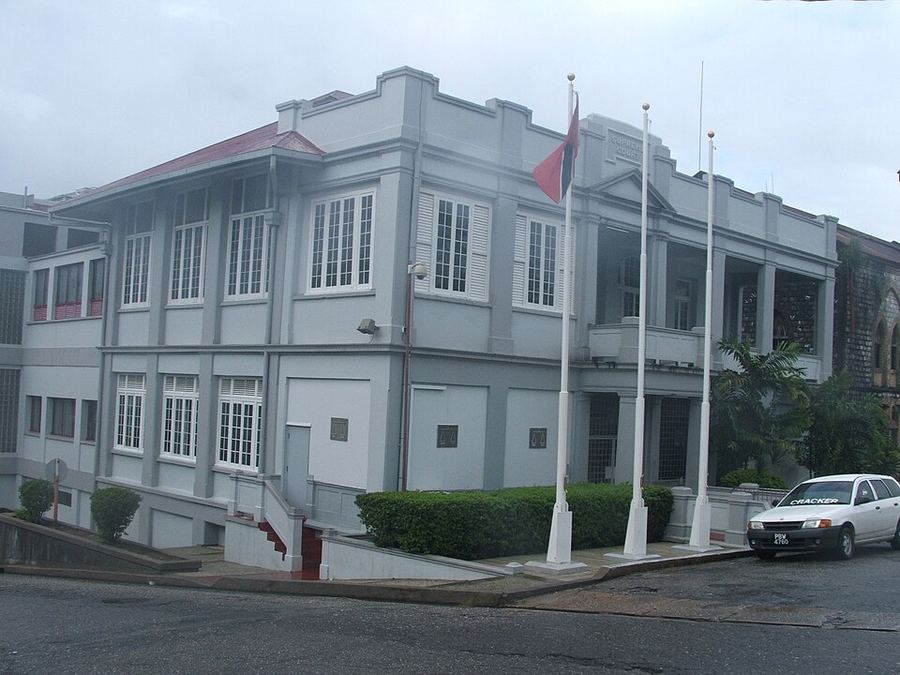
HERA · Human Entity Reference Atlas by Masego Inc

← Trinidad and Tobago 🌐 3D View
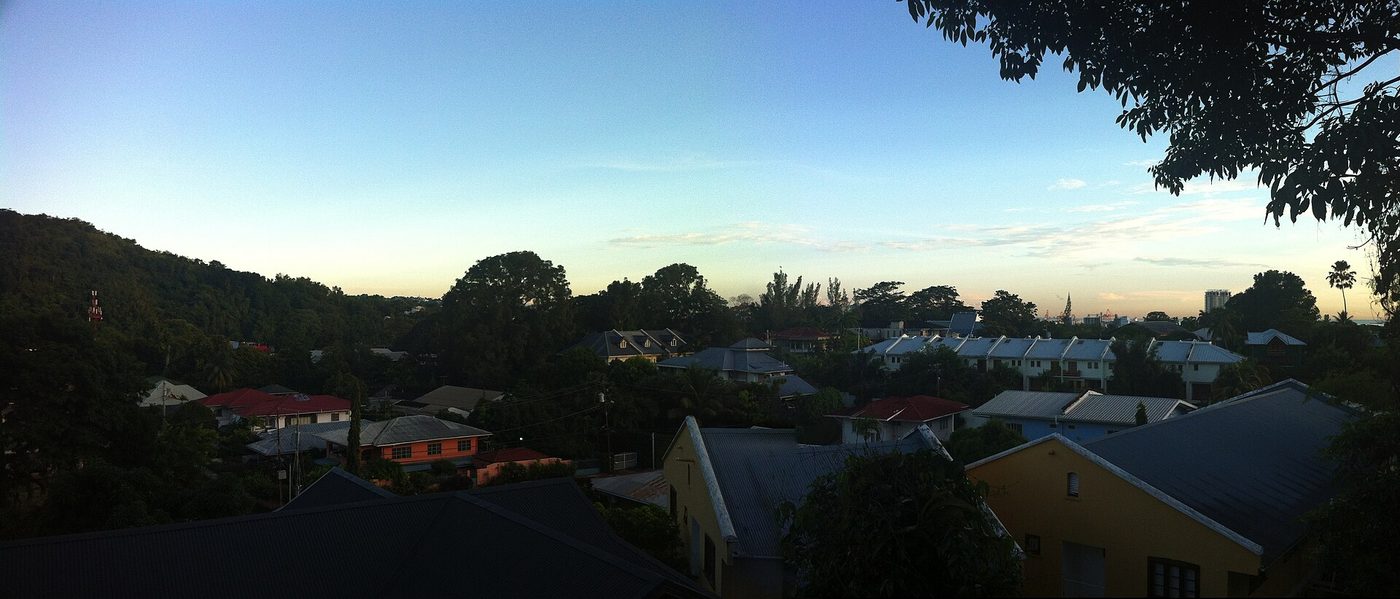
Maraval skyline - panoramio, Trinidad and Tobago
Trinidad and Tobago TTO
Maraval skyline - panoramio — Photo: James Roberts (Jampp… / CC BY-SA 3.0 via Wikimedia Commons
Did You Know Pitch Lake at La Brea is the largest natural asphalt deposit on earth, and its bitumen was shipped abroad to surface streets in Europe and North America. — Encyclopaedia Britannica

Trinidad and Tobago is a two-island republic at the southern end of the Caribbean, lying just off the coast of Venezuela — close enough that the Northern Range of Trinidad is a geological continuation of the Andes and the island's flora and fauna are South American rather than typically Antillean. Its 1.4 million people are concentrated on Trinidad, around Port of Spain, San Fernando and the fast-growing central corridor at Chaguanas, while Tobago, far smaller and greener, is governed with its own assembly and lives largely from tourism. The population is one of the most evenly plural in the hemisphere: roughly a third of Indian descent, roughly a third of African descent, and a large and growing mixed population, with Christians, Hindus and Muslims all holding public holidays in the national calendar. Independence from Britain came on 31 August 1962 and republican status in 1976. Unlike most of its neighbours, the country is not a tourism economy: oil has been produced here since the nineteenth century, and natural gas now drives an industrial complex at Point Lisas and Point Fortin that makes Trinidad and Tobago one of the world's leading exporters of ammonia, methanol and liquefied natural gas, and gives it one of the highest incomes per head in the Caribbean.

CIA World FactbookWorld BankEncyclopaedia BritannicaIEA
Population
1,410,170
Capital
Port of Spain
Currency
None TTD
Time zones
Largest city
Port of Spain
Human Geography Themes
Loading national figures…
Largest Cities
Port of Spain484,332
Chaguanas131,058
San Fernando119,286
In Perspective

Port of Spain's urban core is home to about 484,332 people.

Among the world's megacities, though, it's one of many — the giants of Asia and Latin America run larger still:

Port of Spain484,332
Jakarta40,545,126
Dhaka37,307,160
Tokyo33,244,670
Shanghai30,678,616
Cairo25,230,325
The Country & Its People

History

Columbus sighted Trinidad in 1498 and named it for the Trinity, but Spain settled it thinly and the indigenous Amerindian population was devastated by disease and forced labour. A royal decree of 1783 opened Trinidad to Catholic settlers from the French islands, who arrived with enslaved Africans and gave the colony a French-Creole character that outlasted Spanish rule; Britain seized the island in 1797 and kept it by treaty in 1802. Tobago's history is entirely separate and far more turbulent: contested by the Dutch, French, British and even Baltic Courlanders, it changed hands repeatedly before the two islands were joined administratively in 1889. Emancipation in the 1830s was followed from 1845 by the indenture of labourers from India, beginning with the arrival of the ship Fatel Razack — an inflow of well over a hundred thousand people that reshaped the population and is commemorated each year as Indian Arrival Day. Oil drilling began in the nineteenth century and made the colony unusual among Caribbean territories. Eric Williams, the historian who wrote Capitalism and Slavery, led the country to independence in 1962 and dominated its politics until his death. Republican status followed in 1976, and the state survived a Black Power upheaval in 1970 and an attempted coup in 1990.
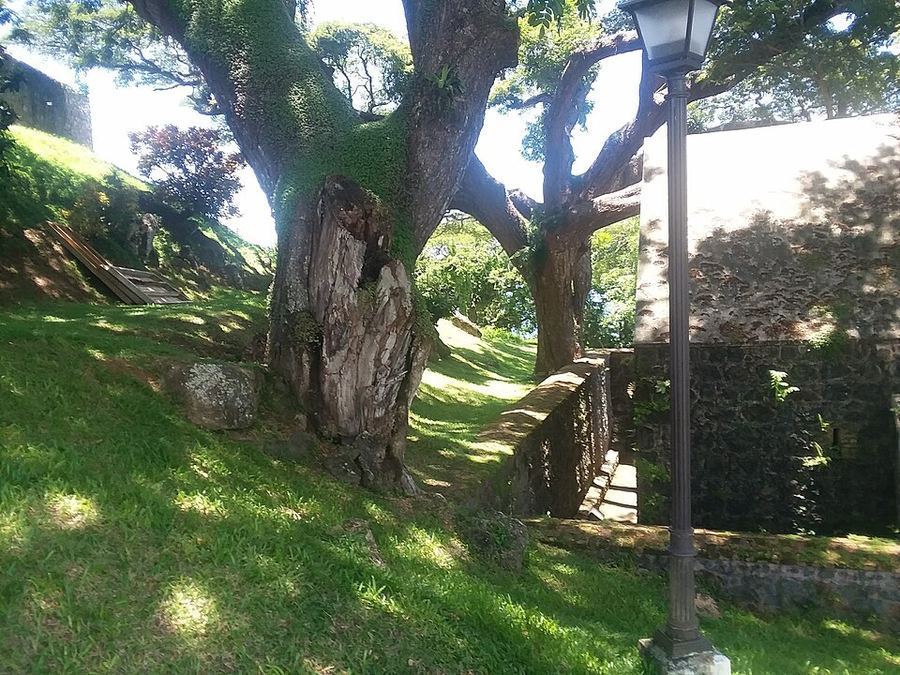
History, Trinidad and Tobago
999real / CC0

Culture

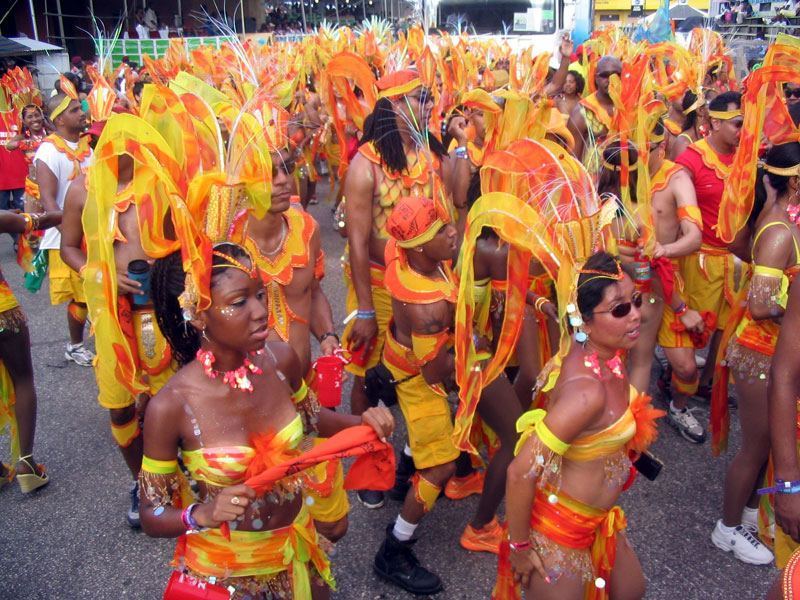
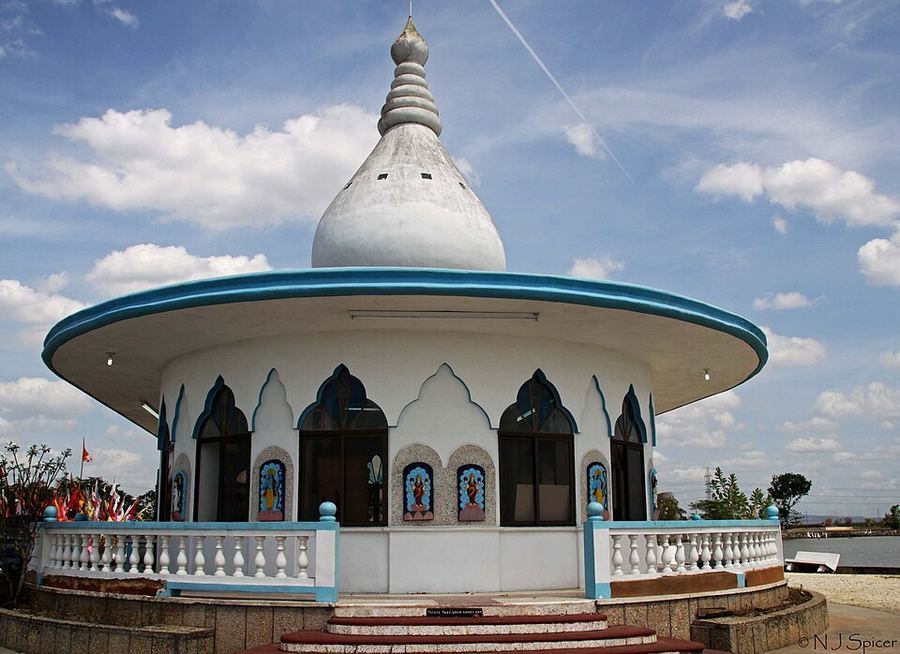
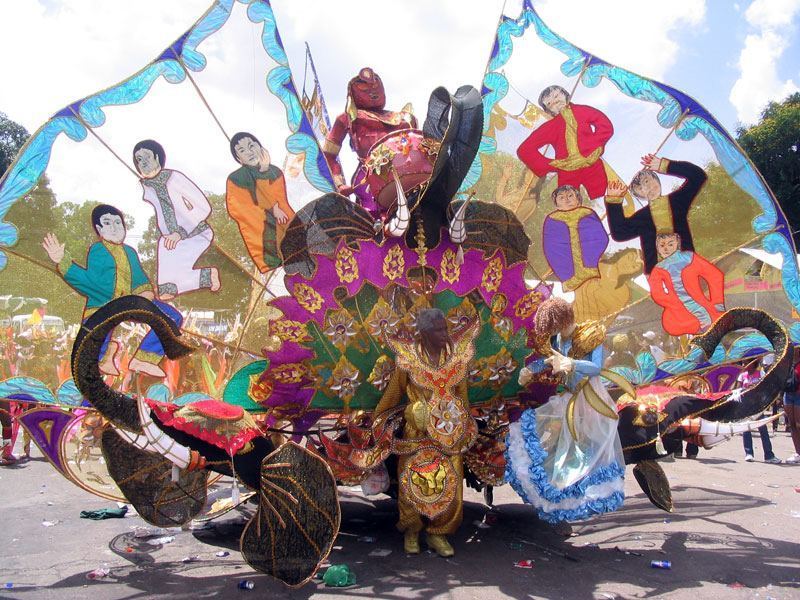
Trinidad and Tobago is organised around plurality, and the year's calendar shows it: Carnival before Lent, Phagwa in the spring, Divali in autumn with whole villages lit by clay deyas, Eid al-Fitr, Christmas with parang sung in Spanish, Emancipation Day on 1 August, Indian Arrival Day on 30 May, and Spiritual Baptist Liberation Day marking the repeal of the ordinance that had banned that faith's worship. Public holidays cover Christian, Hindu and Muslim observances, and interfaith attendance at one another's festivals is ordinary rather than remarkable. The national temperament prizes wit, verbal invention and the ability to make a joke land — qualities formalised in the calypsonian's art of extempo and in the picong of everyday argument. 'Liming', the practice of unstructured sociable idling with friends, food and drink, is close to a national institution and has its own extensive vocabulary. Family and religious life remain conservative in much of the country, particularly in the Indo-Trinidadian rural belt of central and south Trinidad, and coexist with an extraordinarily uninhibited public festival culture. Tobago retains a distinct identity, more African-Caribbean in composition, slower in pace, and periodically pressing for greater autonomy from Port of Spain.
Culture, Trinidad and Tobago
Jean-Marc /Jo BeLo/Jhon-John from Caracas, Venezuela / CC BY 2.0

Points Of Pride

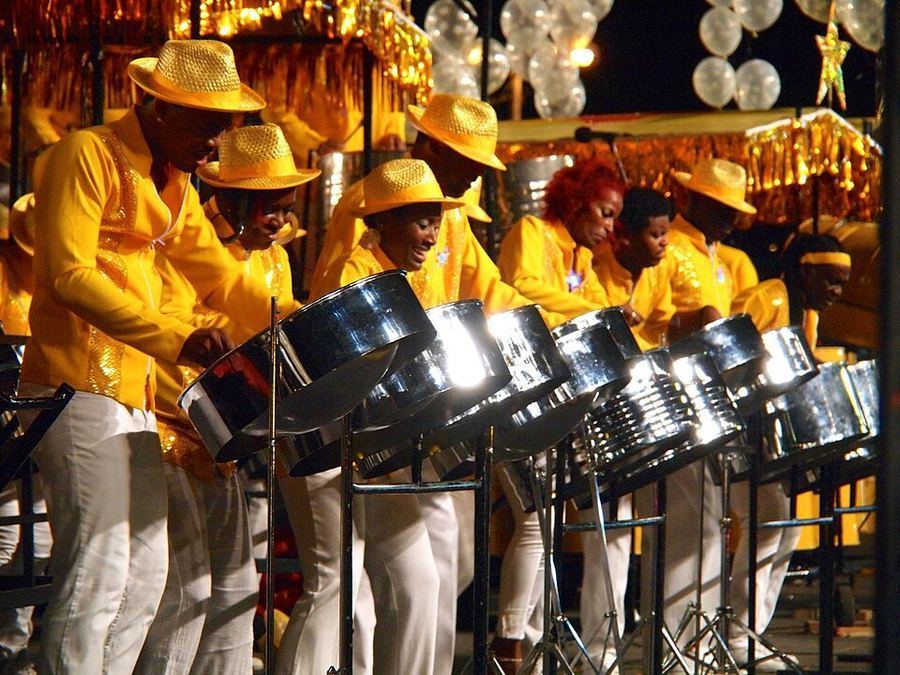
The first point of pride is the steelpan, invented in the yards of Port of Spain in the middle of the twentieth century, tuned from discarded oil drums into a fully chromatic instrument, and adopted as the national instrument — the country's claim to have produced the major new acoustic instrument of the modern era is made with total conviction. Carnival is the second: two days of mas bands, thousands of costumed players, the pre-dawn mud and paint of J'Ouvert, and the Panorama steelband competition, widely regarded as the greatest festival of its kind anywhere. The country also gave the world calypso and then soca, and, in the fusion of Indian and Caribbean music, chutney-soca. In literature it produced V.S. Naipaul, who won the Nobel Prize, and C.L.R. James, whose Beyond a Boundary is routinely called the finest book written about any sport. In sport it produced Brian Lara, holder of the highest individual score in Test cricket, Olympic champions Hasely Crawford and Keshorn Walcott, and the only Trinidad and Tobago football team ever to reach a World Cup, in 2006. Tobago's Main Ridge Forest Reserve, protected since 1776, is among the oldest legally protected forests anywhere in the world.
Points Of Pride, Trinidad and Tobago
Charles J. Sharp / CC BY-SA 4.0

Cultural Fusion

Few societies are so thoroughly built out of collision. African and Indian populations of roughly equal size, brought under slavery and indenture respectively, developed distinct religious, culinary and musical worlds and then began borrowing from each other in ways that produced entirely new forms: chutney-soca marries Bhojpuri-derived vocal lines and the dholak and dhantal to soca rhythm and English lyrics; the tassa drumming brought from north India now accompanies weddings, Carnival and political rallies alike; and doubles, the country's most beloved street food, is Indian in origin and universal in consumption. The Spanish and French colonial layers survive in place names, in the Catholic Church, in parang — Christmas music sung in Spanish to cuatro and maracas, with continuing Venezuelan connections — and in an Antillean French Creole that was once the island's lingua franca. Chinese, Portuguese and Syrian-Lebanese merchant communities added further strands, and 'dougla' — the word for a person of mixed African and Indian descent — names a population large enough to constitute its own category in the census. English is the official language, spoken as an English-based creole in daily life, with Caribbean Hindustani surviving mainly in ritual and song.
Cultural Fusion, Trinidad and Tobago
neiljs / CC BY 2.0

Music & Dance

Calypso is the ancestral form: topical, satirical, sung in English creole and derived from West African praise-and-mockery singing filtered through the Carnival tent, with Lord Kitchener and the Mighty Sparrow its defining voices and a Calypso Monarch crowned each Carnival. In the 1970s Ras Shorty I built soca out of calypso by fusing it with Indian percussion and rhythm, creating a faster, more danceable music that has since spread through the whole Caribbean and its diasporas; rapso, chutney-soca and ragga-soca have branched off since. The steelband is the country's other great musical institution: large orchestras of tenor, double second, guitar, cello and bass pans, rehearsing for months in panyards, competing at Panorama before enormous crowds. Older forms remain strong — the drums and chants of the Orisha faith, Spiritual Baptist singing, the bongo and calinda associated with stickfighting, tassa drumming at Hindu and Muslim weddings, and parang at Christmas. In dance, Carnival supplies wining and the choreographed movement of mas bands, while the limbo — a competitive dance beneath a lowering bar, with roots in Trinidadian wake ceremonies — became one of the Caribbean's most recognised exports.
Music & Dance, Trinidad and Tobago
ESO/H.H. Heyer / CC BY 4.0

Cuisine & Misattributed Foods

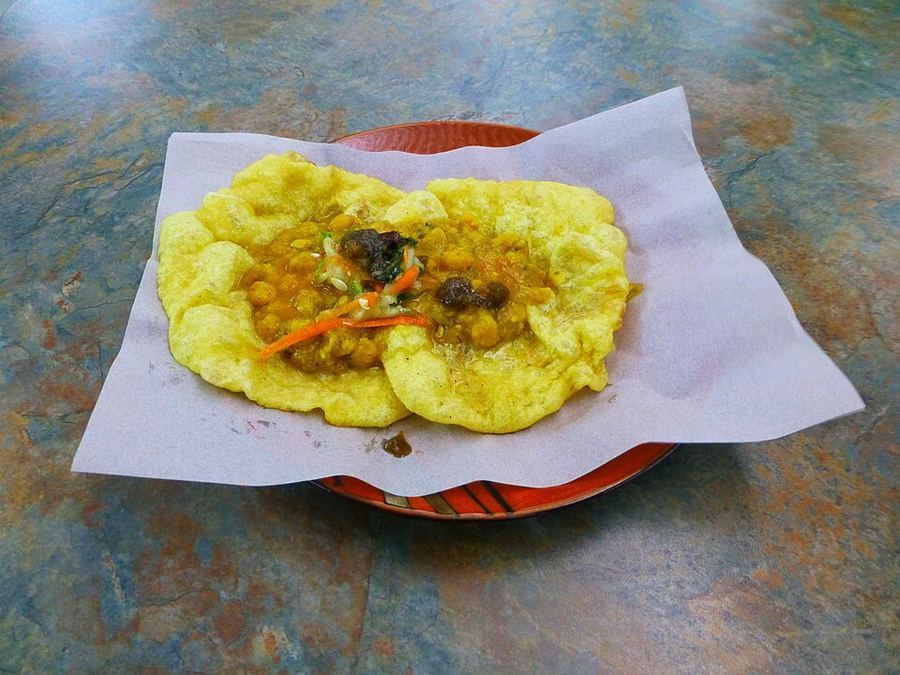
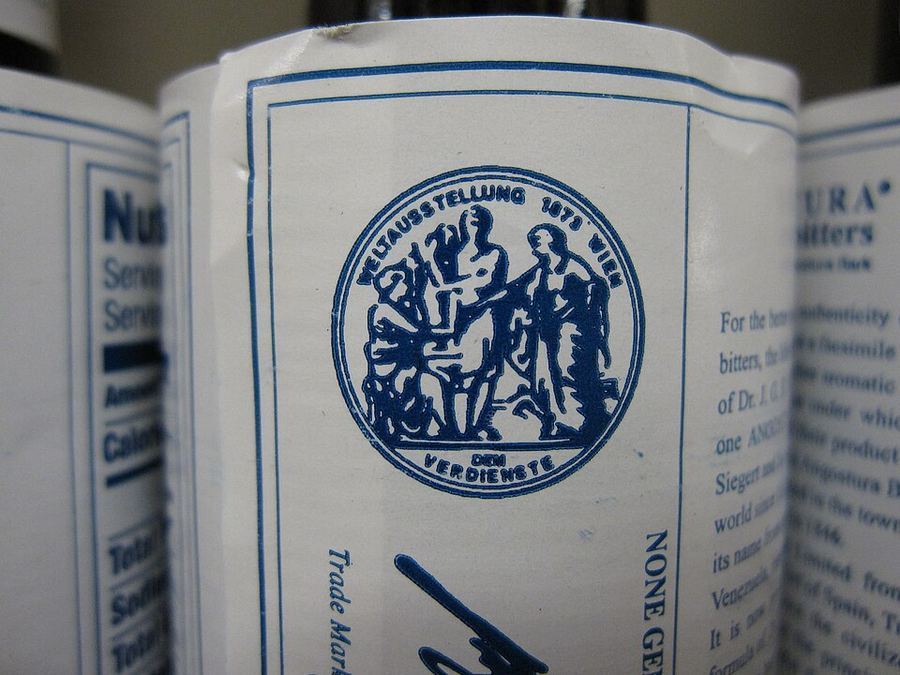
The national street food is doubles: two soft fried flatbreads called bara wrapped around curried chickpeas and dressed with tamarind, mango and fiery pepper sauce, eaten standing up at any hour. Roti in its several forms — dhalpuri stuffed with ground split peas, or the shredded paratha known as buss-up-shut — is the standard vehicle for curried goat, chicken, duck or potato and channa. Callaloo, a thick purée of dasheen leaves, okra, coconut milk and often crab, is the Sunday accompaniment to stewed chicken and macaroni pie. Pelau, rice browned with caramelised sugar and cooked with meat, pigeon peas and coconut, is the great one-pot dish. At Maracas Bay the specialty is bake and shark, fried dough packed with seasoned fish and an array of condiments; in Tobago it is curried crab and dumpling. Pholourie, aloo pie, souse, black pudding, and black cake soaked in rum for months for Christmas fill out the repertoire. The country also gave the world Angostura aromatic bitters, produced in Port of Spain and found behind bars everywhere, and the ferocious Trinidad Moruga Scorpion pepper, once measured as the hottest chilli on record.
Cuisine & Misattributed Foods, Trinidad and Tobago
Grueslayer / CC BY-SA 4.0

National Dress

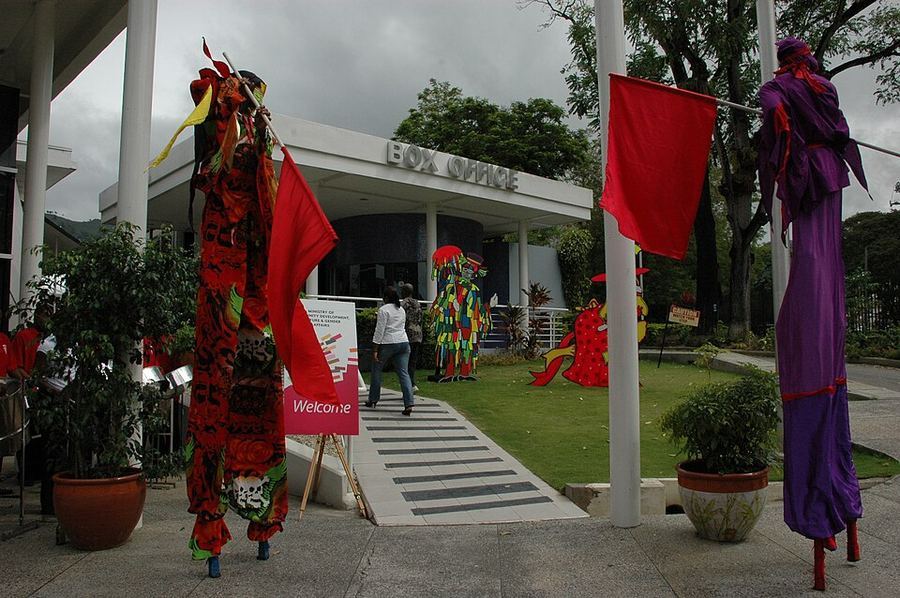
There is no single national costume, and dress reflects the country's plural composition. Indo-Trinidadian women wear the sari, shalwar kameez and orhni for religious and family occasions, and men the kurta; the finery of a Hindu wedding or a Divali celebration is as much a part of national visual life as anything else. Afro-Trinidadian dress traditions run through church wear, through the head-tie, and through the folk costume of the douillette or wob dwiyet — the full skirt, jacket and elaborately knotted madras headpiece inherited from French Creole society and worn in folk performance across the eastern Caribbean. But the country's real costume tradition is Carnival mas, which is elaborate, competitive and enormously inventive: the traditional characters of Dame Lorraine, Midnight Robber, Jab Molassie, Moko Jumbie on stilts, Blue Devil and Fancy Sailor, each with its own speech, gait and mask; and the modern large bands, whose feathered and jewelled bikini costumes dominate the road on Carnival Tuesday. The designer Peter Minshall raised mas to the level of monumental theatre and was invited to design ceremonies for several Olympic Games as a result.
National Dress, Trinidad and Tobago
Jean-Marc /Jo BeLo/Jhon-John from Caracas, Venezuela / CC BY 2.0

Sports & Inspiring Athletes

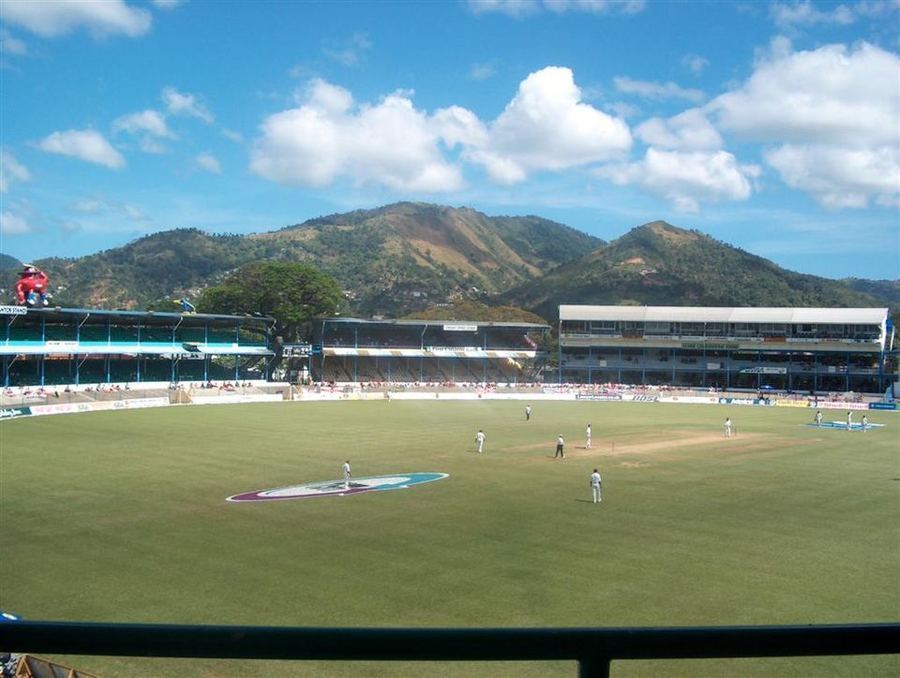
Cricket is the sport of national identity, played in every village and followed through the West Indies team, for which Trinidadians have produced some of the game's most important figures; the Queen's Park Oval in Port of Spain is one of the Caribbean's great grounds, and the Brian Lara Cricket Academy at Tarouba is the modern national stadium. The Caribbean Premier League's Trinbago Knight Riders are among the most successful franchises in that competition. Football rivals cricket in day-to-day popularity, with a domestic professional league, an intensely followed secondary schools competition, and the national team known as the Soca Warriors. Athletics is a genuine national strength, particularly in the sprints and throws, supported by a strong school and club system. Basketball, netball, swimming, cycling on the Arima velodrome, and boxing all have organised followings, and horse racing has a long history. Distinctive local traditions persist alongside these: stickfighting, or kalinda, contested in a ring to drumming and chantwell singing during the Carnival season, and goat and crab racing in Tobago at Easter, which draw large and enthusiastic crowds.
Sports & Inspiring Athletes, Trinidad and Tobago
Dominic Sayers from London, England / CC BY 2.0

Notable Educational Programs

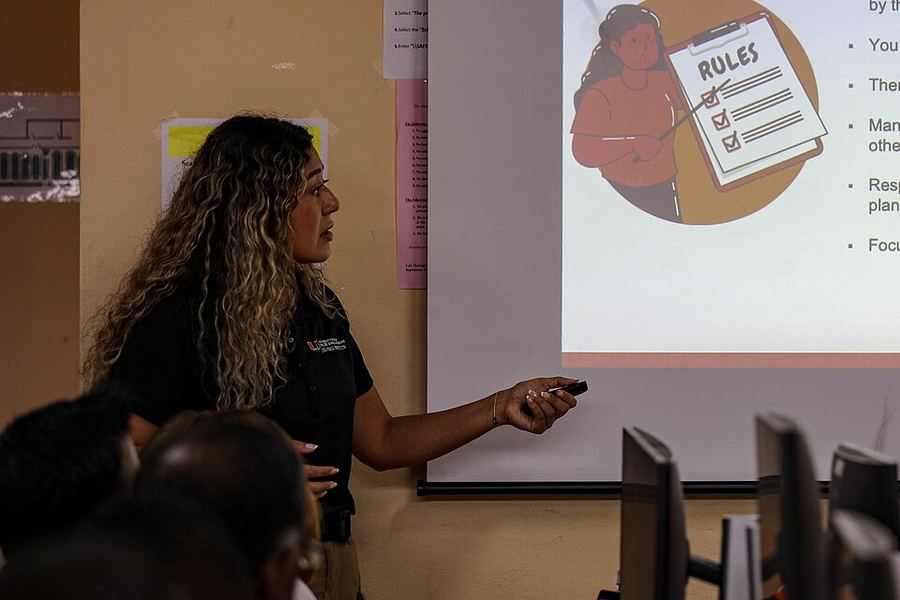
Education is free and compulsory, literacy is near universal, and competition for places at the prestige secondary schools — Queen's Royal College, St Mary's, Presentation College, Naparima and their peers — through the Secondary Entrance Assessment taken at age eleven is intense and shapes family life for years beforehand. Denominational boards, Catholic, Anglican, Presbyterian, Hindu and Muslim, run a large share of schools in partnership with the state, an arrangement that reflects and reinforces the country's plural structure. At tertiary level the St Augustine campus of the University of the West Indies is the flagship, with particular strength in agriculture, engineering, medicine and the humanities, alongside the University of Trinidad and Tobago, established in 2004 with an applied and technological focus, the University of the Southern Caribbean, and a network of technical and vocational institutes. The state's GATE programme funded tertiary tuition for citizens on a scale unusual in the region, driving a large expansion in graduate numbers before being tightened on cost grounds. Energy-sector training, delivered in partnership with industry, is a particular institutional strength given the structure of the economy.
Notable Educational Programs, Trinidad and Tobago
U.S. Army photo by Sgt. Timicia GeorgePetrus / Public domain

Wars & Conflicts

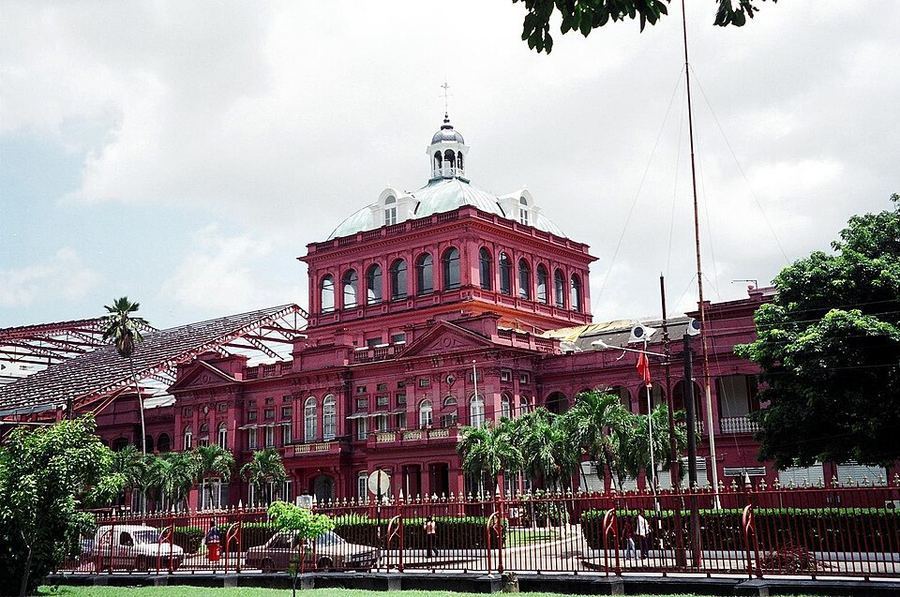
Trinidad and Tobago has not fought an external war, and its serious internal upheavals are two. In 1970 the Black Power revolution brought mass demonstrations, a state of emergency and a mutiny within the regiment, shaking the post-independence order and prompting significant social reform. In July 1990 the Jamaat al Muslimeen, an armed Muslim group, stormed the Red House parliament building and the state television station, took the prime minister and members of the cabinet hostage, shot the prime minister, and held the centre of Port of Spain for six days amid widespread looting and deaths before surrendering under an amnesty whose validity was contested for years afterwards. It remains the only attempted coup in the modern anglophone Caribbean. The dominant security problem today is violent crime: homicide rates driven by gang conflict and the trafficking of guns and drugs through the country's position between South America and the wider Caribbean have risen to levels that led the government to declare a state of emergency in December 2024. The country also hosts a substantial population of Venezuelans who have crossed the short strait to escape their own country's collapse.
BBCReutersUNHCRHuman Rights WatchEncyclopaedia Britannica
Current as of 2026-08-07
Wars & Conflicts, Trinidad and Tobago
Random 00021 at English Wikipedia - Anthony Mendenhall / CC BY-SA 3.0

Land & Border Disputes

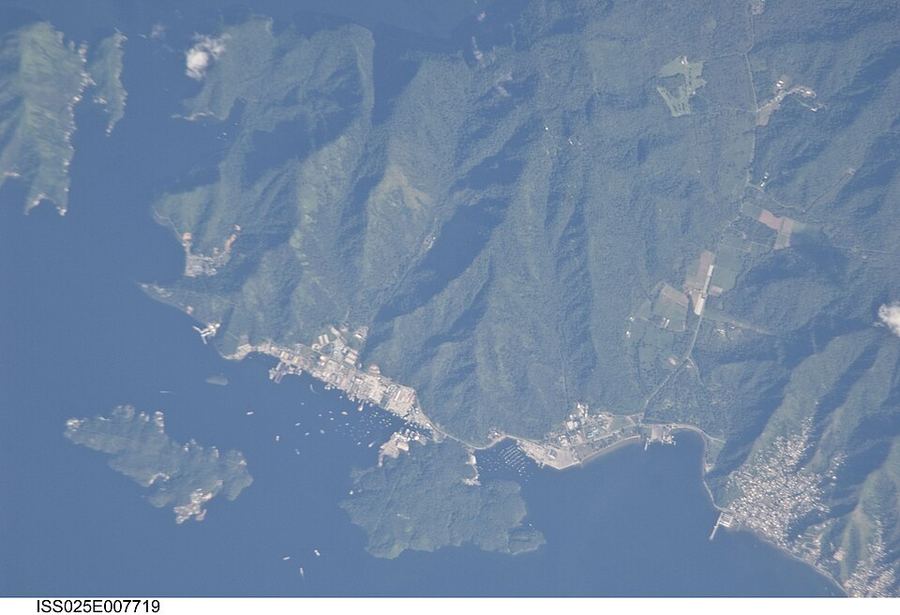
Trinidad and Tobago has no land border and its external disputes have been maritime. Its boundary with Venezuela in the Gulf of Paria and beyond was settled by treaty in 1990, but the two countries remain closely entangled: the Dragon gas field lies on the Venezuelan side of the line and Port of Spain has pursued arrangements to pipe its gas to Trinidad's underused processing plants, a project repeatedly stalled and restarted by United States sanctions policy toward Caracas. With Barbados, a disagreement over the maritime boundary and over Barbadian fishermen's access to flying fish grounds in Trinidadian waters went to arbitration under the United Nations Convention on the Law of the Sea, and the tribunal delivered its award delimiting the boundary in 2006, resolving the legal question while leaving fisheries access to be managed bilaterally. Delimitation with Grenada, Guyana and Venezuela's Atlantic frontage has otherwise proceeded by agreement. Internally, the constitutional relationship between Port of Spain and the Tobago House of Assembly is a live political question, with repeated attempts to legislate greater internal self-government for Tobago yet to produce a settled outcome.
Land & Border Disputes, Trinidad and Tobago
Earth Science and Remote Sensing Unit, Lyndon B. Johnson Space Center / Public domain
Land, Life & Legacy

Land & Climate

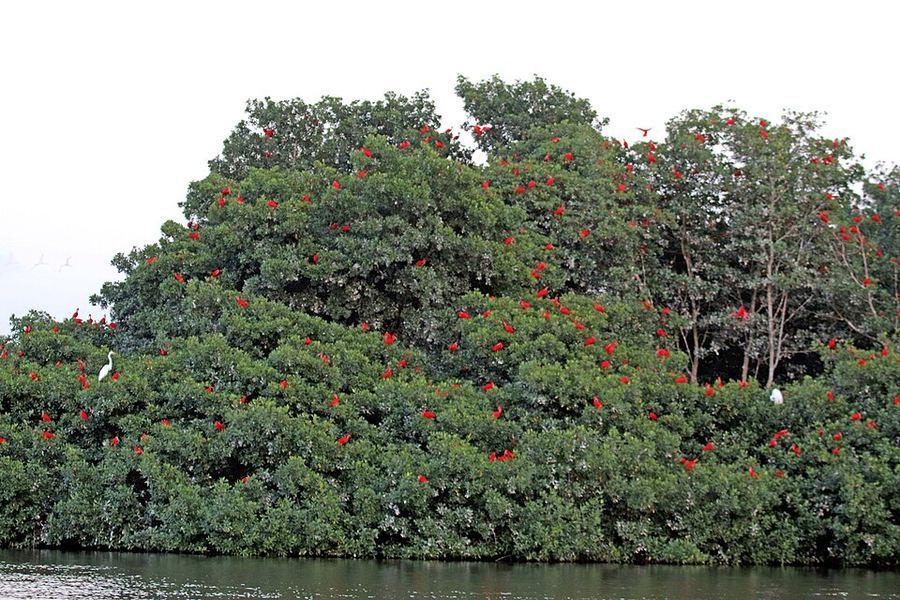
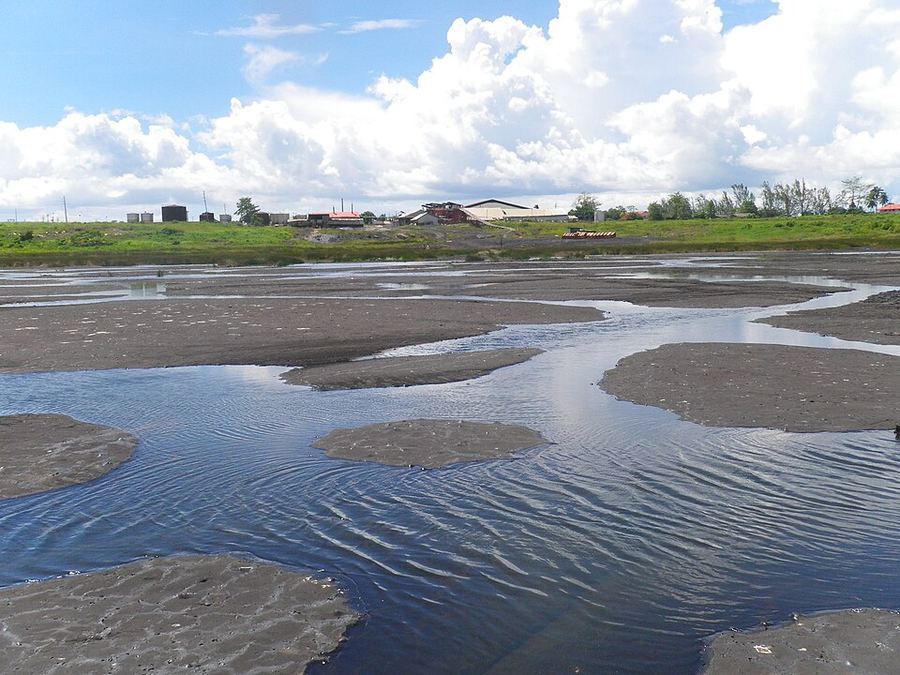
Trinidad lies only about eleven kilometres from Venezuela across the Gulf of Paria and is a continental fragment rather than a volcanic island: its Northern Range, rising to El Cerro del Aripo at around 940 metres, continues the coastal cordillera of South America, and its wildlife — howler monkeys, ocelots, capuchinbirds, hundreds of butterfly and bird species — is South American in character. Between the ranges lie the Caroni plain, the sugar and rice lands of the centre, and extensive wetlands: the Caroni Swamp, where thousands of scarlet ibis, the national bird, flight in to roost at dusk, and the Nariva Swamp with its manatees and palm forest. At La Brea in the southwest sits Pitch Lake, the largest natural asphalt deposit on earth. Tobago, some thirty kilometres northeast, is a smaller volcanic and coral island with the Main Ridge running its length and Buccoo Reef offshore. The climate is tropical with a dry season from January to May and a wet season from June to December; the islands sit at the southern edge of the Atlantic hurricane belt and are struck far less often than the northern Caribbean, though not never. Beaches at Matura and Grande Riviere host one of the densest leatherback turtle nesting concentrations in the world.
Land & Climate, Trinidad and Tobago
Martina Jackson / CC BY-SA 3.0

Entertainment

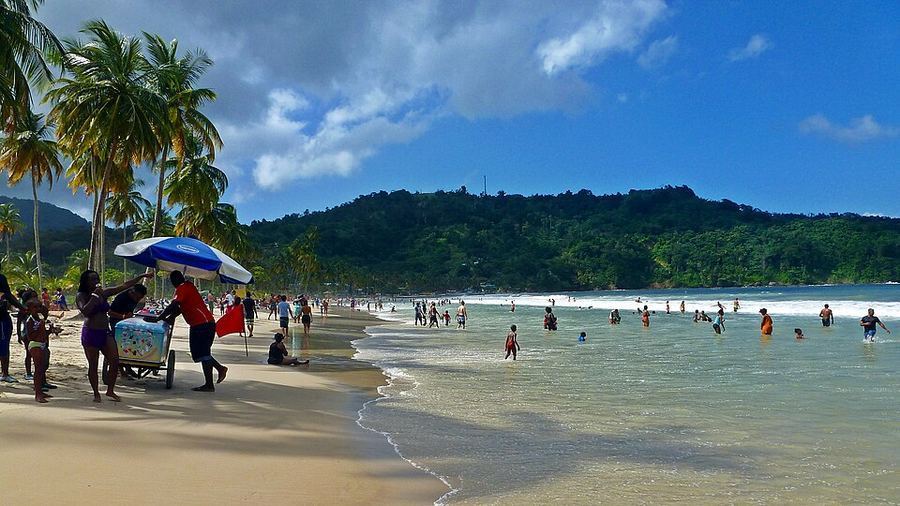
The defining leisure activity is the lime — a gathering with no fixed purpose or end, on a corner, a beach, a porch or a bar, sustained by food, drink, music and talk, and treated as a genuine social skill. The Carnival season, running from after Christmas through fetes, panyard rehearsals and calypso tents to the two days on the road, absorbs an extraordinary share of national energy and money for months. Beaches are central to weekend life: Maracas and Las Cuevas on Trinidad's north coast, Mayaro's long Atlantic strand in the east, and Store Bay, Pigeon Point and Castara in Tobago. River limes at Blanchisseuse or the Marianne, hiking in the Northern Range to Paria and Avocat waterfalls, and birdwatching at the Asa Wright Nature Centre are popular escapes, and boat trips to the islands off Chaguaramas fill dry-season weekends. Cricket and football are watched with total attention, and the national football team's matches empty the streets. Horse racing, dominoes, all-fours, church and temple activity, shopping malls in the east-west corridor and a busy restaurant and bar scene in Port of Spain and St James — the district that advertises itself as never sleeping — complete the picture.
Entertainment, Trinidad and Tobago
Kalamazadkhan / CC BY-SA 4.0

Art & Museums

Carnival is the country's largest artistic undertaking, and mas design is its most distinctive visual art: the wire-bending, sculpture, painting and engineering behind large costumes constitute a craft tradition with named masters, of whom Peter Minshall is the most internationally recognised, having taken the language of mas into Olympic ceremony design. In painting, Michel-Jean Cazabon, working in the nineteenth century, produced the great record of Trinidad's landscape and society and remains the country's foundational artist; twentieth-century figures including Boscoe Holder and Sybil Atteck established a modern national practice, and the National Museum and Art Gallery in Port of Spain holds the principal collections. Literature is arguably the strongest art form: V.S. Naipaul, born in Chaguanas, won the Nobel Prize; his brother Shiva and Samuel Selvon, whose The Lonely Londoners rendered Caribbean speech into literary English, are major figures; and C.L.R. James wrote across history, politics and sport at the highest level. Craft traditions include steelpan tuning — an exacting metallurgical and acoustic skill — along with calabash carving, leatherwork and the making of tassa and Orisha drums.
Art & Museums, Trinidad and Tobago
Trinidad News / CC BY 2.0

Notable People

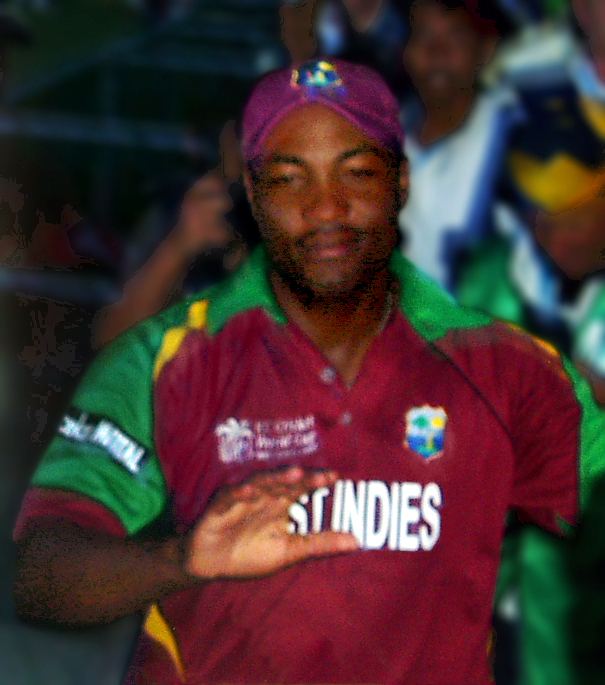
V.S. Naipaul, born in Chaguanas to an Indo-Trinidadian family, won the Nobel Prize in Literature in 2001 for a body of work that began with A House for Mr Biswas. C.L.R. James — Marxist historian of the Haitian Revolution, cricket writer and theorist — is the country's other great intellectual export, and Eric Williams combined both roles, writing Capitalism and Slavery before becoming the nation's first prime minister. Stokely Carmichael, later Kwame Ture, was born in Port of Spain and became a defining voice of Black Power in the United States. In music the canon runs from Lord Kitchener and the Mighty Sparrow through Ras Shorty I, the inventor of soca, and Sundar Popo, the founding voice of chutney, to Machel Montano; internationally, Nicki Minaj was born in Trinidad, and Heather Headley won a Tony Award on Broadway. In sport, Brian Lara holds the highest individual score in Test cricket, Learie Constantine went from West Indies all-rounder to peer of the realm and campaigner against racial discrimination, Hasely Crawford won the Olympic 100 metres in 1976, Ato Boldon collected four Olympic sprint medals, and Keshorn Walcott took javelin gold in 2012.
Notable People, Trinidad and Tobago
Brian_Lara_lap_of_honour.jpg derivative work: Bigforrap (talk) / CC BY 2.0

Inventions & Breakthroughs

Trinidad and Tobago's outstanding invention is the steelpan. In the yards of Port of Spain in the 1930s and 1940s, players experimenting with tuned biscuit tins and then with discarded oil drums worked out how to hammer a drum head into a concave surface divided into note areas, each tuned to sound a defined pitch with its harmonics, producing a fully chromatic acoustic instrument built from industrial scrap — a genuinely new instrument family, developed by named innovators including Winston 'Spree' Simon and Ellie Mannette, and now played worldwide. Musical invention did not stop there: soca was deliberately constructed by Ras Shorty I in the 1970s by fusing calypso with Indian rhythmic material, and chutney-soca followed from the same impulse. The limbo dance is Trinidadian in origin. In commerce, Angostura aromatic bitters — formulated in the nineteenth century and produced in Port of Spain to a closely guarded recipe — became a fixture of bars everywhere. The Pitch Lake at La Brea supplied natural asphalt that was shipped abroad to surface streets in Europe and North America, and Trinidad's early oil industry, drilling from the 1850s, was among the first anywhere in the world.
Inventions & Breakthroughs, Trinidad and Tobago
Kip1234 / CC BY-SA 4.0

Science & Technology

The country's technical depth lies in energy and petrochemicals. More than a century of oil production, followed by the shift to natural gas, built an unusual concentration of process engineering expertise: the Point Lisas industrial estate hosts one of the world's largest clusters of ammonia and methanol plants, and the liquefaction trains at Point Fortin made Trinidad and Tobago an early and significant LNG exporter to the Americas and Europe. The Seismic Research Centre at the University of the West Indies in St Augustine is the region's principal earth-science institution, monitoring earthquakes and the volcanoes of the eastern Caribbean and providing the scientific advice that guided the response to the eruption of La Soufrière in Saint Vincent in 2021 — a regional public good delivered from Trinidad. The Caribbean Industrial Research Institute supports applied testing and product development for manufacturers across the region. Agricultural science has a long history here, the St Augustine campus having grown out of the Imperial College of Tropical Agriculture, whose cocoa research produced the Trinitario varieties and the germplasm collection that remains a global reference for cocoa breeding.
IEANatureUNFAOWorld Bank
Science & Technology, Trinidad and Tobago
Gryffindor / Public domain
On The World Stage
Champions of Trinidad and Tobago

Champions & Defining Moments

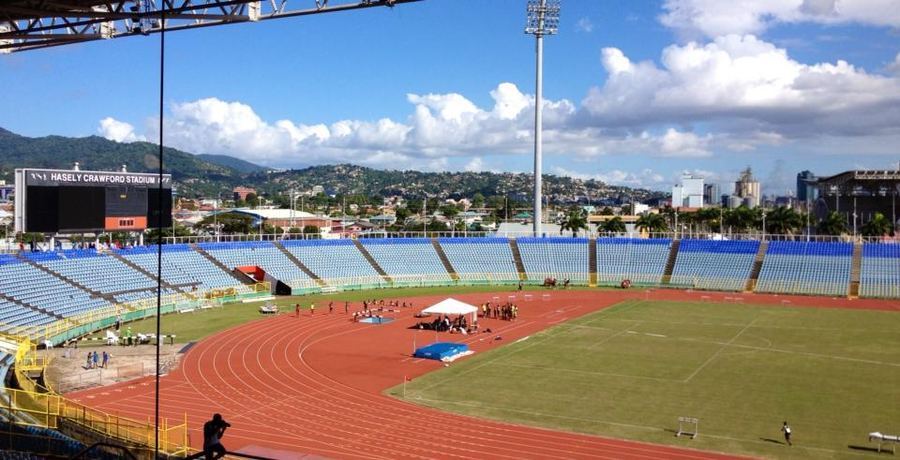
Trinidad and Tobago has won Olympic medals since Rodney Wilkes took weightlifting silver at the London Games of 1948. Hasely Crawford's victory in the 100 metres at Montreal in 1976 gave the country its first gold and made him a national figure whose name was given to the main stadium; Ato Boldon won four sprint medals across the 1996 and 2000 Games; and Keshorn Walcott's javelin gold at London in 2012, followed by a bronze in Rio, was the first Olympic throwing title won by any Caribbean athlete. In cricket, Trinidadians have been central to West Indies teams from Learie Constantine onward, and Brian Lara's 400 not out against England in 2004 remains the highest individual innings in Test history, having already broken the record with 375 a decade earlier. In football, the Soca Warriors qualified for the World Cup for the only time in 2006, holding Sweden to a goalless draw in Germany with a team built around Dwight Yorke, Russell Latapy and Shaka Hislop — an achievement that remains the high point of the country's football history. The islands also compete at the Commonwealth Games, the Pan American Games and the CARIFTA Games.

IOCOlympediaFIFACommonwealth Games FederationBBC
Chris Fitzpatrick / CC BY-SA 3.0
Government & Leadership

Parliamentary republic

Seat of the executive

Executive

Christine Kangaloo — PresidentPNM

In office since 20 March 2023

Kamla Susheila Persad-Bissessar — Prime Minister

John Hill / CC BY-SA 4.0

Parliament

Bicameral

Senate — 31 seats

Last election 5/23/2025 · 25.8% women

House of Representatives — UNC majority

UNC 26 · PNM 13 · Other 2

Last election 4/28/2025 · 23.8% women

The highest court
The highest court — Kalamazadkhan / CC BY-SA 3.0

Supreme Court of the Judicature

consists of a chief justice for both the Court of Appeal with 12 judges and the High Court with 24 judges

Economy, Trade & Government

Currency & GDP

Trinidad and Tobago Dollar — TTD (None)

GDP (PPP): $43.362 billion (2024 est.)

Per capita: $31,700 (2024 est.)

Exports

$11.087 billion (2024 est.)

natural gas, alcohols, ammonia, crude petroleum, iron reductions (2023)

Partners: USA 28%, China 7%, Guyana 5%, Chile 5%, Netherlands 5% (2023)

Imports

$10.19 billion (2024 est.)

railway cargo containers, refined petroleum, cars, iron ore, excavation machinery (2023)

Partners: USA 29%, Guyana 27%, China 8%, Brazil 4%, Canada 3% (2023)

Government

Type: parliamentary republic

Independence: 31 August 1962 (from the UK)

Terrain → Where People Live

How mountains, coasts, and rivers shape settlement (LandScan).

Coming — data

Migration & Ethnic Settlement

Where groups settled and how people move (GeoEPR + UNHCR).

Coming — data

Universities

Notable institutions, mappable as points.

Coming — data
Economy & government facts: CIA World Factbook (public domain), via OpenFactBook / factbook.json.
Every fact and narrative claim will carry a visible source citation. Data-driven sections light up automatically wherever HERA has coverage.