HERA · Human Entity Reference Atlas by Masego Inc

← Tunisia 🌐 3D View
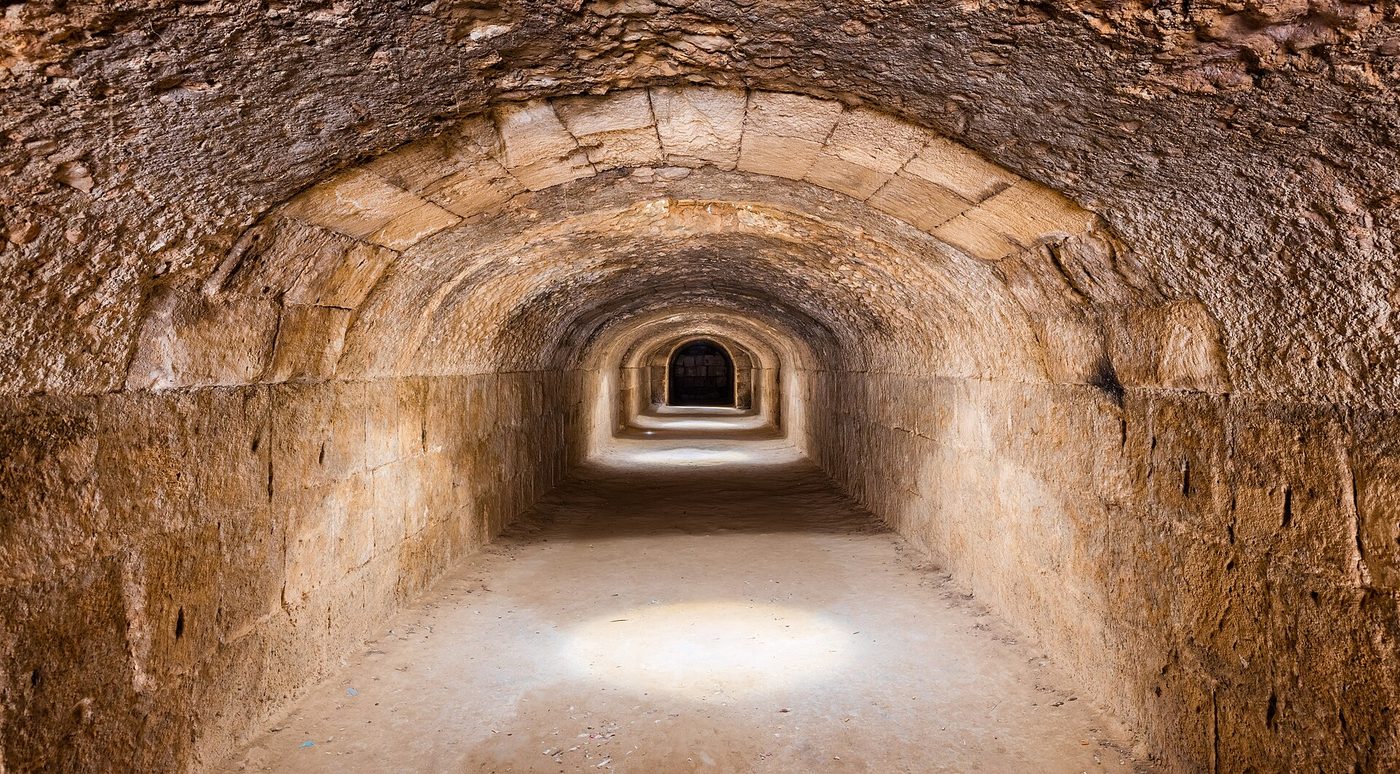
Anfiteatro, El Jem, Túnez, 2016-09-04, DD 38-40 HDR, Tunisia
Tunisia TUN
Anfiteatro, El Jem, Túnez, 2016-09-04, DD 38-40 HDR — Photo: Diego Delso / CC BY-SA 4.0 via Wikimedia Commons
Did You Know The uprising that became the Arab Spring began in Tunisia in December 2010 and drove President Ben Ali from power on 14 January 2011. — BBC

Tunisia is the northernmost country in Africa, a wedge of territory of roughly twelve million people running from the fertile Mediterranean coast and the Atlas foothills down through the olive-covered Sahel and the salt flats to the Saharan south. Its capital, Tunis, stands beside the ruins of Carthage, and the country's position on the narrows between Sicily and Africa has made it a crossing point for Phoenicians, Romans, Arabs, Andalusians, Ottomans, Italians and French in turn. Independence from France came on 20 March 1956, and the first president, Habib Bourguiba, built a secular, education-focused state whose Code of Personal Status gave Tunisian women rights unmatched elsewhere in the Arab world. The uprising that began in Sidi Bouzid in December 2010 and drove out Zine El Abidine Ben Ali in January 2011 started the wave of revolts across the region, and Tunisia's negotiated transition earned its National Dialogue Quartet the Nobel Peace Prize in 2015. Since 2021, when President Kais Saied suspended parliament and assumed emergency powers, the country has moved back toward strongly centralised presidential rule. The economy rests on manufacturing for European supply chains, olive oil, phosphates, textiles and tourism, and struggles with heavy public debt and persistent graduate unemployment.

CIA World FactbookWorld BankEncyclopaedia BritannicaUN
Population
11,962,995
Capital
Tunis
Currency
د.ت TND
Time zones
Largest city
Tunis
Human Geography Themes
Loading national figures…
Largest Cities
Tunis2,790,169
Sfax649,272
Sousse537,190
Hammamet236,818
Bizerte178,254
Gabes177,608
Ksar Hellal151,622
Gafsa127,458
In Perspective

Tunis's urban core is home to about 2,790,169 people.

That's bigger than Rome and Amsterdam — each a great world city in its own right.

Tunis2,790,169
Rome2,556,354
Amsterdam1,223,407

Among the world's megacities, though, it's one of many — the giants of Asia and Latin America run larger still:

Tunis2,790,169
Jakarta40,545,126
Dhaka37,307,160
Tokyo33,244,670
Shanghai30,678,616
Cairo25,230,325
The Country & Its People

History

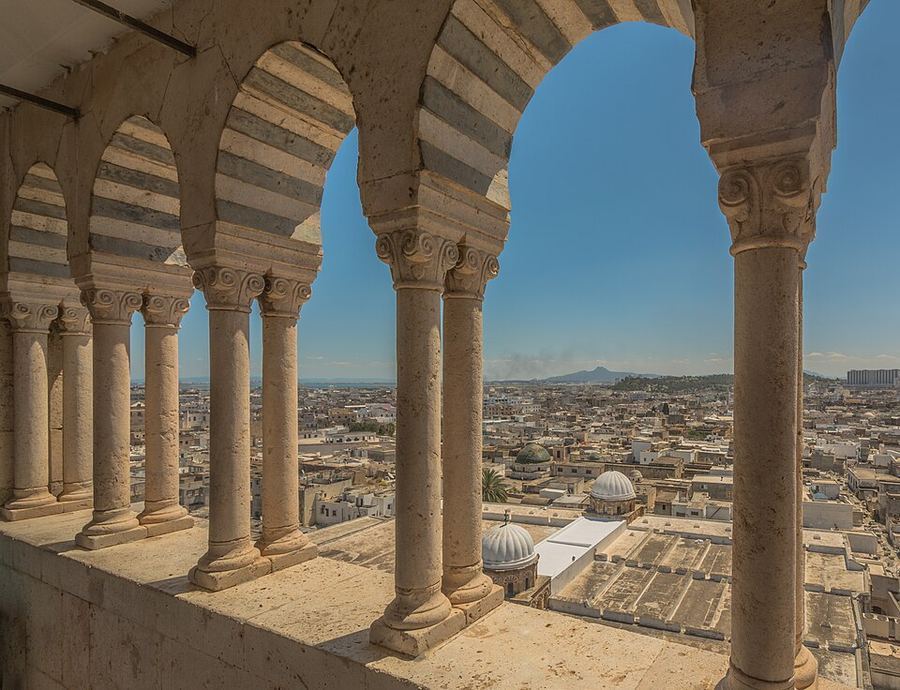
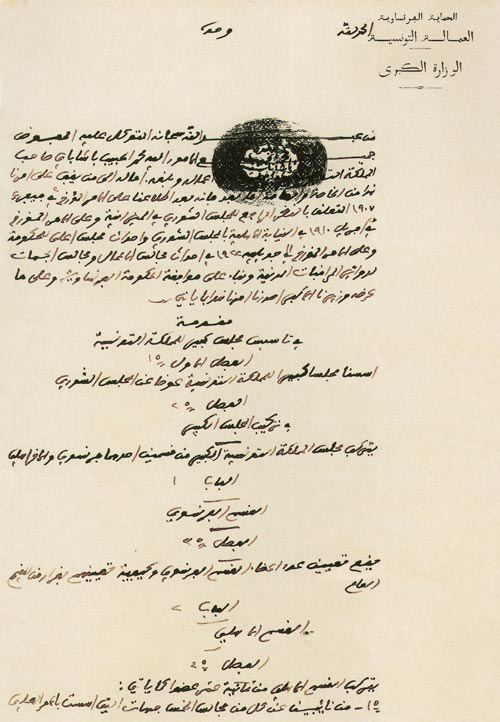
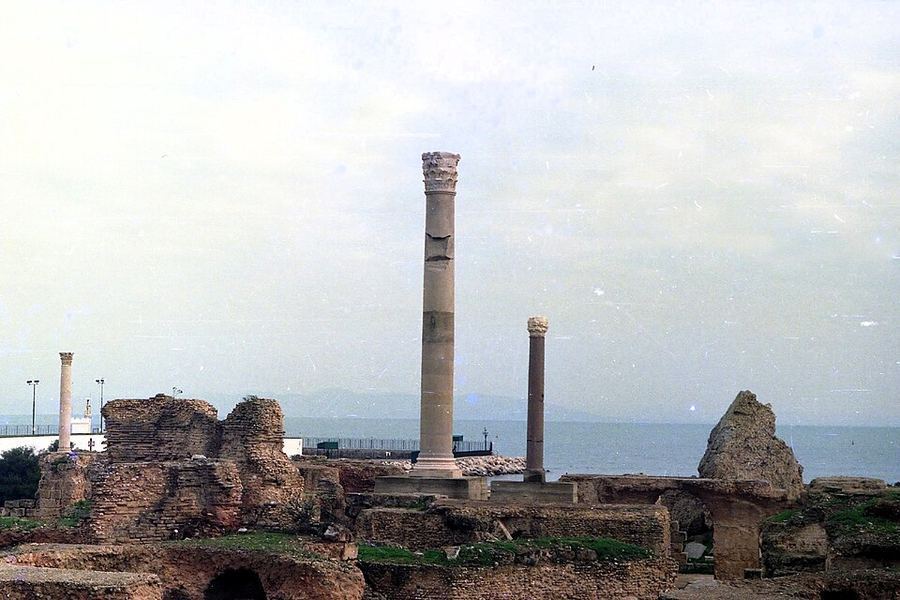
Phoenician settlers from Tyre founded Carthage, traditionally in 814 BC, and built a maritime empire that contested the western Mediterranean with Rome through three Punic Wars until the city was destroyed in 146 BC. Rome rebuilt it as the capital of a province that became one of the empire's granaries, leaving El Jem's vast amphitheatre, the temples of Dougga and the aqueduct from Zaghouan. Arab armies arrived in the seventh century and founded Kairouan in 670, which became the first great centre of Islam in the Maghreb; the Aghlabids, Fatimids, Zirids and then the Hafsids of Tunis ruled in succession, and Andalusian Muslims and Jews expelled from Spain settled the northern towns. Ottoman authority came in 1574 and gave way to the largely autonomous Husainid beys, whose indebtedness allowed France to impose a protectorate in 1881. The nationalist Neo Destour party under Habib Bourguiba won independence in 1956, and Bourguiba governed until his removal by Zine El Abidine Ben Ali in 1987. The self-immolation of a street vendor in Sidi Bouzid in December 2010 triggered protests that forced Ben Ali into exile on 14 January 2011 and set off uprisings across the Arab world; Tunisia adopted a democratic constitution in 2014, and after 2021 President Kais Saied concentrated power in the presidency and replaced it.
History, Tunisia
Silar / CC BY-SA 4.0

Culture

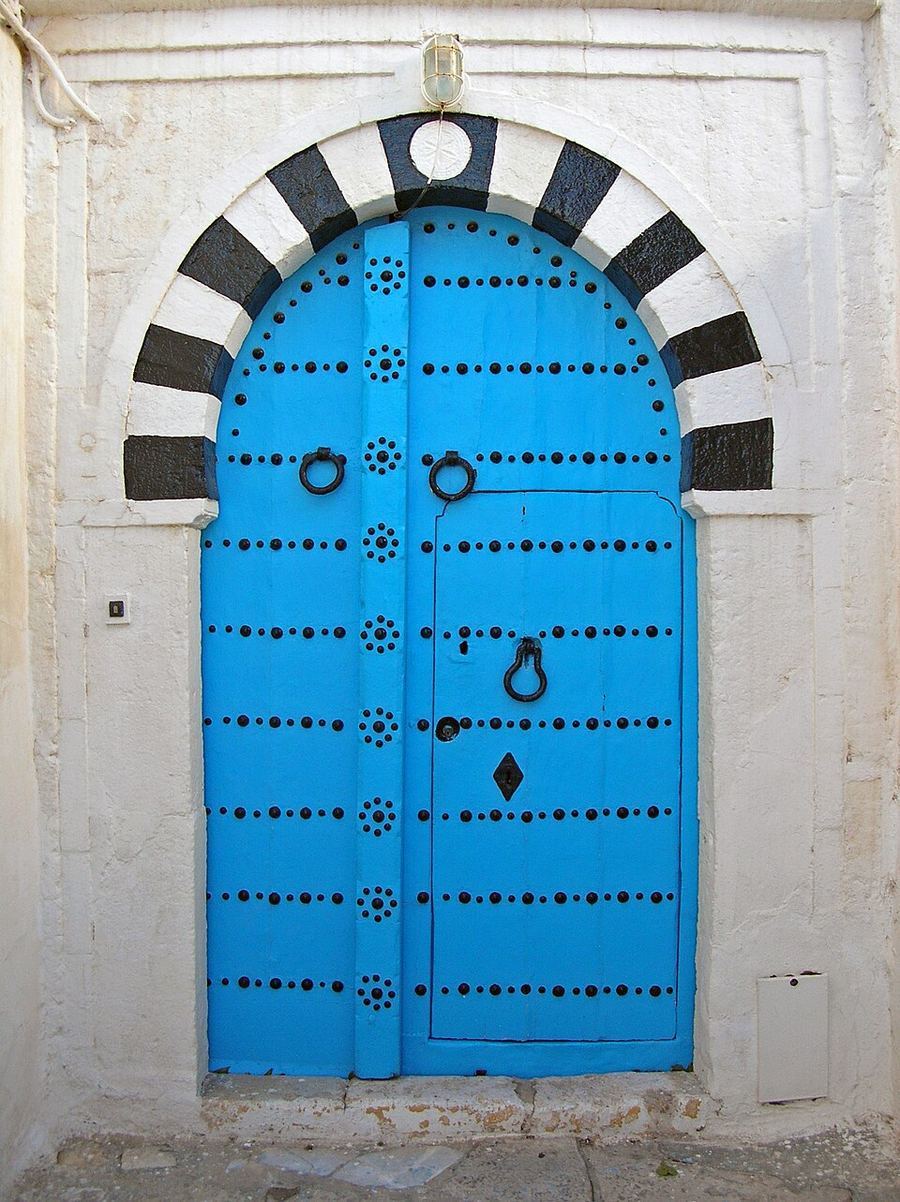
Tunisian culture is Mediterranean and Arab-Muslim at once, and unusually urban for the region: the medinas of Tunis, Sousse, Sfax and Kairouan have been centres of trade, craft guilds and religious learning for a thousand years, and the country's social life still revolves around the café, the market and the neighbourhood. Islam is the religion of almost the entire population and is practised in the Maliki school, with a strong Sufi presence expressed in the shrines of local saints and in the hadhra ceremonies held at them, alongside the more austere tradition centred on the Zitouna mosque. Tunisia is best known regionally for the Code of Personal Status promulgated in 1956, which abolished polygamy, required consent to marriage and gave women equal access to divorce — a body of law that made Tunisian family life distinctive and that successive generations of women's organisations have defended. Family remains the central institution, and hospitality, the offer of tea and pastries, and the elaborate week-long structure of weddings are constants. Ramadan reorders the whole country's rhythm, and the summer festival season fills Roman theatres and coastal towns with concerts.
Culture, Tunisia
Kritzolina / CC BY-SA 4.0

Points Of Pride

Tunisians point first to the depth of their history: Carthage, the Roman amphitheatre at El Jem, the Punic town of Kerkouane, the medinas of Tunis and Sousse, Dougga, and the Great Mosque of Kairouan are among the country's eight UNESCO World Heritage properties, and the Bardo Museum in Tunis holds one of the finest collections of Roman mosaics anywhere. Ibn Khaldun, born in Tunis in 1332, wrote the Muqaddimah and is regarded as a founder of historiography and of the social sciences. The 1956 Code of Personal Status is a standing source of national pride as the most far-reaching family law reform in the Arab world of its time. Tunisia is also proud of having begun the Arab Spring and of what followed: the National Dialogue Quartet of trade union, employers, lawyers and human rights organisations won the Nobel Peace Prize in 2015 for steering the country away from collapse. Its culinary heritage carries two UNESCO inscriptions — couscous, shared with its Maghreb neighbours, and harissa. And in sport, Ons Jabeur's Grand Slam finals and Oussama Mellouli's Olympic swimming titles are treated as national achievements of the first order.
Points Of Pride, Tunisia
Rawen Ab / CC BY-SA 4.0

Cultural Fusion

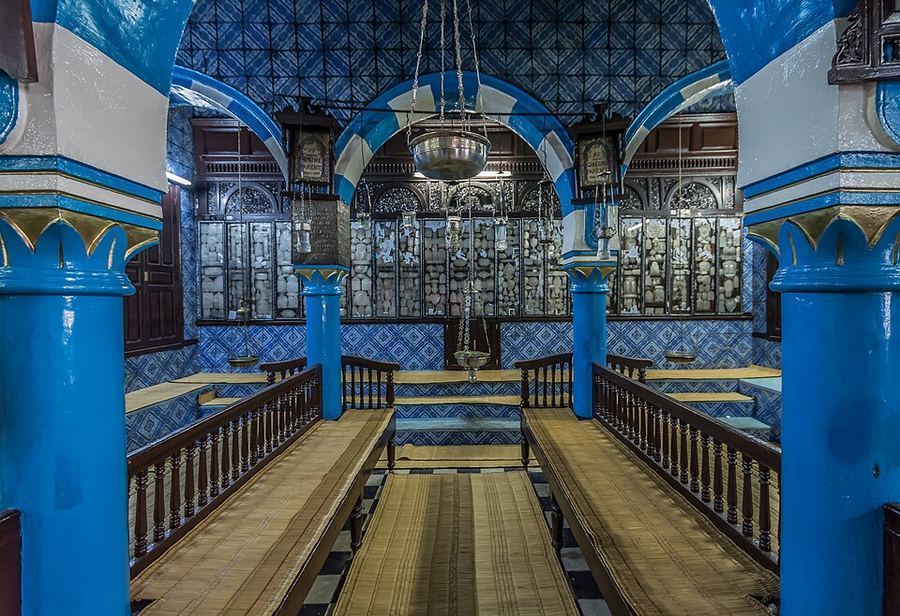
Every layer of Mediterranean history is legible in Tunisia. The Amazigh substrate survives in place names, in southern villages such as Chenini and Douiret, in Djerba and in the Berber language still spoken by a small minority, under an Arabic that arrived in the seventh century and became universal. Punic and Roman remains sit within living towns rather than apart from them. The expulsions from Spain in the sixteenth and early seventeenth centuries brought Andalusian Muslims and Jews who founded or refounded towns such as Testour, with its Spanish-influenced minaret, and who carried with them the malouf musical tradition that became Tunisia's classical repertoire. Ottoman rule left Turkish vocabulary, cuisine and the chechia trade; the Jewish community of Djerba, one of the oldest continuously settled in the world, maintains the Ghriba synagogue and its annual pilgrimage; and Italian and Maltese migration and then the French protectorate left a European architectural quarter in Tunis, French as the language of higher education and business, and a bilingual public culture. Sub-Saharan influence arrived with the trans-Saharan trade and survives most vividly in stambeli, the trance music and healing ritual of Black Tunisian communities.
Cultural Fusion, Tunisia
IssamBarhoumi / CC BY-SA 4.0

Music & Dance

Malouf is the classical tradition: Andalusian suites carried from Spain and reworked in the Tunisian nuba, performed on oud, violin, qanun and percussion with choral refrain, and formally preserved from 1934 by the Rachidia institute, which codified the repertoire and trained generations of singers including Saliha and Hedi Jouini, the latter regarded as the founder of modern Tunisian song. Alongside it runs mezoued, the raucous popular music built on the bagpipe of the same name and the bendir drum, long dismissed by official taste and enduringly loved at weddings and in working-class quarters. Stambeli, played on the gumbri lute, iron krakebs and drums by descendants of sub-Saharan Africans, is a healing and trance ritual rather than entertainment, and Sufi brotherhoods maintain their own hadhra repertoires. In the modern era the oud player Anouar Brahem has built an international following for a spare, meditative chamber style, while Emel Mathlouthi's song Kelmti Horra became an anthem of the 2011 uprising and was performed at the Nobel ceremony. Rap emerged as the sharpest political voice of the revolution and remains dominant among young Tunisians, and the summer festivals at Carthage, Hammamet and El Jem present everything from symphony orchestras to regional folk troupes.
Music & Dance, Tunisia
Nizarkalech / CC BY-SA 4.0

Cuisine & Misattributed Foods

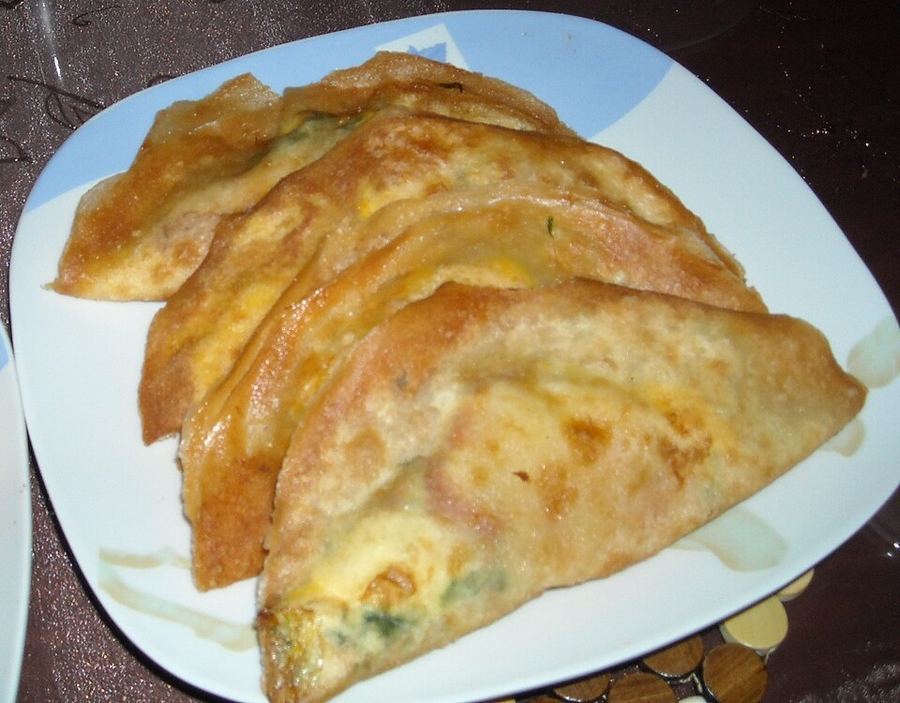
Tunisian food is the spiciest of the Maghreb, and the reason is harissa — a paste of dried red chillies, garlic, caraway and coriander whose preparation and social use were inscribed on UNESCO's intangible heritage list in 2022 and which accompanies almost every savoury dish. Couscous, steamed over a stew of lamb, fish or vegetables, is the Friday and festival dish and carries its own UNESCO inscription shared with Algeria, Morocco and Mauritania. Brik is the country's signature snack: a thin malsouka pastry folded around tuna, parsley, capers and a whole egg, then fried so the yolk is still running. Lablabi, a bowl of chickpeas in cumin-scented broth poured over torn stale bread with olive oil, harissa and egg, is the winter staple; ojja is a pan of eggs poached in tomato, pepper and merguez sausage; mechouia is a salad of grilled peppers and tomatoes crushed with garlic and oil. Fish dominates the coast, and Sfax and Djerba have their own repertoires. Tunisia is one of the world's major olive oil producers, and its deglet nour dates from the southern oases are prized; makroudh, the semolina and date pastry of Kairouan, is the best-known sweet, alongside mint tea served with pine nuts.
Cuisine & Misattributed Foods, Tunisia
Souad Anane Lesina / CC BY-SA 3.0

National Dress

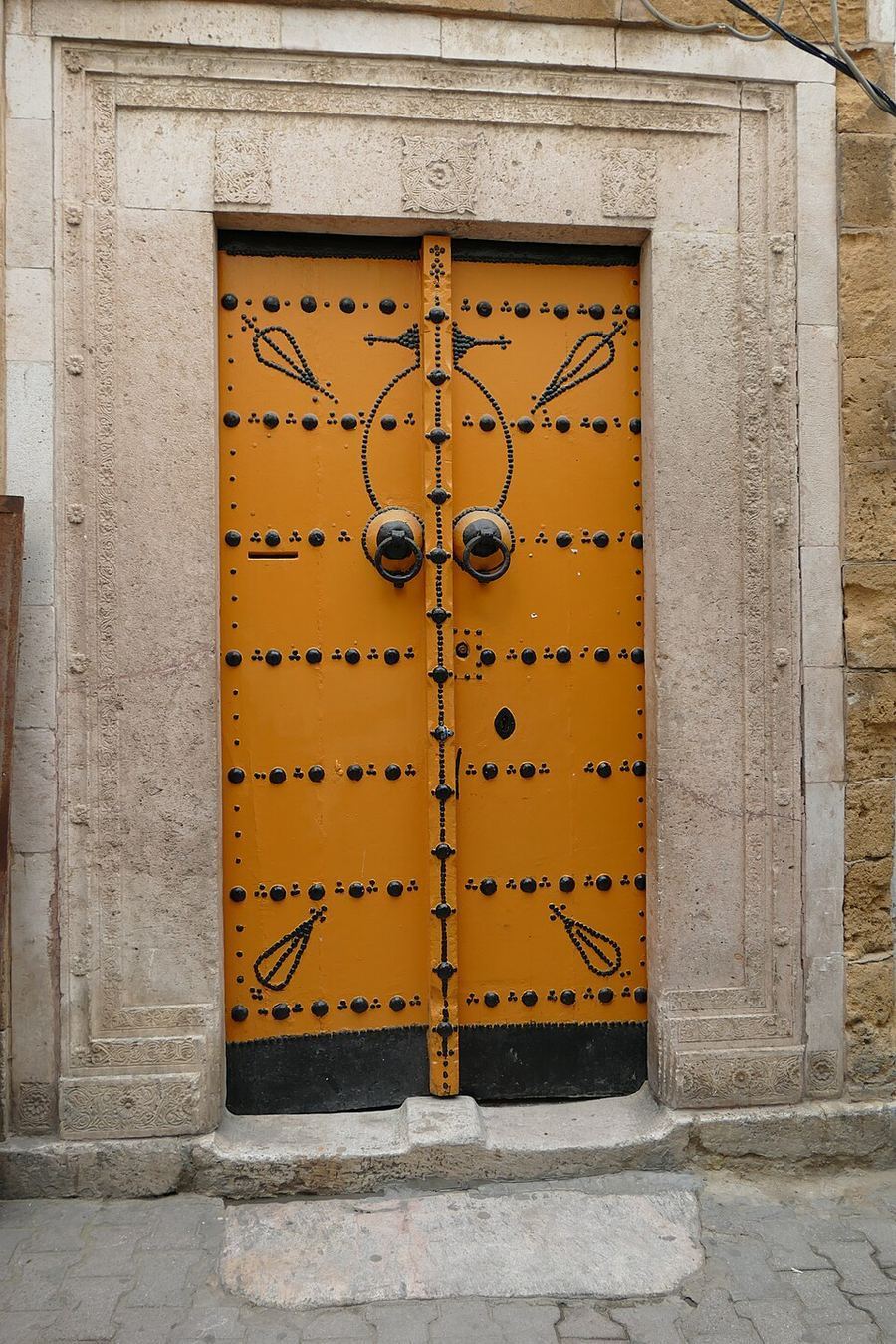
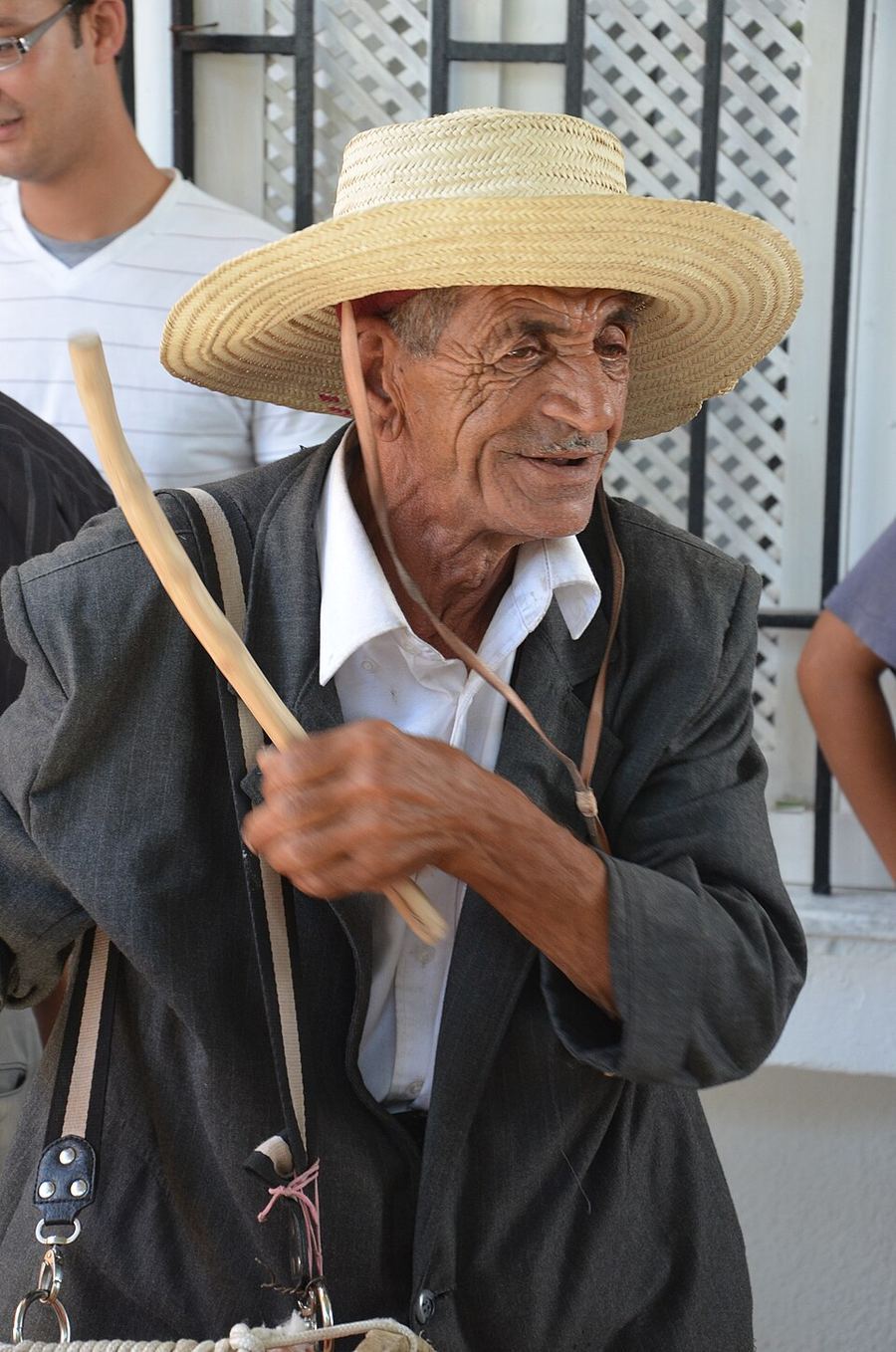
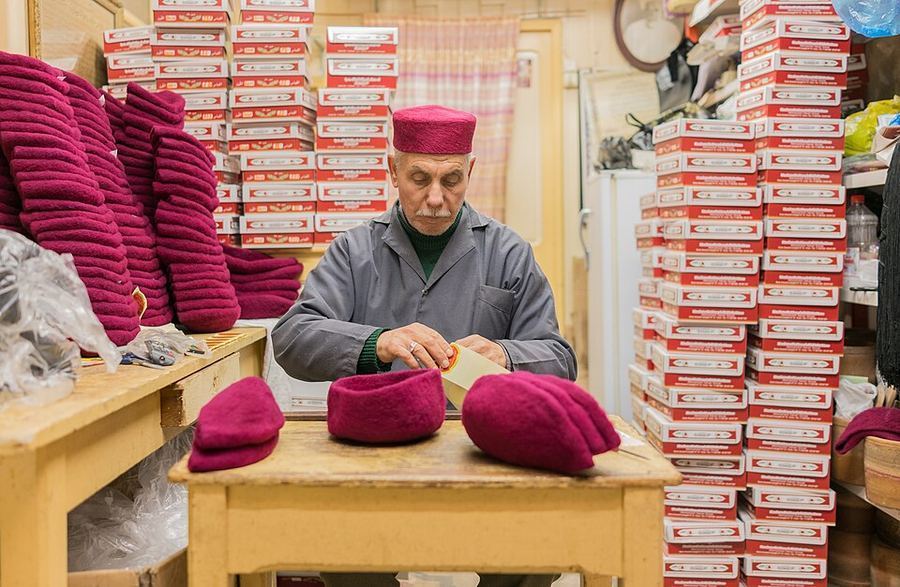
The most recognisable Tunisian garment is the chechia, a soft brimless cap of felted wool dyed deep red, made in Tunis by a craft guild whose souk and workshops have produced it for centuries and worn as an emblem of national identity as much as a hat. Men's formal dress is the jebba, a sleeveless or short-sleeved overgarment of wool or silk worn over a shirt and sarouel trousers, in white or cream for summer and darker wool for winter, often with the burnous, a hooded cloak, over it. Women's traditional dress varies sharply by region: the safsari, a light cream wrap draped over the head and body, was standard urban outdoor wear into the late twentieth century and is now largely a mark of older or rural women; the fouta and blouza of the Sahel, the embroidered koufia and heavy silver jewellery of the south and Djerba, and the elaborate gold-embroidered keswa worn by brides differ from town to town. Amazigh silver work, with fibulae, khomsa hands and coin necklaces, remains the characteristic ornament. Since independence dress has been politically charged, and everyday clothing today is overwhelmingly European in style.
National Dress, Tunisia
IssamBarhoumi / CC BY-SA 4.0

Sports & Inspiring Athletes

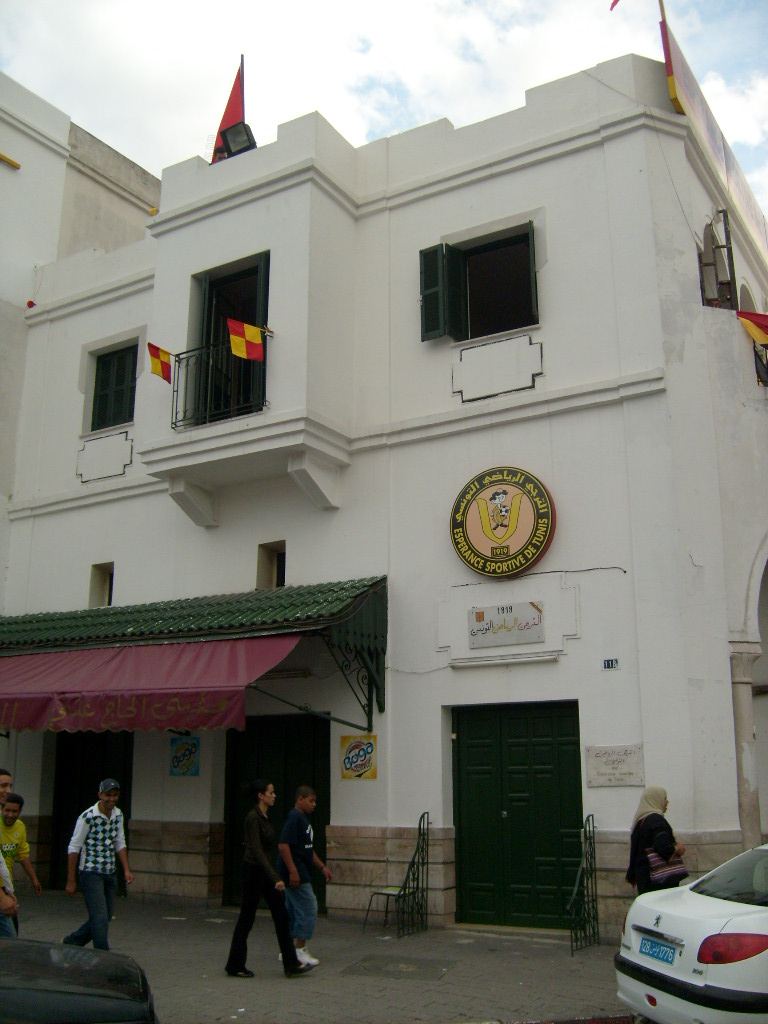
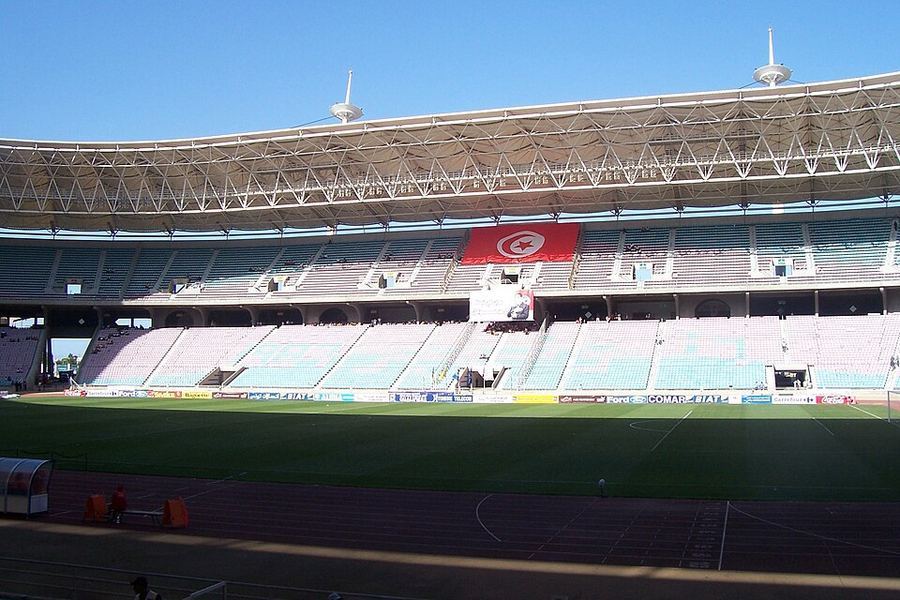
Football is the national sport by a wide margin. The domestic Ligue Professionnelle 1 is among Africa's strongest, dominated by Espérance Sportive de Tunis, Club Africain and Étoile du Sahel of Sousse, all of which have won continental titles, and the Tunis derby is one of the fiercest fixtures on the continent. Handball is the country's second great team sport, with a men's national team that has won the African championship many times and a domestic club structure to match; Tunisia hosted the World Men's Handball Championship in 2005. Volleyball and basketball both have strong national teams and regular African titles. Athletics has a long tradition in distance running and the steeplechase, and swimming has produced world and Olympic champions despite limited facilities. Tennis has surged with the success of Ons Jabeur. Traditional and regional sports persist alongside these — camel and horse racing in the south, particularly around the Douz festival, and the Arabian horse breeding for which Tunisia is known. Physical education is embedded in the school system, and the sports institutes at Ksar Said and elsewhere supply much of the coaching base for the region.
Sports & Inspiring Athletes, Tunisia
Credits to Mourad Ben Abdallah / Wikimedia Commons / Public domain

Notable Educational Programs

Education has been the central project of the Tunisian state since independence, when Habib Bourguiba committed an exceptional share of the national budget to universal schooling; literacy and enrolment rose rapidly and the country now sends a very large proportion of young people into higher education, with women forming a clear majority of university students. The Zitouna mosque in Tunis, one of the oldest centres of Islamic learning anywhere, taught religious and legal sciences for more than a millennium and survives as a modern university of theology, while the University of Tunis and its successors, along with campuses at Sfax, Sousse, Monastir and Manouba, cover the full range of disciplines. Engineering and medical training are particular strengths: Tunisian engineering schools supply large numbers of graduates to European firms, and Tunisian doctors and nurses are recruited across Europe and the Gulf. Instruction is in Arabic in the school system with French introduced early and dominant in scientific and technical higher education, producing a genuinely bilingual graduate population. The chronic weakness is the gap between output and opportunity: graduate unemployment has been high for years and was one of the grievances behind the 2011 uprising.
Notable Educational Programs, Tunisia
IssamBarhoumi / CC BY-SA 4.0

Wars & Conflicts

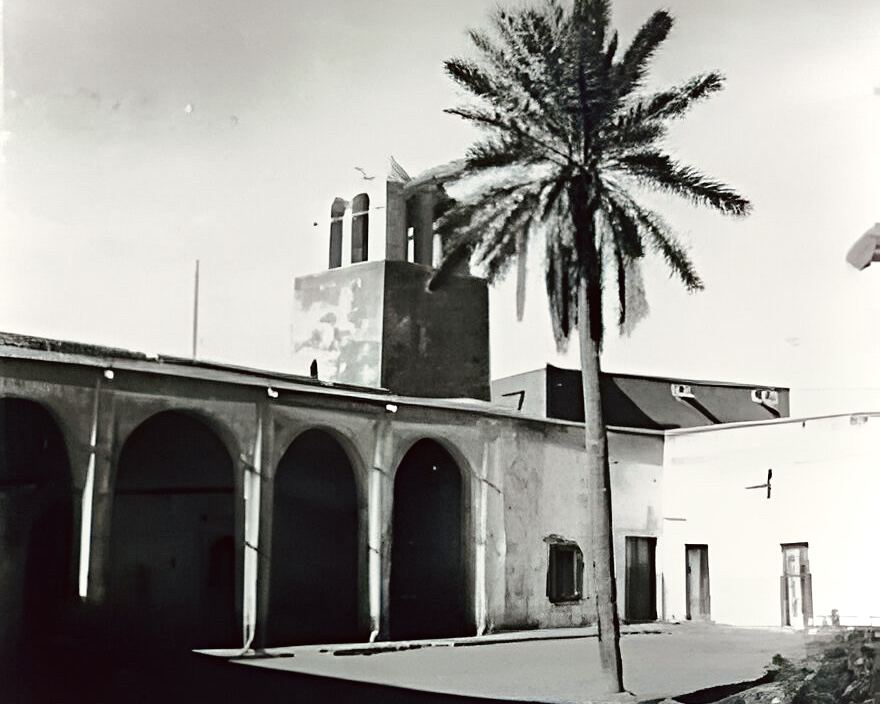
Tunisia has not fought an interstate war since independence, and its most serious external clash was the Bizerte crisis of 1961, when Tunisian attempts to force France out of its naval base there met heavy military force and cost many Tunisian lives before the base was evacuated in 1963. From 1982 the Palestine Liberation Organization was headquartered outside Tunis after its withdrawal from Beirut, which brought an Israeli air strike on its offices at Hammam Chott in 1985. Since 2011 the principal security problem has been jihadist violence: the assassinations of the opposition politicians Chokri Belaid and Mohamed Brahmi in 2013 brought the transition close to collapse, and attacks on the Bardo Museum and a beach hotel near Sousse in 2015 killed dozens of foreign visitors and devastated tourism, followed by an assault on the border town of Ben Guerdane in 2016 that security forces repelled. Instability in neighbouring Libya has driven arms trafficking and border militarisation, and Tunisia's coast near Sfax has become a principal departure point for irregular migration to Italy, generating both humanitarian crises at sea and domestic tension over the treatment of sub-Saharan migrants.
BBCReutersUNHuman Rights WatchUNHCR
Current as of 2026-08-07
Wars & Conflicts, Tunisia
Smailtn Camera location37° 20′ 13.56″ N, 9° 50′ 13.15″ E View this and other nearby images on: OpenStreetMap 37.337101; 9.836985 / CC BY-SA 4.0

Land & Border Disputes

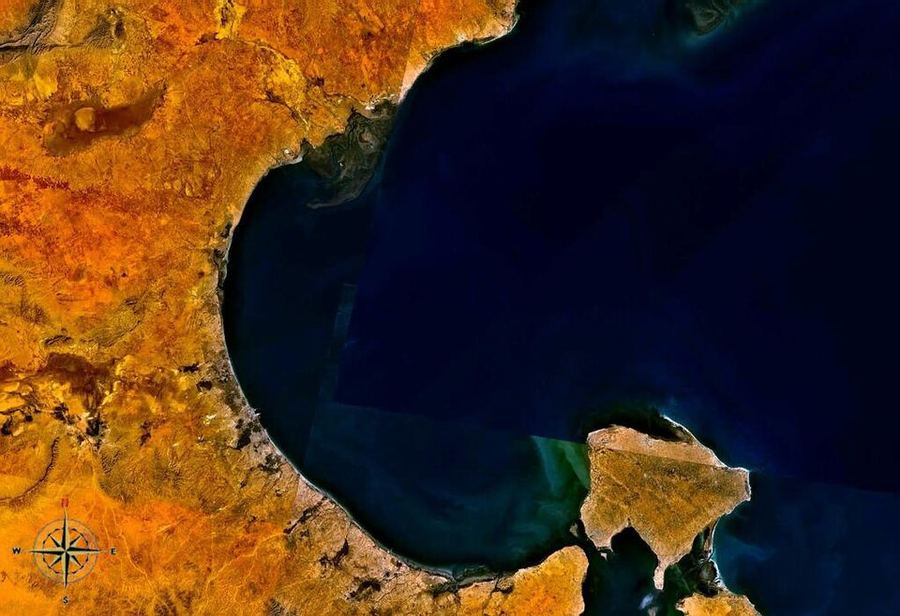
Tunisia has no land territorial disputes with Algeria or Libya; its boundaries were settled in the colonial and early post-independence periods and have been demarcated. Its one significant international legal contest concerned the continental shelf in the Gulf of Gabes, which Tunisia and Libya submitted jointly to the International Court of Justice; the Court delivered its judgment on the applicable principles of delimitation in 1982, and Tunisia's later request for revision and interpretation was decided in 1985. Offshore boundaries with Italy and Malta in the central Mediterranean have been managed through agreement and negotiation rather than litigation, though fisheries enforcement and the arrest of fishing crews across the maritime frontier are recurrent irritants, particularly between Tunisian trawlers and Italian and Libyan authorities. The most consequential external friction today is not territorial at all: migration across the Sicilian Channel has made Tunisia central to European Union border policy, producing agreements on funding and enforcement that are politically contentious in Tunisia itself, while relations with Libya's rival administrations require careful balancing on border crossings, trade and the security of the frontier zone.
Land & Border Disputes, Tunisia
Wikimedia Commons / Public domain
Land, Life & Legacy

Land & Climate

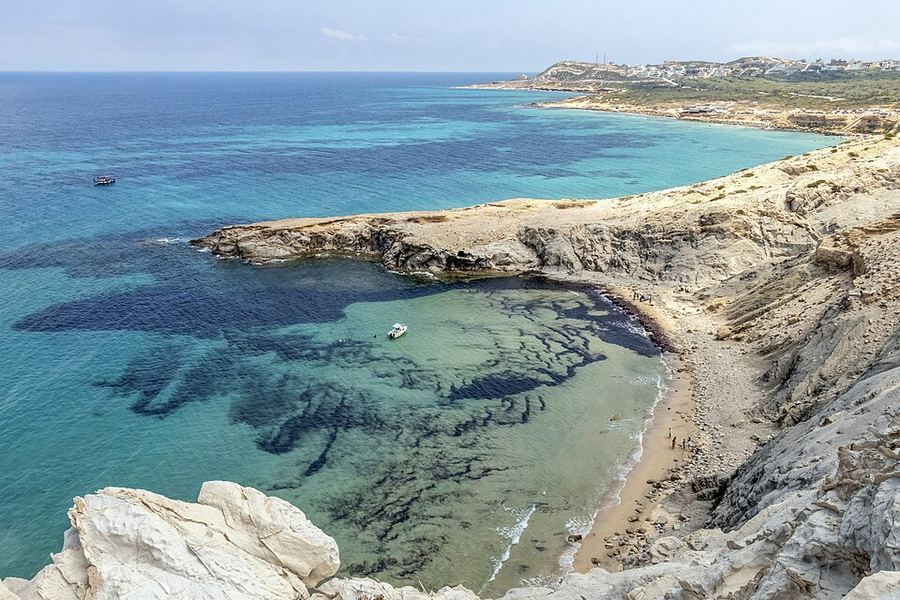
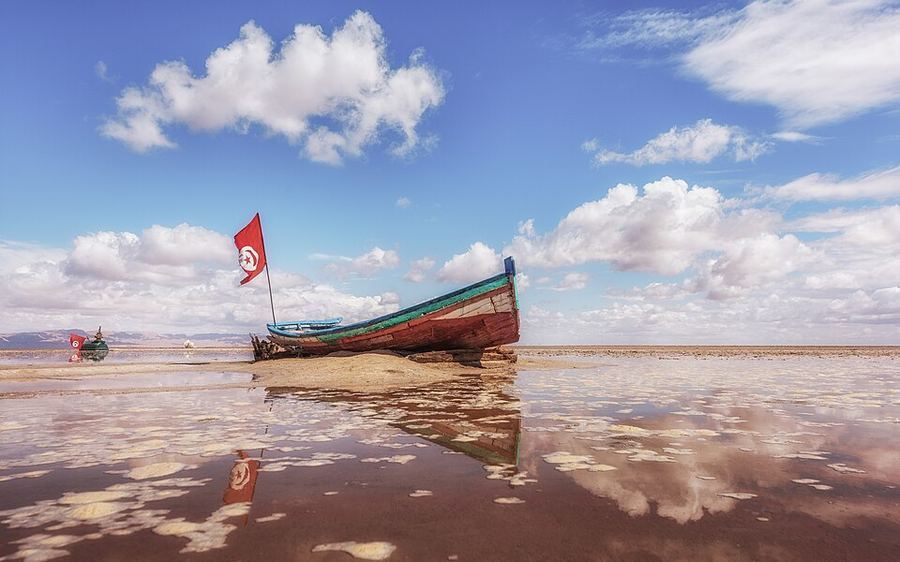
Tunisia divides into three bands. The north is Mediterranean: the Kroumirie mountains with cork oak forest, the Medjerda, the country's only substantial river, running through grain country to a fertile plain, and a coastline of bays and headlands from Tabarka round Cap Bon to the Gulf of Tunis. The centre is the Sahel, a plateau of olive groves running down the coast through Sousse, Monastir and Sfax, backed by the steppe and by the Dorsale, the last spur of the Atlas, which rises to Jebel ech Chambi at 1,544 metres. The south is Saharan: the great salt flat of Chott el Djerid, the oases of Tozeur, Nefta and Douz, the ksour and troglodyte dwellings of Matmata and Tataouine, and dunes running to the Algerian and Libyan frontiers. The island of Djerba lies off the southeast coast. Rainfall falls steeply from north to south, and the country is chronically short of water, with drought in recent years forcing rationing and hitting the olive and grain harvests. Lake Ichkeul in the north, a World Heritage site, is a critical wintering ground for migratory waterfowl. Coastal erosion and rising temperatures are the main climate pressures on a heavily coastal population.
Land & Climate, Tunisia
Atef Ouni / CC BY-SA 4.0

Entertainment

The café is the centre of Tunisian leisure — small glasses of strong coffee or mint tea with pine nuts, chicha pipes, card games and hours of conversation, from the terraces of Sidi Bou Said above the Gulf of Tunis to street corners in every town. Beaches fill through the long summer at Hammamet, Sousse, Monastir, Djerba and Tabarka, for Tunisians as much as for foreign visitors, and the hammam remains a weekly social ritual for many families. Football is followed with great intensity, and derbies between Espérance and Club Africain divide households in Tunis. The summer festival season is a national fixture: the Carthage International Festival stages concerts in the Roman theatre, El Jem hosts symphonic music inside the amphitheatre, and Douz holds its Sahara festival with camel racing and desert poetry. Weekend excursions run to the Roman sites, the northern forests and the oases, and picnicking is close to a national sport. Ramadan transforms the evening, with cafés and streets busiest after the breaking of the fast. Cinema has a devoted following, and the Carthage Film Festival, founded in 1966, is the oldest festival of its kind in Africa and the Arab world.
Entertainment, Tunisia
Bernard Gagnon / CC BY-SA 3.0

Art & Museums

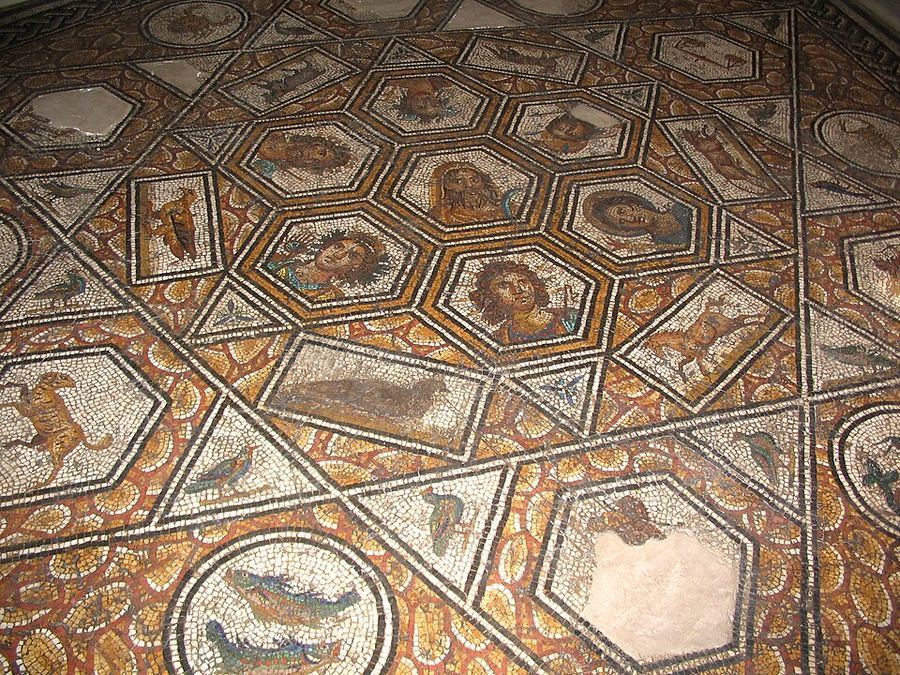
Tunisia's greatest inherited art is the Roman mosaic, and the Bardo National Museum in Tunis, housed in a former beylical palace, holds one of the world's outstanding collections, lifted from villas at Sousse, Dougga and El Jem and depicting mythology, hunting, fishing and agricultural life in extraordinary detail. Islamic art is represented by the woodwork, stucco and tilework of the Great Mosque of Kairouan and the medina of Tunis, and by the Kairouan knotted carpet, whose designs are among the most recognised in North Africa; Nabeul is the centre of glazed ceramics and Sejnane preserves a distinct hand-modelled pottery tradition made by Amazigh women. Modern painting begins with Yahia Turki, conventionally called the father of Tunisian painting, and with the École de Tunis founded in 1949, which sought a national idiom out of local subject matter and Mediterranean light; Paul Klee's brief 1914 visit to Tunisia is one of the celebrated episodes in European modernism. Cinema is a national strength: the Carthage Film Festival, the work of Moufida Tlatli and Nouri Bouzid, and more recently the internationally recognised films of Kaouther Ben Hania have given Tunisia a standing in Arab and African filmmaking out of proportion to its size.
Art & Museums, Tunisia
Giorces / CC BY 2.5

Notable People

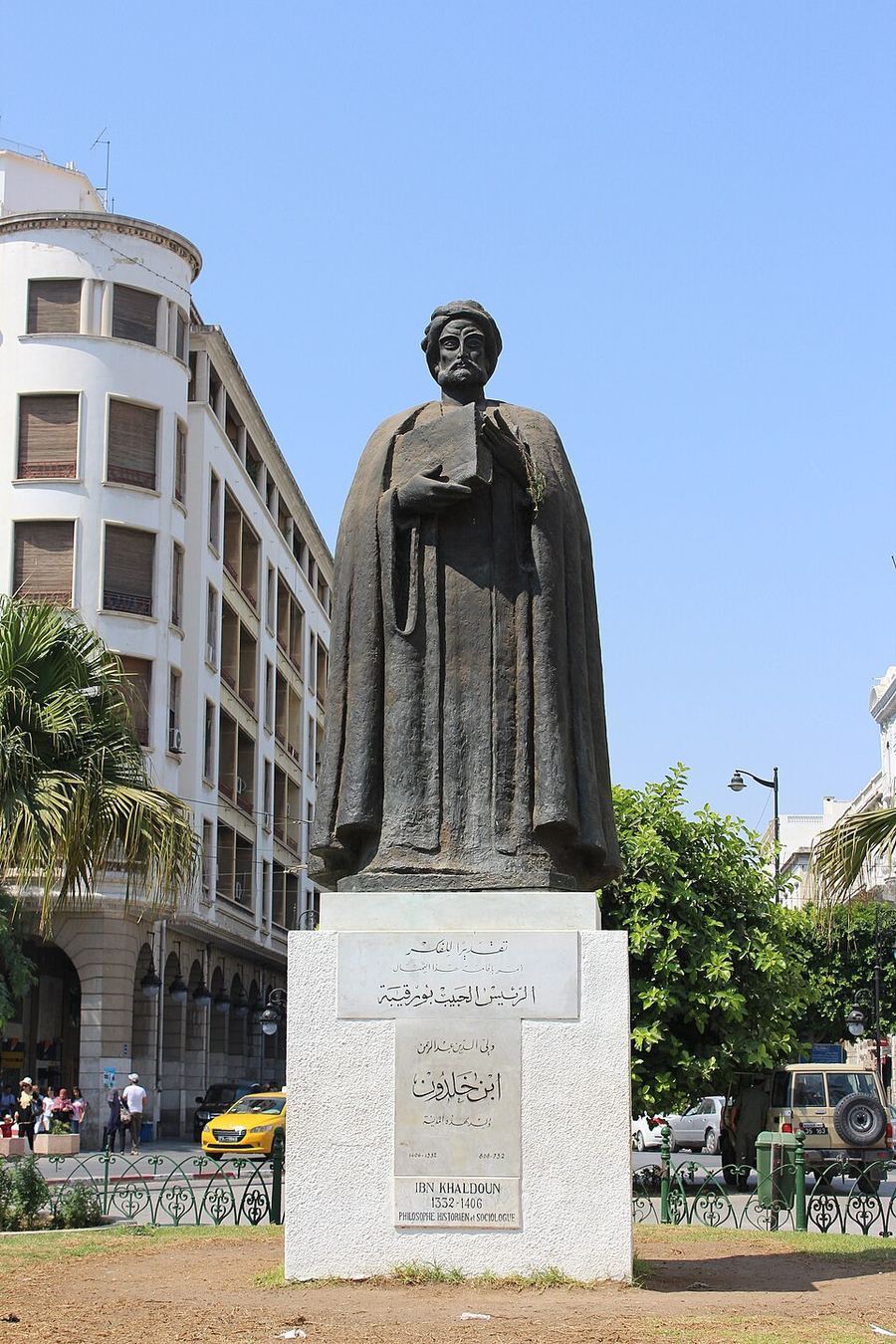
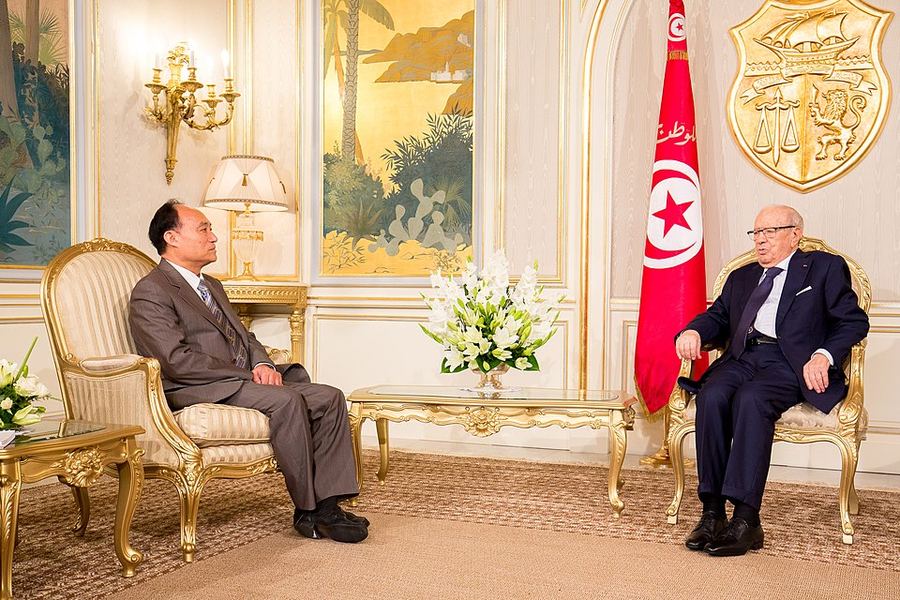
Ibn Khaldun, born in Tunis in 1332, wrote the Muqaddimah, a theory of the rise and fall of states built on the concept of group solidarity, and is regarded as one of the founders of history as a discipline and of the social sciences. Habib Bourguiba, who led the country to independence and then remade its law and education for three decades, is the dominant modern figure; Abu al-Qasim al-Shabbi, the poet who died at twenty-five, wrote the lines about the will of the people that were absorbed into the national anthem and chanted throughout the 2011 uprising. Albert Memmi, born into Tunis's Jewish community, wrote The Colonizer and the Colonized, a foundational text of anti-colonial thought. In music, Hedi Jouini shaped modern Tunisian song, Anouar Brahem carried the oud into international chamber music, and Emel Mathlouthi gave the revolution its anthem. In sport, Mohammed Gammoudi won four Olympic medals in distance running including gold in 1968; Oussama Mellouli became the first African or Arab swimmer to win Olympic gold; Habiba Ghribi became the country's first female Olympic champion; and Ons Jabeur became the first Arab and first African woman to reach a Grand Slam singles final.
Notable People, Tunisia
Sami Mlouhi / CC BY-SA 4.0

Inventions & Breakthroughs

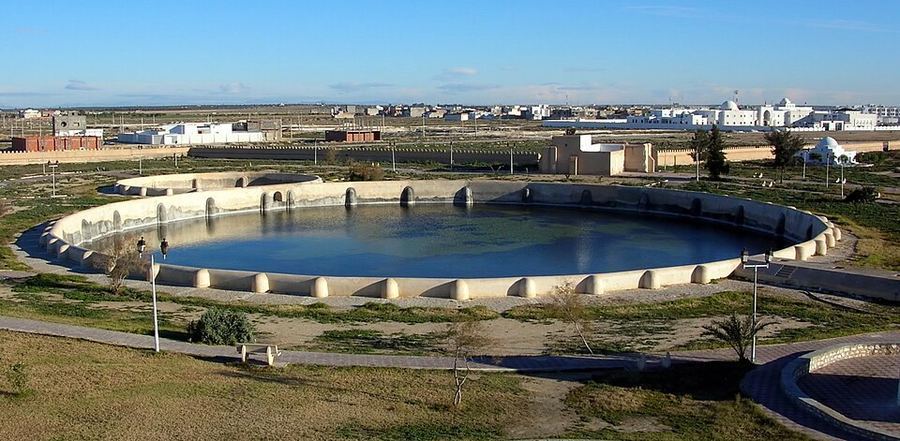
Tunisia's contributions are best described as engineering and intellectual rather than mechanical. Carthaginian shipbuilders worked with prefabricated, numbered timbers that allowed vessels to be assembled at speed — an early form of standardised production identified from wrecks — and their circular military harbour at Carthage, with covered ship sheds around a central island, was among the most sophisticated naval installations of the ancient world. The Roman province left hydraulic works of exceptional ambition, above all the aqueduct carrying water more than a hundred kilometres from Zaghouan to Carthage. In the ninth century the Aghlabids built the great open cisterns at Kairouan, a system of settling and storage basins that supplied a desert-edge city with clean water and remains a landmark of Islamic hydraulic engineering. Southern Tunisia developed the ksar, a fortified communal granary of stacked vaulted cells for storing grain and oil in a raiding landscape, and the troglodyte pit dwellings of Matmata, cut into the ground to hold a stable temperature through Saharan extremes. Ibn Khaldun's Muqaddimah is the country's most consequential intellectual invention, proposing a cyclical, causal account of political change centuries before comparable European work.
Inventions & Breakthroughs, Tunisia
Bernard Gagnon / CC BY-SA 3.0

Science & Technology

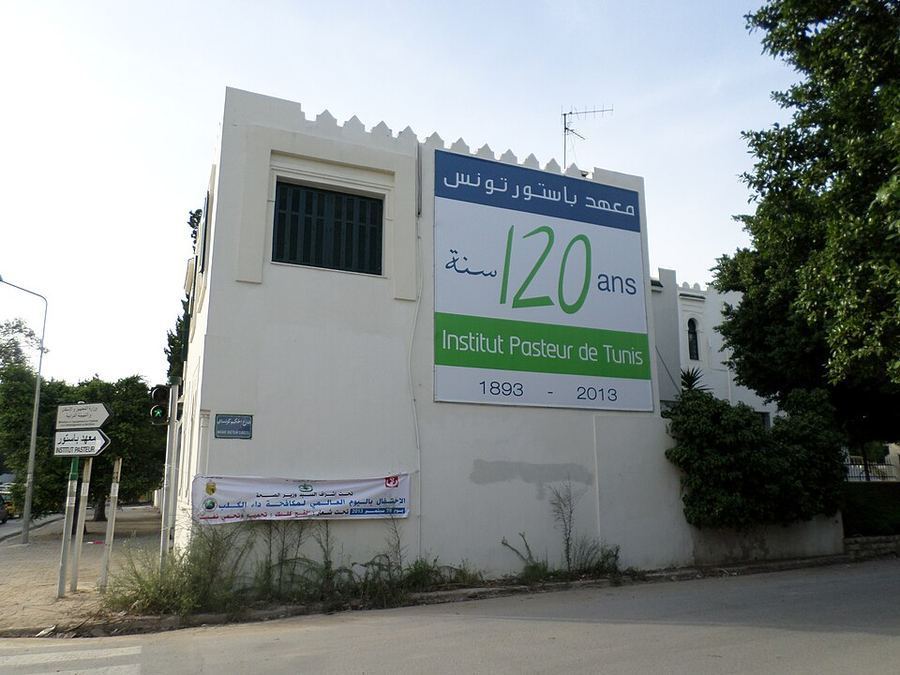
Tunisia has a long scientific tradition for a country of its size. The Institut Pasteur de Tunis, founded in 1893, is among the oldest of the Pasteur network outside France, and it was there that Charles Nicolle established that the body louse transmits epidemic typhus — work that won the Nobel Prize in Medicine in 1928 and that came directly out of clinical observation in Tunis hospitals. The institute remains a centre for research on vector-borne and infectious disease in North Africa. Modern research capacity is concentrated in medicine, biotechnology, water science and information technology, supported by an unusually large engineering graduate output; the technology park at El Ghazala outside Tunis hosts software and telecommunications firms serving European clients, and Tunisia hosted the second phase of the World Summit on the Information Society in 2005. Applied science serves the country's economic base: olive and date agronomy, desalination and irrigation efficiency under worsening drought, phosphate processing at Gafsa, and automotive and aerospace component manufacture for European supply chains. The persistent problem is retention — a substantial share of Tunisian scientists, engineers and physicians emigrate to Europe, Canada and the Gulf, and reversing that outflow is a standing policy objective.
Science & Technology, Tunisia
Ashoola / CC BY-SA 4.0
On The World Stage
Champions of Tunisia

Champions & Defining Moments

Tunisia's Eagles of Carthage became the first African team to win a match at a FIFA World Cup, beating Mexico 3-1 in Argentina in 1978, and have qualified repeatedly since; the country won the Africa Cup of Nations in 2004 as hosts, and Tunisian clubs have taken the CAF Champions League on several occasions, Espérance most often. At the Olympic Games, Mohammed Gammoudi won four medals across three Games in the 1960s and 1970s, including the 5,000 metres title in Mexico City in 1968. Oussama Mellouli won the 1,500 metres freestyle in Beijing in 2008 and then the ten-kilometre open water race in London in 2012, becoming the first African or Arab swimmer to win Olympic gold and the only swimmer to have won titles in both the pool and open water. Habiba Ghribi's medal in the 3,000 metres steeplechase at London in 2012 was later upgraded to gold, making her the first Tunisian woman to become an Olympic champion. In tennis, Ons Jabeur reached the Wimbledon and US Open finals in 2022 and Wimbledon again in 2023, rising to world number two — the highest ranking ever achieved by an Arab or African woman.

khaled abdelmoumen / CC BY 2.0
Government & Leadership

Parliamentary republic

Seat of the executive

Executive

Kais Saied — PresidentINDEPENDENT

In office since 23 October 2019

Sarra Zaafrani Zenzri — Prime Minister

The legislature

National legislature

Bicameral

National Council of Regions and Districts — 77 seats

Last election 4/19/2024 · 13% women

Assembly of People's Representatives (Majlis Nawwab ash-Sha'ab) — 161 seats

Last election 12/17/2022 to 1/29/2023 · 15.8% women

Court of Cassation

consists of the first president, chamber presidents, and magistrates; organized into 27 civil and 11 criminal chambers

Economy, Trade & Government

Currency & GDP

Tunisian Dinar — TND (د.ت)

GDP (PPP): $156.086 billion (2024 est.)

Per capita: $12,700 (2024 est.)

Exports

$19.732 billion (2023 est.)

garments, insulated wire, olive oil, refined petroleum, crude petroleum (2023)

Partners: France 22%, Italy 17%, Germany 13%, USA 4%, Libya 4% (2023)

Imports

$21.953 billion (2023 est.)

refined petroleum, natural gas, plastic products, cars, plastics (2023)

Partners: Italy 13%, France 12%, China 10%, Russia 8%, Germany 7% (2023)

Government

Type: parliamentary republic

Independence: 20 March 1956 (from France)

Terrain → Where People Live

How mountains, coasts, and rivers shape settlement (LandScan).

Coming — data

Migration & Ethnic Settlement

Where groups settled and how people move (GeoEPR + UNHCR).

Coming — data

Universities

Notable institutions, mappable as points.

Coming — data
Economy & government facts: CIA World Factbook (public domain), via OpenFactBook / factbook.json.
Every fact and narrative claim will carry a visible source citation. Data-driven sections light up automatically wherever HERA has coverage.