HERA · Human Entity Reference Atlas by Masego Inc

← Tuvalu 🌐 3D View
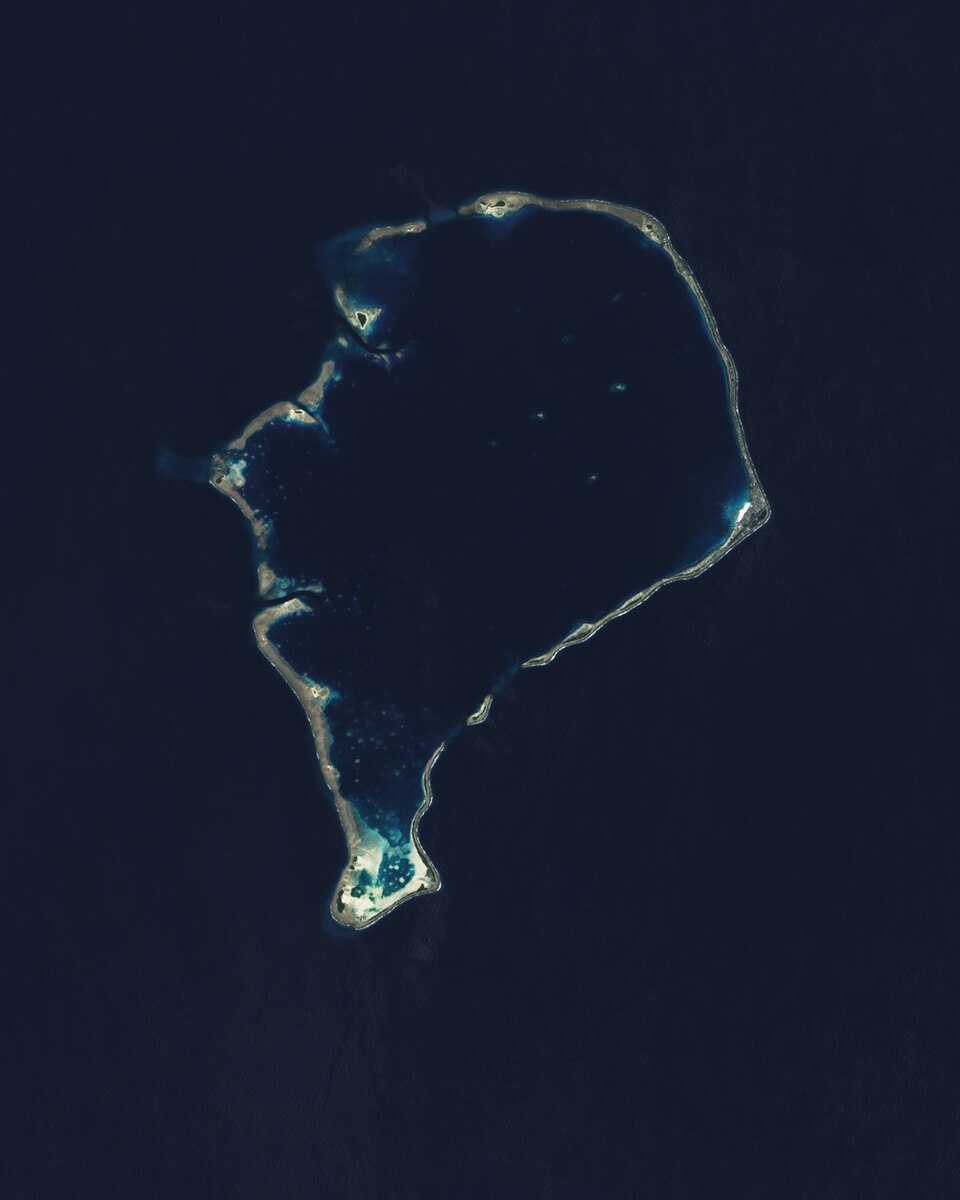
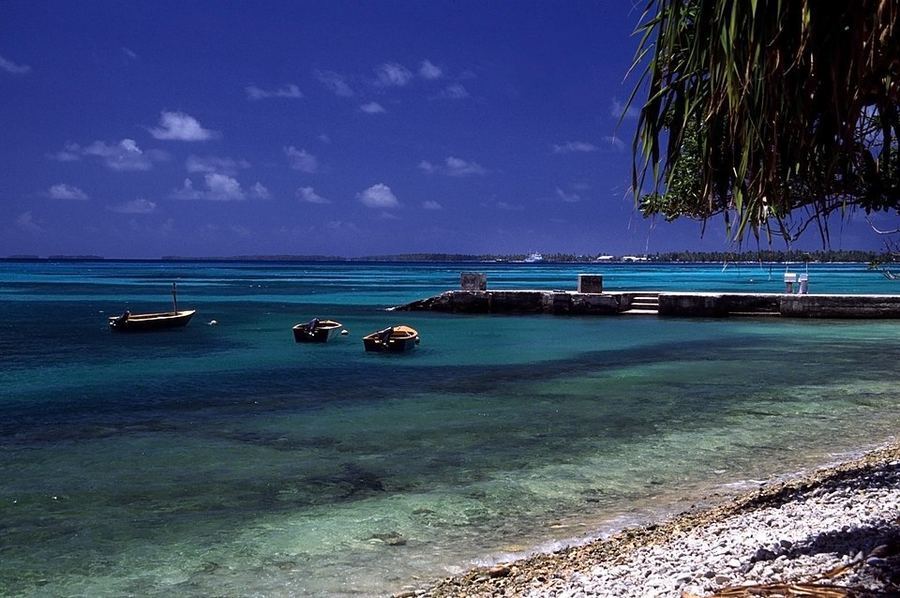
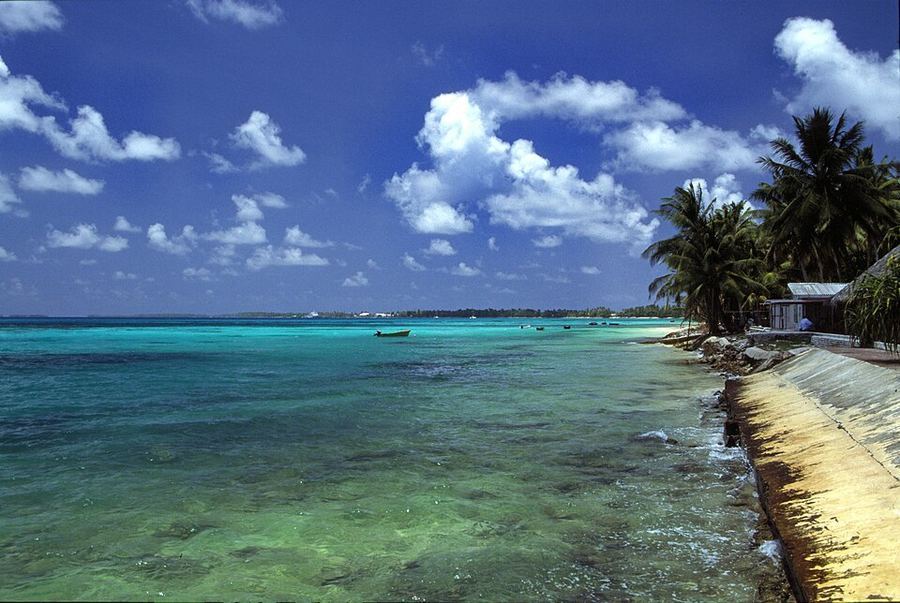
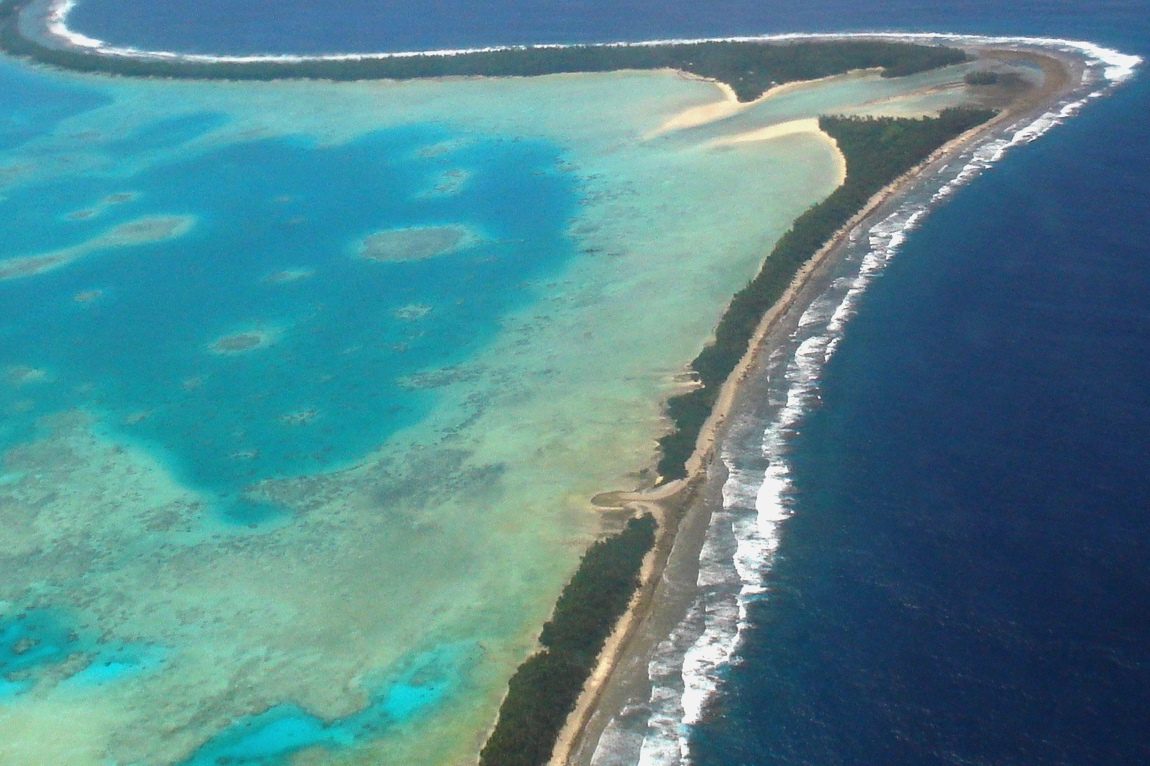
Funafuti atoll Tuvalu, Tuvalu
Tuvalu TUV
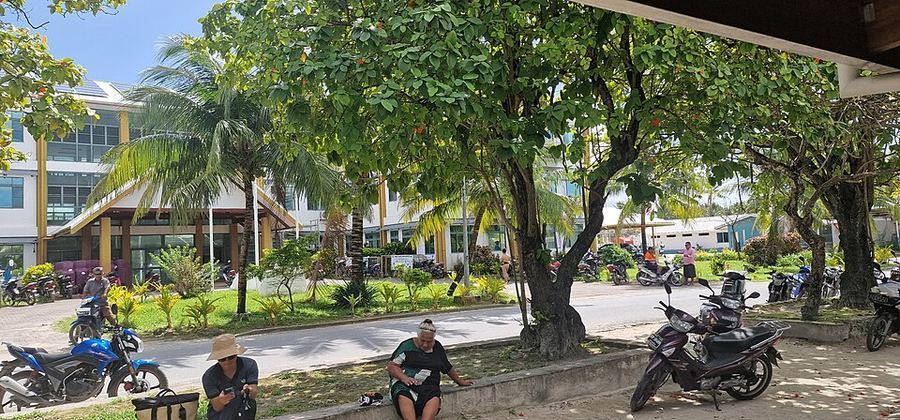
Funafuti atoll Tuvalu — Photo: Lily-Anne Homasi/DFAT / CC BY 2.0 via Wikimedia Commons
Did You Know In 2021 Tuvalu's foreign minister Simon Kofe delivered the country's address to the Glasgow climate conference standing knee-deep in seawater in a suit and tie, on ground that had been dry land. — Reuters

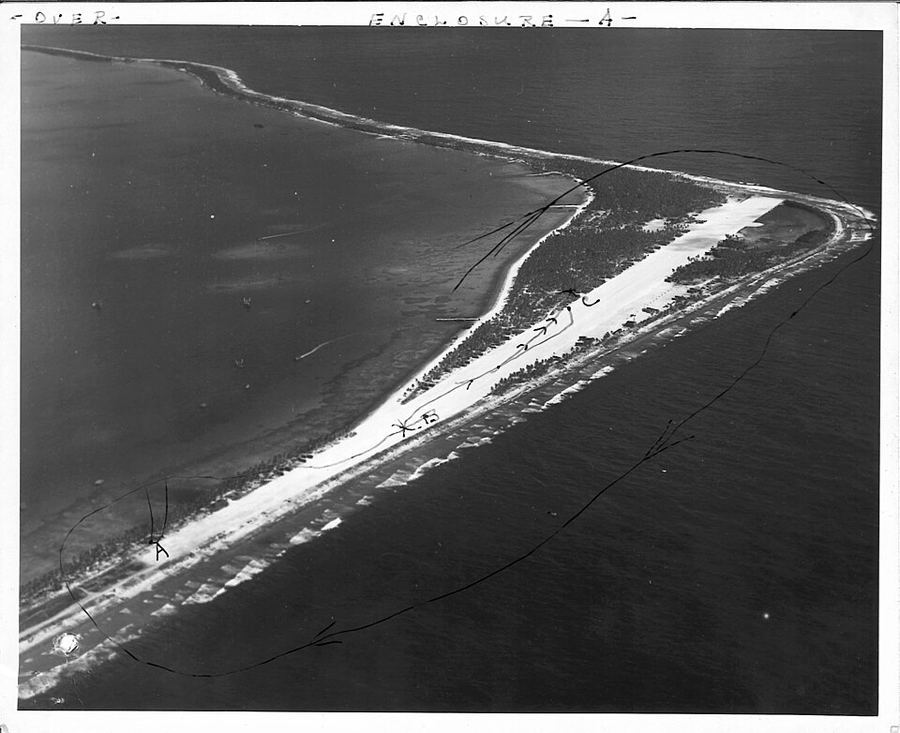
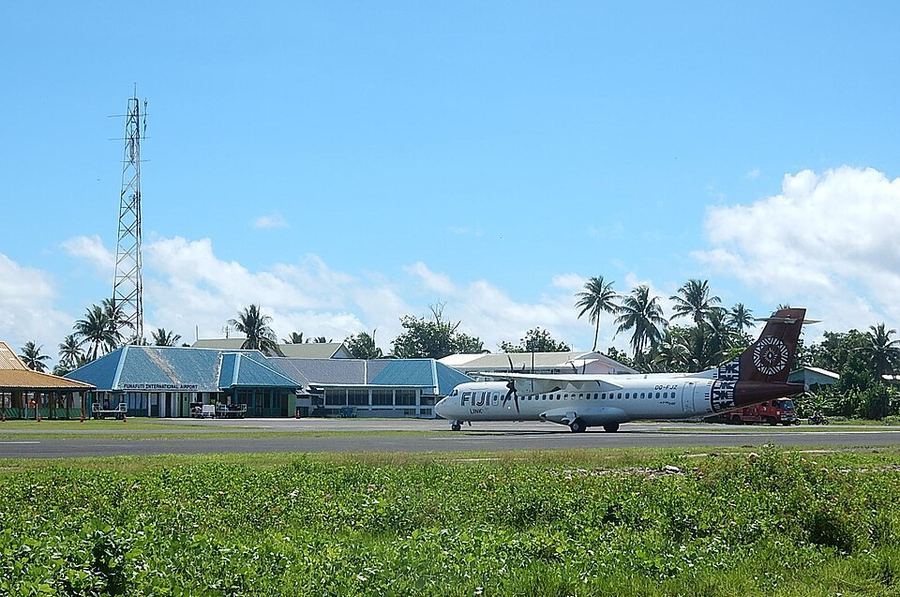
Tuvalu is a Polynesian nation of nine low coral atolls and reef islands scattered across roughly 750,000 square kilometres of the western Pacific between Kiribati and Fiji. Its land area is about 26 square kilometres and its highest natural point is under five metres above the sea, which makes it one of the lowest-lying countries on earth. Fewer than 12,000 people live there, more than half of them on Funafuti, the capital atoll, whose narrow strip of land is shared with the airstrip American forces built during the Second World War. The name means roughly 'eight standing together', a reference to the eight traditionally inhabited islands; the ninth, Niulakita, was settled later. Tuvalu was administered by Britain as the Ellice Islands within the Gilbert and Ellice Islands colony, voted in a 1974 referendum to separate from the Gilbertese-speaking north, and became independent on 1 October 1978 as a Commonwealth realm with a parliamentary system. It joined the United Nations in 2000. The economy is very small — fishing licence fees paid by distant-water fleets, seafarer remittances, a ship registry, aid, income from the Tuvalu Trust Fund and, unusually, royalties from the '.tv' internet domain. Sea-level rise, saltwater intrusion and intensifying storm surge dominate national policy, and Tuvalu has become one of the most persistent and quoted voices in international climate negotiations.

CIA World FactbookEncyclopaedia BritannicaWorld BankUN
Population
11,824
Capital
Funafuti
Currency
$ AUD
Time zones
Largest city
Human Geography Themes
Loading national figures…
The Country & Its People

History

Tuvalu was settled by Polynesian voyagers, with traditions on several islands tracing descent from Samoa and Tonga, and the atolls were organised as separate island communities rather than a single state. European vessels sighted the group from the sixteenth century onward, and the islands appeared on charts as the Ellice Islands after a nineteenth-century naming for a British merchant. Two events reshaped the population in the 1860s. In 1861 a Cook Islands deacon named Elekana was blown off course and landed at Nukulaelae, beginning the London Missionary Society presence that made the islands overwhelmingly Congregationalist and brought Samoan pastors whose language marked Tuvaluan church usage permanently. In 1863 Peruvian labour ships took away a large share of the people of Funafuti and Nukulaelae, a loss those atolls took generations to recover from. Britain declared a protectorate in 1892 and a colony in 1916, joining the Ellice Islands to the Gilberts. In 1943 American forces built an airfield on Funafuti and used the atolls as a staging area for the Central Pacific campaign, and the islands were bombed by Japanese aircraft. Dissatisfaction with Gilbertese dominance led to the 1974 referendum, separation in 1975 and independence on 1 October 1978. Since independence Tuvalu has kept an unbroken parliamentary system without political parties, with governments formed by shifting alliances among individual members returned from the island constituencies.
Culture

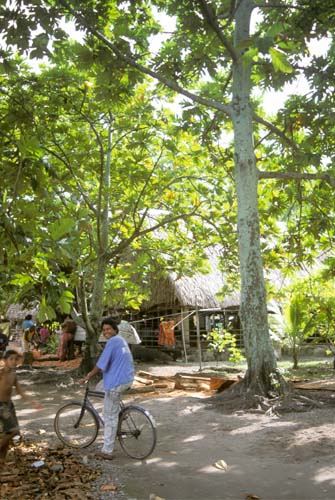
Tuvaluan life is organised around the island community, the extended family and the church, and the physical centre of each community is the maneapa, the large open meeting house where the falekaupule — the assembly of elders and household heads — debates and decides island affairs. The Falekaupule Act gives these island assemblies real statutory authority over local matters, so custom and formal government are interlocked rather than separate. Land is held by kin groups and is the basis of belonging; a person's standing derives from their island of origin even after a lifetime in Funafuti or abroad. Reciprocity and public generosity are strongly valued, and feasts, church fundraising and communal labour mark almost every significant event. The Congregational Christian Church of Tuvalu, descended from the London Missionary Society mission, is by far the largest denomination and its calendar structures the year. Respect language and seating order in the maneapa mark seniority, and decisions are typically reached by extended discussion rather than division. Because the resident population is so small and emigration to New Zealand, Fiji and Australia so common, Tuvaluan culture is maintained as much by diaspora communities and by seafarers as by those at home, and remittances from crew working on foreign merchant ships have long been a pillar of household income.

Points Of Pride

Tuvaluans point first to survival and self-possession: one of the smallest states in the world by population and land area, it runs its own parliament, courts and civil service, and has held the floor at the United Nations and at climate conferences with an influence out of all proportion to its size. The Tuvalu Trust Fund, established in 1987 with contributions from Australia, New Zealand and the United Kingdom, is admired across the Pacific as a durable answer to the problem of financing a micro-state, and the '.tv' domain — allocated because of the country code and leased to commercial operators — turned an accident of the alphabet into a meaningful share of government revenue. The Funafuti Conservation Area, established in 1996 across islets and reef on the western rim of the lagoon, is a source of pride as a locally managed marine protected area. Tuvaluans also take pride in the fatele, the massed sung dance that has stayed a living form rather than a performance for visitors, and in the country's record of orderly, peaceful politics without a coup, an armed force or a political party system. The decision to keep the monarchy and the Westminster model while running everything through island assemblies is itself widely regarded as a successful national compromise.

Cultural Fusion

Tuvalu sits at a Polynesian–Micronesian boundary and shows it. Nui, alone among the islands, speaks a language descended from Gilbertese rather than Tuvaluan, the result of settlement from the Micronesian islands to the north, and the island's dance and craft traditions differ noticeably from those of the southern atolls. The Samoan influence is the other great layer: the London Missionary Society staffed the islands with Samoan pastors from the 1860s, and Samoan supplied much of the vocabulary of church, scripture and hymnody, so that religious Tuvaluan still carries a Samoan register. The colonial link with the Gilberts left administrative and personal ties with Kiribati that remain in families, and Tuvaluan communities in Fiji — including the descendants of workers on Kioa Island, bought by Vaitupu islanders in 1946 — form a permanent overseas branch of the nation. British administration left English, the parliamentary system and the common law. Seafaring on foreign merchant fleets, training at the maritime school on Amatuku, and migration to New Zealand under Pacific access arrangements have brought further outside influence home in the form of money, music and returning families.

Music & Dance

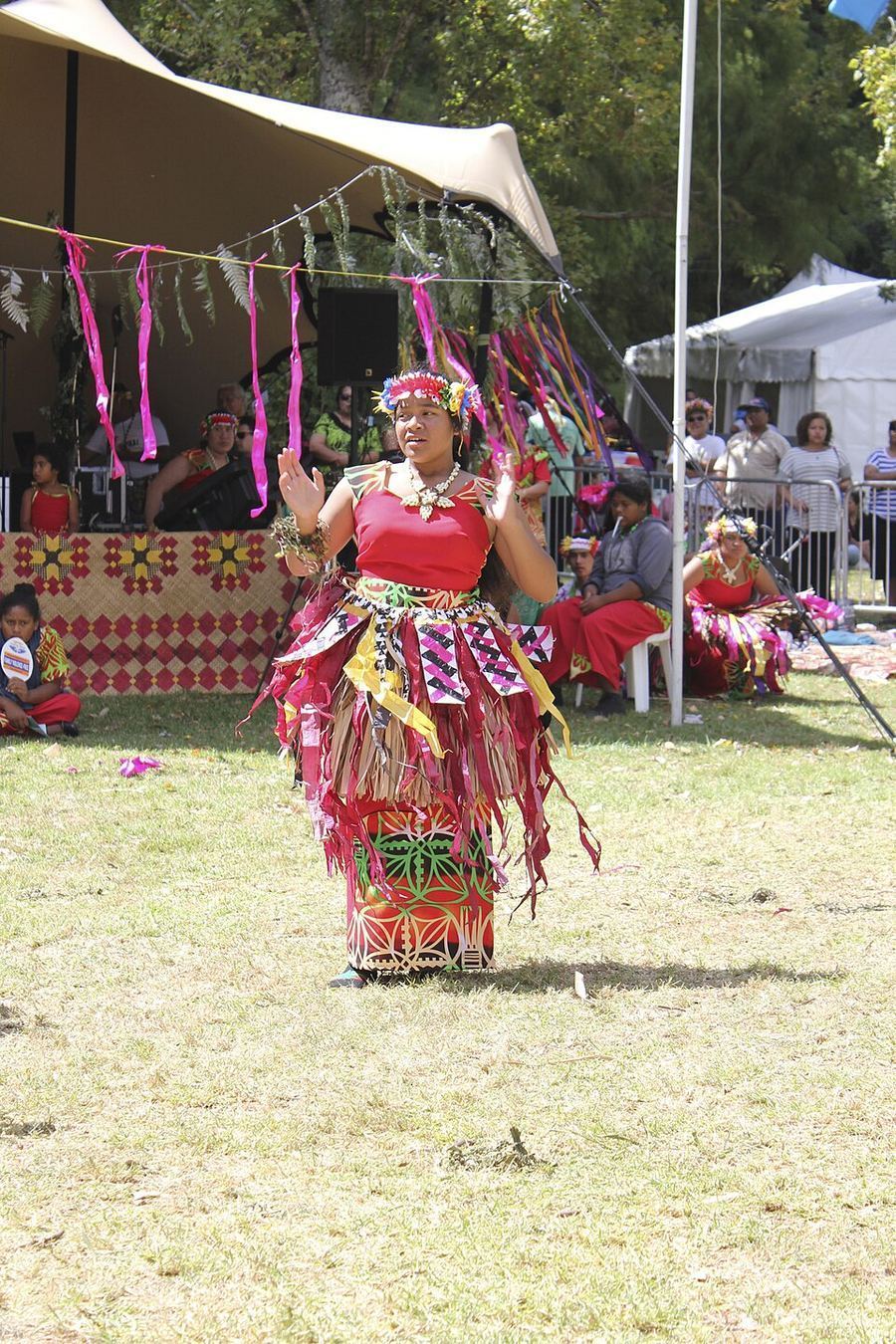
The central Tuvaluan performance form is the fatele, in which a seated group sings while striking a wooden box or mat for percussion, with the tempo and pitch rising through repeated verses until the dancers standing in front are moving at full speed. The song is composed for the occasion, often in honour of a person, an island or an event, and the composing itself is a competitive art between villages and island sides. The form is thought to have developed after missionary contact, absorbing hymn harmony into an older Polynesian frame, and it remains the standard way Tuvaluans mark weddings, official visits, national day and church anniversaries. Older forms are remembered and occasionally revived: the fakanau, a standing chant with hand gesture once associated with men's work and fishing, and the fakaseasea, a slower sung form performed for a person of standing. Church singing is itself a major musical activity, with the Congregational Christian Church of Tuvalu maintaining strong choral traditions. The national anthem, 'Tuvalu mo te Atua' — 'Tuvalu for the Almighty' — was written and composed by Afaese Manoa and adopted at independence in 1978.

Cuisine & Misattributed Foods

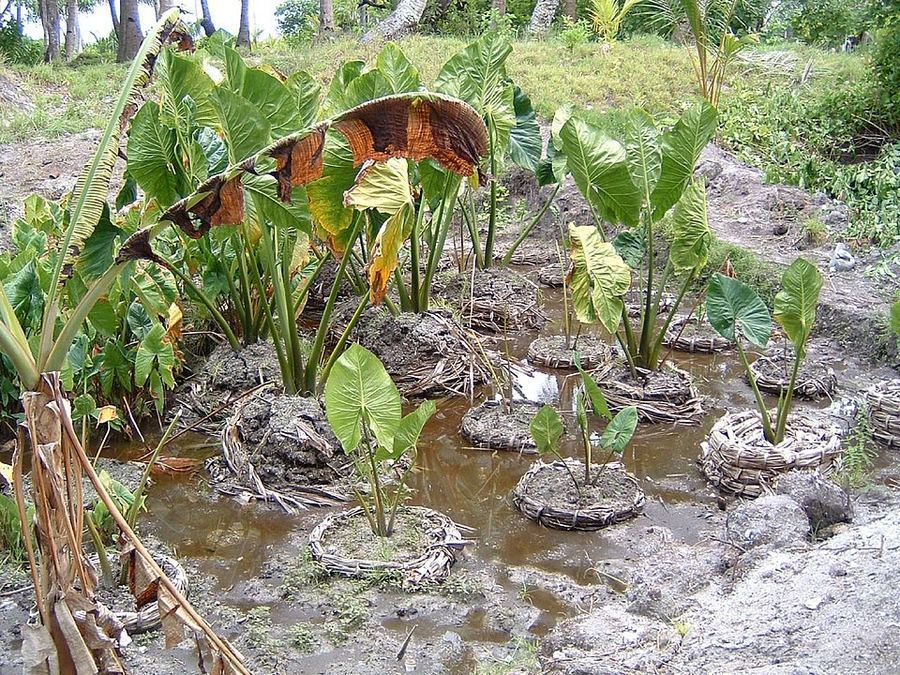
Tuvaluan food is built on what a coral atoll will support, which is very little soil and a great deal of sea. The starch staple is pulaka, a swamp taro grown in pits dug down through the coral to reach the freshwater lens and enriched with composted leaves over years — an agricultural system that is both the island's food security and its most vulnerable asset, since saltwater intrusion ruins a pit that took a generation to build. Coconut supplies flesh, cream, oil and toddy, the sap cut from the flower spathe and drunk fresh or fermented, and breadfruit, pandanus and bananas fill out the plant diet. Fish is eaten constantly — reef fish, tuna, flying fish and shellfish — grilled, raw with coconut cream and lime, or dried. Pork and chicken are reserved largely for feasts, where whole pigs are cooked in an earth oven. The best-known sweet dish is fekei, made from grated pulaka or other starch mixed with coconut cream and cooked to a firm pudding. Imported rice, flour, tinned meat and instant noodles now supply a large share of daily calories, a shift that health authorities link to rising rates of diabetes and obesity across the country.

National Dress

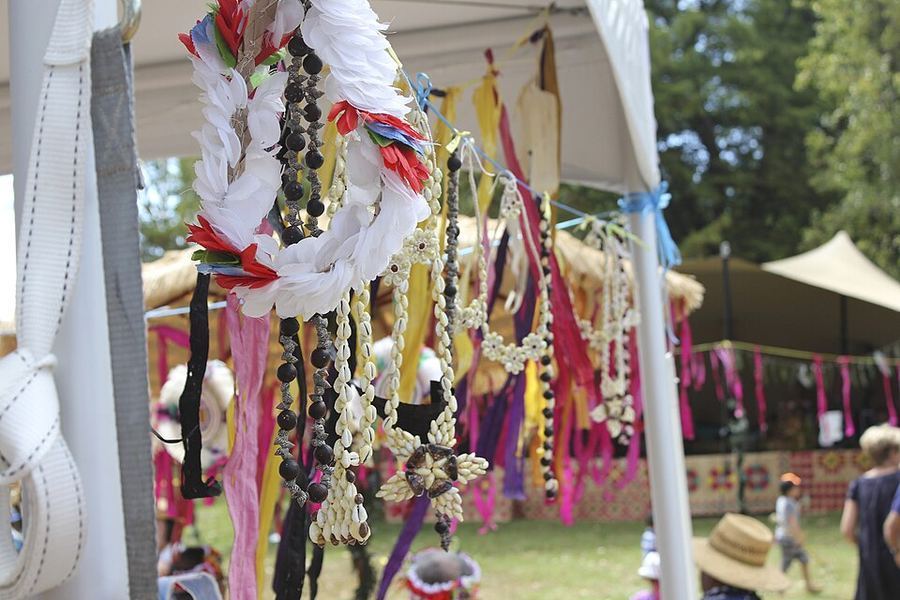
For dance and formal occasions Tuvaluans wear a fibre skirt, the titi, made from pandanus or the inner bark of hibiscus, stripped, dried and often bleached pale or dyed, worn over a plain garment and layered thickly for performers. Women commonly pair it with a decorated top and with headbands, arm ornaments and necklaces of shell, seed and fresh flowers, and men wear it over a wrapped cloth. Everyday dress is otherwise modest and light: a wrapped cloth for men in the style used across Polynesia, and for women dresses and skirts of the missionary-influenced cut that became standard across the Pacific in the nineteenth century. Church dress is formal and largely white, with women wearing broad woven hats. A distinctive Tuvaluan craft is kolose, crochet work brought by missionaries and developed locally into an elaborate lace used for garments, collars, fans and household decoration, and now a recognised marker of Tuvaluan identity in the country and in the diaspora. Woven pandanus fans and fine mats accompany formal dress and are given as gifts at the ceremonies where that dress is worn.

Sports & Inspiring Athletes

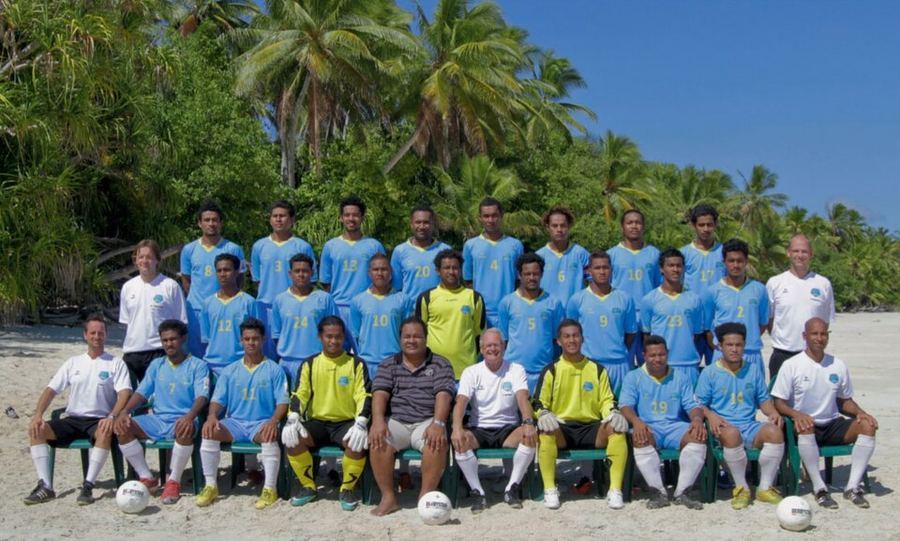
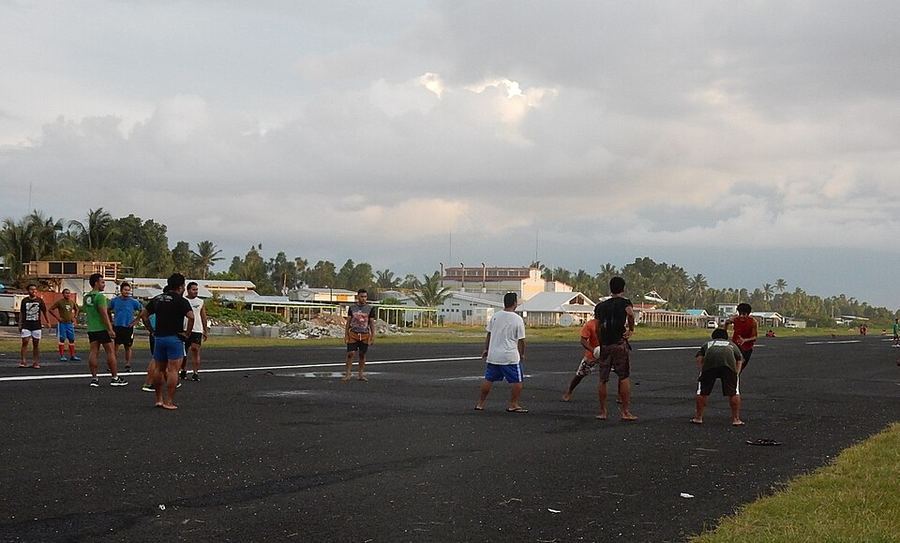
Sport in Tuvalu is played at community rather than professional level, and Funafuti's airstrip doubles as the national playing field, filling with footballers, volleyball players and children the moment the day's flight has cleared. Football is the most popular organised sport; the Tuvalu National Football Association runs a domestic competition contested by island and workplace sides and fields a national team, and the association is a member of the Oceania confederation's wider family without holding full FIFA membership, which keeps Tuvalu out of World Cup qualifying. Volleyball, basketball and futsal are widely played, and kilikiti, the Polynesian form of cricket, and te ano, the traditional two-ball game, remain part of island gatherings and national day celebrations. Weightlifting, athletics and table tennis provide most of Tuvalu's competitors at regional and international meetings. The Tuvalu Association of Sports and National Olympic Committee, recognised in 2007, organises national selection. Facilities are minimal — the Tuvalu Sports Ground on Funafuti is the principal venue — and athletes routinely train abroad in Fiji or New Zealand to reach competitive standard, with sport development supported through regional programmes.

Notable Educational Programs

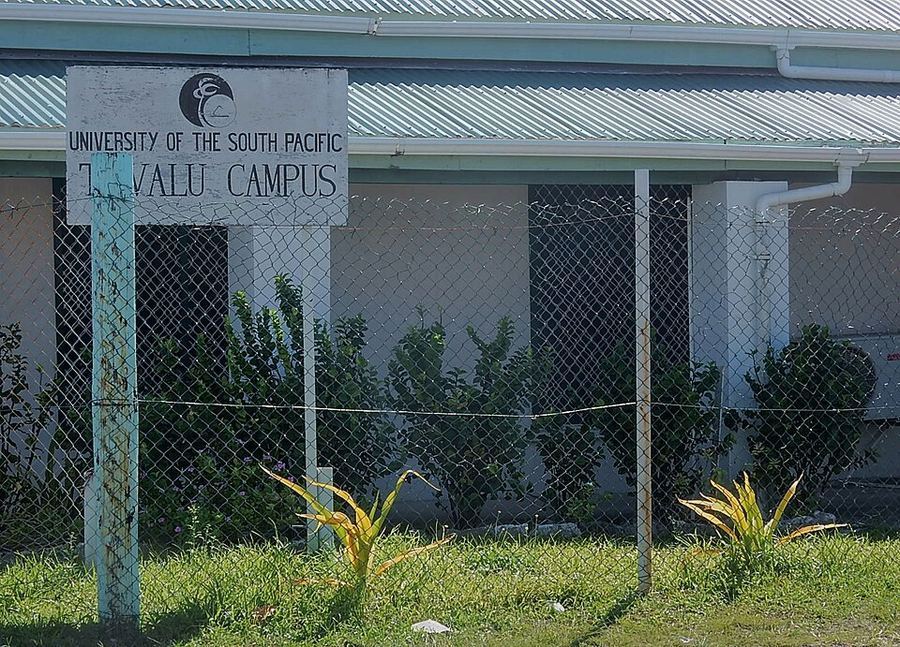
Education is free and compulsory at primary level, and Tuvalu records high adult literacy. Primary schools operate on each inhabited island, teaching in Tuvaluan in the early years with English introduced as students progress. Secondary education is concentrated at Motufoua Secondary School on Vaitupu, a boarding school with a mission history that draws students from every island and functions as a shared national institution; Fetuvalu Secondary School, run by the Church of Tuvalu on Funafuti, provides a second stream. Because so many Tuvaluan men work as crew on foreign merchant ships, the Tuvalu Maritime Training Institute on Amatuku islet off Funafuti is unusually important, preparing seafarers to international certification standards and feeding directly into the remittance economy that supports many households. The University of the South Pacific operates a campus in Funafuti offering foundation, distance and continuing education, linking students to the regional university system based in Fiji. Tertiary study otherwise means scholarships abroad, mainly to Fiji, New Zealand and Australia, and the return rate of graduates is a standing policy concern. Small cohorts, teacher recruitment and the cost of moving students and materials between atolls are the persistent constraints on the system.

Wars & Conflicts

Tuvalu has no armed forces, has never fought a war as an independent state, and has no internal armed conflict; policing is carried out by a small unarmed police service that also handles maritime surveillance. The one period of sustained military activity on the islands was the Second World War, when United States forces occupied Funafuti, Nanumea and Nukufetau from 1942 and built airfields for the Central Pacific campaign, and Japanese aircraft bombed Funafuti — an episode still marked by wartime wreckage and by the borrow pits dug for airstrip fill, which remain a problem for land and water on Funafuti today. The defining security issue for Tuvalu today is not military but existential: sea-level rise, storm surge and saltwater contamination of the freshwater lens and the pulaka pits. The Falepili Union treaty signed with Australia in November 2023 addresses this directly, providing for a special migration pathway for Tuvaluans, Australian assistance in the event of disaster or coercion, and a commitment by Australia to recognise Tuvalu's continuing statehood, in exchange for consultation rights over Tuvalu's security arrangements with third countries — an arrangement debated domestically over the sovereignty implications of that clause.
Current as of 2026-08-07

Land & Border Disputes

Tuvalu has no active territorial dispute with a neighbouring state, and its maritime boundaries with Fiji, Kiribati and France in respect of Wallis and Futuna have been addressed through negotiated agreements. The country's principal legal preoccupation is instead a novel one: whether a state's maritime zones survive the physical loss or alteration of the baselines from which they are measured. Tuvalu has declared that its baselines and the exclusive economic zone drawn from them are fixed and will not be redrawn as sea level rises, and in 2023 it amended its constitution to assert that Tuvalu's statehood and sovereignty continue in perpetuity regardless of the effects of climate change on its territory. Together with other Pacific states it has pressed this position through the Pacific Islands Forum and at the United Nations, and Pacific governments have taken questions of climate obligations to the International Court of Justice for an advisory opinion. Tuvalu is also one of a small number of states maintaining diplomatic relations with Taiwan rather than the People's Republic of China, a choice that periodically becomes a subject of external pressure and domestic political debate.
Land, Life & Legacy

Land & Climate

Tuvalu consists of six true atolls and three reef islands lying on a north-south axis over about 560 kilometres of ocean: Nanumea, Nanumaga and Niutao in the north, Nui, Vaitupu and Nukufetau in the centre, and Funafuti, Nukulaelae and Niulakita in the south. Total land is roughly 26 square kilometres, but the exclusive economic zone is close to three-quarters of a million square kilometres, and that ratio defines the economy: the tuna in that water, licensed to foreign fleets, is the country's largest natural asset. The islands are coral, without rivers or hills; fresh water comes from rainwater catchment and a thin underground lens easily contaminated by seawater. Funafuti's lagoon is large enough to have served as a wartime anchorage. The climate is tropical, hot and humid year-round, with a wetter period from November to April that is also the cyclone season; Cyclone Pam in 2015 caused damage and displacement well beyond the storm's direct track. Sea-level rise, king tides that push water up through the porous coral floor, coastal erosion and reef degradation are the defining physical facts of the country, and adaptation works including land reclamation on Funafuti are now central to national planning.

Entertainment

The signature Tuvaluan game is te ano, played with two hard balls made from dried pandanus leaf, in which two teams stand in lines and keep the balls in the air by striking them with the hands, with a designated player leading the play; it is fast, communal and played at island gatherings rather than in a league. Kilikiti, the Polynesian version of cricket played with a three-sided bat and large teams, is popular, as is volleyball, and football is played on any flat ground — on Funafuti, most conspicuously, on the airstrip itself, which serves as the island's largest open space between the few weekly flights. Fishing is both work and recreation, and canoe and boat outings to the lagoon islets are a standard weekend activity. Church activities, choir practice and fundraising events occupy a large share of social life, and the maneapa hosts feasts, bingo, dances and community meetings. Television and internet access have grown with improved connectivity, and Tuvaluans follow rugby and Australian and New Zealand sport closely. Visiting between islands for weddings, funerals and church anniversaries is itself a major form of social activity, given the infrequency and expense of inter-island shipping.

Art & Museums

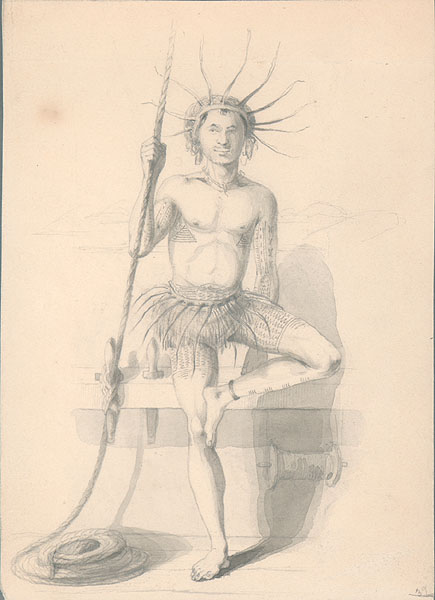
Tuvaluan visual art is functional and made from what the atoll provides. Weaving with pandanus is the dominant craft: fine sleeping and sitting mats, floor mats, baskets, fans and hats, with patterning achieved by dyeing strips and by the weave itself, and the finest mats treated as valuables suitable for presentation at weddings and funerals. Shell, coconut shell and seed are worked into necklaces, belts and headpieces, and coconut fibre is twisted into sennit cord used in construction and lashing. Woodwork centres on canoes, bowls and fishing gear, and the paopao, the small outrigger canoe carved from a single log, is the most technically demanding traditional object made in the islands. Kolose, the crocheted lace developed from missionary-taught technique, occupies an unusual place as an introduced craft that became a national art form, worked in dense geometric and floral patterns for garments and furnishings. Tattooing, once practised, did not survive the mission period in the way it did in Samoa and Tonga. There is no large formal art market or national gallery; the work circulates through gift exchange, church fundraising, handicraft cooperatives and the diaspora rather than through commercial galleries.
British MuseumUNESCOEncyclopaedia BritannicaSmithsonian

Notable People

Toaripi Lauti, from Papua New Guinean and Tuvaluan parentage and long a leader of the separation movement, became Tuvalu's first prime minister at independence in 1978 and later served as governor-general. Afaese Manoa wrote the words and music of the national anthem, 'Tuvalu mo te Atua'. Among modern political figures, Enele Sopoaga, prime minister from 2013 to 2019, made Tuvalu a leading voice at the Paris climate negotiations, and Kausea Natano led the government that concluded the Falepili Union treaty with Australia. Simon Kofe, as foreign minister, became internationally recognised in 2021 when he delivered Tuvalu's address to the Glasgow climate conference standing in the sea in a suit and tie, an image carried worldwide, and went on to launch the government's proposal to preserve Tuvalu's statehood and heritage digitally. Feleti Teo, a lawyer with a long career in regional fisheries governance, became prime minister in 2024. In sport, the sprinter Etimoni Timuani represented Tuvalu as its sole competitor at the 2016 Olympic Games in Rio de Janeiro. Elekana, the Cook Islands deacon shipwrecked at Nukulaelae in 1861, is remembered nationally as the figure through whom Christianity reached the islands.

Inventions & Breakthroughs

Tuvalu's technical tradition is atoll engineering, developed to make a coral platform with no soil and no surface water habitable. The pulaka pit is the central achievement: a large excavation cut down through coral rubble until it reaches the freshwater lens, then built up over years with layers of composted leaf litter to create artificial soil in which swamp taro can be grown. Whole communities maintained these pits across generations, and the practice represents a sustained soil-building technology rather than a single invention. Rainwater catchment, storage and rationing systems, and the management of the shallow groundwater lens, are equally deliberate. At sea, the paopao outrigger canoe and the fish traps, lures and hooks worked from shell and bone are adapted to reef and open-ocean fishing, and coconut sennit lashing allowed hulls and houses to be built without metal. Coconut toddy cutting — twice-daily trimming of the flower spathe to keep sap running — supplies drink, sugar and yeast. In the modern period Tuvalu's most consequential piece of improvisation has been institutional rather than material: the Tuvalu Trust Fund of 1987, a sovereign endowment designed to give a micro-state a predictable budget, has been studied and copied elsewhere in the region.

Science & Technology

Tuvalu is one of the most closely monitored places in climate science. A precision tide gauge installed at Funafuti under an Australian-funded Pacific sea-level and climate monitoring programme has produced a long instrumental record, and satellite altimetry, groundwater sampling and reef surveys make the atolls a reference case for the behaviour of low islands under rising seas. Research published in the scientific literature has complicated the simplest version of the story: studies of Funafuti's islets using historical aerial photography and satellite imagery found that the total land area of many islets had remained stable or grown over recent decades as storm-driven sediment was redistributed, even as the sea rose — a finding about the physical dynamics of reef islands that does not remove the threats of saltwater intrusion, freshwater loss and habitability. Practical technology has focused on adaptation and self-sufficiency: solar generation to displace imported diesel, rainwater catchment and desalination, and large-scale land reclamation on Funafuti to raise ground above surge level. The country's other technological distinction is administrative — the '.tv' country-code domain, whose commercial licensing turned an internet naming convention into a significant national revenue stream, and the government's 'digital nation' project to preserve records, culture and the machinery of statehood online.
NatureIPCCUNReutersBBC
On The World Stage

Champions & Defining Moments

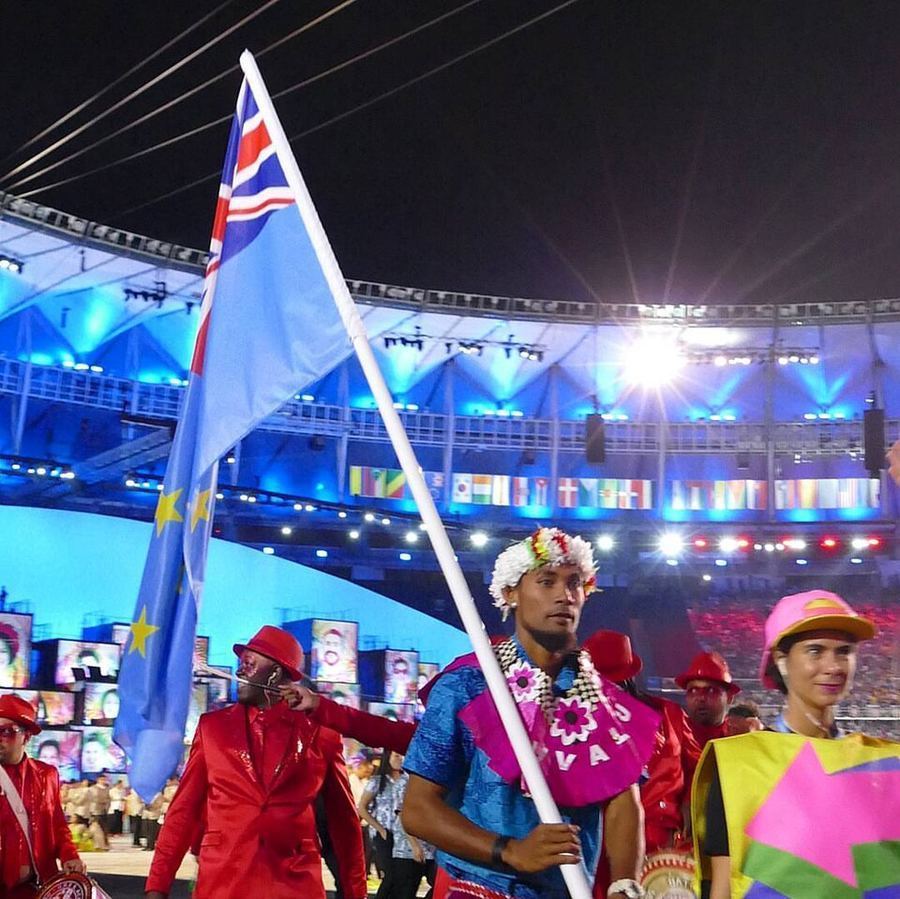
Tuvalu made its Olympic debut at the 2008 Games in Beijing, a year after its national Olympic committee was recognised, and has sent very small teams — usually a sprinter and a weightlifter — to every Summer Games since. At Rio de Janeiro in 2016 the sprinter Etimoni Timuani was the country's only competitor, carrying the flag alone at the opening ceremony, an image that drew wide coverage. Tuvalu has not yet won an Olympic medal. It has competed at the Commonwealth Games since 1998, entering athletes principally in weightlifting and athletics, and takes part in the Pacific Games and Pacific Mini Games, where its results are strongest in weightlifting and where the country has been able to contest medals against comparable island states. Because Tuvalu is not a full FIFA member its footballers cannot enter World Cup qualifying, and the national side's international programme is limited to Pacific regional tournaments — a restriction the football association has campaigned to change for years. Tuvaluan-descended players and athletes based in New Zealand and Australia compete under those flags, a pattern common across the small island states of the Pacific.

IOCOlympediaCommonwealth Games FederationFIFABBC
Economy, Trade & Government

Currency & GDP

Australian Dollar — AUD ($)

GDP (PPP): $57.055 million (2023 est.)

Per capita: $5,800 (2023 est.)

Exports

$2.232 million (2022 est.)

fish (2023)

Partners: Thailand 88%, Japan 6%, Philippines 3%, Ireland 1%, USA 1% (2023)

Imports

$57.388 million (2022 est.)

ships, refined petroleum, iron structures, fish, hand tools (2023)

Partners: China 42%, Fiji 24%, Japan 11%, Australia 11%, NZ 4% (2023)

Government

Type: parliamentary democracy under a constitutional monarchy; a Commonwealth realm

Independence: 1 October 1978 (from the UK)

Terrain → Where People Live

How mountains, coasts, and rivers shape settlement (LandScan).

Coming — data

Migration & Ethnic Settlement

Where groups settled and how people move (GeoEPR + UNHCR).

Coming — data

Universities

Notable institutions, mappable as points.

Coming — data
Economy & government facts: CIA World Factbook (public domain), via OpenFactBook / factbook.json.
Every fact and narrative claim will carry a visible source citation. Data-driven sections light up automatically wherever HERA has coverage.