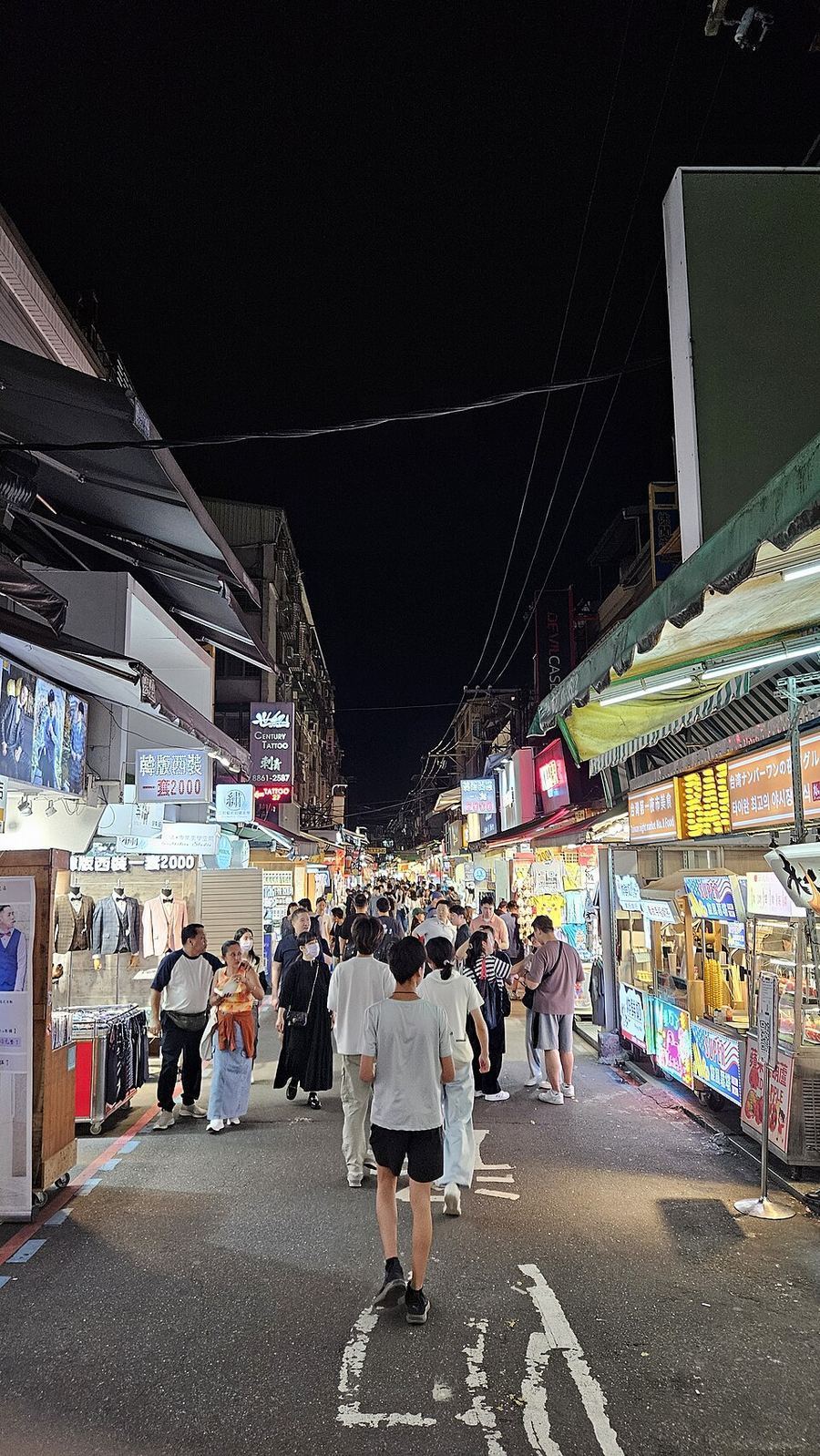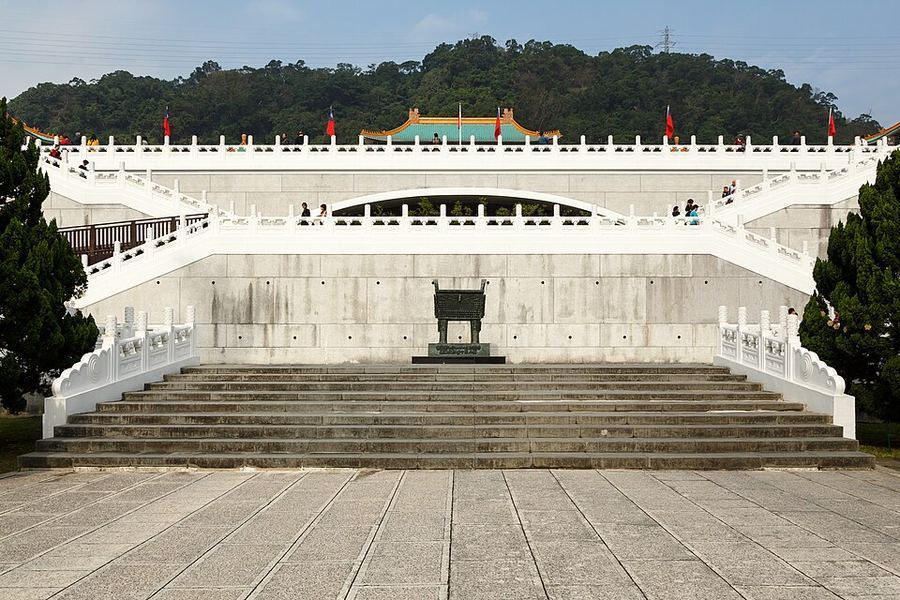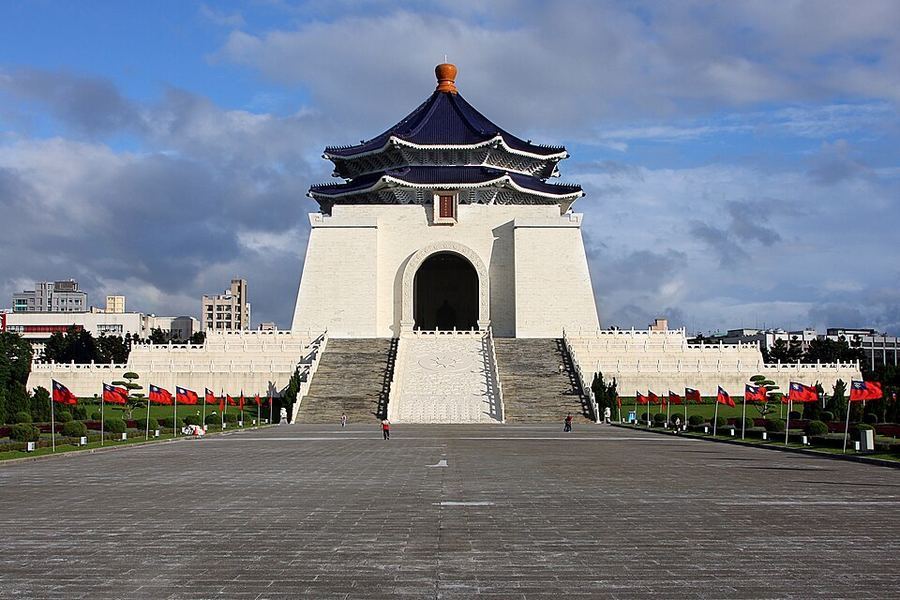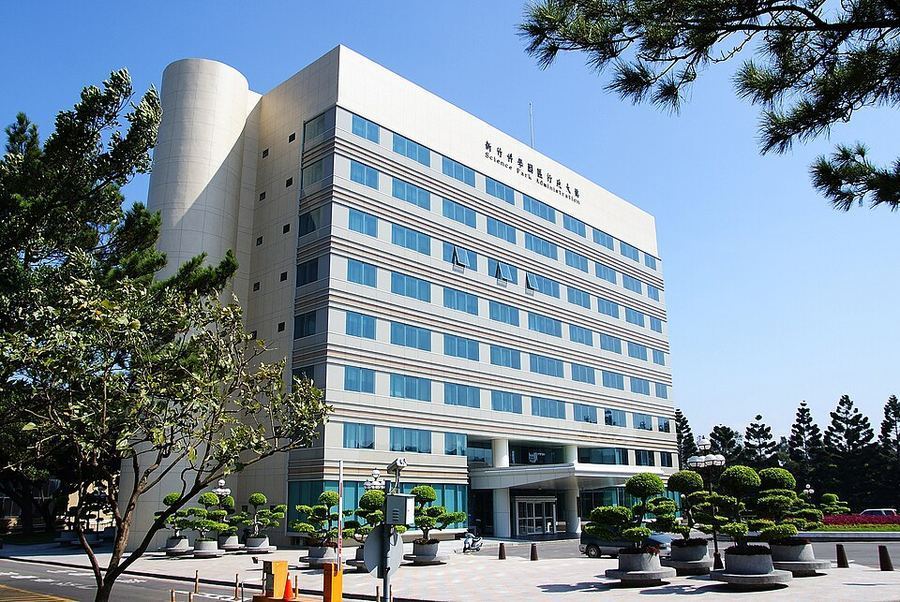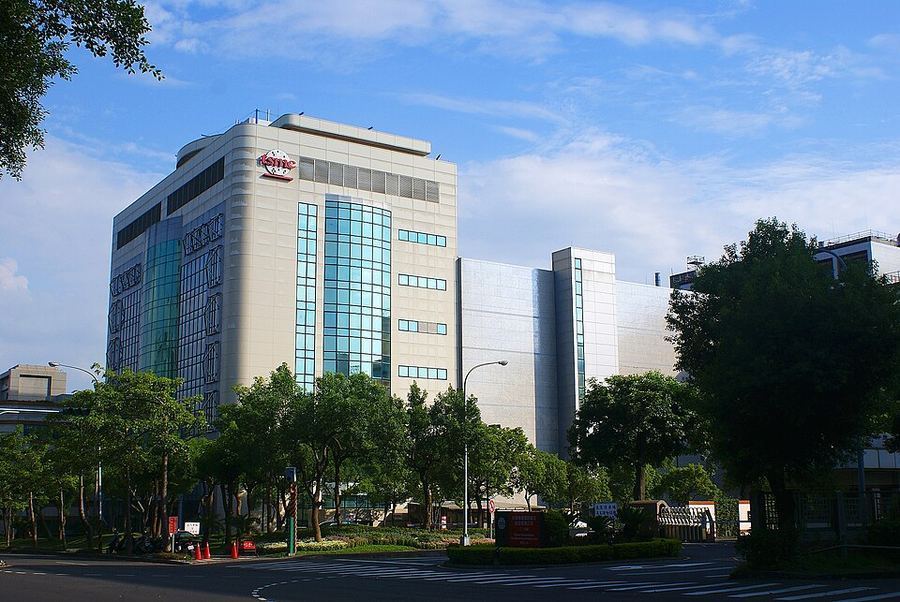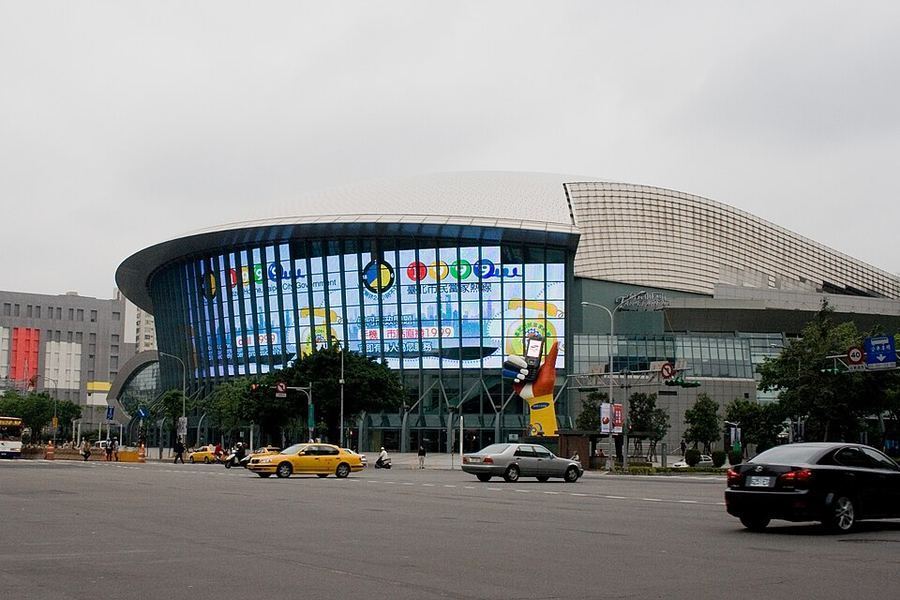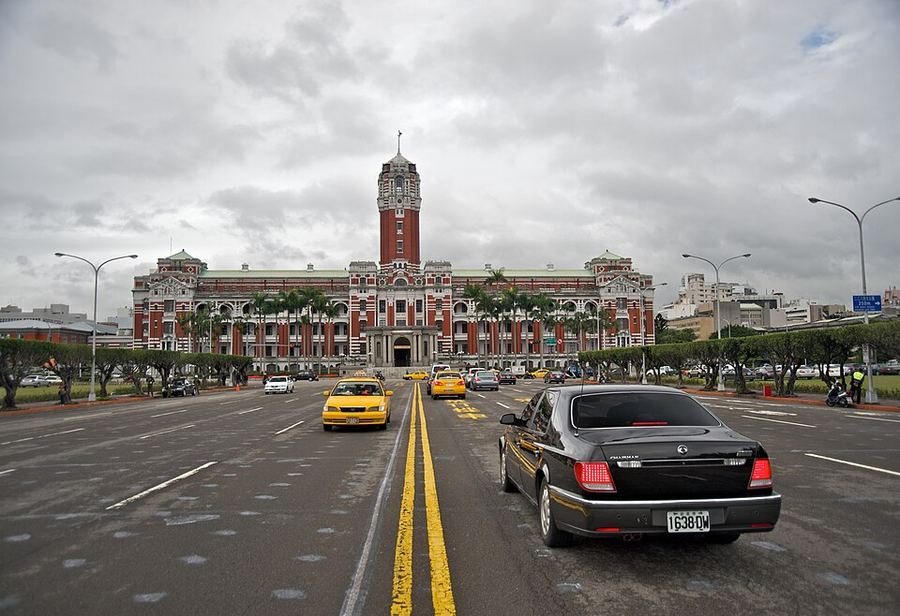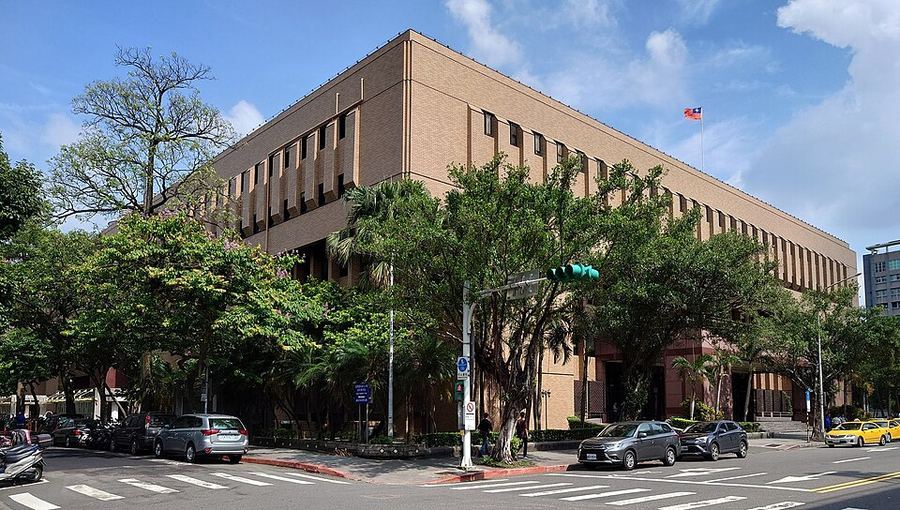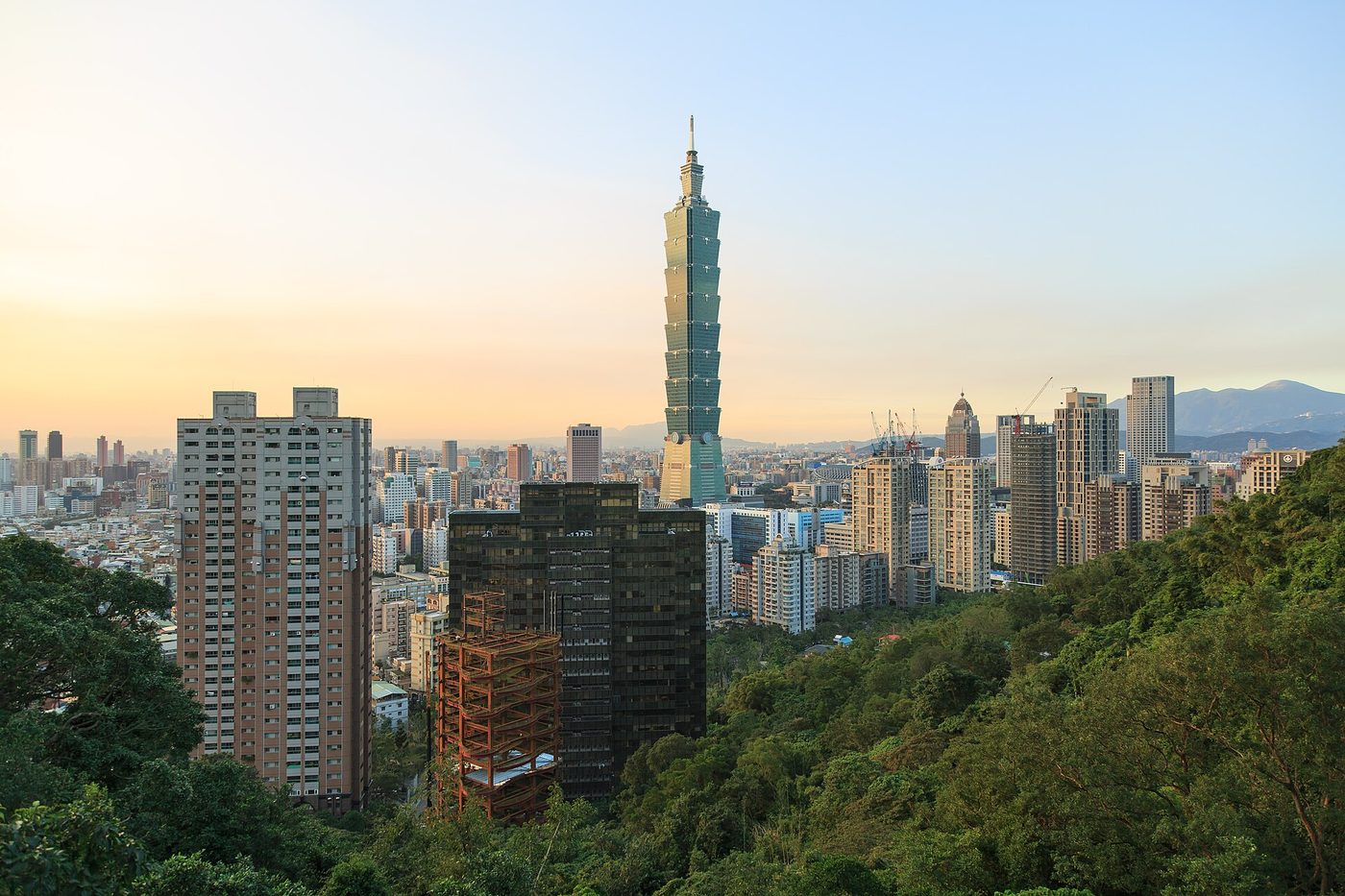
Taiwan is a mountainous island of about 23.6 million people lying off the southeastern coast of the Asian mainland, separated from it by the Taiwan Strait and governed since 1945 by the Republic of China, whose central government relocated to Taipei in 1949 after losing the Chinese civil war. It is one of the most densely populated and most highly industrialised places in the world, with a semi-presidential system, competitive multiparty elections and a per capita output on a purchasing-power basis of roughly 32,300 dollars. Its political status is contested: the People's Republic of China claims the island, most states maintain unofficial rather than diplomatic relations with Taipei, and Taiwan participates in international bodies under a variety of negotiated names. More than ninety-five per cent of the population is Han Chinese, dominated by descendants of Hokkien and Hakka settlers from Fujian and Guangdong along with families who arrived from across the mainland in the late 1940s; some two per cent are Austronesian indigenous peoples whose ancestors were on the island for thousands of years before Chinese settlement. Mandarin is the official language, alongside widely spoken Taiwanese Hokkien, Hakka and around sixteen recognised indigenous languages. The economy is built on advanced manufacturing, above all semiconductors: integrated circuits are by a wide margin the leading export, and Taiwan produces the majority of the world's contract-manufactured advanced chips.
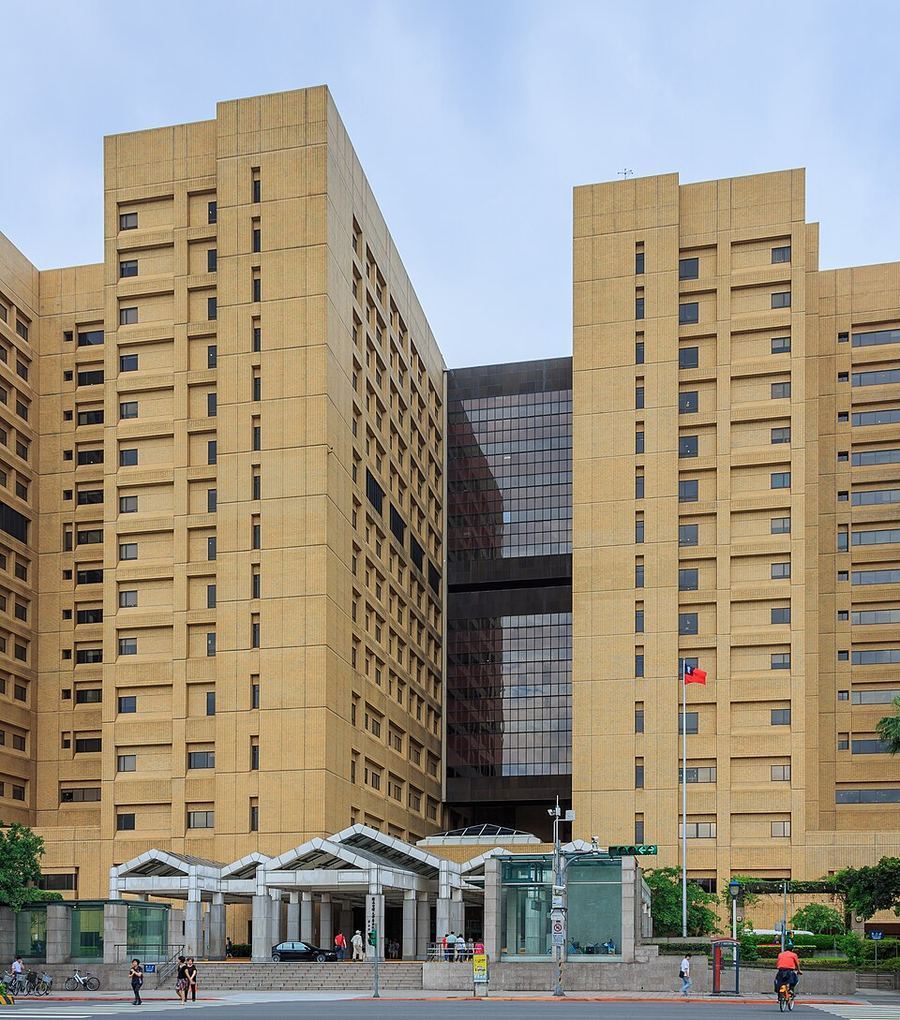
Taipei's urban core is home to about 9,686,521 people.
That's bigger than Paris, Madrid, Toronto and Chicago — each a great world city in its own right.
Among the world's megacities, though, it's one of many — the giants of Asia and Latin America run larger still:
More people live in Taipei than in the entire nation of Austria, Switzerland, Denmark or Singapore.
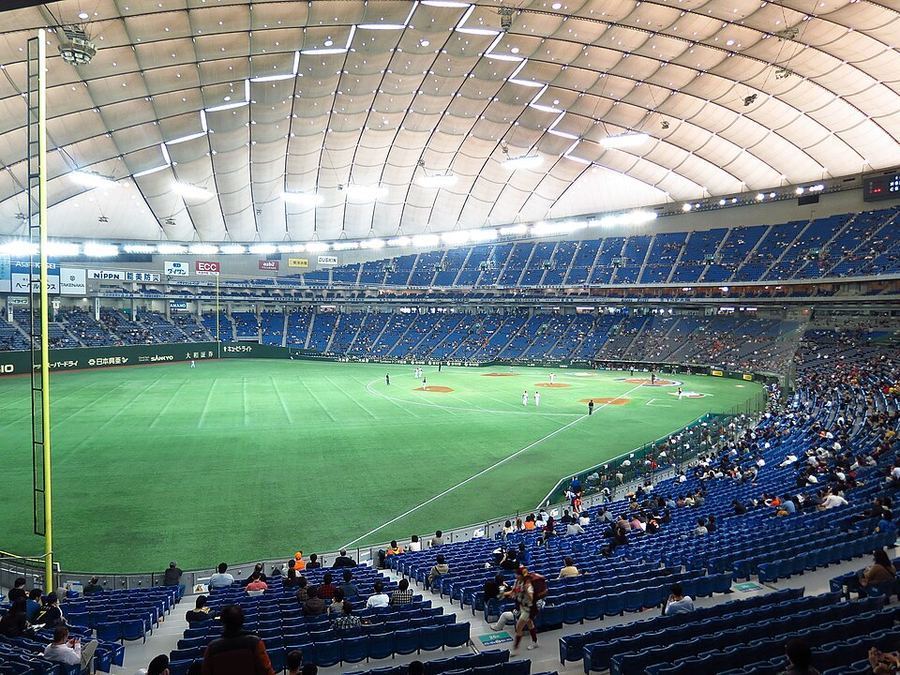
Taiwan competes internationally as Chinese Taipei, a designation agreed with the International Olympic Committee in 1981 that also governs its flag and anthem at the Games — an arrangement periodically contested at home. Its Olympic breakthrough came at Athens in 2004, when Chen Shih-hsin and Chu Mu-yen won the country's first gold medals, both in taekwondo. The Tokyo Games held in 2021 produced the best result in Taiwanese history, with medals across weightlifting, badminton, archery, taekwondo, boxing, table tennis, golf and karate; the weightlifter Kuo Hsing-chun took gold, as did the men's badminton doubles pair Lee Yang and Wang Chi-lin, who successfully defended that title at Paris in 2024. In baseball, Taiwan's greatest international result came in November 2024 when it won the WBSC Premier12 title, defeating Japan in the final in Tokyo, a victory greeted at home with public celebration on a national scale. Taiwanese pitchers and position players have had substantial careers in Major League Baseball and in Japan's professional league, the most prominent being Wang Chien-ming. In badminton, Tai Tzu-ying reached world number one and won Olympic silver at Tokyo.
New Taiwan Dollar — TWD (None)
GDP (PPP): $1.743 trillion (2023 est.)
Per capita: $32,300 (2023 est.)
$432.432 billion (2023 est.)
integrated circuits, machine parts, broadcasting equipment, computers, plastics (2023)
Partners: China 20%, USA 17%, Hong Kong 13%, Singapore 9%, Japan 7% (2023)
$351.441 billion (2023 est.)
integrated circuits, crude petroleum, machinery, natural gas, coal (2023)
Partners: China 21%, Japan 13%, USA 11%, S. Korea 9%, Australia 5% (2023)
Type: semi-presidential republic
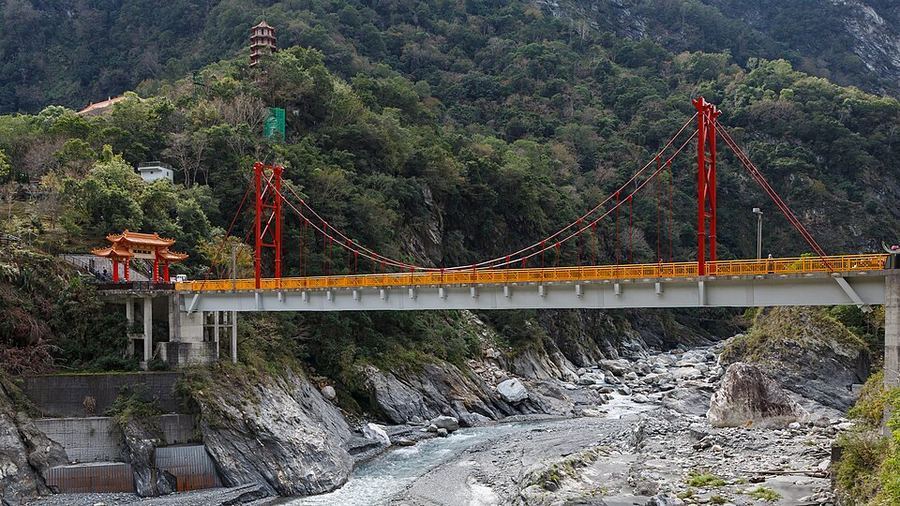
How mountains, coasts, and rivers shape settlement (LandScan).
Coming — dataWhere groups settled and how people move (GeoEPR + UNHCR).
Coming — dataNotable institutions, mappable as points.
Coming — data