HERA · Human Entity Reference Atlas by Masego Inc

← Uruguay 🌐 3D View
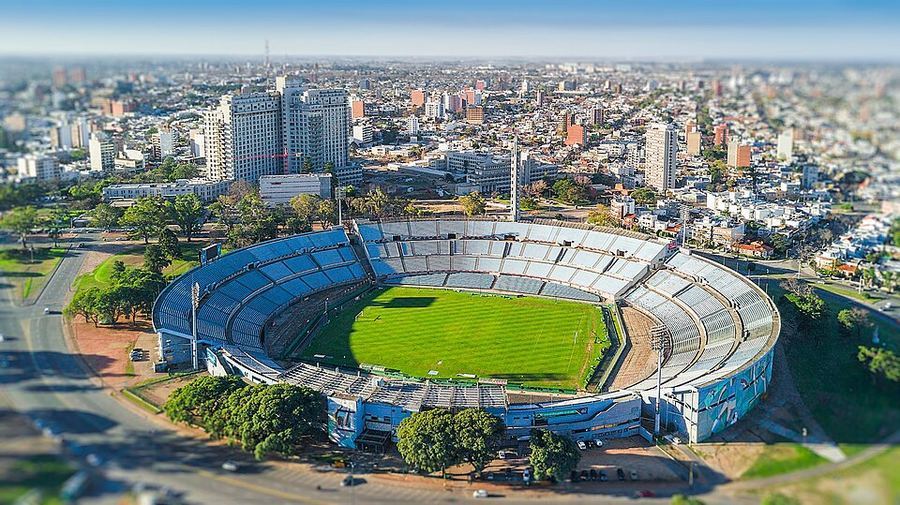
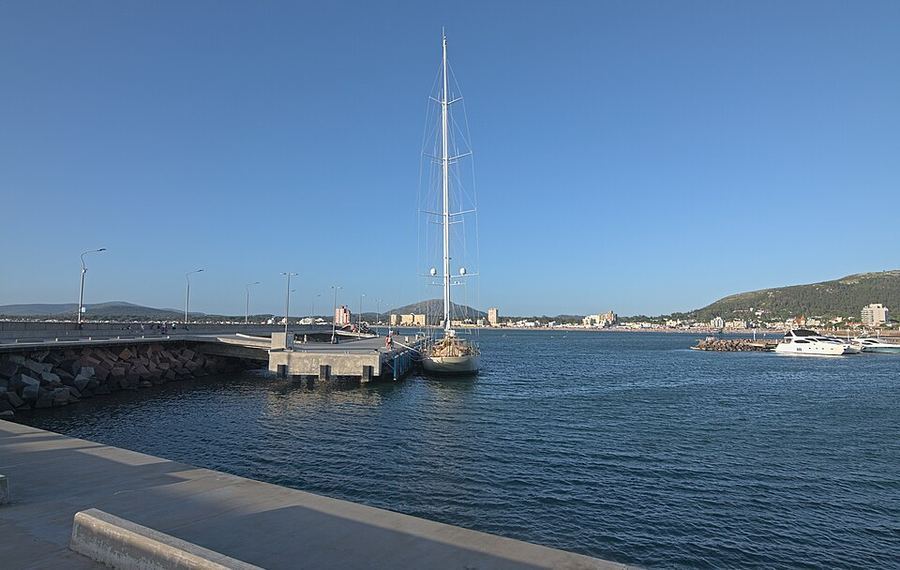
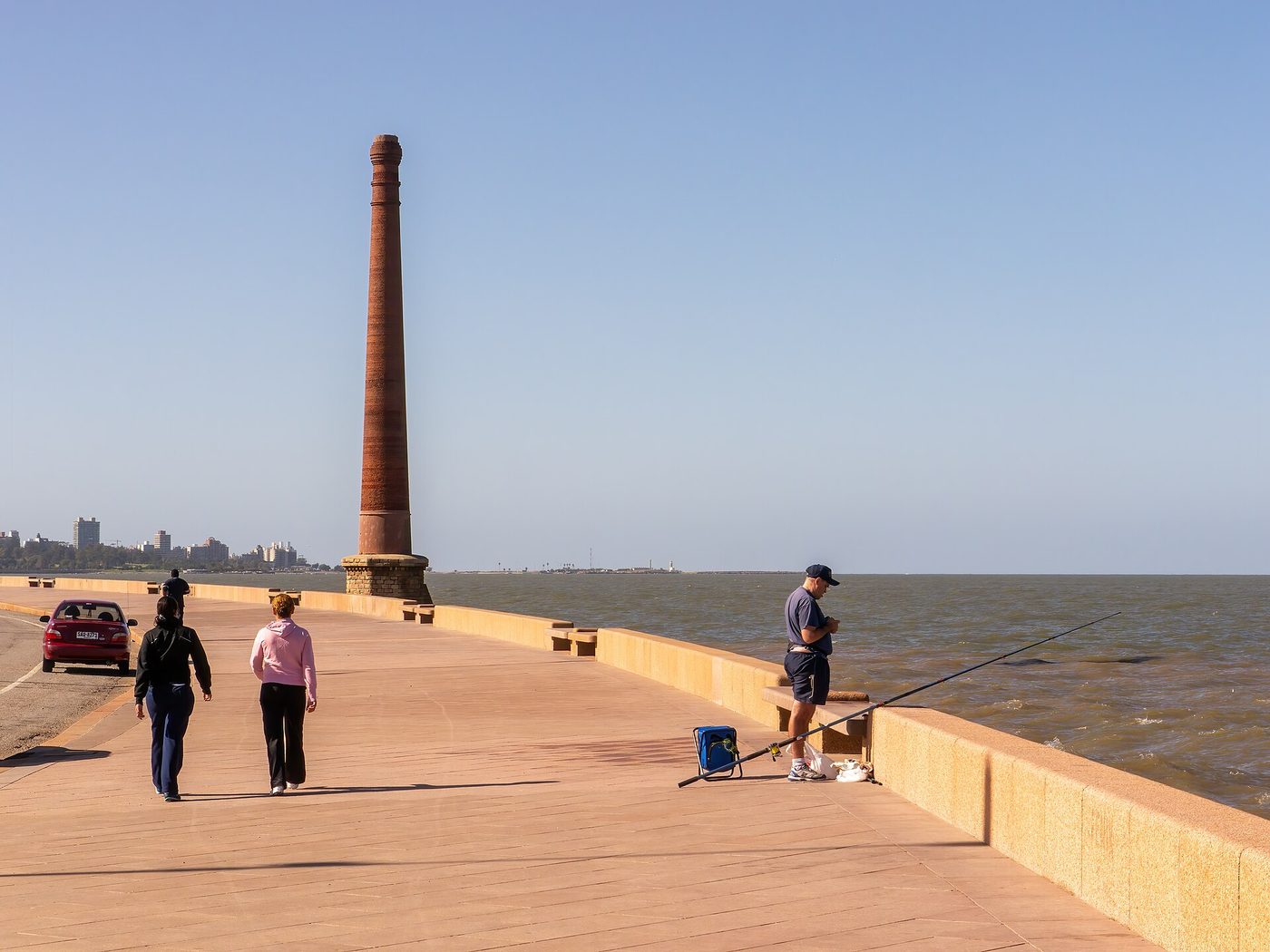
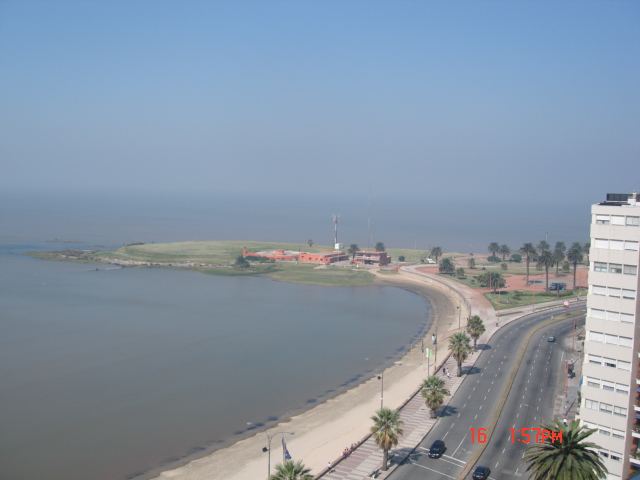
Montevideo Rambla-20110506-RM, Uruguay
Uruguay URY
Montevideo Rambla-20110506-RM — Photo: Ermell / CC BY-SA 4.0 via Wikimedia Commons
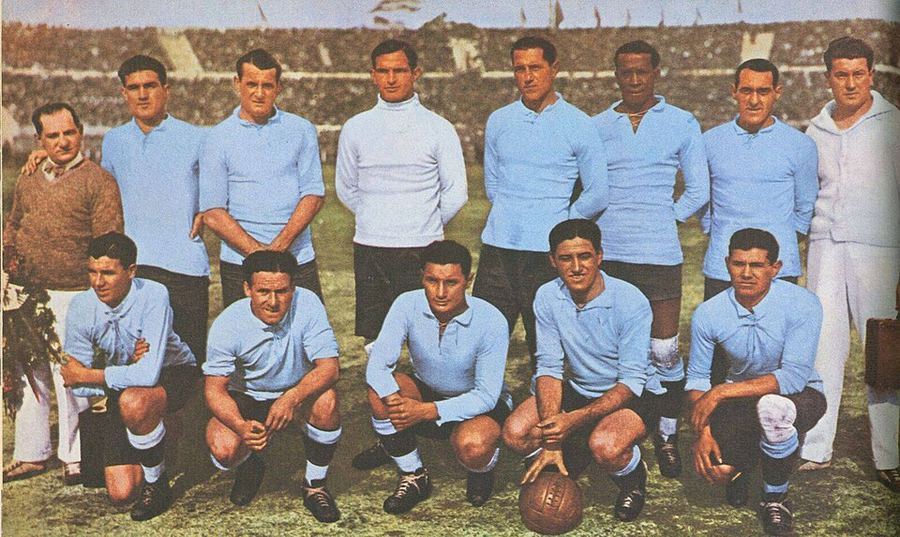
Did You Know The four stars above the crest on Uruguay's football shirt count two World Cups, in 1930 and 1950, and the Olympic titles of 1924 and 1928, which FIFA recognises as world championships. — FIFA

Uruguay is a small temperate republic of about 3.4 million people on the Atlantic coast of South America, wedged between Argentina across the Río de la Plata and Brazil to the north. It is the second-smallest country on the continent by area and one of the most urbanised anywhere: close to half the population lives in Montevideo and its surroundings, and much of the rest of the country is rolling grassland given over to cattle, sheep, soy, rice and commercial forestry. Independence is dated to the declaration of 25 August 1825, though the settlement that made Uruguay a separate state came with the British-brokered treaty of 1828 that ended the war between Argentina and Brazil over the territory. Spanish is the sole official language, spoken in its Rioplatense form with a marked Italian intonation inherited from mass immigration. Uruguay is unusually secular by regional standards — a plurality of the population reports no religion, and the state removed religious names from public holidays in the early twentieth century. Output per head on a purchasing-power basis is around 32,000 dollars, the highest in South America, and the country consistently ranks first in the region on measures of democratic quality, press freedom and low corruption. Beef, wood pulp, dairy and rice dominate exports, and services, tourism and software add substantially.

CIA World FactbookWorld BankEncyclopaedia BritannicaIMF
Population
3,449,444
Capital
Montevideo
Currency
None UYU
Time zones
Largest city
Montevideo
Human Geography Themes
Loading national figures…
Largest Cities
Montevideo1,292,415
Maldonado124,858
Las Piedras117,730
Ciudad de la Costa99,151
Salto96,048
Paysandú82,193
Rivera73,342
Tacuarembó51,238
In Perspective

Montevideo's urban core is home to about 1,292,415 people.

That's bigger than Amsterdam — each a great world city in its own right.

Montevideo1,292,415
Amsterdam1,223,407

Among the world's megacities, though, it's one of many — the giants of Asia and Latin America run larger still:

Montevideo1,292,415
Jakarta40,545,126
Dhaka37,307,160
Tokyo33,244,670
Shanghai30,678,616
Cairo25,230,325
The Country & Its People

History

The grasslands east of the Uruguay river were home to the Charrúa and other hunting peoples, and offered the Spanish no precious metals, so settlement came late and largely as a response to Portuguese pressure: Portugal founded Colonia del Sacramento on the estuary in 1680, and Spain answered by fortifying Montevideo from 1724. The territory, the Banda Oriental, was contested by both crowns for a century. José Gervasio Artigas, revered as the father of the nation, led its people against Spanish and then Buenos Aires authority from 1811, championing a federal league of provinces, before Portuguese-Brazilian forces occupied the territory and annexed it as the Cisplatine Province. On 25 August 1825 the Thirty-Three Orientals, an expedition led by Juan Antonio Lavalleja, declared independence, triggering a war between Brazil and the United Provinces that Britain mediated; the 1828 treaty created Uruguay as a buffer state. The nineteenth century was consumed by rivalry between the Colorado and Blanco parties, the long siege of Montevideo during the Guerra Grande, and participation in the War of the Triple Alliance. Stability arrived with José Batlle y Ordóñez, president in 1903-07 and 1911-15, who built one of the world's earliest welfare states, separated church and state and legislated the eight-hour day. Democracy broke down in 1973 under a military dictatorship marked by mass detention, torture and disappearances, and was restored in 1985.
Culture

Uruguayan culture is quietly self-confident, egalitarian in tone and strikingly secular. The habit that defines it visually is mate: a gourd of yerba drunk through a metal straw, refilled from a thermos carried under the arm, shared around a circle and consumed at a per-capita rate higher than anywhere else in the world. Weekend life turns on the asado, meat grilled slowly over wood embers on a parrilla, and on the beach or the rambla — the twenty-odd kilometres of waterfront promenade that Montevideo treats as a public living room. Batlle-era secularisation stripped religion from the calendar: Christmas week is officially Family Week and Holy Week is Tourism Week, a rebranding Uruguayans mention with some pride. The countryside supplies the other pole of national identity, the gaucho, whose horsemanship, dress and code of independence are celebrated at the annual Criolla week and in the rural festivals of the interior. Political culture is consensual and institutional, with strong unions, high electoral participation under compulsory voting, and a habit of settling contested questions by referendum. Social reform has been early and durable, from the welfare legislation of the 1910s to the legalisation of abortion, same-sex marriage and cannabis in the 2010s.

Points Of Pride

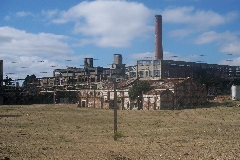
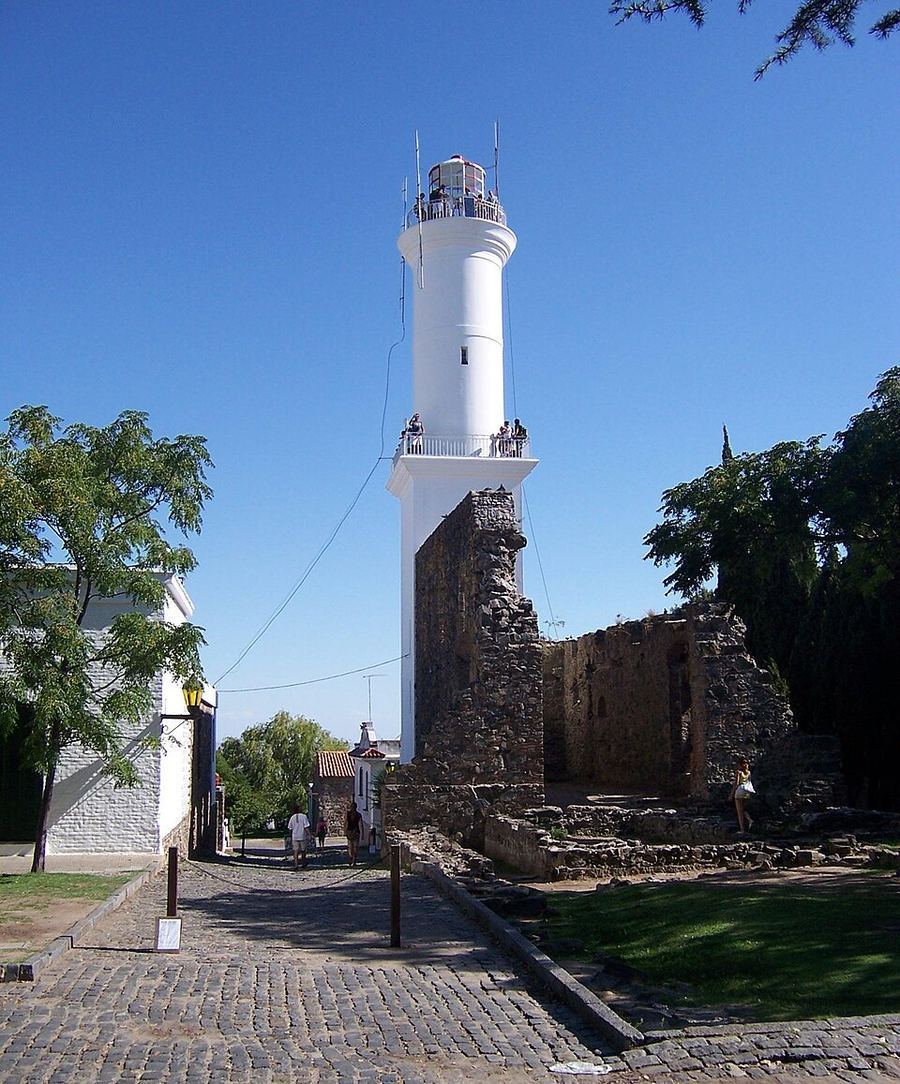
Uruguayans point to a record of doing things first. The education reform led by José Pedro Varela in 1877 made primary schooling free, compulsory and secular decades before most of the world; Batlle's governments built pensions, the eight-hour day and divorce law into the state in the 1900s and 1910s. In 2013 Uruguay became the first country to regulate cannabis production and sale nationally, in the same year it legalised same-sex marriage, and it had legalised abortion the year before. Plan Ceibal, launched in 2007, made Uruguay the first country to give a laptop to every child in public primary school. The electricity system was rebuilt within about a decade to run overwhelmingly on renewables — wind, hydro and biomass — a transition achieved without subsidy and studied widely. Football supplies the deepest pride: Uruguay hosted and won the first World Cup in 1930 at the purpose-built Estadio Centenario, won again in 1950 by beating Brazil in the Maracanã, and holds the record number of Copa América titles. Colonia del Sacramento's old quarter is a UNESCO World Heritage site, as is the Fray Bentos industrial landscape, the meat-processing complex that supplied armies across two world wars.

Cultural Fusion

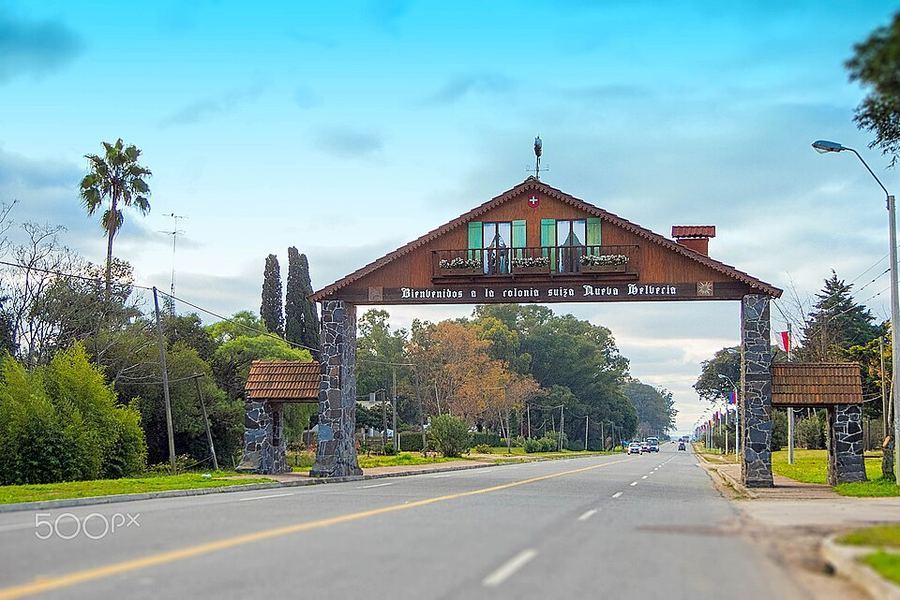
Modern Uruguay was assembled by immigration. Spanish settlement was joined from the mid-nineteenth century by an Italian influx so large that it reshaped the country's speech, food and surnames: Rioplatense Spanish carries an Italian melodic contour, lunfardo slang absorbed Italian dialect words, and pasta is as ordinary a family meal as beef. Basques, Galicians, French, Portuguese, Swiss — who founded Nueva Helvecia in 1862 and brought dairying — Lebanese, Armenians, Jews and, more recently, Peruvians, Venezuelans and Cubans have all added layers. African Uruguayans, descendants of people brought through the slave port of Montevideo, gave the country candombe, the drum tradition that is now its most distinctive art form and a recognised element of national identity for all Uruguayans. Along the Brazilian frontier at Rivera and Artigas, generations of contact produced Portuguese-based border dialects spoken alongside Spanish, and Brazilian music and television are part of everyday life there. Charrúa ancestry, long officially denied after the violence of the 1830s, has been reasserted since the 1980s by descendant organisations. The gaucho himself is a fusion figure, formed out of Spanish, indigenous and African horsemen on the open range.

Music & Dance

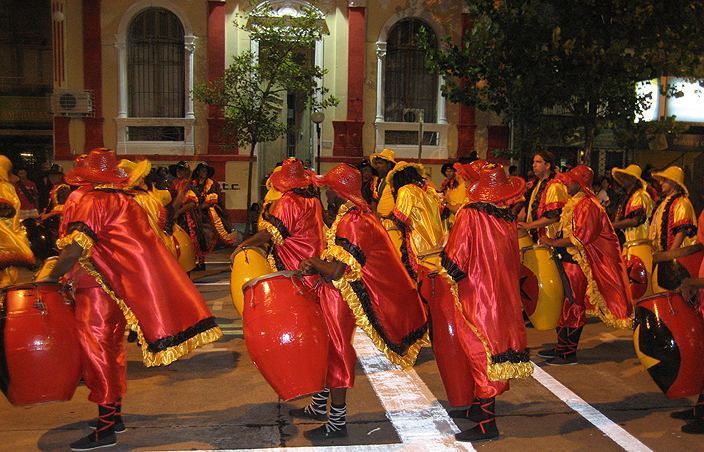
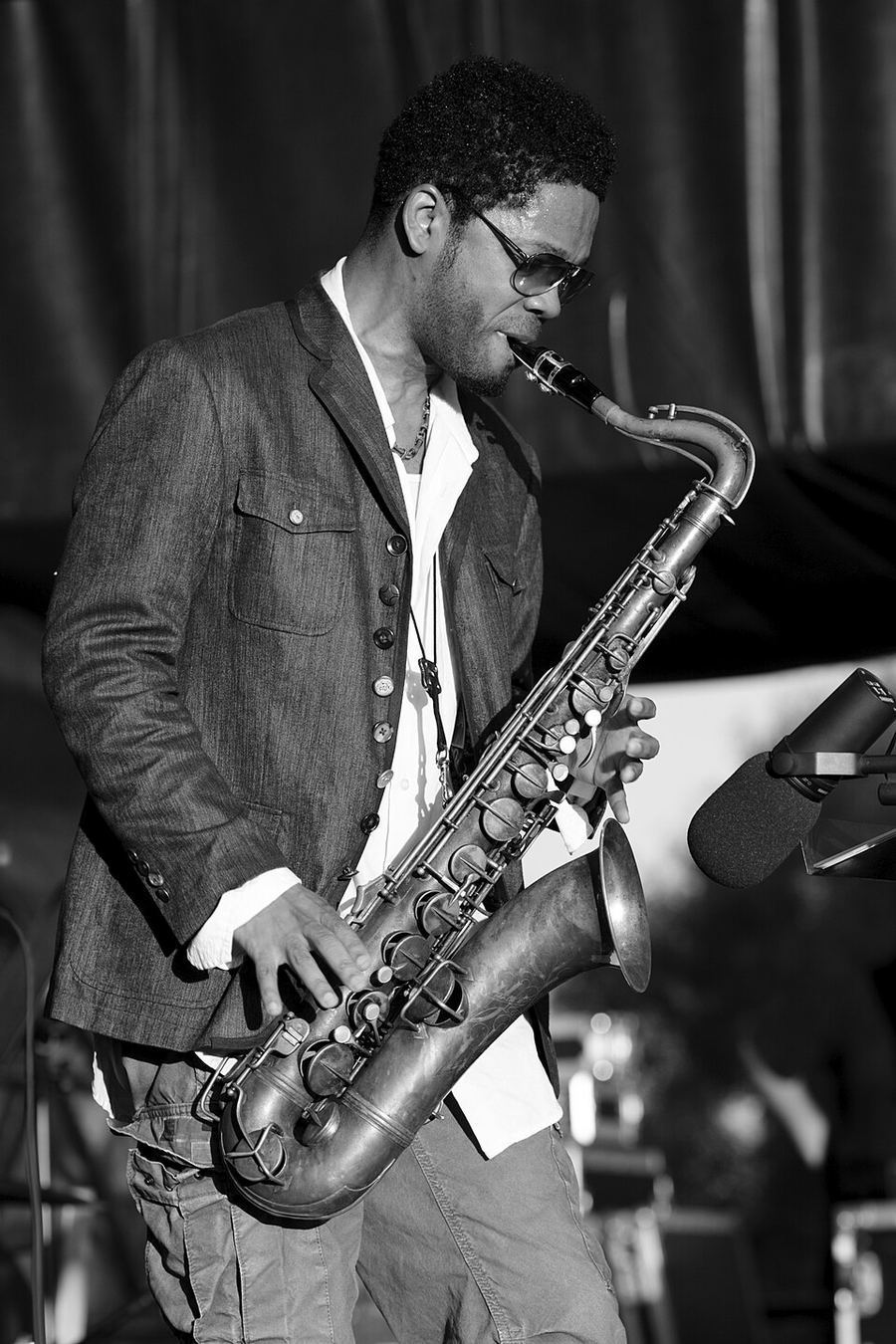
Candombe is Uruguay's signature music, played on three drums of different sizes — chico, repique and piano — carried on shoulder straps and tuned by fire before the players march. Developed by enslaved Africans and their descendants in the neighbourhoods of Barrio Sur and Palermo, it survives in the comparsas that parade in the Llamadas during Carnival, and UNESCO inscribed the candombe drumming of those neighbourhoods on its intangible heritage list in 2009. Uruguay's Carnival is the longest in the world, running roughly forty days, and its other great form is murga: a chorus of costumed singers backed by bass drum, snare and cymbals performing satirical political theatre in the neighbourhood tablados. Tango is shared with Buenos Aires, but the piece regarded as the tango anthem, 'La Cumparsita', was written in Montevideo in 1917 by the student Gerardo Matos Rodríguez. Milonga and payada, the improvised sung duel of the rural minstrel, belong to the interior. The canto popular movement of the 1960s and 1970s — Alfredo Zitarrosa, Daniel Viglietti, Los Olimareños — produced songs that became anthems of resistance during the dictatorship, and Jaime Roos and Eduardo Mateo fused candombe rhythm with rock and pop into a distinctly Montevidean sound.

Cuisine & Misattributed Foods

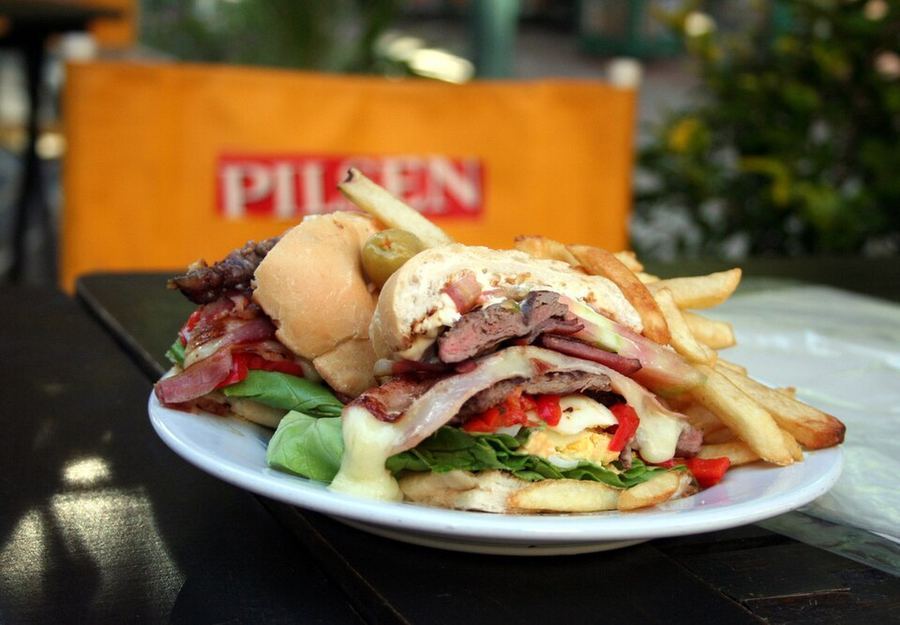
Uruguay eats a great deal of beef, and eats it slowly. The asado is a wood-fired ritual rather than a quick grill, taking in short ribs, sweetbreads, kidneys, chorizo and the sweet blood sausage morcilla dulce, cooked over embers raked from a side fire and eaten over hours. The national sandwich is the chivito, built in Punta del Este in the 1940s: thin steak, ham, cheese, bacon, egg, lettuce, tomato and olives in a bun, served with chips. Italian influence is everywhere — gnocchi eaten on the twenty-ninth of the month, pizza sold by the slice with fainá, a chickpea flatbread laid on top, and the Montevidean invention capeletis a la Caruso, filled pasta in a cream, ham and mushroom sauce created in the 1950s. Dulce de leche fills alfajores, pastries and cakes, and the sweet-savoury pascualina tart of chard and egg is a standard. Mate is drunk constantly and is not treated as a beverage so much as a fixture. Uruguay's wine industry is built on tannat, a dark, tannic Basque grape introduced in the 1870s and now the country's signature, and medio y medio, a mix of still and sparkling white wine, is the traditional accompaniment to a Montevideo lunch.

National Dress

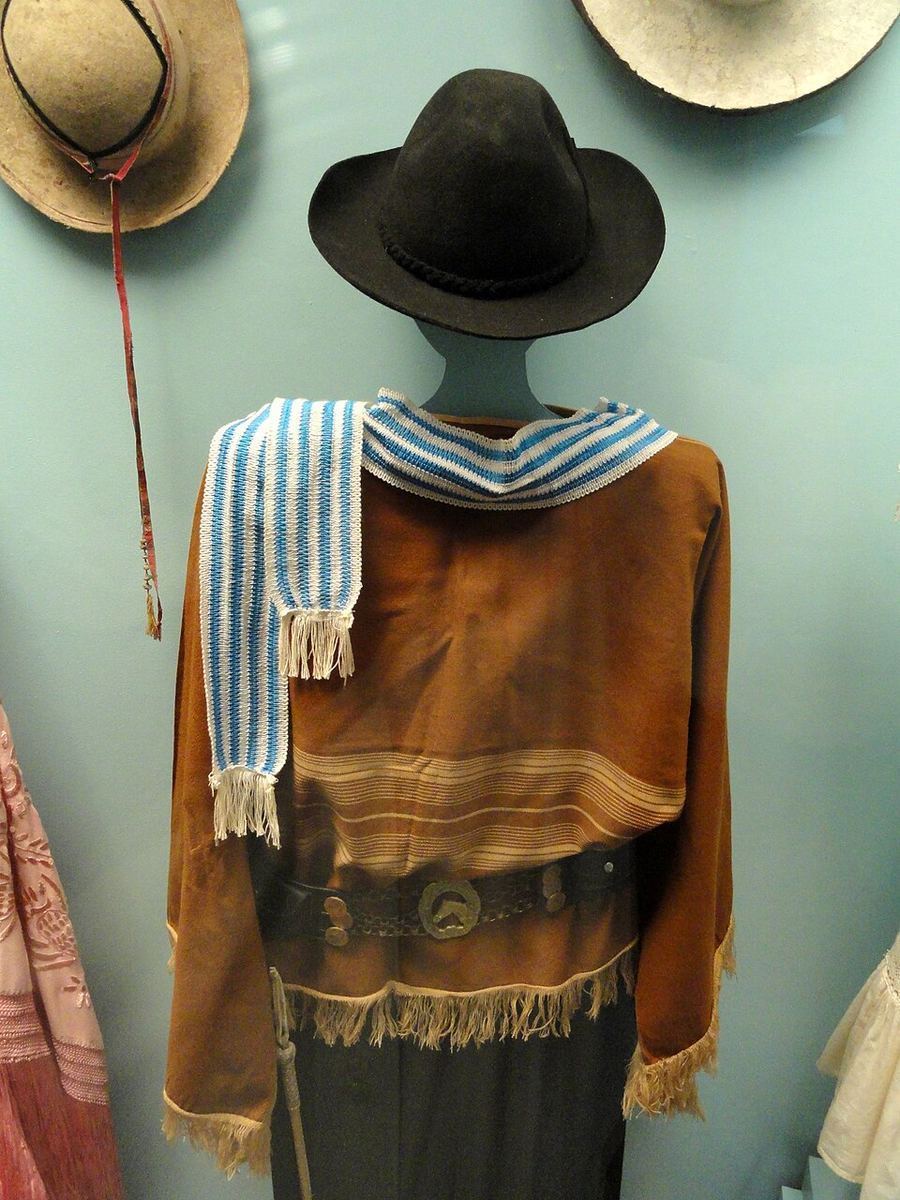
Uruguay has no legislated national costume, and everyday dress is entirely European in style, but the gaucho outfit serves as the recognised traditional dress and is worn seriously rather than as costume at rural festivals, at the Criolla week held every Tourism Week, and by riders at parades. It consists of bombachas — wide pleated trousers gathered at the ankle over boots — a shirt and neckerchief, a wide leather belt often studded with silver coins called a rastra, a broad-brimmed hat, and a poncho against the wind off the pampas; a facón knife is carried at the back of the belt and used for eating as much as anything else. Women's traditional rural dress is a long full skirt with a blouse and shawl. Carnival supplies the other great body of Uruguayan dress: the comparsas of the Llamadas parade in elaborate feathered and sequinned costume, with the archetypal figures of the mama vieja, the gramillero and the escobero each having a fixed appearance, while murga performers wear painted faces and brightly patterned suits closer to clowning than to folklore.

Sports & Inspiring Athletes

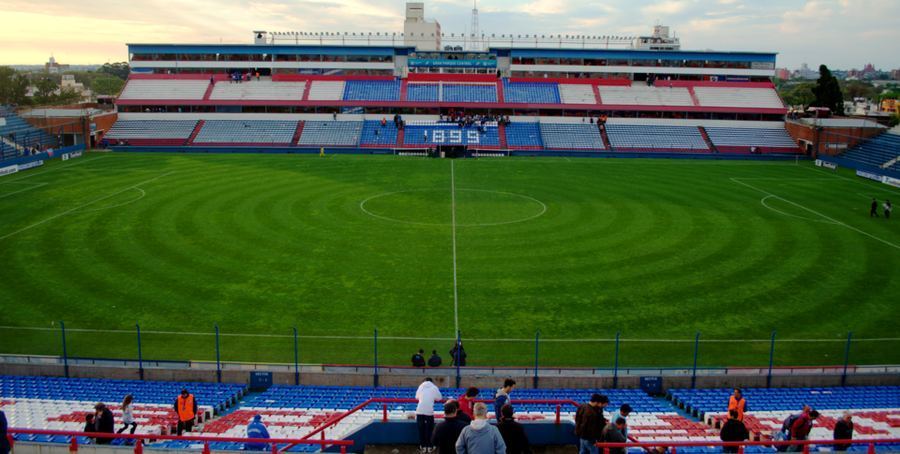
Football is not merely popular in Uruguay but constitutive of national identity, and the country's record is extraordinary for a population of three and a half million. The domestic league is dominated by the Montevideo giants Peñarol and Nacional, whose derby is among the oldest and fiercest in world football, and both have won the Copa Libertadores and the Intercontinental Cup. The Estadio Centenario, built for the 1930 World Cup and named for the centenary of the constitution, is recognised by FIFA as a historical monument of world football. Youth football is organised through the baby-fútbol system of neighbourhood clubs that has produced a steady stream of players for European leagues, and player exports are a significant part of the economy. Basketball is the clear second sport, with a professional league and passionate club followings. Rugby union has grown steadily; the national side, Los Teros, has qualified for several World Cups, and the sport is bound into national memory through the Old Christians team whose aircraft crashed in the Andes in 1972. Cycling, with the Rutas de América and the Vuelta Ciclista, rowing, sailing and pato-style horsemanship at rural festivals complete the picture.

Notable Educational Programs

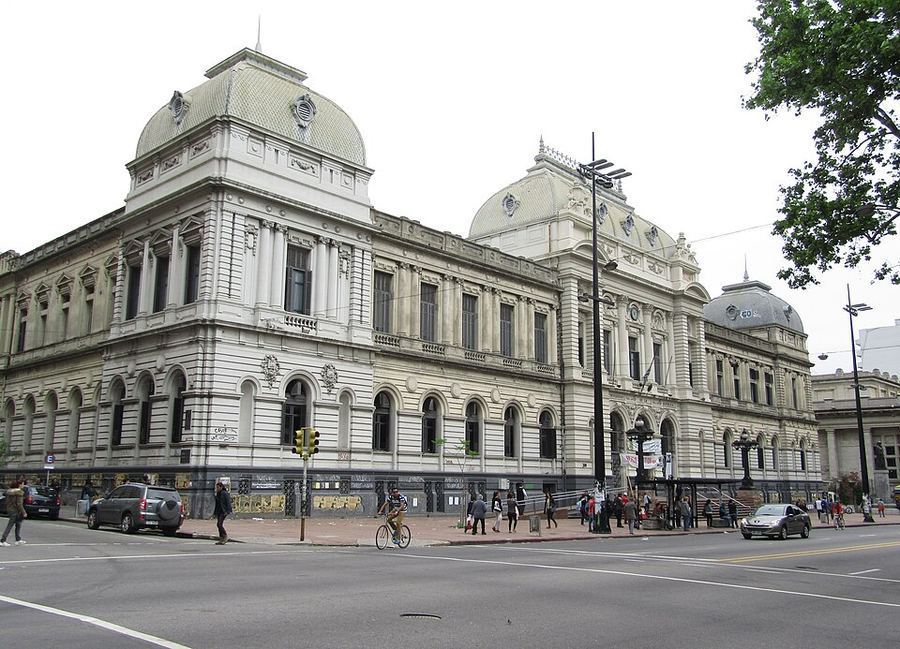
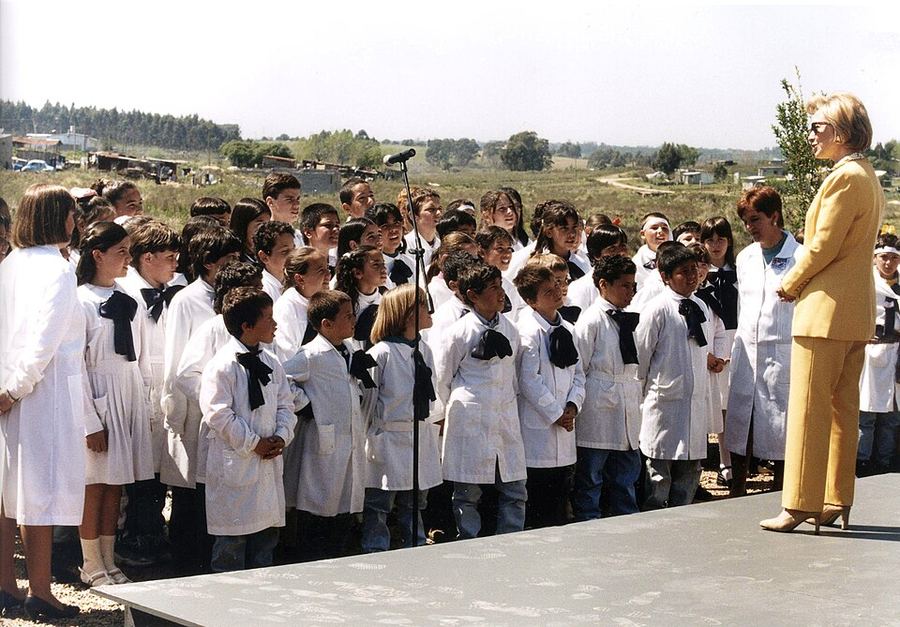
Uruguay's education system rests on the reform pushed through by José Pedro Varela in 1877, which made primary schooling free, compulsory and secular — a combination unusual anywhere at the time and decisive for the country's near-universal literacy, which stands close to ninety-nine per cent. Education is free at every level including university, and the Universidad de la República in Montevideo, founded in 1849, remains the dominant institution, enrolling the large majority of tertiary students, followed by the newer public Universidad Tecnológica and by private universities including the Universidad Católica and the Universidad ORT. Plan Ceibal, begun in 2007, distributed a laptop and internet access to every child and teacher in public primary education, making Uruguay the first country to achieve that, and has since developed into a national platform for digital learning, remote English teaching and mathematics tutoring — infrastructure that allowed schooling to continue with unusual continuity during the pandemic. Persistent challenges are secondary completion rates, which lag well behind primary enrolment, and inequality in outcomes between Montevideo's wealthier and poorer neighbourhoods, both of which have driven successive reform debates.

Wars & Conflicts

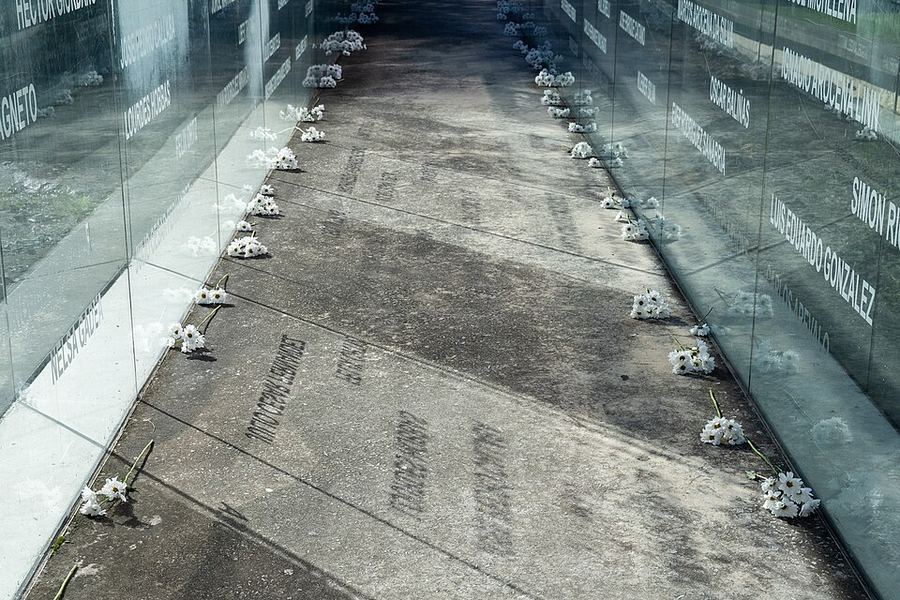
Uruguay is at peace and has no armed forces engaged in combat, but its politics were shaped by nineteenth-century civil war between the Colorado and Blanco parties, by the long siege of Montevideo during the Guerra Grande of 1839-51, and by participation alongside Brazil and Argentina in the War of the Triple Alliance against Paraguay. The defining modern trauma was the period from the late 1960s: the Tupamaros, an urban guerrilla movement, carried out kidnappings and robberies; the state responded with emergency powers; and in June 1973 the military and president dissolved parliament, opening a dictatorship that lasted until 1985. Uruguay imprisoned a higher share of its population for political reasons than almost any country in the world during that period, torture was systematic, and close to two hundred people were disappeared, many in coordination with Argentina under Operation Condor. A 1986 amnesty law shielded members of the security forces from prosecution and was upheld in two referendums before being progressively narrowed by the courts and parliament; investigations, exhumations and trials have continued. Today Uruguay contributes troops to United Nations peacekeeping operations at one of the highest rates per capita in the world.
Amnesty InternationalHuman Rights WatchBBCReutersUN
Current as of 2026-08-07

Land & Border Disputes

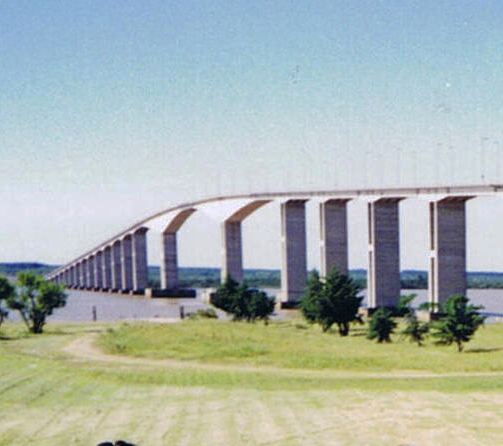
Uruguay's most significant recent dispute was with Argentina over a large pulp mill built on the Uruguayan bank of the shared Uruguay river near Fray Bentos. Argentina argued that Uruguay had authorised the plant without following the consultation procedures of the 1975 statute governing the river and that the mill would pollute it, and Argentine protesters blockaded the international bridge for years. Argentina took the case to the International Court of Justice, which ruled in April 2010 that Uruguay had breached its procedural obligation to notify and consult but had not been shown to have violated its substantive environmental obligations, and declined to order the mill dismantled; the two states subsequently agreed on joint monitoring of the river. A small and long-dormant boundary question persists with Brazil over the Rincón de Artigas and the Isla Brasilera near the confluence of the Quaraí and Uruguay rivers, where the two countries interpret the treaty line differently; the area is administered by Brazil and the disagreement has never produced conflict. The maritime and river boundary with Argentina in the Río de la Plata and its front was settled by treaty in 1973 and functions without serious friction.
Land, Life & Legacy

Land & Climate

Uruguay is a country of low rolling hills and grassland — the cuchillas, long ridges running northeast to southwest — with no mountains to speak of; the highest point, Cerro Catedral, reaches only about 514 metres. It lies entirely within the temperate zone, one of the few countries in the world of which that is true, and has four genuine seasons without extremes: warm humid summers, cool damp winters, no dry season, and the occasional cold pampero blowing up from the southwest. The Uruguay river forms the western border with Argentina and joins the Paraná to create the vast estuary of the Río de la Plata; the Río Negro cuts across the middle of the country and is dammed at Rincón del Bonete to form a large reservoir. The Atlantic coast runs east from Montevideo through the resort towns of Piriápolis and Punta del Este to the wilder dunes, lagoons and palm savannah of Rocha, where Cabo Polonio and the Laguna de Rocha are protected areas. Wetlands along the Merín lagoon in the east support extensive rice cultivation and important bird populations. Drought is the country's main climatic risk, and a severe one in 2022-23 forced water restrictions in Montevideo.

Entertainment

Uruguayan leisure is sociable and outdoors. The rambla is walked, cycled, run and fished from at all hours, and any patch of grass on a Sunday holds a circle sharing mate. Football is played and watched with an intensity out of proportion to the population; the Clásico between Peñarol and Nacional divides families, and neighbourhood baby-fútbol leagues occupy children's weekends. Beach season runs from December to March and empties Montevideo toward the coast — Punta del Este for those with money, Piriápolis for tradition, and the low-key surf towns of Rocha for everyone else. The asado is itself a leisure activity, prepared over the course of an afternoon. Carnival dominates February, with tablados in every neighbourhood and the Llamadas drum parades filling the streets of Barrio Sur. Tourism Week in March or April empties the cities for the interior, where the Criolla rodeo, folk music and horsemanship draw large crowds. Fishing on the coast and in the Río Negro, birdwatching in the eastern wetlands, and thermal spa resorts along the Uruguay river near Salto and Paysandú are popular, and Montevideo's theatres, the Solís above all, and a strong bookshop and café culture round out the urban routine.

Art & Museums

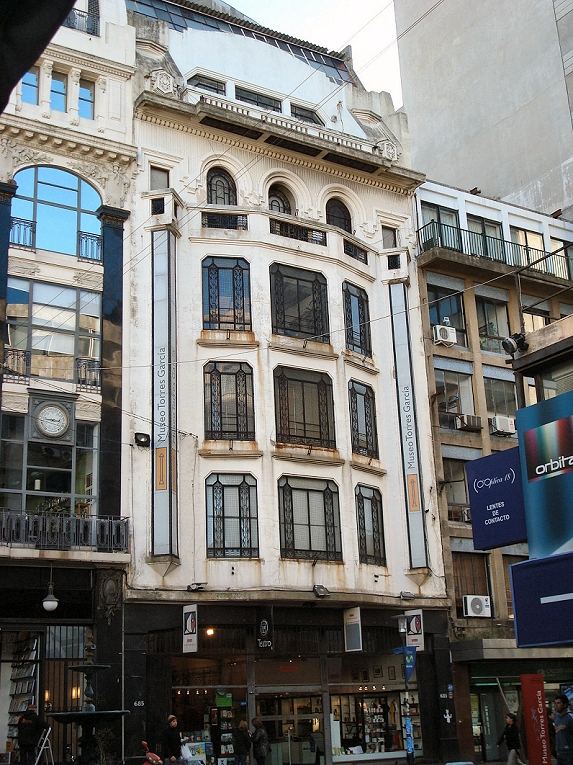
Uruguay's most influential artist is Joaquín Torres-García, who spent decades in Barcelona, New York and Paris working alongside the European avant-garde before returning to Montevideo in 1934 and founding the school of Constructive Universalism, teaching a grid-based symbolic language that shaped South American modernism through his Taller. His drawing of 1943 inverting the map of South America, with the south at the top, became one of the continent's most reproduced images and a permanent statement about intellectual independence. Pedro Figari, a lawyer who turned to painting late in life, produced hundreds of small, luminous scenes of candombe dances, rural gatherings and colonial interiors that fixed a whole national imagery; Rafael Barradas developed his own vibrationist style in Spain; and Carlos Páez Vilaró built Casapueblo, the whitewashed cliffside studio at Punta Ballena that is now a museum. In literature Uruguay is disproportionately important: Juan Carlos Onetti and Cristina Peri Rossi both won the Cervantes Prize, Mario Benedetti was among the most widely read writers in the Spanish language, Eduardo Galeano's essays reached readers worldwide, and Horacio Quiroga, Delmira Agustini, Juana de Ibarbourou and Idea Vilariño are fixtures of the canon. The Comte de Lautréamont, precursor of surrealism, was born in Montevideo in 1846.
Encyclopaedia BritannicaMetropolitan Museum of ArtSmithsonianThe Guardian

Notable People

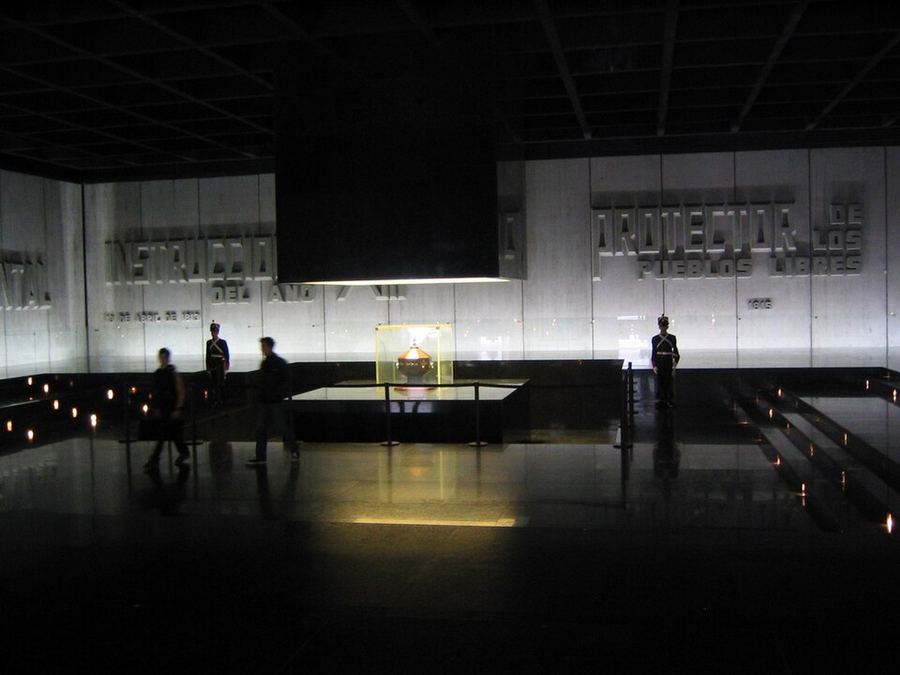
José Gervasio Artigas, the federalist leader of the 1810s, is the national hero, his equestrian statue and mausoleum at the centre of Montevideo's Plaza Independencia. José Batlle y Ordóñez built the welfare state and the secular republic in the first decades of the twentieth century. José Mujica, a former Tupamaro guerrilla who spent more than a decade in prison, served as president from 2010 to 2015, lived on his flower farm rather than in the official residence and gave away most of his salary, becoming internationally known as the world's most austere head of state; he died in May 2025. In writing, Mario Benedetti, Juan Carlos Onetti, Eduardo Galeano and Cristina Peri Rossi are the best known abroad, and the painters Joaquín Torres-García and Pedro Figari define the visual canon. Football supplies the most recognised names of all: Obdulio Varela, captain of the side that silenced the Maracanã in 1950; Enzo Francescoli, the elegant playmaker of the 1980s and 1990s; Diego Forlán, named best player of the 2010 World Cup; and Luis Suárez and Edinson Cavani, who between them scored more international goals than anyone else in Uruguayan history. The actress and singer Natalia Oreiro is a continent-wide star.

Inventions & Breakthroughs

Uruguay's inventiveness has been institutional more than mechanical, and its exports in that line have been policy models. The Varela reform of 1877, establishing free, compulsory and explicitly secular primary education, was radical for its moment and became a template. Batlle's legislation of the 1900s and 1910s — the eight-hour day in 1915, pensions, unemployment provision, legal divorce, the abolition of the death penalty in 1907 — assembled a welfare state before most of Europe. In 2013 Uruguay designed the first national framework anywhere for legal cannabis, with state-controlled production, registered users and pharmacy sale, and governments elsewhere have studied its architecture closely. Plan Ceibal in 2007 made it the first country to put a connected laptop in the hands of every public primary pupil, together with the software platform to use them. Uruguay also built the first fully national individual electronic traceability system for cattle, tagging every animal in the country so that a cut of beef can be traced back to the herd — an innovation that opened premium export markets. In food, the chivito sandwich and capeletis a la Caruso are genuine Uruguayan creations, and 'La Cumparsita', composed in Montevideo in 1917, became the most played tango in the world.

Science & Technology

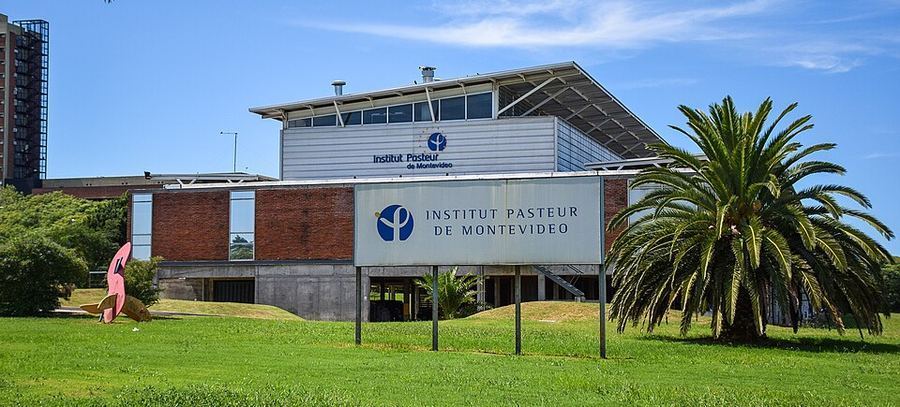
Uruguay's most visible technological achievement of recent years is the transformation of its electricity supply. Beginning around 2010 the country built out wind power at speed alongside its existing hydro capacity and biomass from the forestry industry, so that in favourable years the overwhelming majority of generation — sometimes almost all of it — comes from renewable sources, achieved through long-term contracts and regulatory design rather than large subsidies, and turning Uruguay into an electricity exporter to its neighbours. Research is concentrated in the Universidad de la República, the Clemente Estable Institute of Biological Research and the Institut Pasteur de Montevideo, opened in 2006 as one of the network's few South American laboratories, with strengths in structural biology, parasitology and biomedical research. The national research agency funds a small but productive scientific community. Uruguay has also built an outsized software and technology export sector for its population, with firms in banking software, artificial intelligence and payments — the payments company dLocal became the country's first technology firm valued above a billion dollars — and Montevideo hosts regional data-centre and cloud operations. The state telecoms operator was among the first in Latin America to deploy commercial 5G, and connectivity and digital government indicators are the highest in the region.
On The World Stage

Champions & Defining Moments

Uruguay won the first football World Cup, hosting the 1930 tournament and beating Argentina in the final at the Estadio Centenario, and won again in 1950 in one of the sport's greatest upsets, defeating Brazil in front of a vast crowd at the Maracanã in a match Brazilians still call the Maracanazo. It had already won Olympic football gold at Paris in 1924 and Amsterdam in 1928, titles FIFA counts as world championships, which is why four stars sit above the crest on the shirt. Uruguay holds the record for Copa América titles, with fifteen, most recently in 2011, and reached the World Cup semi-finals again in 2010 in South Africa, where Diego Forlán was named the tournament's best player. Beyond football, Uruguay's Olympic medals are few but include basketball bronze at both Helsinki in 1952 and Melbourne in 1956, along with medals in rowing and cycling. Uruguayan players have been fixtures of the top European leagues for decades, and Luis Suárez and Edinson Cavani won major honours in England, Spain, Italy and France. Los Teros have appeared at multiple Rugby World Cups, recording wins over Fiji in 2019 and Namibia in 2023.

Economy, Trade & Government

Currency & GDP

Peso Uruguayo — UYU (None)

GDP (PPP): $108.502 billion (2024 est.)

Per capita: $32,000 (2024 est.)

Exports

$23.329 billion (2024 est.)

wood pulp, beef, milk, rice, wood (2023)

Partners: China 21%, Brazil 17%, USA 8%, Argentina 5%, Netherlands 5% (2023)

Imports

$19.117 billion (2024 est.)

crude petroleum, refined petroleum, cars, trucks, fertilizers (2023)

Partners: Brazil 22%, China 18%, Argentina 11%, USA 9%, Nigeria 4% (2023)

Government

Type: presidential republic

Independence: 25 August 1825 (from Brazil)

Terrain → Where People Live

How mountains, coasts, and rivers shape settlement (LandScan).

Coming — data

Migration & Ethnic Settlement

Where groups settled and how people move (GeoEPR + UNHCR).

Coming — data

Universities

Notable institutions, mappable as points.

Coming — data
Economy & government facts: CIA World Factbook (public domain), via OpenFactBook / factbook.json.
Every fact and narrative claim will carry a visible source citation. Data-driven sections light up automatically wherever HERA has coverage.