HERA · Human Entity Reference Atlas by Masego Inc

← Saint Vincent and the Grenadines 🌐 3D View
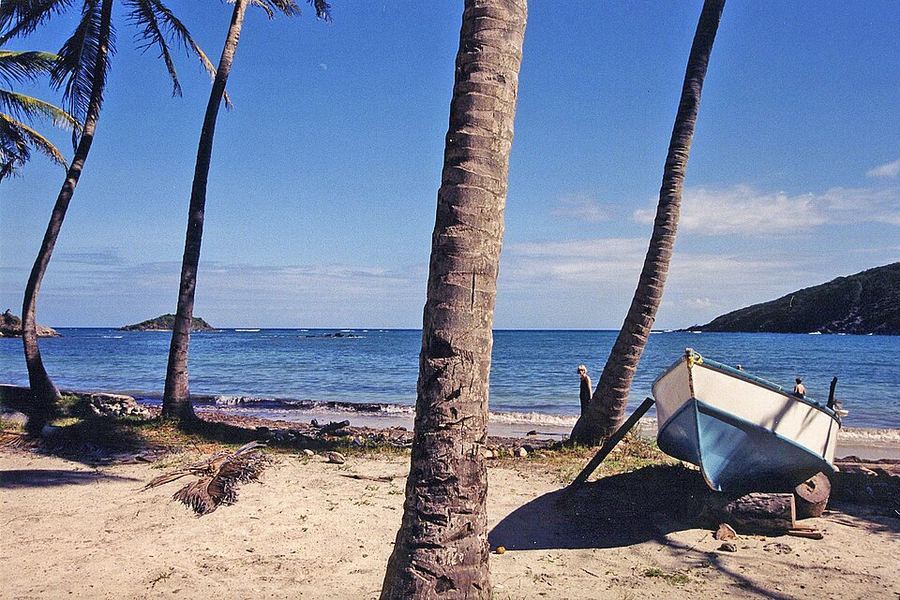
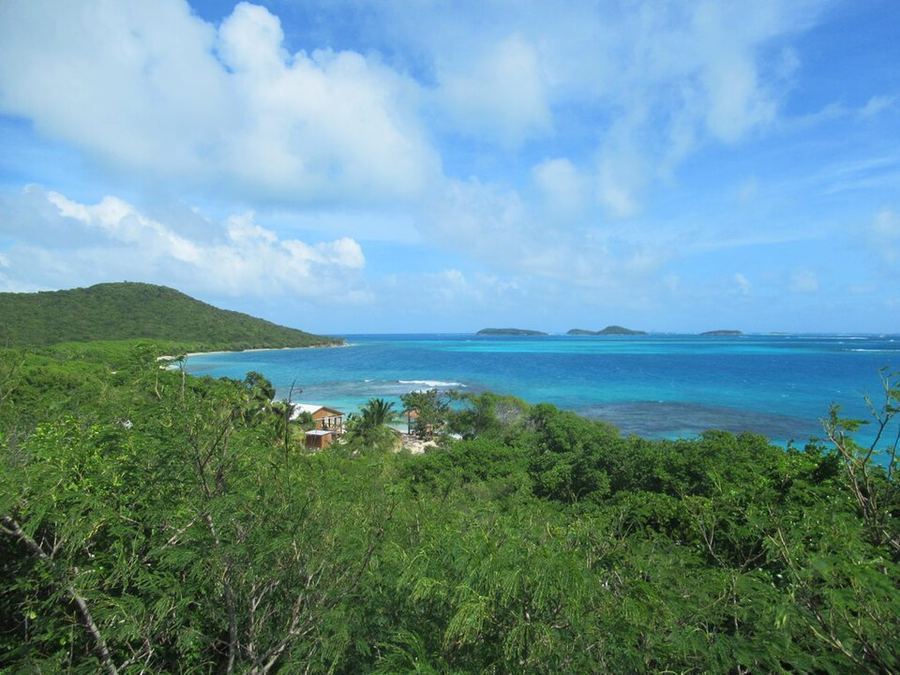
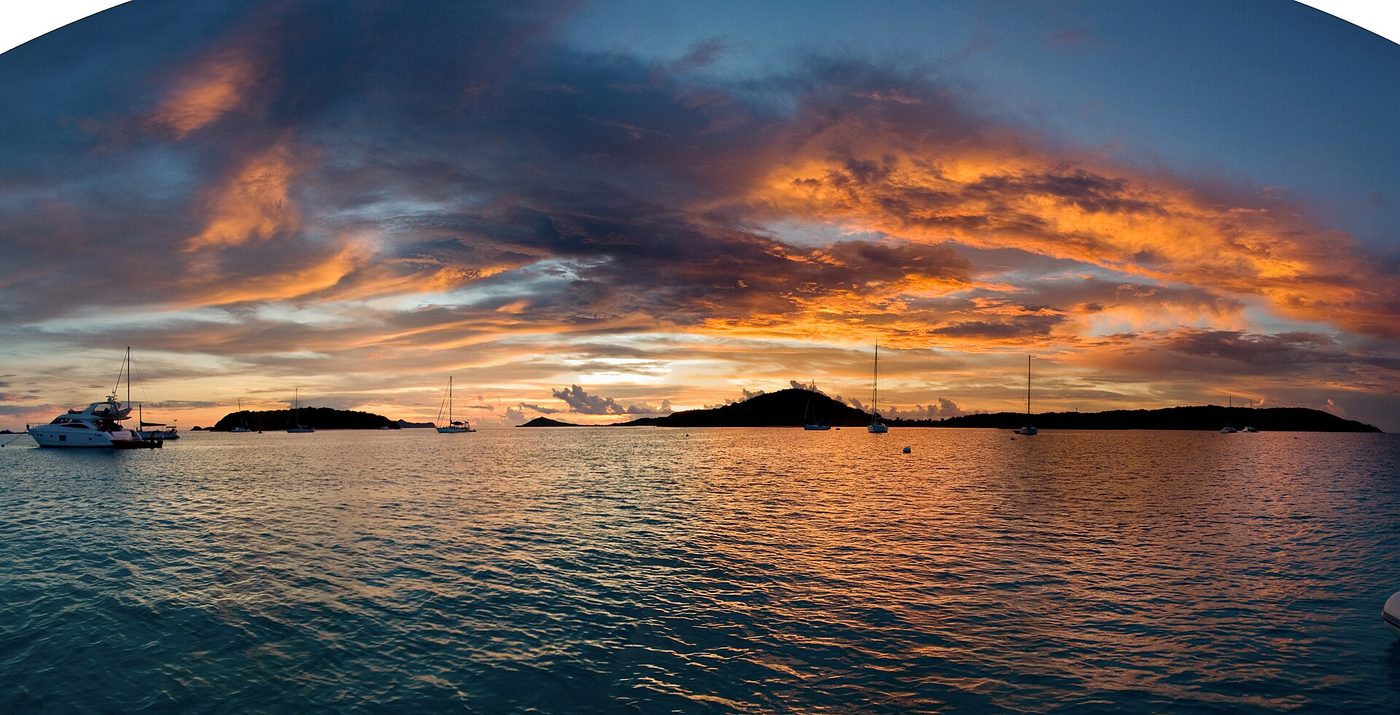
Tobago Cays Sunset Panorama - panoramio, Saint Vincent and the Grenadines
Saint Vincent and the Grenadines VCT
Tobago Cays Sunset Panorama - panoramio — Photo: FishSpeaker / CC BY 3.0 via Wikimedia Commons
Did You Know Adonal Foyle, born on the tiny Grenadine island of Canouan, was picked eighth overall in the 1997 NBA draft and played more than a decade in the league. — The Guardian

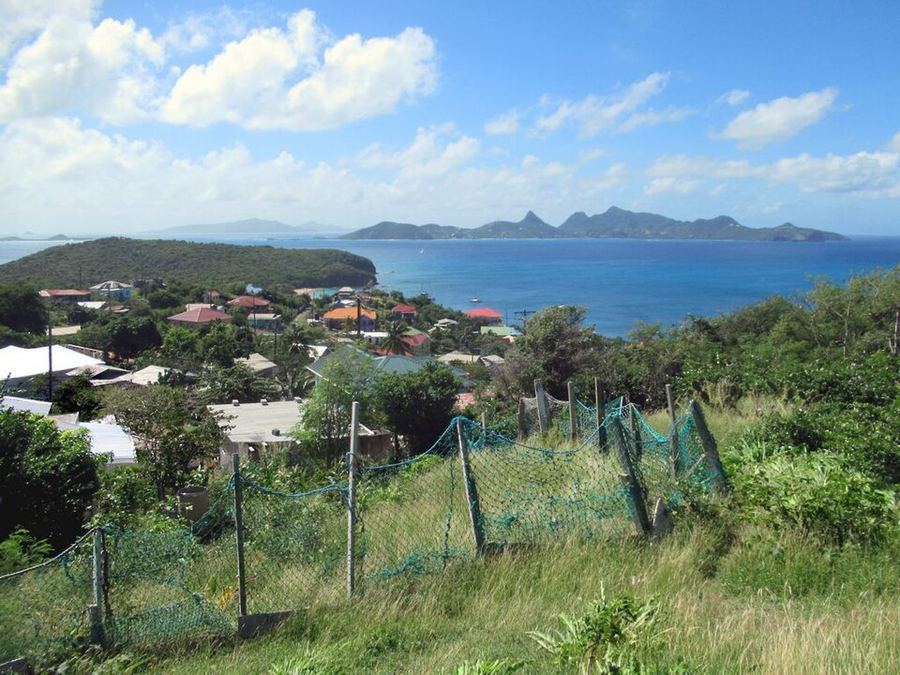
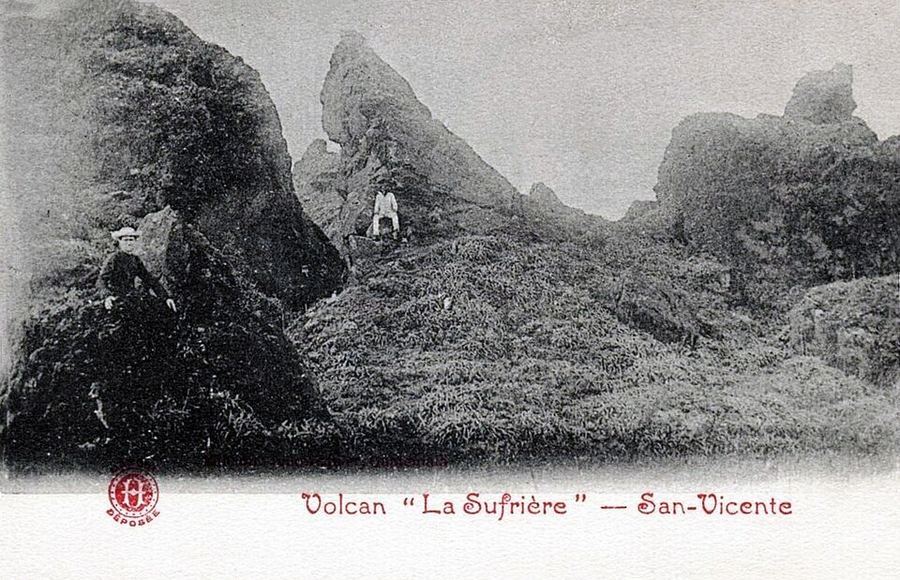
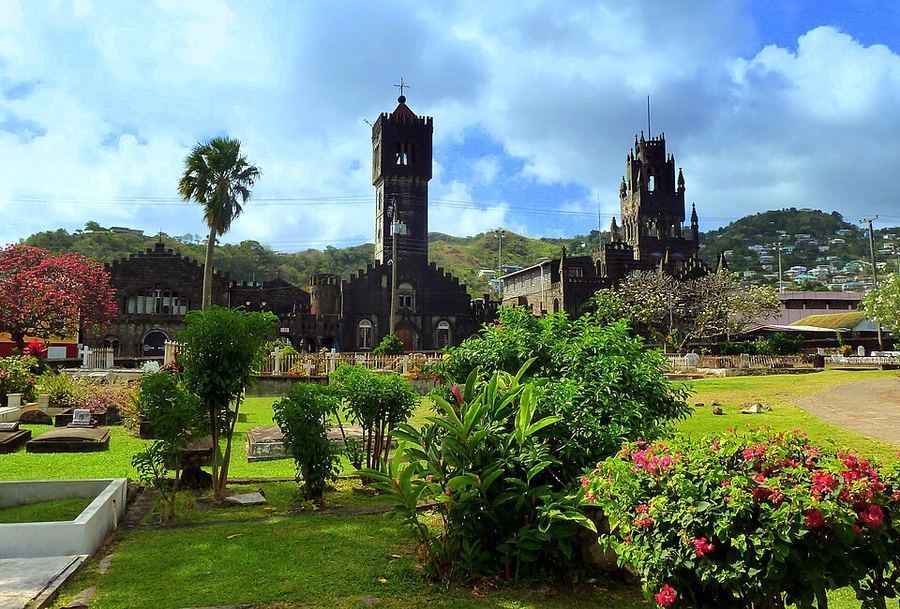
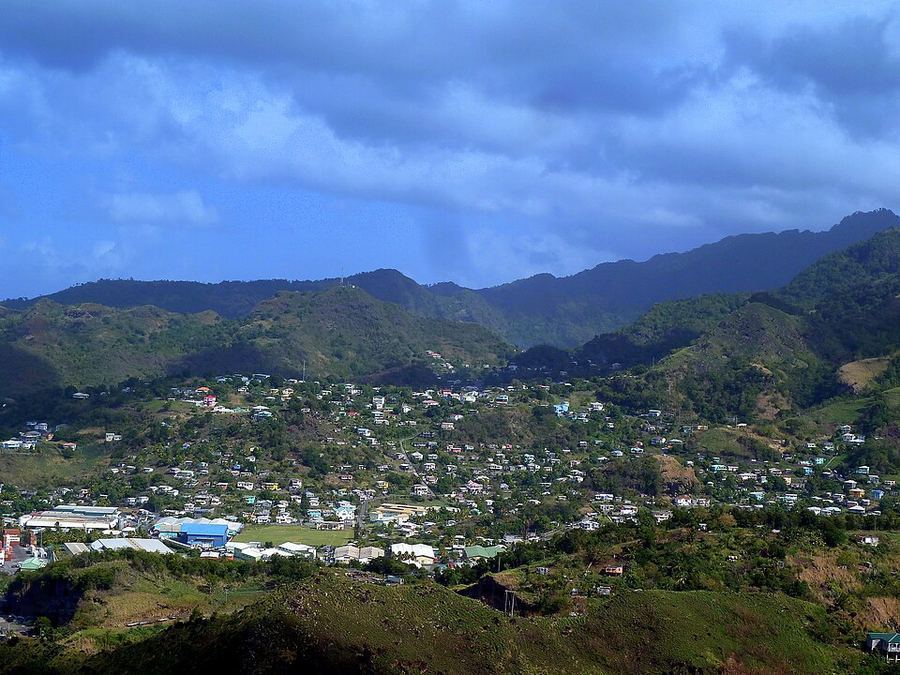
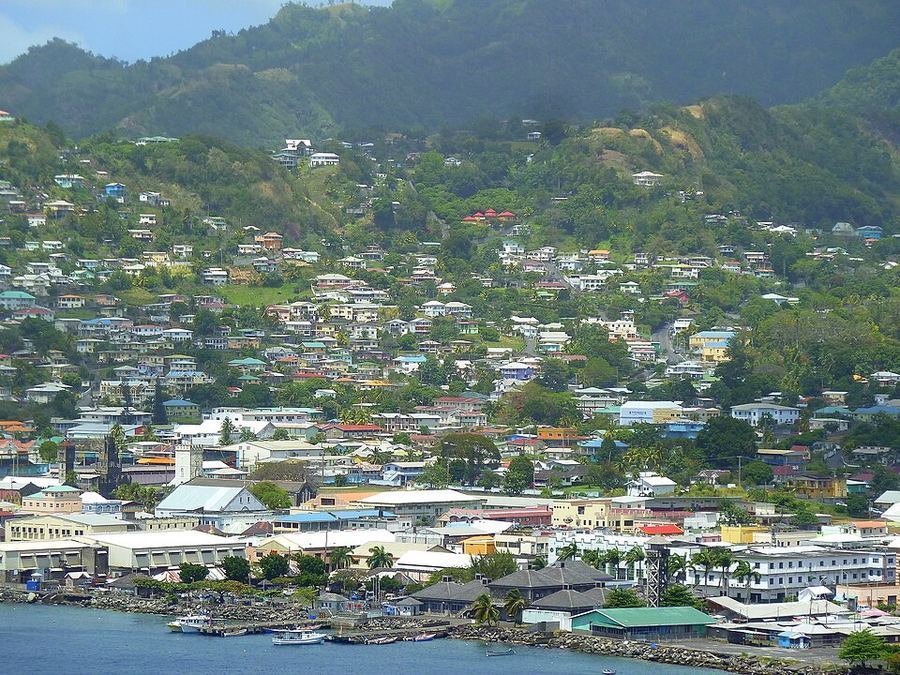
Saint Vincent and the Grenadines is an eastern Caribbean state of about 100,000 people, made up of the mountainous volcanic island of Saint Vincent and a chain of some thirty smaller islands and cays running south toward Grenada — Bequia, Mustique, Canouan, Mayreau, Union Island, Palm Island, Petit Saint Vincent and the uninhabited Tobago Cays. The capital, Kingstown, sits on a deep bay on Saint Vincent's southwestern coast beneath steep green hills. Roughly seventy-one per cent of the population is of African descent and a further twenty-three per cent of mixed ancestry, with small Indigenous, East Indian and European minorities; English is official, alongside a widely spoken Vincentian Creole. Around three-quarters of Vincentians are Protestant, with Pentecostal, Anglican and Seventh Day Adventist congregations the largest. The country became independent from Britain on 27 October 1979 and remains a Commonwealth realm with a Westminster parliament; Ralph Gonsalves has been prime minister since 2001. Output per head on a purchasing-power basis is around 18,700 dollars, generated by tourism and yachting in the Grenadines, agriculture, an offshore ship registry that dominates the export statistics, construction and remittances. The active volcano La Soufrière, which erupted violently as recently as April 2021, dominates the north of the main island.

CIA World FactbookWorld BankEncyclopaedia BritannicaUN
Population
100,647
Capital
Kingstown
Currency
$ XCD
Time zones
Largest city
Human Geography Themes
Loading national figures…
The Country & Its People

History

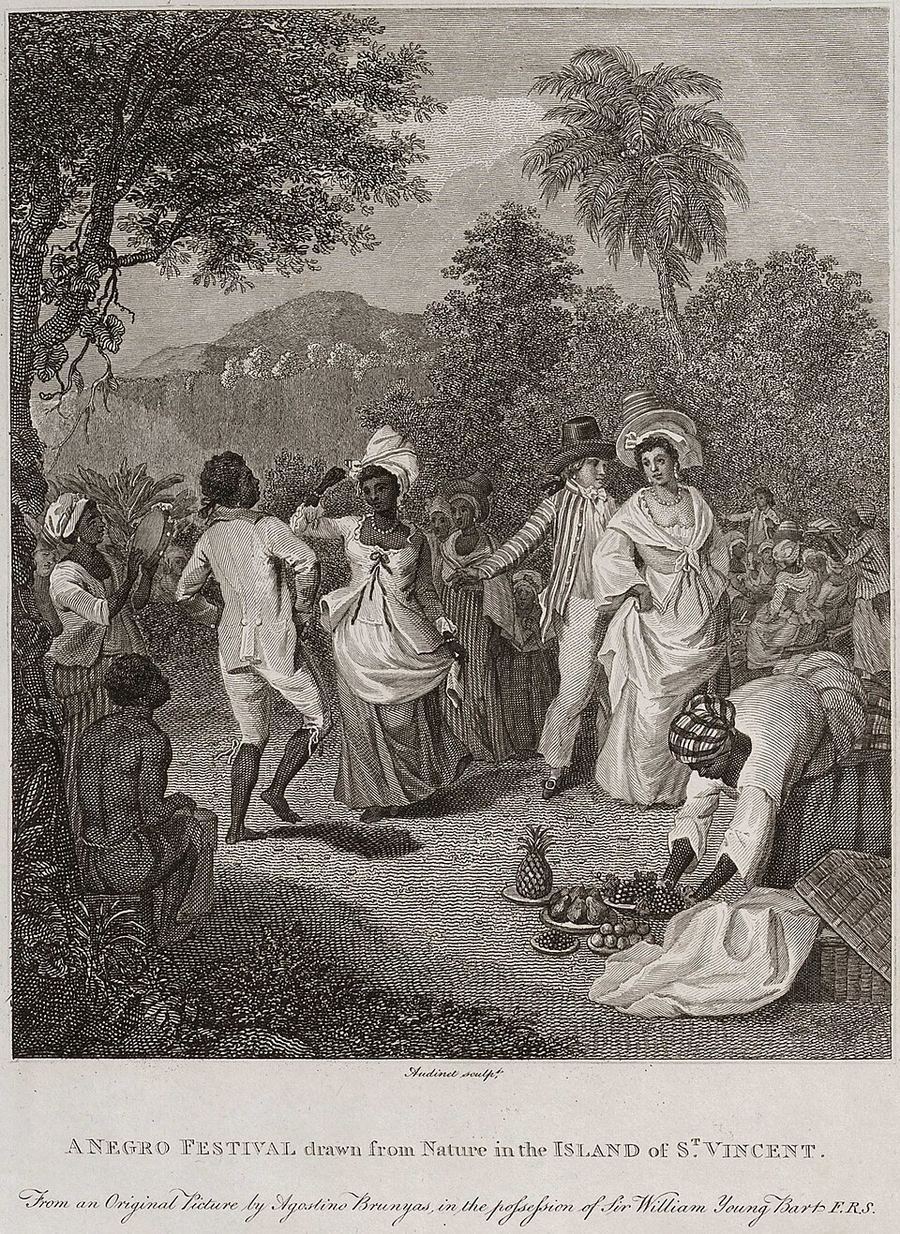
The island the Kalinago called Hairouna resisted European settlement longer than almost anywhere else in the Caribbean. Through the seventeenth and early eighteenth centuries, Africans who escaped slavery or survived shipwrecks in the region merged with the Kalinago population to form a distinct people the Europeans called Black Caribs and who called themselves Garifuna, and their strength was such that the Treaty of Aix-la-Chapelle in 1748 declared Saint Vincent neutral territory. Britain took formal possession in 1763, lost the island to France in 1779 and regained it in 1783. Garifuna resistance produced two wars. In the second, from 1795 to 1797, the paramount chief Joseph Chatoyer led a French-supported rising and was killed on Dorsetshire Hill on 14 March 1795; after the defeat the British deported some five thousand Garifuna, first to the barren island of Balliceaux, where many died, then to Roatán off Honduras — the origin of the Garifuna communities of Honduras, Belize, Guatemala and Nicaragua. Plantation slavery followed until abolition in 1834, after which Madeiran Portuguese and indentured East Indian labourers were brought in. La Soufrière erupted catastrophically in 1902, killing roughly 1,600 people. The colony gained associated statehood in 1969 and full independence on 27 October 1979, weeks after another eruption of the volcano.
Culture

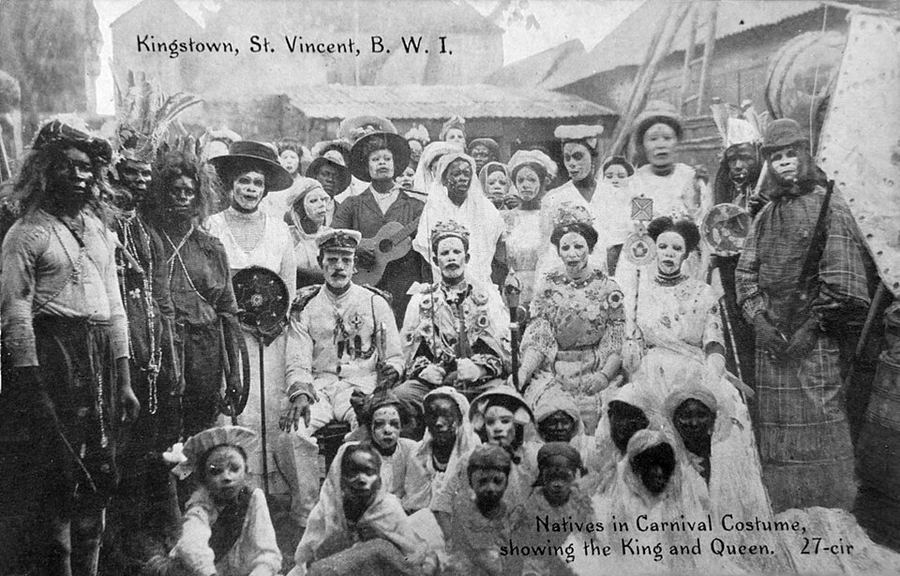
Vincentian culture is Afro-Caribbean, church-centred and strongly communal, shaped by village life on a small island where most people know each other's families. Church attendance is high and denominationally varied — Pentecostal, Anglican, Methodist, Seventh Day Adventist, Roman Catholic and Spiritual Baptist congregations all have deep roots, and Sunday, choirs and church fundraising organise a great deal of social life. Alongside this runs a Rastafari presence with a long history on the island. National Heroes Day on 14 March, marking the death of Chatoyer, is the country's most distinctive public commemoration and places Indigenous and Garifuna resistance at the centre of the national story rather than at its margins; the Garifuna diaspora in Central America returns to Balliceaux and to Saint Vincent for commemorations. The two great popular festivals are Vincy Mas, the carnival that runs through late June and early July with calypso competitions, mas bands and the Mardi Gras street parade, and Nine Mornings, a celebration found nowhere else, in which people rise before dawn on each of the nine days before Christmas for street concerts, sea baths, bicycle rides and dancing. Extended family, godparenting and land inherited through kin are the framework of everyday obligation.

Points Of Pride

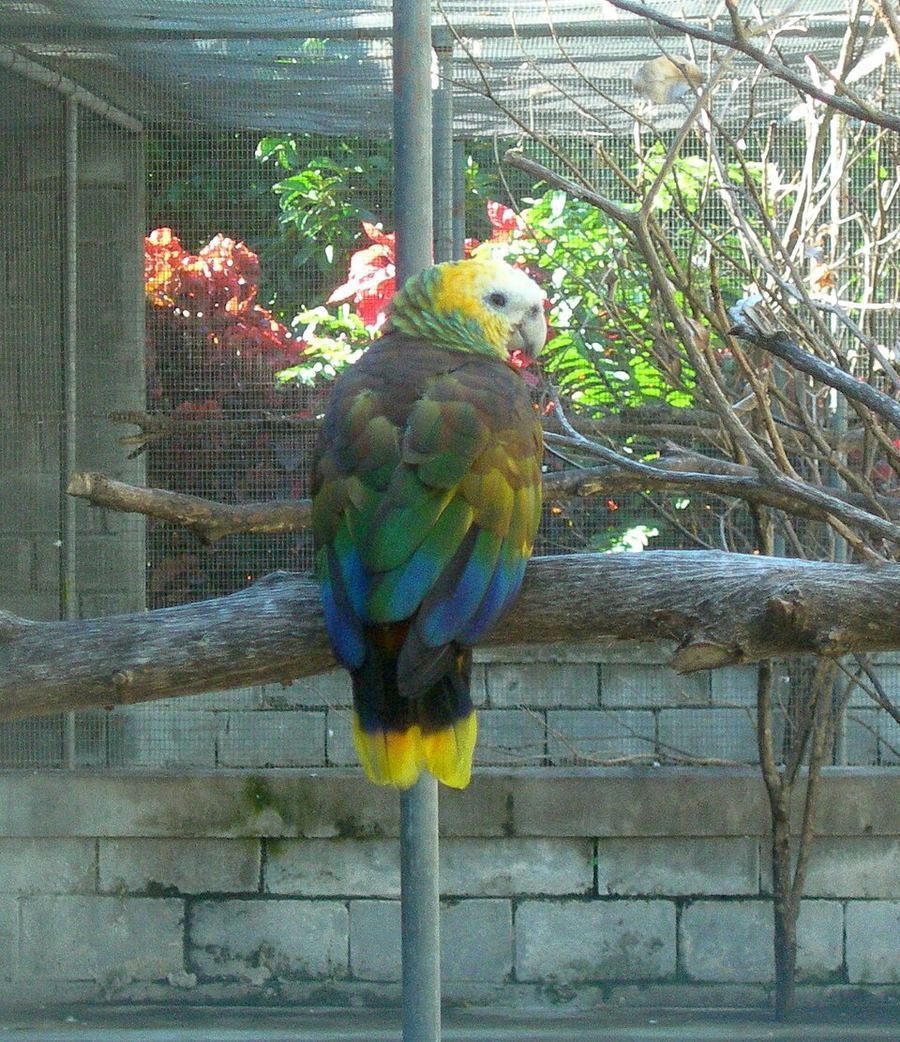
Vincentians are proudest of the resistance that gave the island its reputation as the last Carib stronghold, and of Chatoyer, the national hero whose name is on the country's highest honour. The scattering of the Garifuna to Central America in 1797 means that hundreds of thousands of people across four countries trace their ancestry to this small island, and the connection is actively maintained. The Saint Vincent Botanical Gardens in Kingstown, founded in 1765, are the oldest botanical gardens in the Western Hemisphere, and hold a breadfruit tree grown from the stock that William Bligh finally delivered from Tahiti in 1793 after the mutiny on his earlier voyage. The Grenadines are among the finest cruising grounds in the world, and the Tobago Cays Marine Park, a horseshoe reef enclosing five uninhabited islands, is the country's best-known natural attraction. Bequia's boatbuilding and model-making tradition and its licensed aboriginal whaling are a distinctive inheritance. The Saint Vincent parrot, a large multicoloured Amazon found nowhere else on earth, is the national bird and the emblem of a successful conservation effort in the Buccament and Vermont forest reserves.

Cultural Fusion

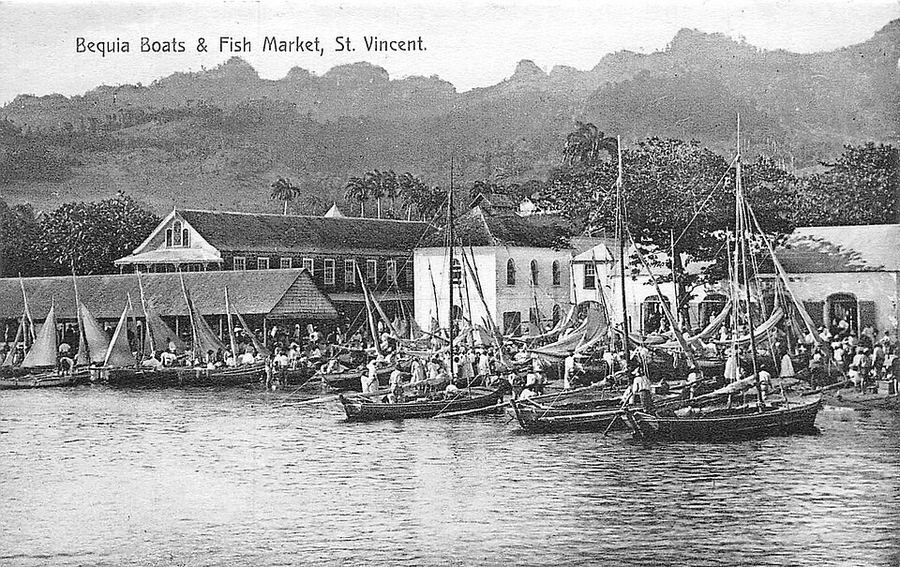
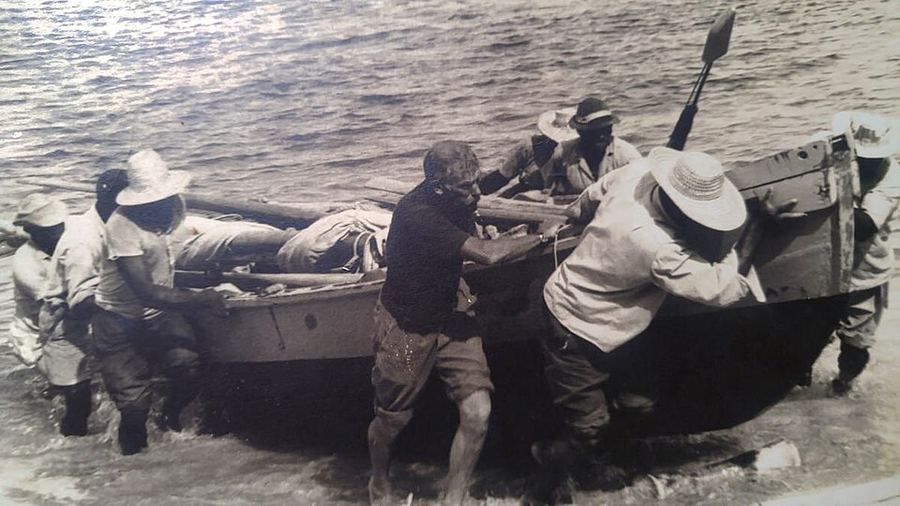
Saint Vincent's defining fusion happened before the plantations: the merging of Kalinago islanders with Africans who reached the island by shipwreck or escape produced the Garifuna, a people with an Arawakan-derived language, African-derived religion and music, and a fierce independent politics — a genuinely new Caribbean nation formed in the seventeenth and eighteenth centuries. British rule laid English, the common law, Anglican and Methodist churches and cricket over an African-descended population, while French occupation and neighbouring Martinique and Saint Lucia left a French patois inheritance in place names and older speech. Madeiran Portuguese arrived after emancipation, followed by indentured labourers from India in the 1860s, adding surnames, foods and religious practice. Bequia's whaling is a direct transplant: New England whalers taught Bequians the trade in the nineteenth century, and the island adapted it to open sailing boats and hand harpoons, a technique that survives under an international aboriginal quota. Rastafari, reggae and dancehall from Jamaica and soca from Trinidad have shaped popular culture since the 1970s, and the Vincentian diaspora in Britain, Canada, the United States and Trinidad keeps a constant traffic of money, music and returning families.

Music & Dance

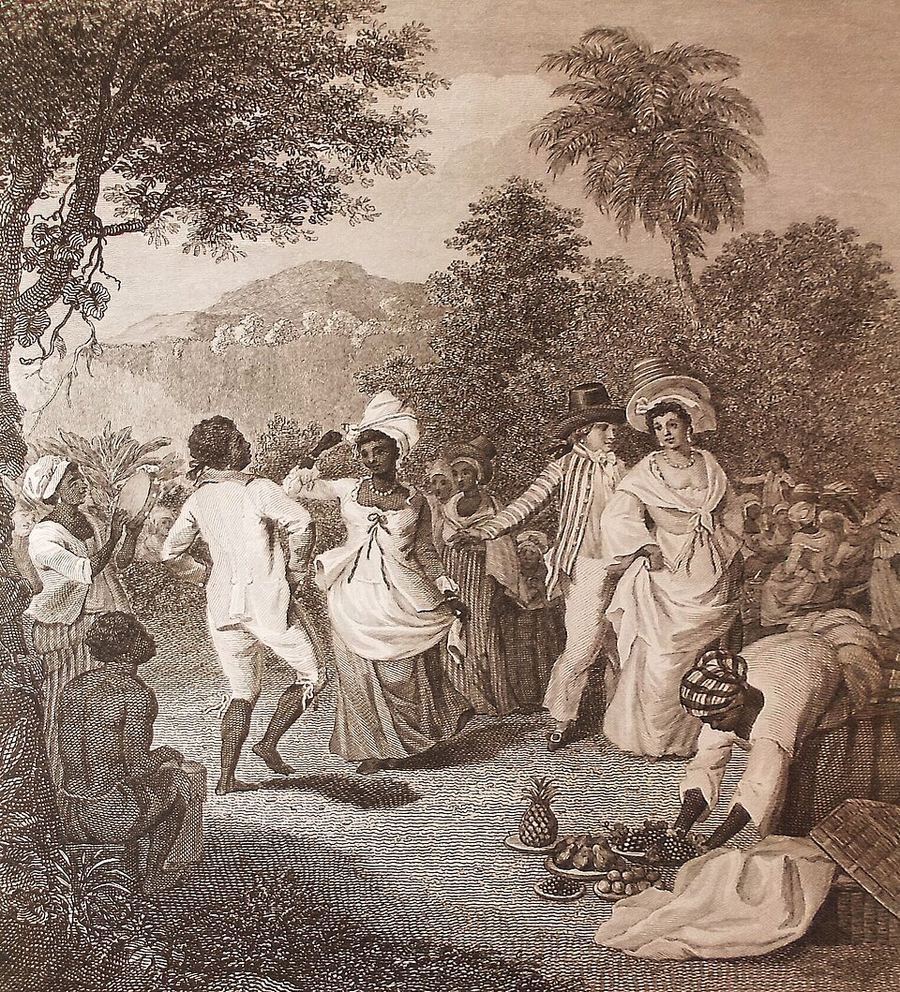
Carnival music dominates: calypso, with its lyrical commentary and its competitive tents, and soca, the faster dance form that drives Vincy Mas through the Dimanche Gras show, the J'Ouvert dawn jump-up and the Mardi Gras parade. Vincentian soca has produced performers of regional standing, notably Becket, whose songs became Caribbean standards, and Skinny Fabulous, a leading voice in the region's power soca. String band music — quatro, banjo, guitar, shak-shak rattle and often a bass made from a barrel — is the older popular form, played at village dances and at Nine Mornings, and quadrille and other set dances derived from European ballroom forms survive in rural districts. Big drum traditions and the ritual drumming of the Spiritual Baptist church connect to the wider Afro-Caribbean world, and Garifuna music, preserved most fully in the Central American diaspora, is part of the commemorative repertoire. In the international sphere, Kevin Lyttle's 'Turn Me On' became a worldwide hit in 2003 and remains the most commercially successful record by a Vincentian. The island's most distinguished musician was Shake Keane, the trumpeter and flugelhorn player born in Kingstown in 1927, who became a central figure in British free jazz with Joe Harriott's quintet.

Cuisine & Misattributed Foods

The national dish is roasted breadfruit with fried jackfish — breadfruit cooked directly on coals or in the oven until the skin blackens, split and eaten with salted or fresh jackfish fried with onion and seasoning, a plate that carries the island's whole history in it, since breadfruit was brought precisely as a cheap plantation food. Ground provisions — dasheen, eddoes, yam, sweet potato, green banana and cassava — are boiled and served with saltfish, stewed chicken or fish in a plate called a 'cook-up'. Callaloo soup made from dasheen leaves with coconut milk and crab or salt meat, pelau of rice and pigeon peas browned with sugar, souse of pickled pork, and black pudding are Caribbean standards eaten across the islands. A local delicacy is tri-tri, tiny transparent fish that run up the rivers in shoals at certain moons, bound into fritters. Seafood is central in the Grenadines, with lobster, conch and reef fish. Arrowroot, once the island's leading export, is used in puddings and baking. Drinks include mauby brewed from bark, sorrel at Christmas, coconut water, locally brewed beer and rum, and cocoa tea.

National Dress

Saint Vincent and the Grenadines shares the eastern Caribbean tradition built around madras, the brightly checked cotton cloth of Indian origin that reached the islands through the French Antilles and became the fabric of creole formal dress. The woman's outfit is a full skirt or wrapped jupe in madras worn over a white cotton petticoat trimmed with lace, with a white blouse, a shoulder shawl and a headtie folded and knotted from the same checked cloth; gold or coral jewellery completes it. Men wear dark or white trousers with a shirt and a madras sash or headtie. The style is worn for National Heroes Day, Independence Day, cultural performances, folk dance troupes and school heritage events rather than in daily life, where dress is modern and, for church, notably formal. Carnival supplies a parallel wardrobe of designed mas costume, from feathered and beaded bands to the older traditional characters of the street parade. In Bequia, whaling and seafaring traditions have their own working dress, and the Garifuna commemorations bring out dress associated with the Central American Garifuna communities that descend from the island's deported population.

Sports & Inspiring Athletes

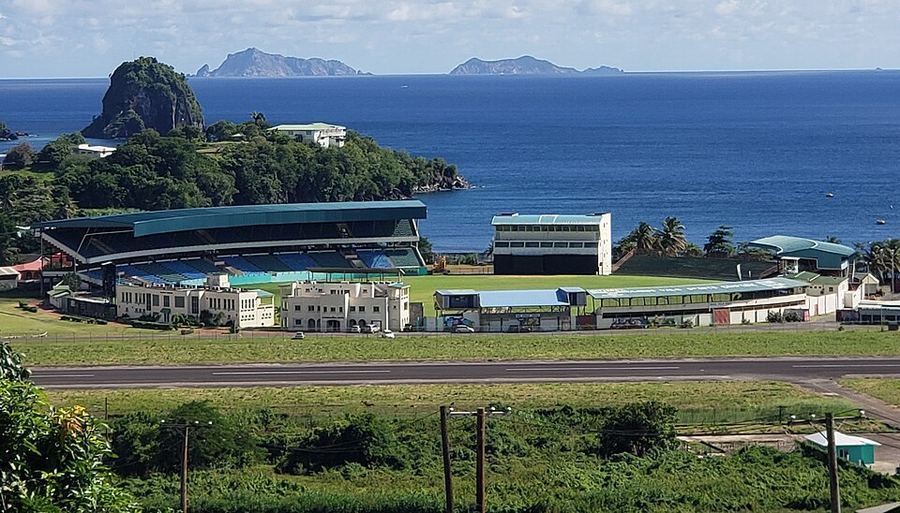
Cricket is the national sport, played from village grounds to the Arnos Vale Playing Field, and Vincentian players progress through the Windward Islands team into West Indies selection. Football is the most widely played sport by participation, organised by the Saint Vincent and the Grenadines Football Federation, whose national side is known as Vincy Heat and plays at Arnos Vale. Netball is the leading women's team sport, with strong school and club competition, and athletics, volleyball, basketball and boxing all have national associations. Sailing occupies a place in Saint Vincent and the Grenadines that it does not in most Caribbean states: the Grenadines are a world-class cruising ground, and local racing — from the Bequia Easter Regatta with its traditional workboat and double-ender classes to the Canouan and Union Island regattas — is a genuine national sporting tradition rather than a visitor attraction. Rowing and swimming events form part of the regatta programmes. School sport is the principal development pathway, and the country's athletes typically continue their training and education at universities in the United States or in Trinidad and Jamaica.

Notable Educational Programs

Education is free and compulsory at primary level and literacy is high. The country's most publicised achievement in this field was the extension of secondary school places to every primary school leaver, which the government declared achieved in the mid-2000s under a universal access to secondary education programme — a significant step for a state where secondary places had previously been rationed by competitive examination at eleven. Pupils sit the regional Caribbean Examinations Council examinations at secondary level. The Saint Vincent and the Grenadines Community College, formed by amalgamating the technical college, teachers' college, nursing school and the sixth-form division, provides post-secondary and associate-degree study, and the University of the West Indies Open Campus delivers degree programmes locally, with most students seeking full degrees at the university's campuses in Barbados, Trinidad or Jamaica, or abroad. An unusual feature of the education economy is the presence of offshore medical schools serving mainly North American students in and around Kingstown, which bring foreign exchange and clinical teaching capacity. Scholarship programmes with Cuba, Taiwan and other partners send substantial numbers of Vincentians abroad for medical and technical training.

Wars & Conflicts

Saint Vincent and the Grenadines has no armed forces and no history of conflict as an independent state; internal security is handled by the Royal Saint Vincent and the Grenadines Police Force, which includes a coast guard and a paramilitary Special Services Unit, and the country participates in the Regional Security System of the eastern Caribbean. Its formative conflicts are historical. The two Carib wars of 1769-73 and 1795-97 pitted the Garifuna against British forces and ended in military defeat, the death of Chatoyer and the mass deportation of the Garifuna population to Central America — an episode that Vincentian and Garifuna organisations describe as ethnic cleansing and that anchors current claims for historical redress. Labour unrest during the Depression produced riots in Kingstown in 1935, part of a wave across the British Caribbean that led to the growth of trade unions and the beginnings of self-government. Shortly after independence, in December 1979, an armed uprising on Union Island was suppressed with assistance from Barbados. Since then the country's security concerns have been criminal rather than political — narcotics trafficking through the island chain, firearms and a rising homicide rate — alongside disaster response.
Current as of 2026-08-07

Land & Border Disputes

Saint Vincent and the Grenadines has no territorial dispute with any neighbouring state, and its land borders do not exist; maritime delimitation in the crowded waters of the Lesser Antilles has largely been handled through bilateral agreement. Its most persistent international disagreements are of other kinds. At the International Whaling Commission the country holds a small aboriginal subsistence quota allowing Bequian whalers to take a limited number of humpback whales each year using traditional open-boat methods, a permission repeatedly challenged by conservation organisations and by some member states and defended by Saint Vincent as a matter of cultural right and of the sovereign equality of small states. The country is one of the small number of states that maintains formal diplomatic relations with Taiwan rather than the People's Republic of China. It has been prominent in two collective claims: the CARICOM demand for reparations from European states for slavery and the genocide of Indigenous Caribbean peoples, a cause Prime Minister Gonsalves has argued forcefully, and the campaign by small island developing states for loss and damage finance and for treating climate change as an existential security question, given added force by the destruction Hurricane Beryl caused in the Grenadines in 2024.
Land, Life & Legacy

Land & Climate

Saint Vincent, the main island, is volcanic, steep and green, about 29 kilometres long, with a mountainous spine running its length and a coastline of black-sand beaches, sheer cliffs and deep bays. At its northern end stands La Soufrière, an active stratovolcano rising to roughly 1,234 metres, whose crater lake and forested flanks are a major hiking destination and whose eruptions in 1812, 1902, 1979 and April 2021 have repeatedly forced the evacuation of the north. The Grenadines to the south are a very different landscape: low, dry, coral-fringed islands with white sand and turquoise shallows, of which Bequia, Mustique, Canouan, Mayreau and Union Island are inhabited and the Tobago Cays are protected reef. The climate is tropical maritime with a dry season from December to May and a wet season from June to November that coincides with the Atlantic hurricane season. Hurricanes are the country's other great hazard: Hurricane Beryl struck as a major hurricane on 1 July 2024 and destroyed the overwhelming majority of buildings on Union Island, Canouan and Mayreau. Rainfall on the volcanic interior supports rainforest, rivers and waterfalls including Dark View Falls and the Falls of Baleine.

Entertainment

Cricket is played on every level patch of ground and followed with the intensity common across the eastern Caribbean, with the Arnos Vale ground outside Kingstown the national venue. Football, netball, basketball and volleyball fill school and community leagues. The sea is the other centre of recreation: the Grenadines draw yachts from around the world, and local sailing is a serious sport, with the Bequia Easter Regatta the largest event of the year and traditional workboat racing part of the programme. Snorkelling and diving at the Tobago Cays, fishing, and beach days at Villa, Indian Bay and Princess Margaret Beach are standard. On the main island, hiking is a national pastime — the climb to La Soufrière's crater from either the windward or leeward side is a rite of passage, and the Vermont Nature Trail is walked for a chance of seeing the Saint Vincent parrot. Carnival preparation and participation occupy months, and Nine Mornings in December brings whole communities out before dawn. Domino tables, rum shops, church activities and the beach are the everyday texture of Vincentian leisure.

Art & Museums

The oldest art in the country is Kalinago rock carving: petroglyphs cut into boulders at Layou, Barrouallie, Buccament and elsewhere on Saint Vincent, with spiral and face motifs, form one of the better collections of pre-Columbian rock art in the Lesser Antilles. The island's most distinctive living craft is on Bequia, where model boat building developed out of the shipwright and whaling trades into a precise miniature art — hulls carved from gommier and cedar, rigged and painted to represent local schooners, whaleboats and racing yachts — practised in workshops in Port Elizabeth and collected internationally. Scrimshaw, basketry from wild pineapple fibre, coconut and calabash work, and boatbuilding itself continue as craft traditions. Carnival design is the country's largest annual artistic undertaking, with mas camps producing costume and headpiece work at scale. In fine art and letters, the trumpeter and poet Shake Keane published verse alongside his musical career, and Vincentian writers including H. Nigel Thomas and Cecil Browne have built literary careers in the diaspora. The Botanical Gardens carry a separate artistic legacy as the site of botanical illustration commissioned from the eighteenth century onward.
British MuseumSmithsonianUNESCOEncyclopaedia Britannica

Notable People

Joseph Chatoyer, the Garifuna paramount chief killed on Dorsetshire Hill in March 1795 while leading the second Carib war against the British, is the country's sole declared national hero, commemorated every 14 March. Ebenezer Theodore Joshua and Robert Milton Cato led the labour and constitutional politics that carried the colony to independence, Cato becoming the first prime minister in 1979; Sir James Fitz-Allen Mitchell, a Bequian agronomist, governed from 1984 to 2000; and Ralph Gonsalves has been prime minister since 2001 and a prominent regional voice on reparations and climate finance. Ellsworth McGranahan 'Shake' Keane, born in Kingstown in 1927, became one of the most inventive trumpeters in British jazz as a member of the Joe Harriott Quintet and published poetry in both English and Vincentian Creole. Kevin Lyttle took Vincentian soca into the international charts with 'Turn Me On' in 2003. Adonal Foyle, born on Canouan, was selected eighth overall in the 1997 NBA draft and played more than a decade in the league, principally for the Golden State Warriors. The fast bowler Winston Davis played Test and one-day cricket for the West Indies in the 1980s, and Kineke Alexander represented the country in the 400 metres at four Olympic Games.

Inventions & Breakthroughs

Saint Vincent and the Grenadines is a very small country and does not have a record of industrial invention, but it has contributed distinct technologies and adaptations. The Garifuna developed the cultural and material toolkit of a new people, combining Kalinago cassava processing — grating, pressing out the toxic liquid through a woven tube and baking the flour into flat bread — with African agricultural and fishing practice and Kalinago canoe building, and their language, which is Arawakan in core vocabulary with Carib and African layers, is itself a notable linguistic formation. Bequia's whalers took the New England technique of the nineteenth century and adapted it to local conditions with double-ended open sailing boats, hand-thrown harpoons and no motorised support, a method still practised under a small aboriginal subsistence quota, and the same shipwright skills produced the island's schooner-building and model-making trades. Saint Vincent was for much of the twentieth century the world's leading producer of arrowroot starch, and developed the milling and settling process that made it commercially viable; the starch found industrial uses well beyond the kitchen, including in specialist paper coatings. The Botanical Gardens of 1765 were themselves an institutional innovation, created as a scientific station for the transfer of economic plants between hemispheres.

Science & Technology

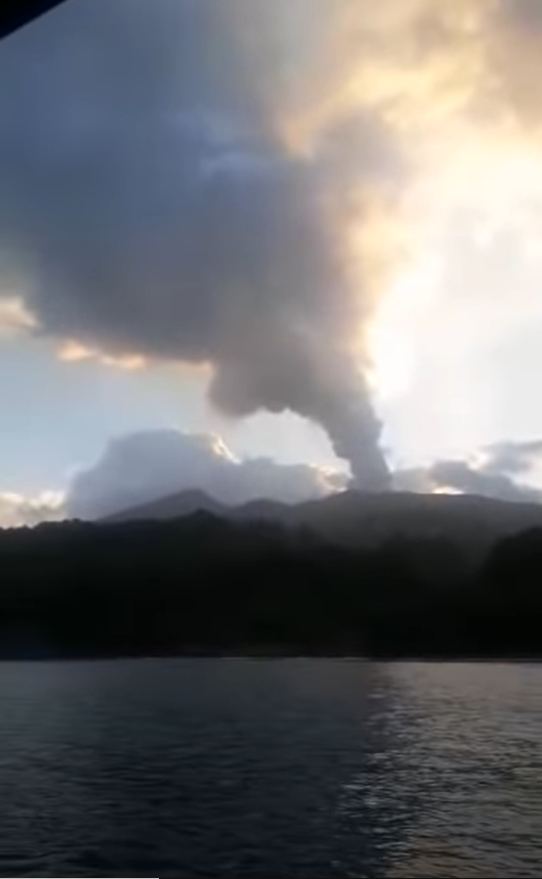
The dominant scientific activity in the country is volcano monitoring. La Soufrière is instrumented and watched by the University of the West Indies Seismic Research Centre, and the eruption sequence that began with lava dome growth in late 2020 and turned explosive on 9 April 2021 was tracked in detail, allowing an evacuation of roughly twenty thousand people from the northern districts before the major explosions and producing a well-documented case study in eruption forecasting and ashfall impact. Hurricane and coastal hazard science has similar practical weight after Beryl in 2024, and the country is an active participant in regional early-warning and climate-resilience programmes. Conservation science focuses on the Saint Vincent parrot, endemic to the island's forests and the subject of a long-running recovery programme, and on the Tobago Cays Marine Park, where reef and turtle monitoring is carried out. The Botanical Gardens founded in 1765 remain a working institution and were originally a node in the imperial network for transferring economic plants, receiving Bligh's breadfruit in 1793. Geothermal potential on the flanks of La Soufrière has been explored with international financing, and solar generation has been added to reduce dependence on imported diesel.
NatureScienceUNReutersBBC
On The World Stage

Champions & Defining Moments

Saint Vincent and the Grenadines has competed at the Summer Olympic Games since Seoul in 1988, entering small teams principally in athletics and swimming, and has not yet won an Olympic medal; the sprinter Kineke Alexander, a four-time Olympian over 400 metres, has been the country's most consistent international track athlete. The country also competes at the Commonwealth Games and at the Pan American and Central American and Caribbean Games. Its cricketers reach the highest level through the West Indies, and Vincentians including the fast bowler Winston Davis in the 1980s and, more recently, Obed McCoy have played international cricket for the region; Arnos Vale has hosted West Indies one-day internationals. In football, Vincy Heat qualified for the CONCACAF Gold Cup in 1996, the country's high point in the regional game, and competes in World Cup and Nations League qualifying. Basketball provided the country's most prominent professional athlete in Adonal Foyle, a first-round NBA draft pick in 1997 who played over 600 games in the league. Sailing crews from the Grenadines compete in regional regattas across the eastern Caribbean.

IOCOlympediaFIFACommonwealth Games FederationBBC
Economy, Trade & Government

Currency & GDP

East Caribbean Dollar — XCD ($)

GDP (PPP): $1.883 billion (2024 est.)

Per capita: $18,700 (2024 est.)

Exports

$425.182 million (2024 est.)

ships, wheat flours, animal food, shellfish, construction vehicles (2023)

Partners: Croatia 16%, Barbados 14%, USA 10%, St. Lucia 10%, St. Kitts & Nevis 8% (2023)

Imports

$641.179 million (2024 est.)

ships, refined petroleum, wheat, coal, poultry (2023)

Partners: USA 37%, Italy 7%, Trinidad & Tobago 7%, China 6%, UK 6% (2023)

Government

Type: parliamentary democracy under a constitutional monarchy; a Commonwealth realm

Independence: 27 October 1979 (from the UK)

Terrain → Where People Live

How mountains, coasts, and rivers shape settlement (LandScan).

Coming — data

Migration & Ethnic Settlement

Where groups settled and how people move (GeoEPR + UNHCR).

Coming — data

Universities

Notable institutions, mappable as points.

Coming — data
Economy & government facts: CIA World Factbook (public domain), via OpenFactBook / factbook.json.
Every fact and narrative claim will carry a visible source citation. Data-driven sections light up automatically wherever HERA has coverage.