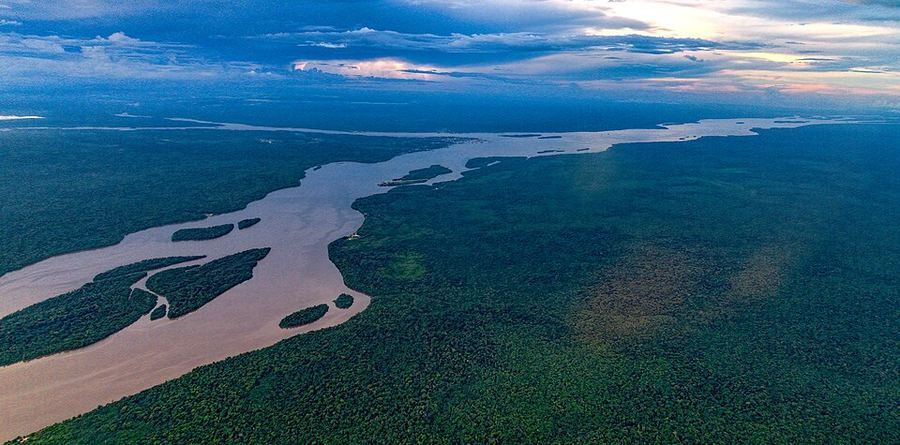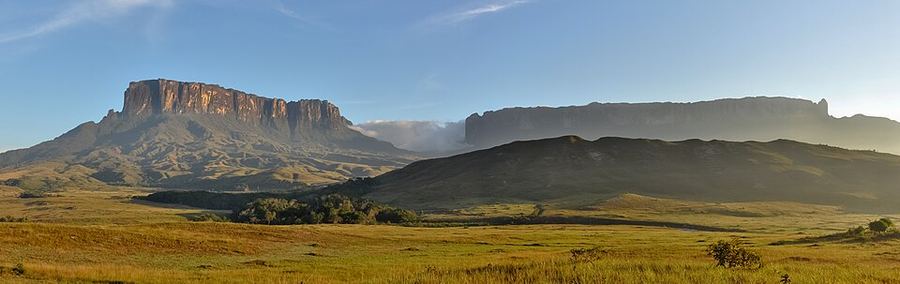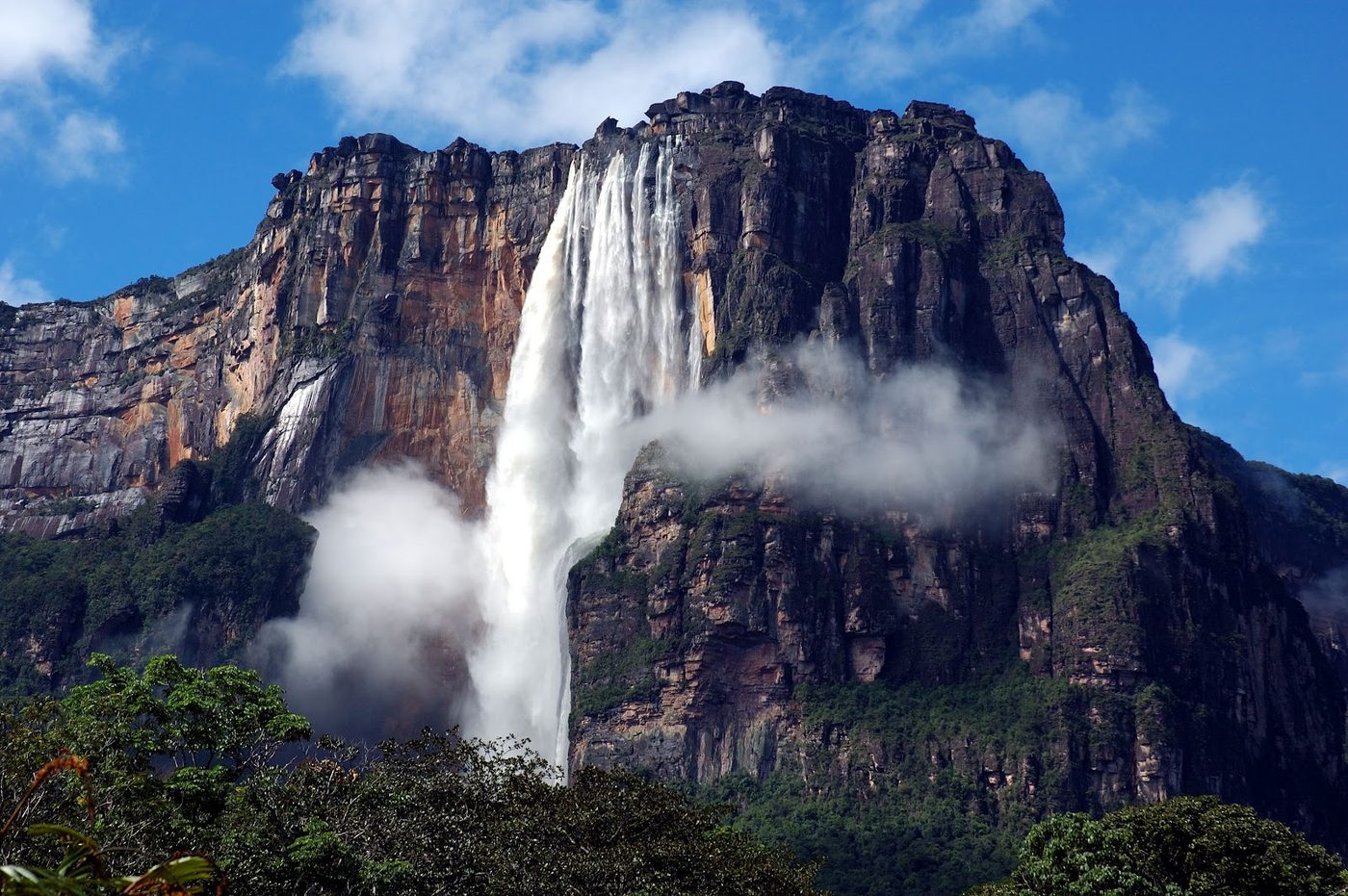
Venezuela occupies the northern shoulder of South America, with roughly 2,800 kilometres of Caribbean coastline, the northern tip of the Andes, the vast grassland plains of the Llanos, and the ancient sandstone tablelands of the Guiana Highlands in the southeast. Its population is around 31.8 million, overwhelmingly Spanish-speaking and heavily urbanised along the northern mountain arc, with Caracas set in a valley behind the coastal range. Venezuela declared independence from Spain on 5 July 1811, the first Spanish American territory to do so, and is constitutionally a federal presidential republic. It holds the largest proven crude oil reserves of any country, and oil has dominated its economy and politics for a century — funding a democratic era after 1958, financing the Bolivarian government elected in 1998 under Hugo Chávez, and then collapsing. Since 2014 Venezuela has undergone one of the deepest peacetime economic contractions ever recorded, with hyperinflation, the near-ruin of the state oil company, international sanctions and a humanitarian emergency, and close to eight million people have left the country — the largest displacement crisis in the Americas. Roughly half the population is Roman Catholic and about a third Protestant. Nicolás Maduro has been president since 2013, and the presidential election of July 2024 was disputed at home and abroad.
Caracas's urban core is home to about 2,990,177 people.
That's bigger than Rome and Amsterdam — each a great world city in its own right.
Among the world's megacities, though, it's one of many — the giants of Asia and Latin America run larger still:
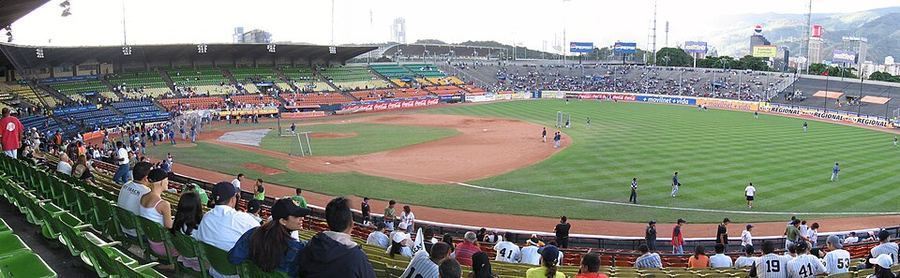
Venezuela's first Olympic gold came at Mexico City in 1968, when Francisco Rodríguez won the light-flyweight boxing title. Rubén Limardo won the individual épée at London in 2012, and at the Tokyo Games held in 2021 Yulimar Rojas won the women's triple jump with a world record leap, having already established herself as the dominant athlete in her event; Venezuela also took weightlifting and BMX freestyle medals at those Games. In baseball, Venezuelans have been prominent in Major League Baseball for decades: Luis Aparicio became the first Venezuelan inducted into the Hall of Fame, Miguel Cabrera won the Triple Crown in 2012 — the first player to do so in forty-five years — and reached three thousand hits, and Omar Vizquel, Félix Hernández, José Altuve and Ronald Acuña Jr have all been among the best in the sport. Venezuela has won the Caribbean Series repeatedly. In football, the Vinotinto's best result was fourth place at the 2011 Copa América, and the country has never qualified for a World Cup. Venezuelan basketball players have reached the NBA, and the national team won the FIBA AmeriCup in 2015.
VEB — VEB (None)
GDP (PPP): $110.943 billion (2023 est.)
Per capita: $4,900 (2023 est.)
$83.401 billion (2018 est.)
crude petroleum, petroleum coke, scrap iron, alcohols, fertilizers (2023)
Partners: USA 50%, China 10%, Spain 9%, Brazil 6%, Turkey 5% (2023)
$18.432 billion (2018 est.)
refined petroleum, soybean meal, corn, plastic products, vehicle parts/accessories (2023)
Partners: China 35%, USA 24%, Brazil 12%, Colombia 7%, Turkey 4% (2023)
Type: federal presidential republic
Independence: 5 July 1811 (from Spain)
How mountains, coasts, and rivers shape settlement (LandScan).
Coming — dataWhere groups settled and how people move (GeoEPR + UNHCR).
Coming — dataNotable institutions, mappable as points.
Coming — data