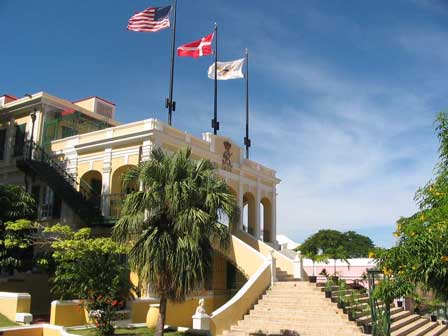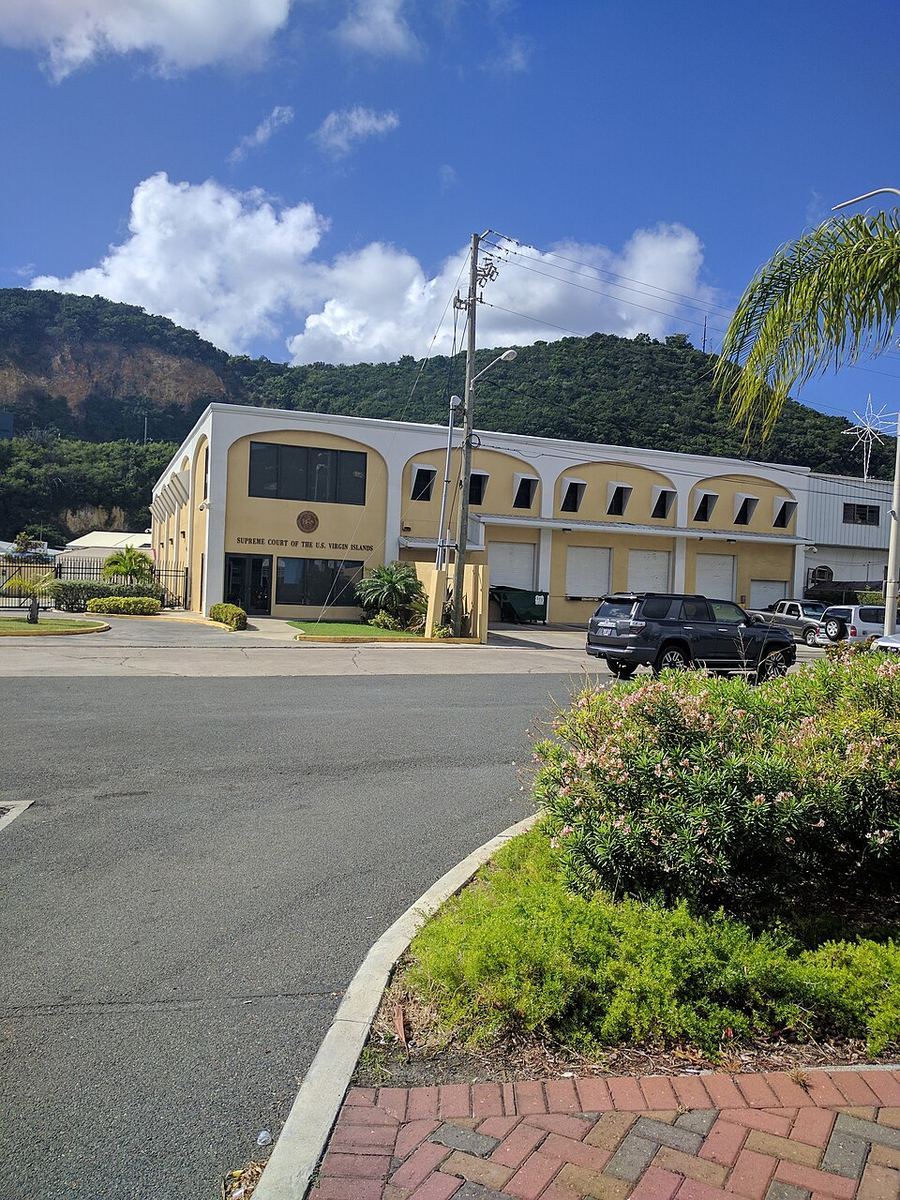
HERA · Human Entity Reference Atlas by Masego Inc

← U.S. Virgin Islands 🌐 3D View
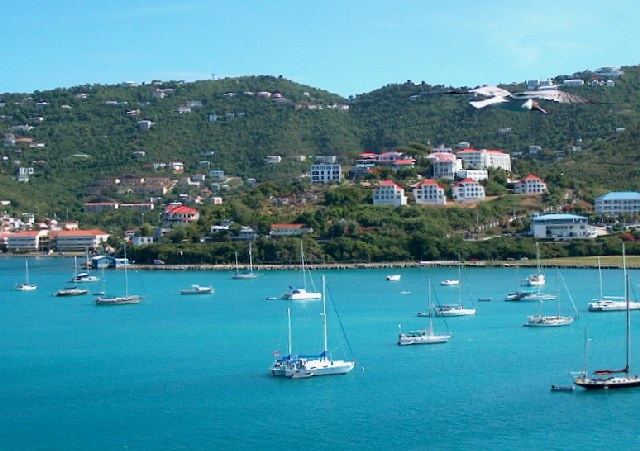
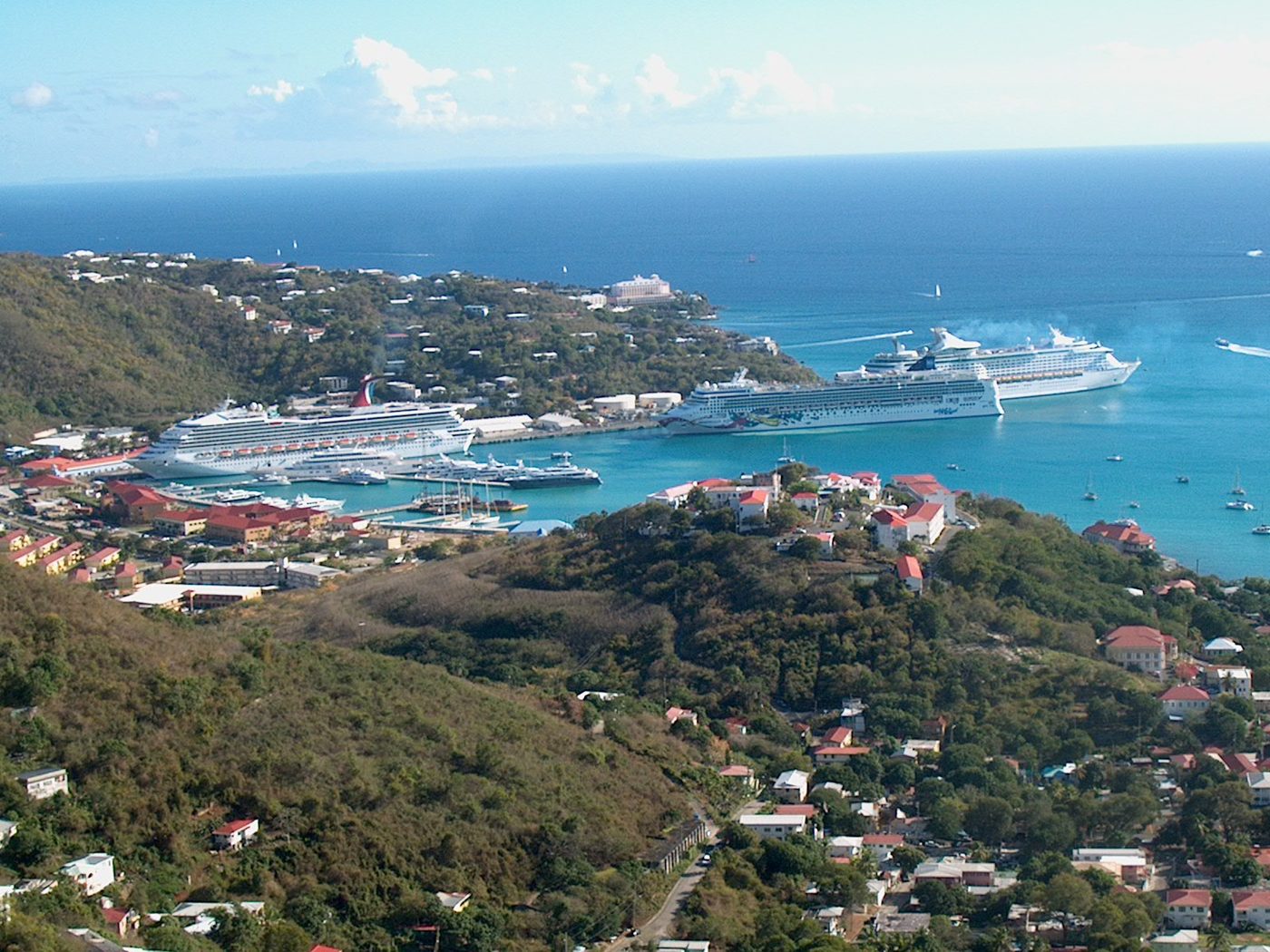
Charlotte Amalie Saint Thomas harbor, U.S. Virgin Islands
U.S. Virgin Islands VIR
Charlotte Amalie Saint Thomas harbor — Photo: OldPine / Public domain via Wikimedia Commons
Did You Know The United States bought the islands from Denmark in 1917 for $25 million in gold, largely to keep Germany from acquiring a submarine base near the approaches to the Panama Canal. — Encyclopaedia Britannica

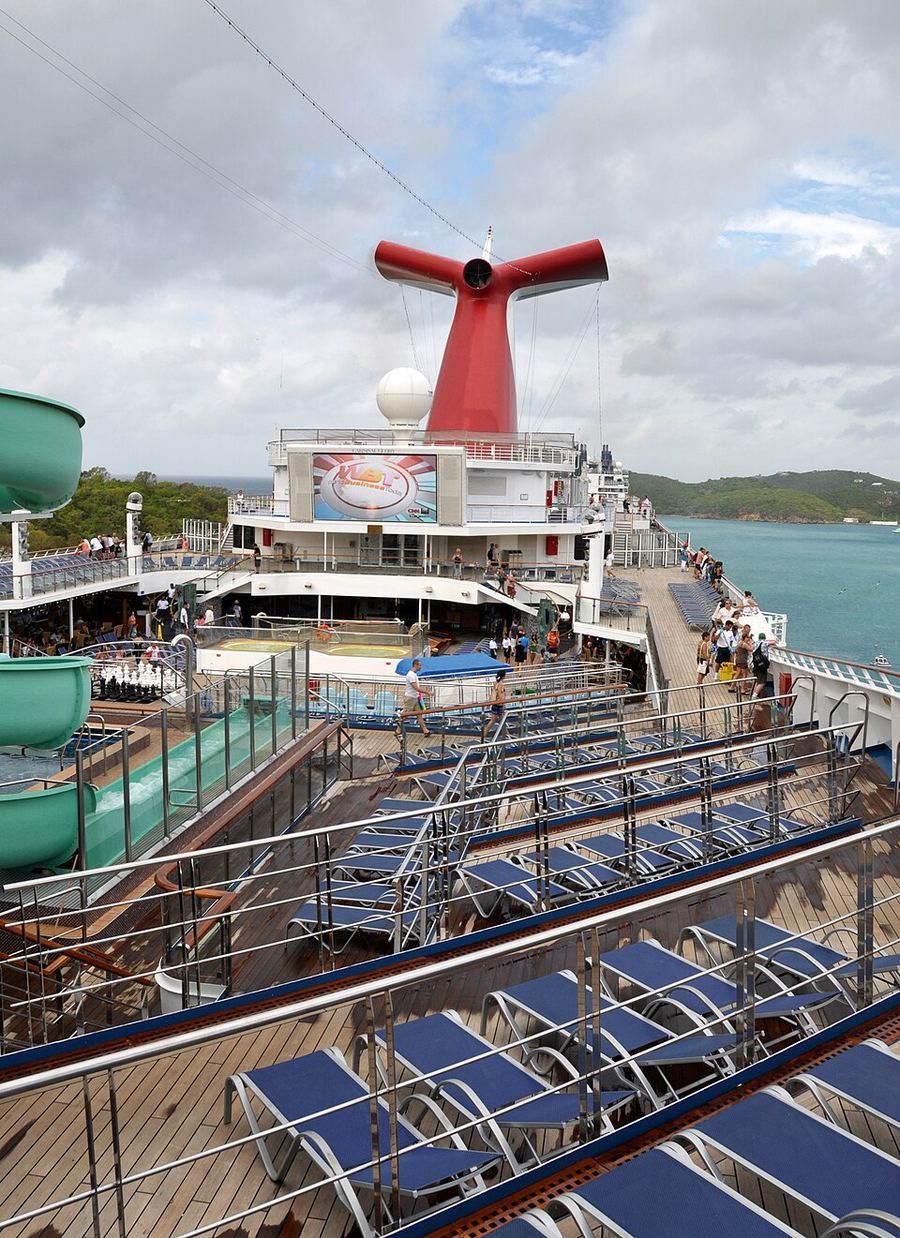
The United States Virgin Islands are an unincorporated organized territory of the United States in the northern Lesser Antilles, comprising three main islands — Saint Croix, Saint Thomas and Saint John — together with Water Island and dozens of cays, and home to about 104,000 people. The capital, Charlotte Amalie on Saint Thomas, grew around one of the finest deepwater harbours in the eastern Caribbean and is today one of the region's busiest cruise ports. The territory was Danish for two and a half centuries before the United States bought it in 1917 for $25 million in gold, a purchase driven by the wish to deny Germany a submarine base near the approaches to the Panama Canal. Residents are United States citizens who elect their own governor and legislature and send a non-voting delegate to the House of Representatives, but cannot vote for president while resident in the territory. English is the language of about 72% of households, with substantial Spanish and French Creole minorities, and roughly 71% of the population is of African descent. Tourism and rum dominate the economy.

CIA World FactbookEncyclopaedia Britannica
Population
103,792
Capital
Charlotte Amalie
Currency
Time zones
Largest city
Human Geography Themes
Loading national figures…
The Country & Its People

History

Ciboney, Arawak-speaking Taíno and later Kalinago peoples occupied the islands before European contact. Columbus reached Saint Croix on his second voyage in 1493, anchoring at Salt River Bay — the only site under the present United States flag where he is known to have landed, now protected as a national historical park. The Danish West India Company settled Saint Thomas in 1672 and Saint John in 1718, and bought Saint Croix from France in 1733, building a sugar economy on the labour of enslaved Africans. That same year enslaved Akwamu people on Saint John seized the island in one of the earliest sustained slave revolts in the Americas, holding it for months before French troops from Martinique helped suppress the rising. Emancipation came on 3 July 1848, when Moses Gottlieb, known as General Buddhoe, led thousands to Frederiksted and Governor-General Peter von Scholten declared all unfree in the Danish West Indies free rather than fire on the crowd. Wage conditions after emancipation provoked the Fireburn labour revolt of 1878 on Saint Croix, led by women remembered as the Queens. The United States took possession on 31 March 1917, still marked as Transfer Day; citizenship followed in 1927, an elected governor in 1970.
Culture

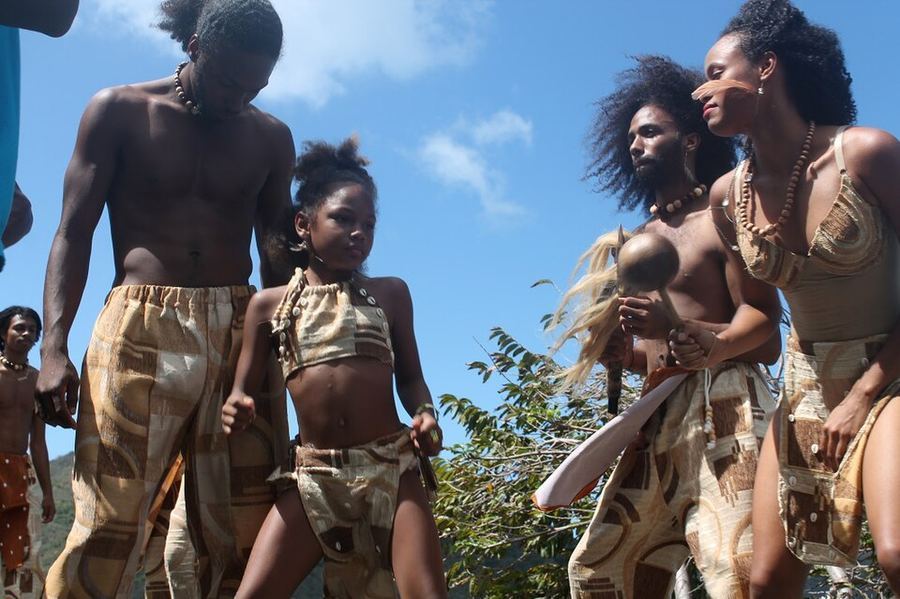
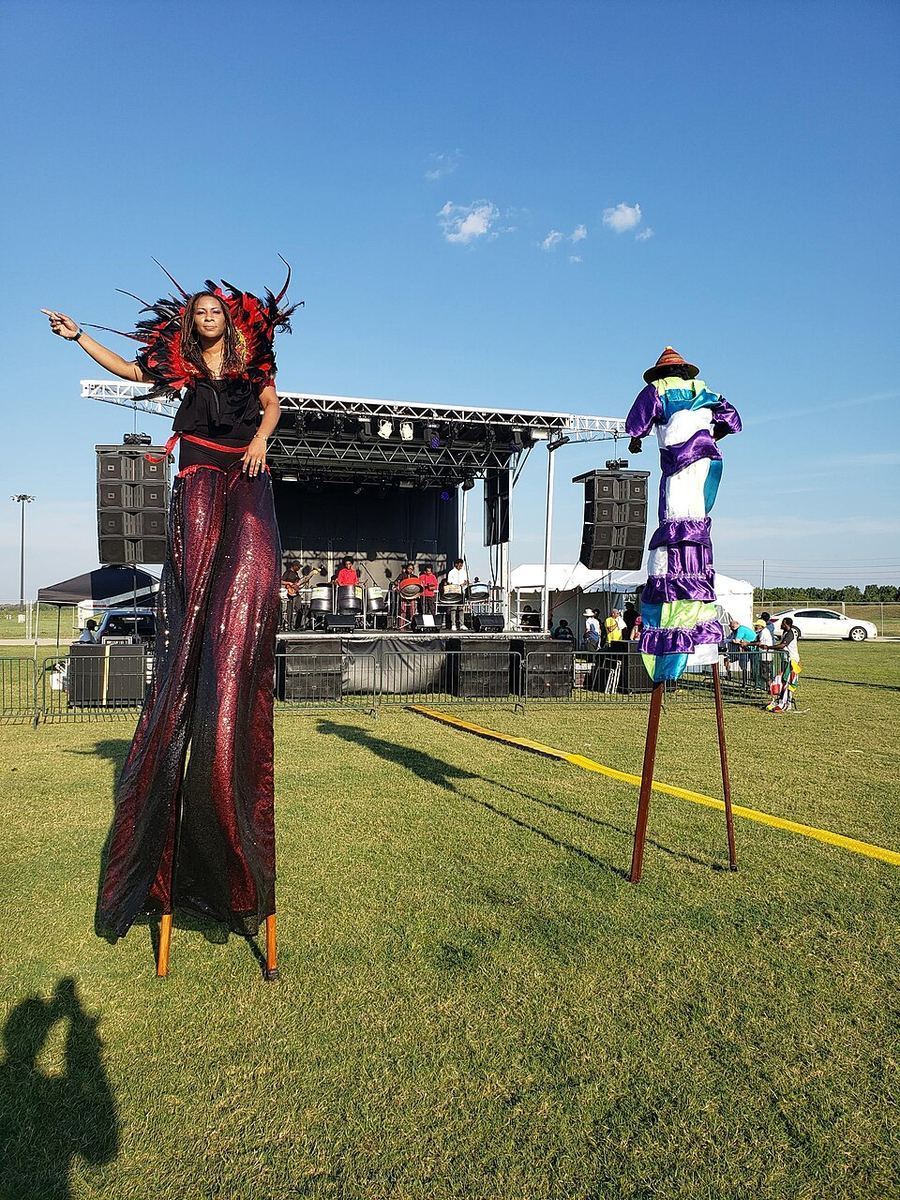
Virgin Islands culture is Afro-Caribbean at its core, layered over Danish colonial institutions and, since 1917, American ones. Islanders distinguish between Crucian identity on Saint Croix and Saint Thomian identity on the northern islands, differences of accent, festival calendar and rivalry that residents take seriously. Virgin Islands Creole English, an English-lexifier creole spoken alongside standard English, carries much of the humour and proverb tradition. Protestant denominations account for about two thirds of religious affiliation, a legacy of Danish Lutheran and Moravian missions — the Moravians in particular educated and baptised enslaved people from the 1730s — with Roman Catholics making up a further quarter. Festival is the organising event of the year and comes three times: Carnival on Saint Thomas after Easter, the Saint John Festival around the Fourth of July, and the Crucian Christmas Festival running from December into January. Presiding over all of them are moko jumbies, stilt dancers whose West African antecedents made them guardian spirits able to see trouble coming, and whose revival is now taught formally to schoolchildren.

Points Of Pride

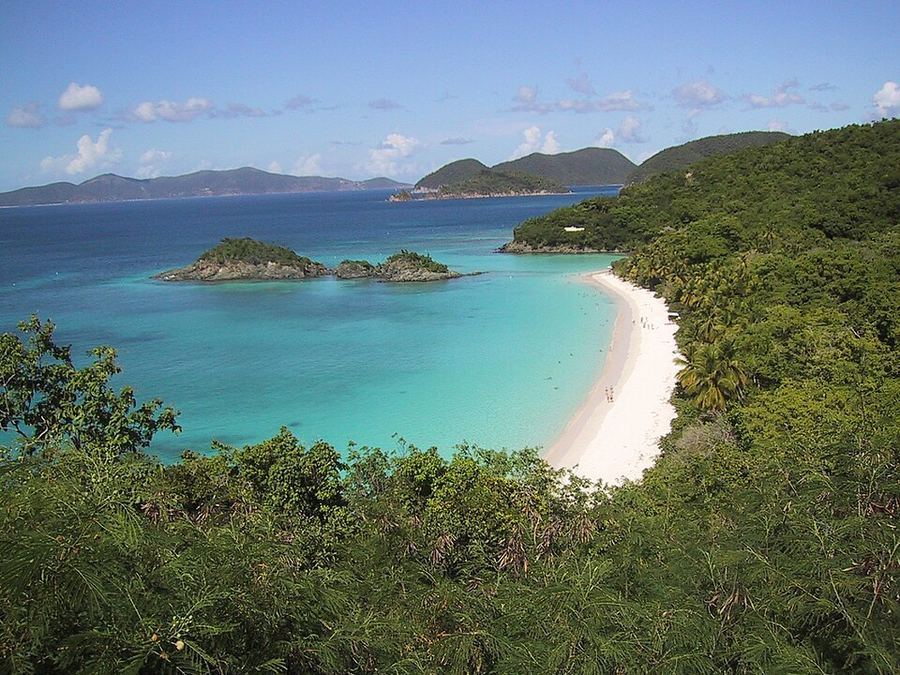
Virgin Islands National Park covers roughly two thirds of Saint John, created in 1956 after Laurance Rockefeller bought and donated the land, and its Trunk Bay carries one of the world's first underwater snorkelling trails. Offshore from Saint Croix, Buck Island Reef National Monument was proclaimed in 1961 to protect an elkhorn coral barrier reef. Islanders point with pride to the emancipation of 1848, achieved by the enslaved themselves marching on Frederiksted rather than granted from Copenhagen, and to the Fireburn of 1878, whose leaders are commemorated as Queen Mary, Queen Agnes and Queen Mathilda. Quelbe, the scratch-band music of the islands, was designated the official music of the territory by the legislature. Camille Pissarro, a founding figure of Impressionism, was born on Main Street in Charlotte Amalie in 1830. And the territory holds an Olympic distinction that few places its size can claim: it competes under its own flag, and won a sailing silver medal at the 1988 Games.

Cultural Fusion

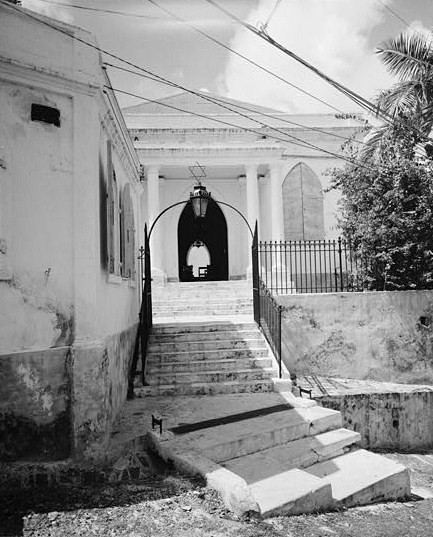
Few Caribbean societies have absorbed as many administrations as these islands: Spanish claim, Dutch, English and French settlement attempts, two and a half centuries of Danish rule, and more than a century as an American territory. Danish left its mark on the map and the street plan — Christiansted, Frederiksted, Charlotte Amalie, and the Kongens and Dronningens Gade of the old towns — while the churches remain Moravian, Lutheran, Anglican and Catholic. The Sephardic Jewish community of Saint Thomas, which built the synagogue of Beracha Veshalom Vegmiluth Hasidim in 1833 with a sand floor in the Caribbean manner, produced Pissarro and once made up a substantial share of the merchant class. Twentieth-century migration reshaped the population again: Puerto Rican families settled heavily on Saint Croix, giving the island a Spanish-speaking community that is about 17% of the territory today, and arrivals from Saint Kitts, Antigua, Dominica, Saint Lucia and Haiti brought French Creole and other Eastern Caribbean traditions. Roughly 13% of residents are white, many of them continental Americans who arrived after the war.

Music & Dance

Quelbe, also called fungi music after the cornmeal dish, is the territory's traditional string-band form and its official music. Its instrumentation is a study in improvisation from what was available: banjo or ukulele and guitar for melody, a gourd scraped with a wire fork, a steel triangle, and — most distinctively — a length of automobile tailpipe blown as a bass horn, joined in modern bands by saxophone. The lyrics are satirical, often built on local scandal and gossip, and the tradition descends from the coded commentary of enslaved and newly freed communities. Bamboula, a drum-and-dance form of direct West African descent, was suppressed under Danish ordinance and survives mainly in revival. Cariso, a call-and-response song form carried by women, preserved the memory of events like the Fireburn. On top of these sit the pan-Caribbean forms that dominate the festival calendar — calypso, soca and steel pan, with fiercely contested calypso monarch competitions at each of the three annual festivals — and, at their centre, the moko jumbies dancing several feet above the crowd.

Cuisine & Misattributed Foods

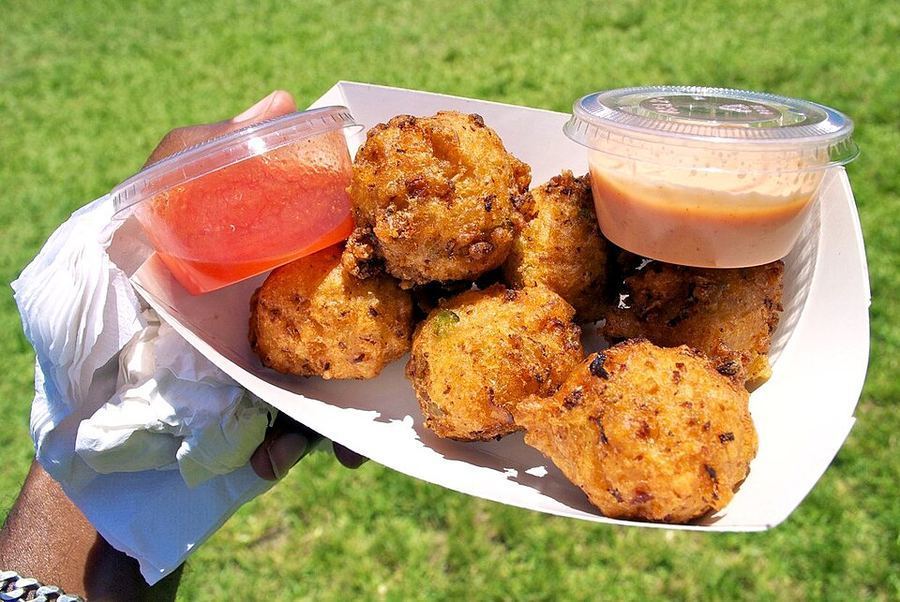
The starch that anchors a Virgin Islands plate is fungi, cornmeal cooked stiff with okra and butter and served with fish, most classically boiled or stewed and finished in a broth. Kallaloo, a thick soup of leafy greens with crab, salt meat and okra, is the celebration dish, eaten at Christmas and at Emancipation observances. Salt fish and johnnycake — fried rather than baked here — make up the traditional breakfast, and pâtés, fried turnovers filled with salt fish, conch or beef, are the standard street food. Conch appears in butter sauce and in fritters, and goat and oxtail stews are common. Sweet dishes include red grout, a cassava-thickened guavaberry or prune dessert, and tarts of gooseberry and coconut. The drinks are distinctive: maubi, fermented from the bark of a local tree with ginger and spices; bush teas; and guavaberry liqueur, which is specifically a Christmas drink. Saint Croix has distilled rum since the eighteenth century, and Cruzan Rum and a large Captain Morgan distillery on the island make rum the territory's leading manufactured export.

National Dress

The traditional dress of the Virgin Islands is built around madras, the brightly checked cotton that circulated through the Caribbean from India by way of European trade and was adopted across the Lesser Antilles. Women's traditional dress consists of a long, full skirt over petticoats, a white blouse, and a madras headwrap tied so that the knots and points carry meaning within the local convention, often with a matching apron or shawl; men wear white or light trousers, a shirt and a madras sash or hatband. The costume appears at Transfer Day and Emancipation Day ceremonies, at cultural fairs and in schools' heritage programmes rather than in daily life. Quadrille dancers, who preserve the European set dances that were reworked locally, wear it as their performance dress. Moko jumbie costume is separate and more elaborate, with long trousers covering the stilts, a masked or veiled face and a tall headdress. Carnival troupe costume follows the pan-Caribbean feathered style and is designed anew each year.

Sports & Inspiring Athletes

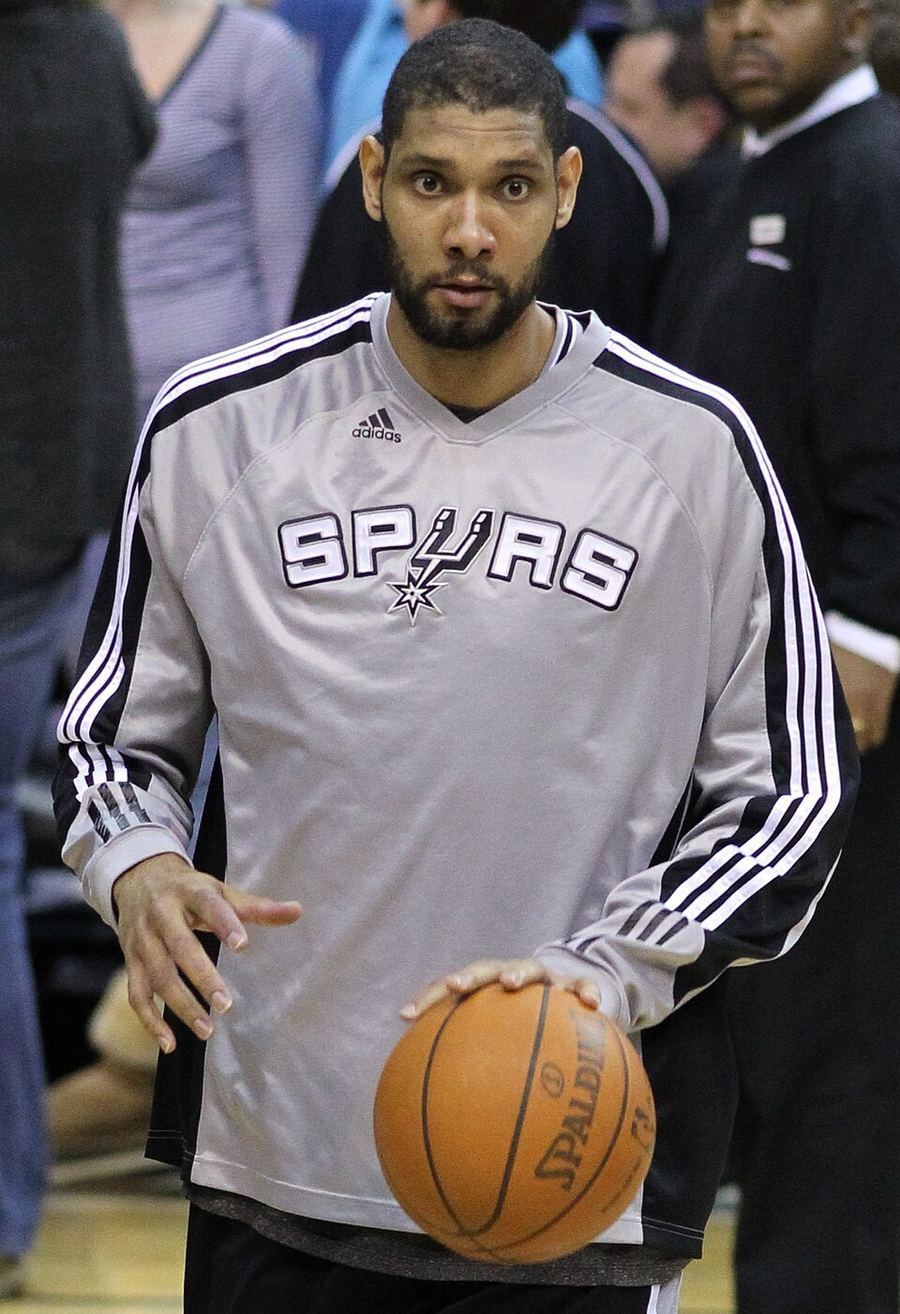
Basketball has the deepest hold, and Tim Duncan's career made the sport the default ambition of a generation of Crucian children. Baseball has a long lineage: Horace Clarke, born in Frederiksted, played nearly a decade at second base for the New York Yankees, and Valmy Thomas and Jerry Browne also reached the major leagues. Cricket remains strong on Saint Croix, reflecting migration from the Eastern Caribbean, and softball leagues are a fixture of community life. The islands' waters make sailing the sport in which the territory has performed best internationally, supported by strong junior programmes at the Saint Thomas Yacht Club, and the annual regattas draw regional fleets. Track and field, swimming and boxing all have territorial federations. Facilities have been a recurring constraint — the destruction of the territory's only Olympic-size swimming pool by Hurricane Hugo in 1989 is the reason its most famous athlete stopped swimming — and hurricane damage to schools and stadiums in 2017 set programmes back again.

Notable Educational Programs

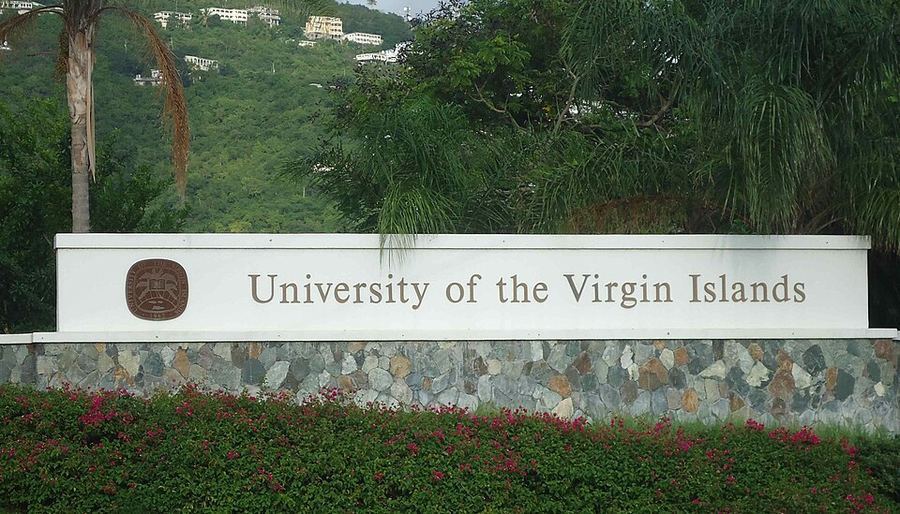
The University of the Virgin Islands is the territory's public university, founded in 1962 as the College of the Virgin Islands with campuses on Saint Thomas and Saint Croix; it is one of the few historically black colleges and universities located outside the continental United States. Its research strength is in marine and environmental science, through a centre that studies coral reef ecology, fisheries and the effects of warming and storms on the surrounding reef systems, and it also trains most of the territory's teachers and nurses. Public schooling is administered by a territorial department of education across two districts, and students take United States standardised assessments; because residents are citizens, graduates have access to mainland federal student aid and universities, which many use, contributing to a long-standing outflow of young people. Post-hurricane reconstruction after 2017 forced years of split-session and modular schooling while campuses were rebuilt, a disruption whose effects on attainment the territory is still working through.

Wars & Conflicts

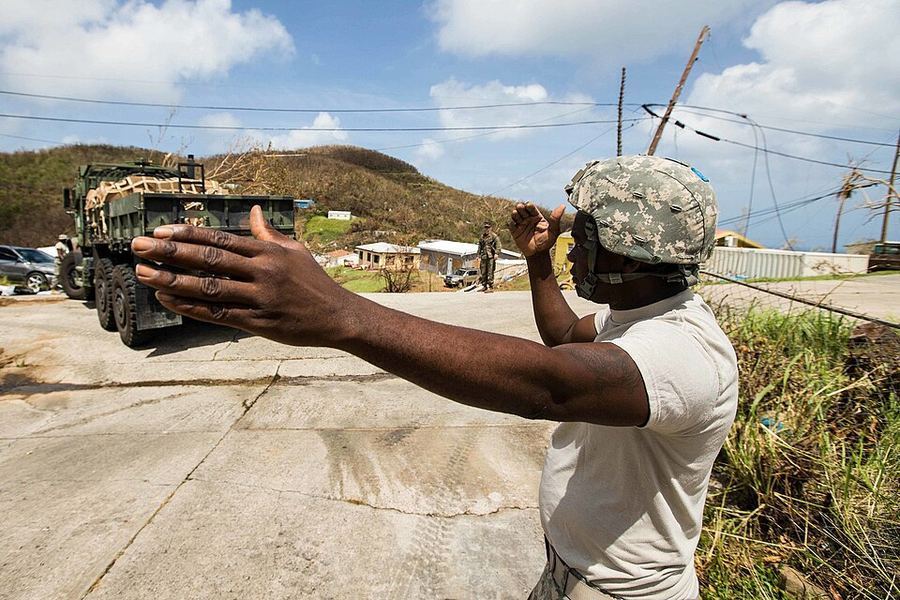
The Virgin Islands have no armed conflict and no defence forces of their own; defence is a United States responsibility and the territory hosts a National Guard. Its historical conflicts were internal and formative: the Saint John insurrection of 1733, in which enslaved Akwamu held the island for months; the march on Frederiksted that forced emancipation in 1848; and the Fireburn labour revolt of 1878, which burned much of Frederiksted and was led by women who remain national figures. The dominant contemporary crisis has been environmental rather than political. Hurricanes Irma and Maria in September 2017 destroyed or damaged a large share of the housing stock, wrecked the electrical grid and both hospitals, and forced medical evacuations to the mainland; recovery funded through federal disaster programmes has run for years. The territory's unresolved political question is its status: constitutional conventions have repeatedly attempted to draft a locally written constitution, and the most recent draft did not proceed, leaving governance under federal organic acts.
Current as of 2026-08-07

Land & Border Disputes

The United States Virgin Islands have no territorial disputes. Their maritime boundary runs with the British Virgin Islands, immediately across a narrow channel to the east and north-east, and was settled by treaty between the United States and the United Kingdom delimiting the boundary in the Caribbean and Atlantic; the line passes through the passage separating Saint John from Tortola, one of the closest international boundaries either country maintains. To the west, the sea boundary with Puerto Rico is a domestic United States matter. Foreign affairs and defence are conducted by the federal government, so the territory does not carry out boundary diplomacy of its own. The live constitutional debates are internal: the absence of a locally drafted constitution, the inability of residents to vote for president while resident in the territory, the non-voting status of their delegate to Congress, and recurring argument over whether the islands should seek statehood, independence, free association or continuation of the present arrangement.
Land, Life & Legacy

Land & Climate

The territory covers only about 346 square kilometres of land spread across a wide stretch of sea at the eastern end of the Greater Antillean shelf. Saint Croix, the largest at roughly 214 square kilometres, lies some 60 kilometres south of the others across a deep trough and is comparatively flat and open, with a fertile central plain that supported the sugar estates and an arid eastern end at Point Udall, the easternmost point under the United States flag. Saint Thomas and Saint John are steep and green, ridges rising directly from the water; Crown Mountain on Saint Thomas is the territory's highest point at about 474 metres. The climate is tropical marine, moderated by trade winds, with temperatures typically in the high twenties Celsius year-round and a wetter season from September to November. The islands sit squarely in the hurricane belt, and Hurricanes Irma and Maria, which struck within two weeks of each other in September 2017, caused catastrophic damage to housing, power and the hospitals. Fresh water is scarce, and rooftop cisterns are required by building code.

Entertainment

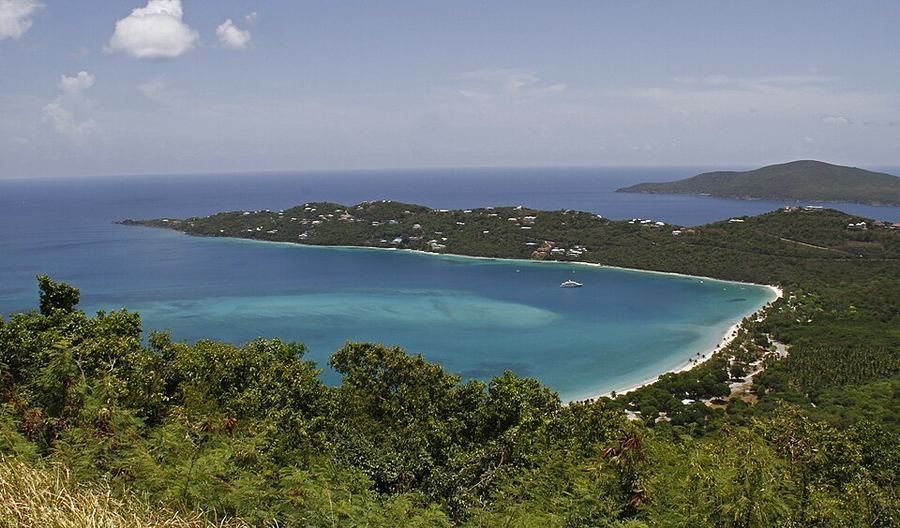
Beaches structure recreation: Magens Bay on Saint Thomas, a long crescent in a sheltered inlet; Trunk Bay and Cinnamon Bay within the national park on Saint John; and the palm-lined stretches of Saint Croix's north shore. The reef systems support diving and snorkelling, with Buck Island's underwater trail off Saint Croix, the wreck-strewn shallows around Saint Thomas, and the wall diving at Cane Bay, where the shelf drops away close to the beach. The islands are a major yacht chartering base, and the passage between Saint Thomas and the British Virgin Islands is one of the most heavily sailed cruising grounds in the world; sport fishing for blue marlin off the North Drop is a long-standing draw. Ashore, hiking the Reef Bay trail past petroglyphs and sugar mill ruins on Saint John, touring the Whim plantation museum and the Christiansted National Historic Site on Saint Croix, and duty-free shopping along Main Street in Charlotte Amalie occupy visitors, while for residents the calendar turns on the three festivals and on cricket, basketball and softball leagues.

Art & Museums

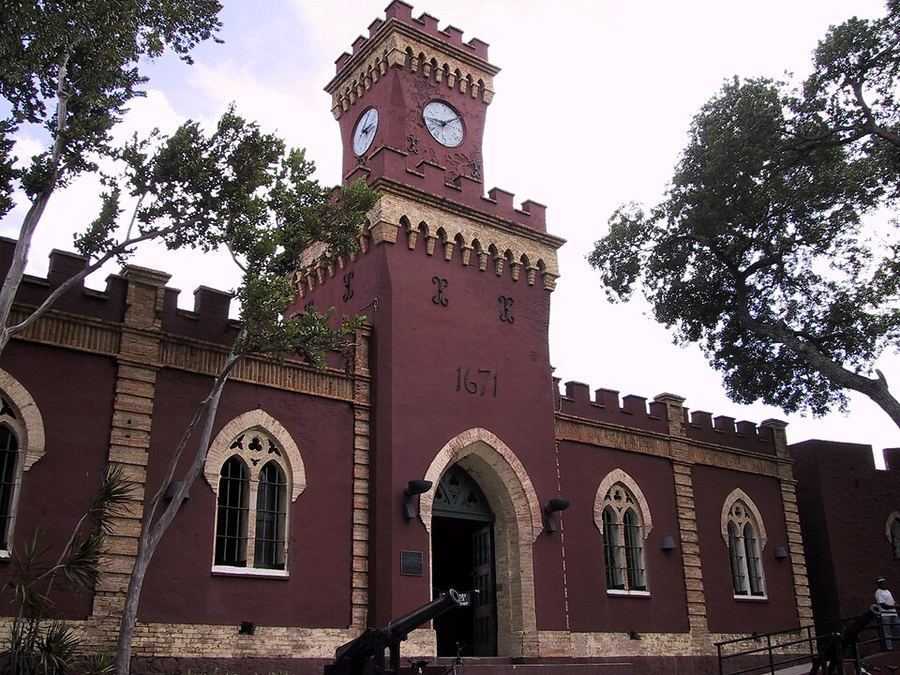
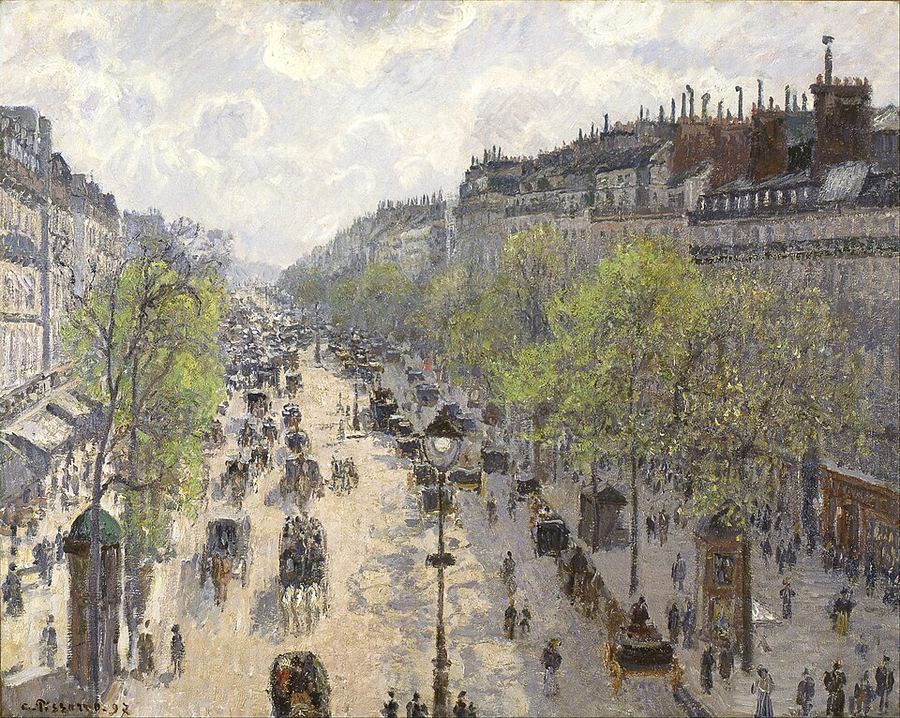
The territory's largest contribution to world art is Camille Pissarro, born Jacob Abraham Camille Pissarro in Charlotte Amalie in 1830 to a Sephardic Jewish family, who left for Paris and became the only painter to exhibit in all eight Impressionist exhibitions and a mentor to Cézanne and Gauguin; his childhood home on Main Street now houses a gallery, and his early Caribbean drawings record the harbour and its people. Locally, the visual tradition runs through printmaking, watercolour of the harbour towns, and craft in materials the islands have: calabash carving, basketry from hoop vine, coconut and mahogany work, and jewellery incorporating Danish colonial motifs. The Whim Museum on Saint Croix preserves a restored great house and its collections, and the Fort Christian museum in Charlotte Amalie occupies the oldest standing structure in the territory. Contemporary artists have worked heavily with the imagery of emancipation, the Fireburn queens and the moko jumbie, and murals commemorating those subjects are prominent in Frederiksted and Christiansted.
Encyclopaedia BritannicaMetropolitan Museum of Art

Notable People

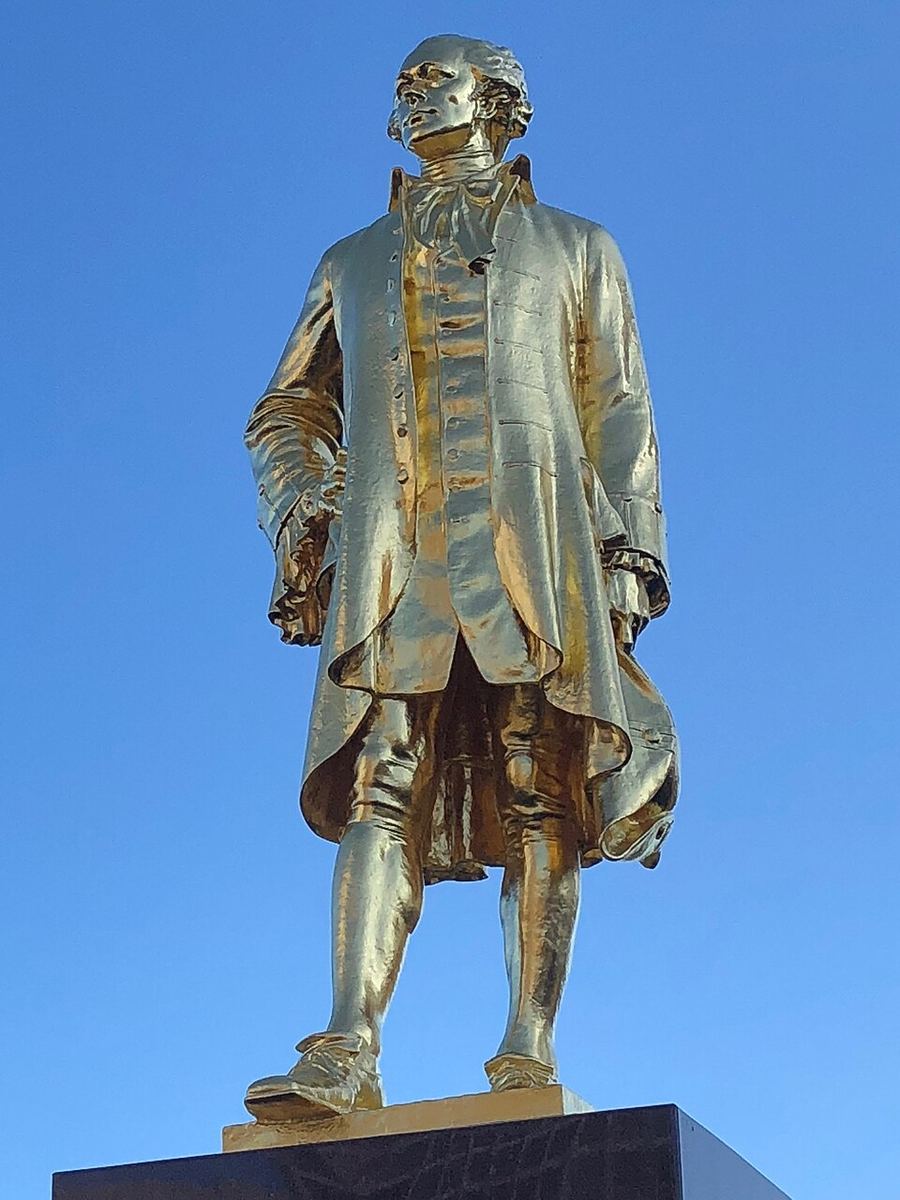
Camille Pissarro, born on Saint Thomas in 1830, is the territory's most celebrated son. Alexander Hamilton spent his adolescence in Christiansted on Saint Croix, working as a clerk for the trading house of Beekman and Cruger, and the letter he wrote describing a hurricane in 1772 impressed local patrons enough that they funded his passage to North America. Edward Wilmot Blyden, born in Charlotte Amalie in 1832, emigrated to Liberia and became one of the founding intellectuals of Pan-Africanism through his writing on African identity and education. Tim Duncan, born in Christiansted in 1976, was a competitive swimmer until Hurricane Hugo destroyed the island's only Olympic-size pool, turned to basketball, and won five NBA championships with the San Antonio Spurs. Peter Holmberg won the territory's Olympic sailing silver in 1988. The actor Kelsey Grammer was born on Saint Thomas in 1955. Queen Mary Thomas, a leader of the 1878 Fireburn, is commemorated in a statue in Copenhagen — Denmark's first public monument to a black woman.
Encyclopaedia BritannicaOlympediaMetropolitan Museum of Art

Inventions & Breakthroughs

The Virgin Islands are not a centre of industrial invention, and the accurate account is one of ingenious adaptation. Quelbe's instrumentation is the clearest example: a bass line blown through a discarded automobile tailpipe, percussion from a dried gourd scraped with a wire, and rhythm from a steel triangle, an ensemble assembled entirely from cast-offs by musicians denied access to manufactured instruments. Building practice produced its own answers to a dry, hurricane-exposed setting — masonry of ballast brick and coral rubble, thick walls, shuttered galleries, and the rooftop cistern system that remains mandatory in the building code because there are no rivers to draw on. The sugar estates left a landscape of windmills adapted to the constancy of the trade winds, several of which survive. In distilling, Saint Croix's rum industry has run continuously since the eighteenth century and today operates at industrial scale, and rum is by a wide margin the territory's leading manufactured export.

Science & Technology

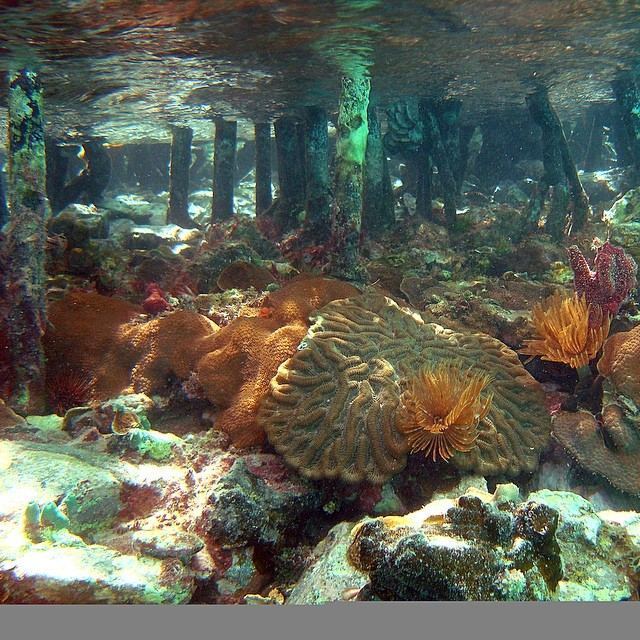
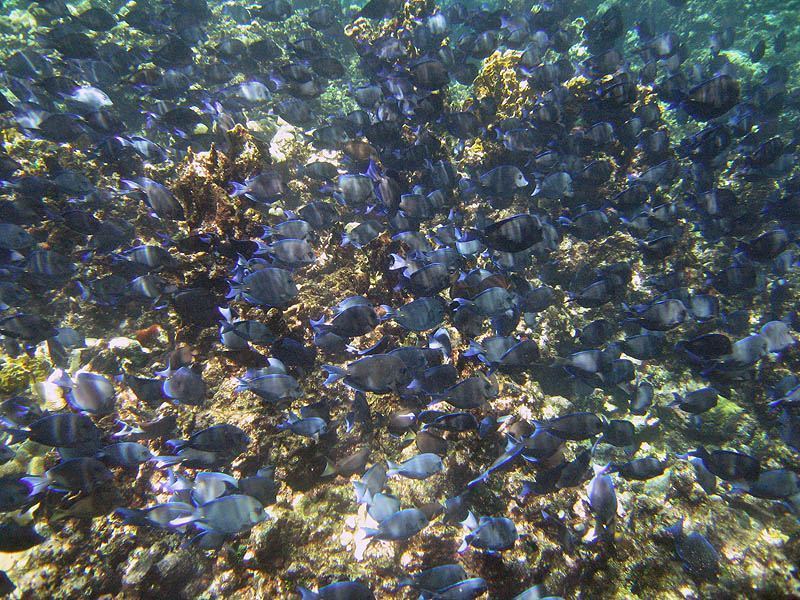
Marine science is the territory's research strength. The University of the Virgin Islands operates a marine science centre on Saint Thomas whose long-term monitoring of reef health, fish populations and coral bleaching feeds regional assessments, and the reefs of Buck Island and the Saint Croix east end are among the more closely tracked in the Caribbean. Saint Thomas also hosts the Etelman Observatory, a small research telescope operated by the university that contributes to rapid follow-up of transient events such as gamma-ray bursts — an unusual capability for a territory of this size, and valuable because of its longitude. Applied science has been driven by necessity since 2017: the rebuilding of the electrical grid has become a testbed for hardened distribution, microgrids and solar with storage, on islands where power is otherwise generated from imported fuel at very high cost. Water technology matters just as much, with desalination supplying public supply and cisterns capturing roof runoff, and the territory participates in Caribbean tsunami and hurricane warning networks.
On The World Stage

Champions & Defining Moments

The United States Virgin Islands compete internationally in their own right despite being a United States territory. The territory's national Olympic committee was recognised in 1967 and the islands first appeared at the Summer Games in 1968, marching under their own flag; they have also entered the Winter Games, most memorably in bobsleigh. Their single Olympic medal is Peter Holmberg's silver in the Finn class dinghy at the 1988 Games in Seoul. The territory fields teams in the Pan American Games and Central American and Caribbean Games, belongs to FIBA and competes in the AmeriCup, and its football association is a member of CONCACAF and FIFA. Because athletes born in the territory are United States citizens, the strongest have a choice of flags: Tim Duncan played for the Virgin Islands national basketball team in regional qualifying before representing the United States at the 2004 Olympics, an option that shapes selection for every sport in which American teams are dominant.

IOCOlympediaFIFA
Economy, Trade & Government

Currency & GDP

GDP (PPP): $4.9 billion (2022 est.)

Per capita: $46,500 (2022 est.)

Exports

$4.549 billion (2022 est.)

refined petroleum, jewelry, recreational boats, watches, rum (2019)

Partners: Haiti 14%, Guadeloupe 7%, Malaysia 7%, Martinique 7%, Barbados 7%, British Virgin Islands 5% (2019)

Imports

$5.058 billion (2022 est.)

refined petroleum, crude petroleum, rubber piping, jewelry, beer (2019)

Partners: India 18%, Algeria 14%, South Korea 9%, Argentina 9%, Sweden 7%, Brazil 5% (2019)

Government

Type: unincorporated organized territory of the US with local self-government; republican form of territorial government with separate executive, legislative, and judicial branches

Independence: none (territory of the US)

Terrain → Where People Live

How mountains, coasts, and rivers shape settlement (LandScan).

Coming — data

Migration & Ethnic Settlement

Where groups settled and how people move (GeoEPR + UNHCR).

Coming — data

Universities

Notable institutions, mappable as points.

Coming — data
Economy & government facts: CIA World Factbook (public domain), via OpenFactBook / factbook.json.
Every fact and narrative claim will carry a visible source citation. Data-driven sections light up automatically wherever HERA has coverage.