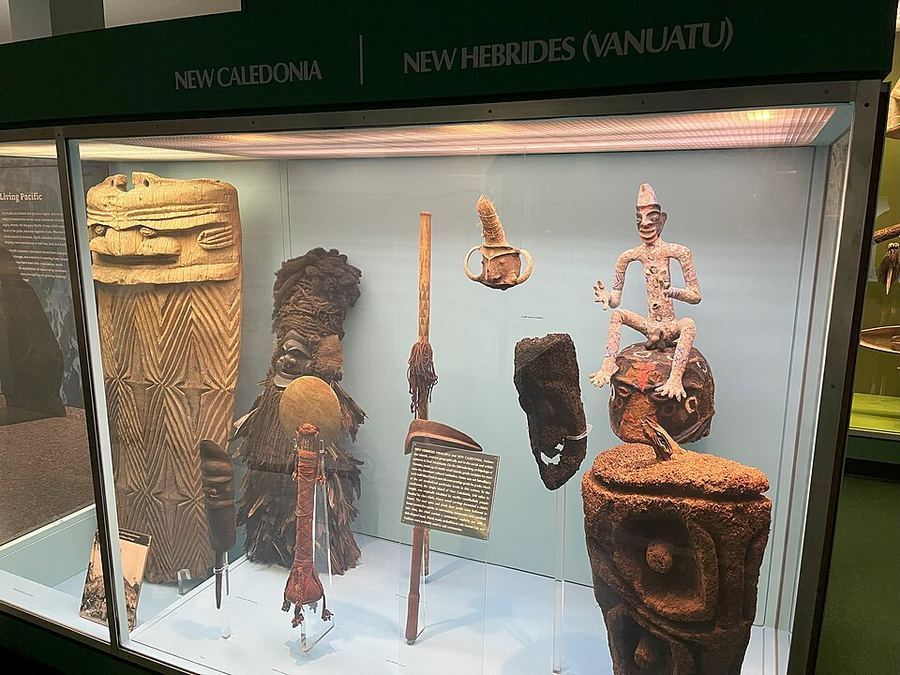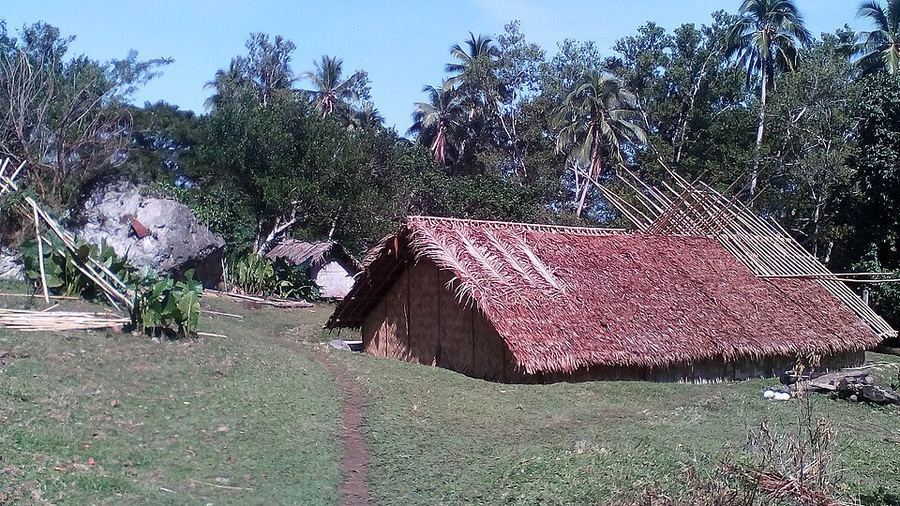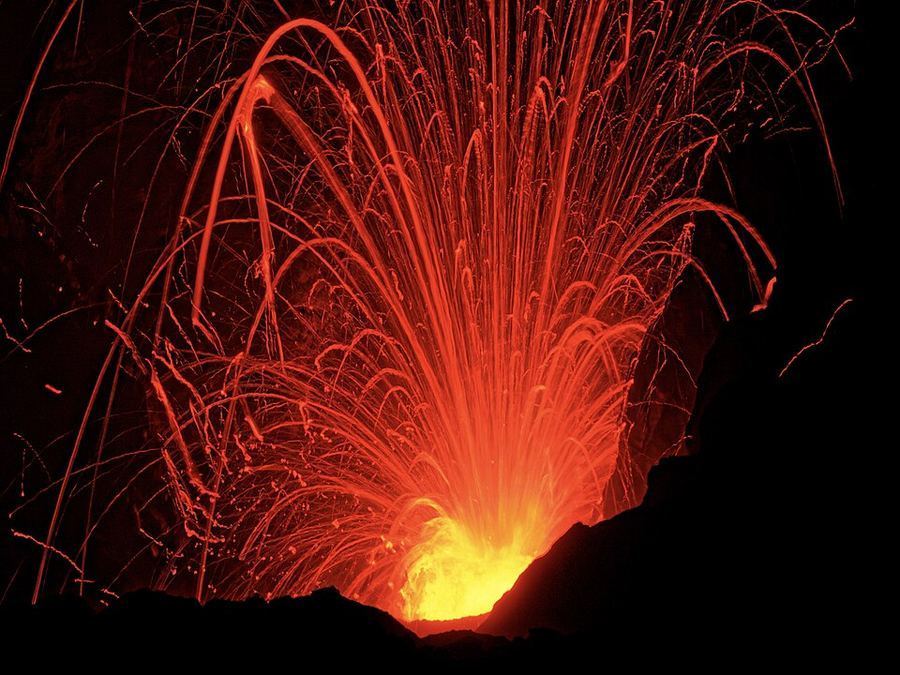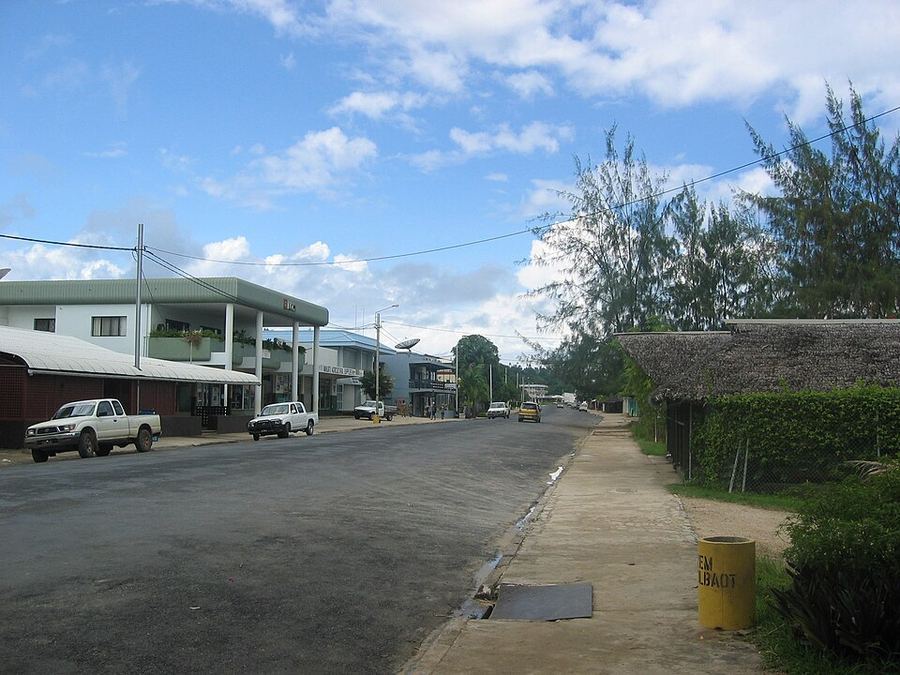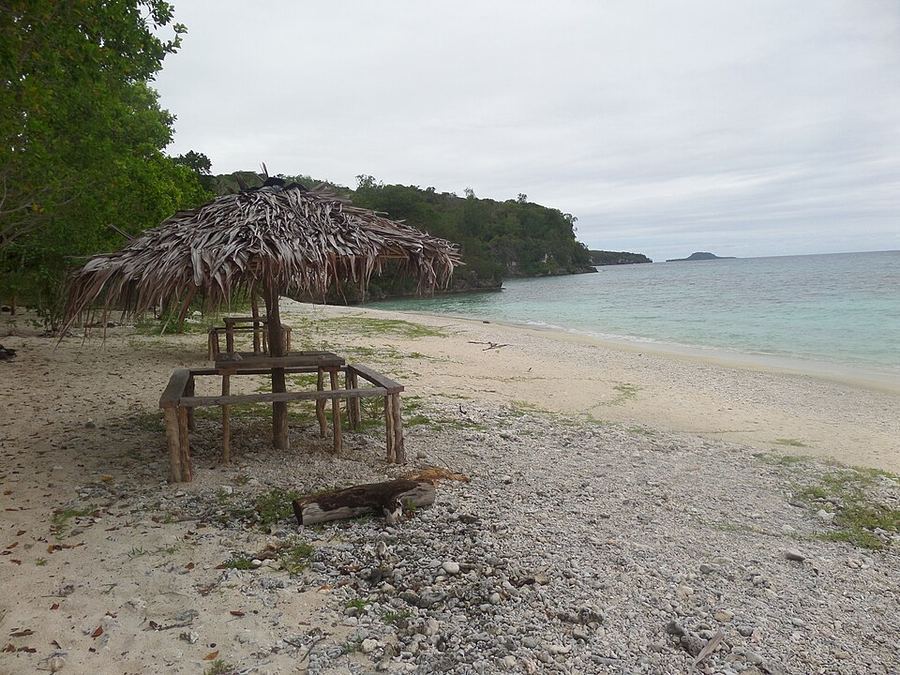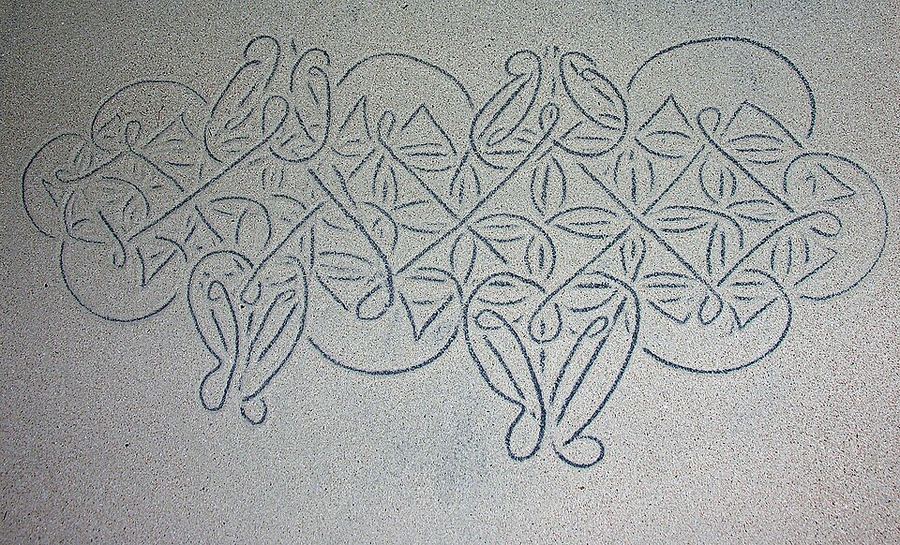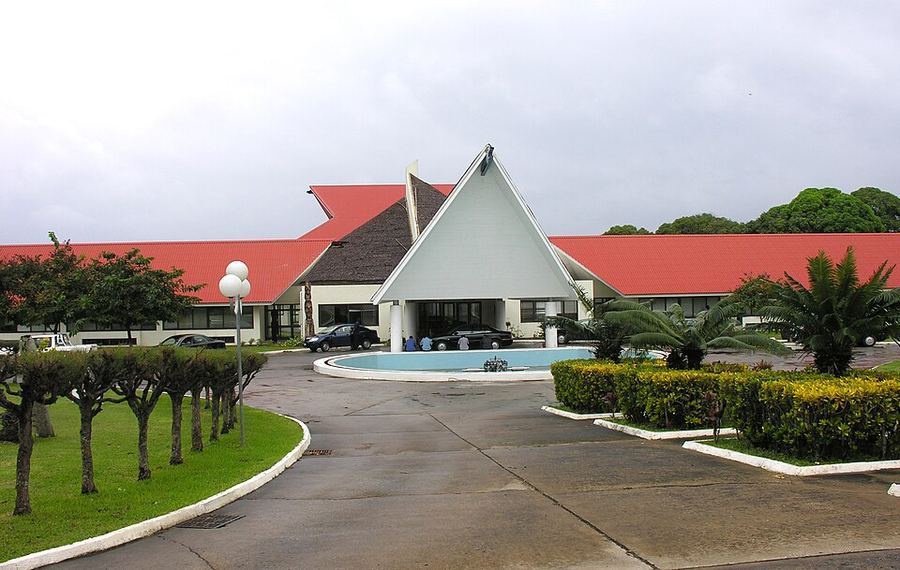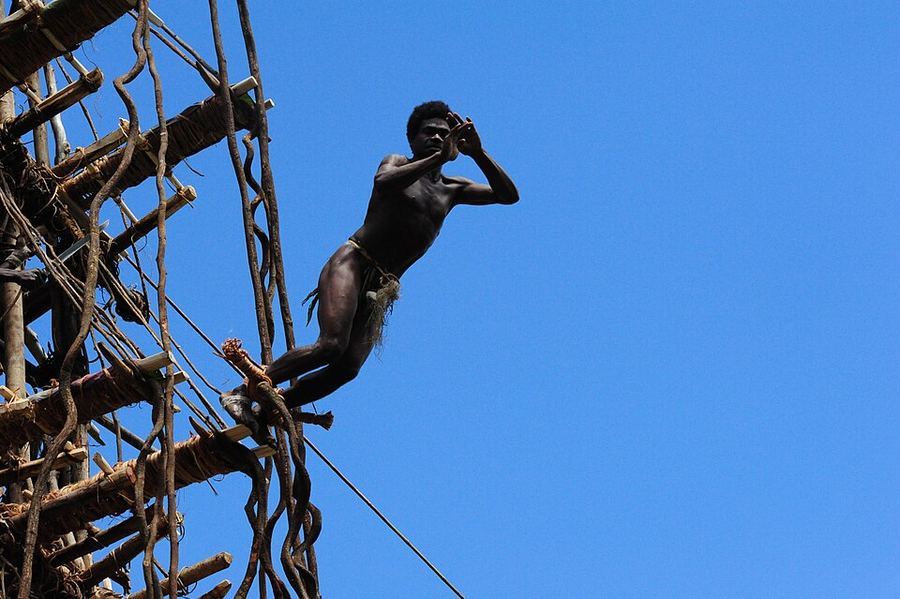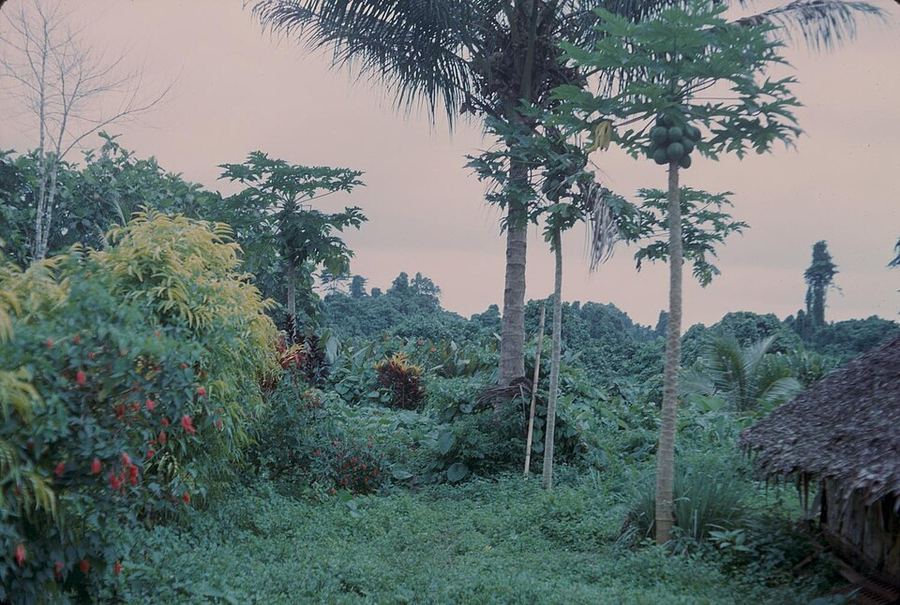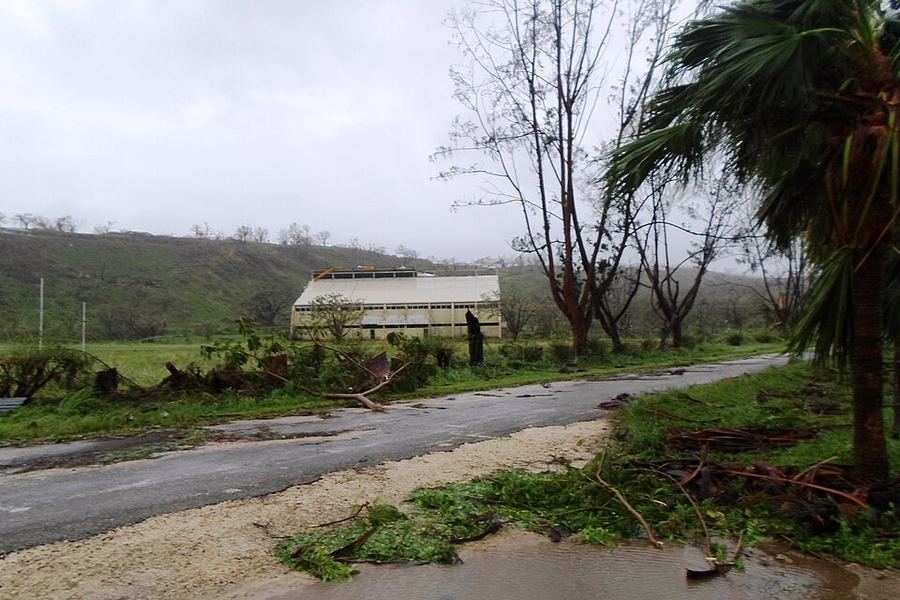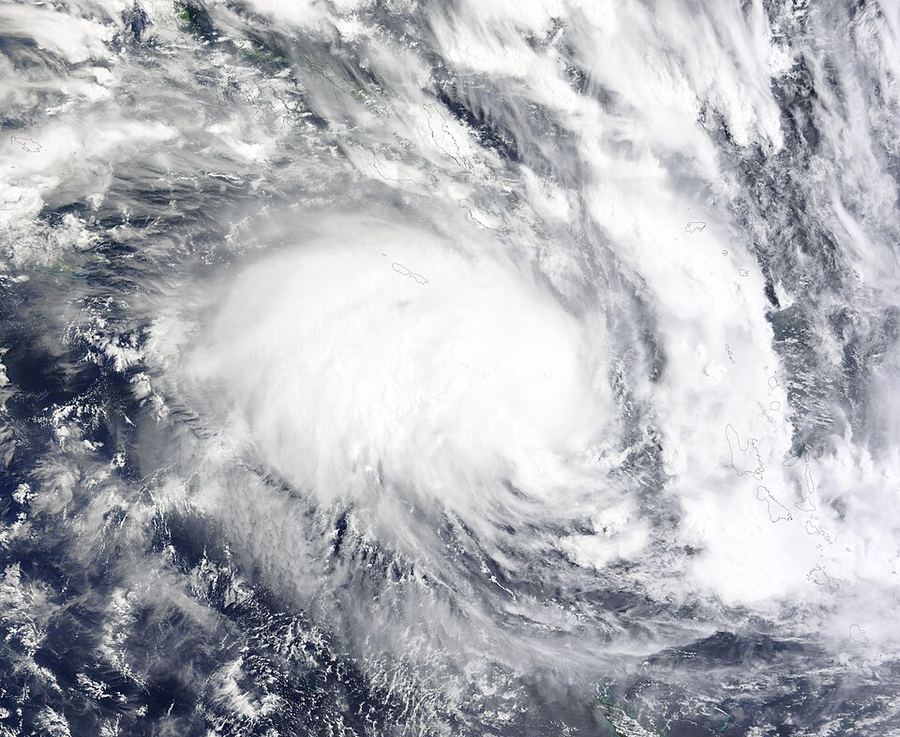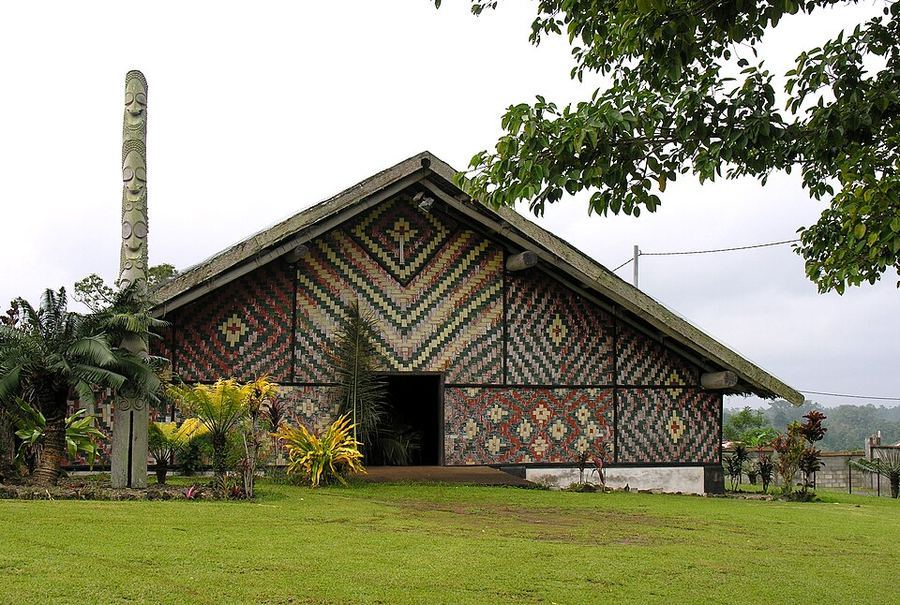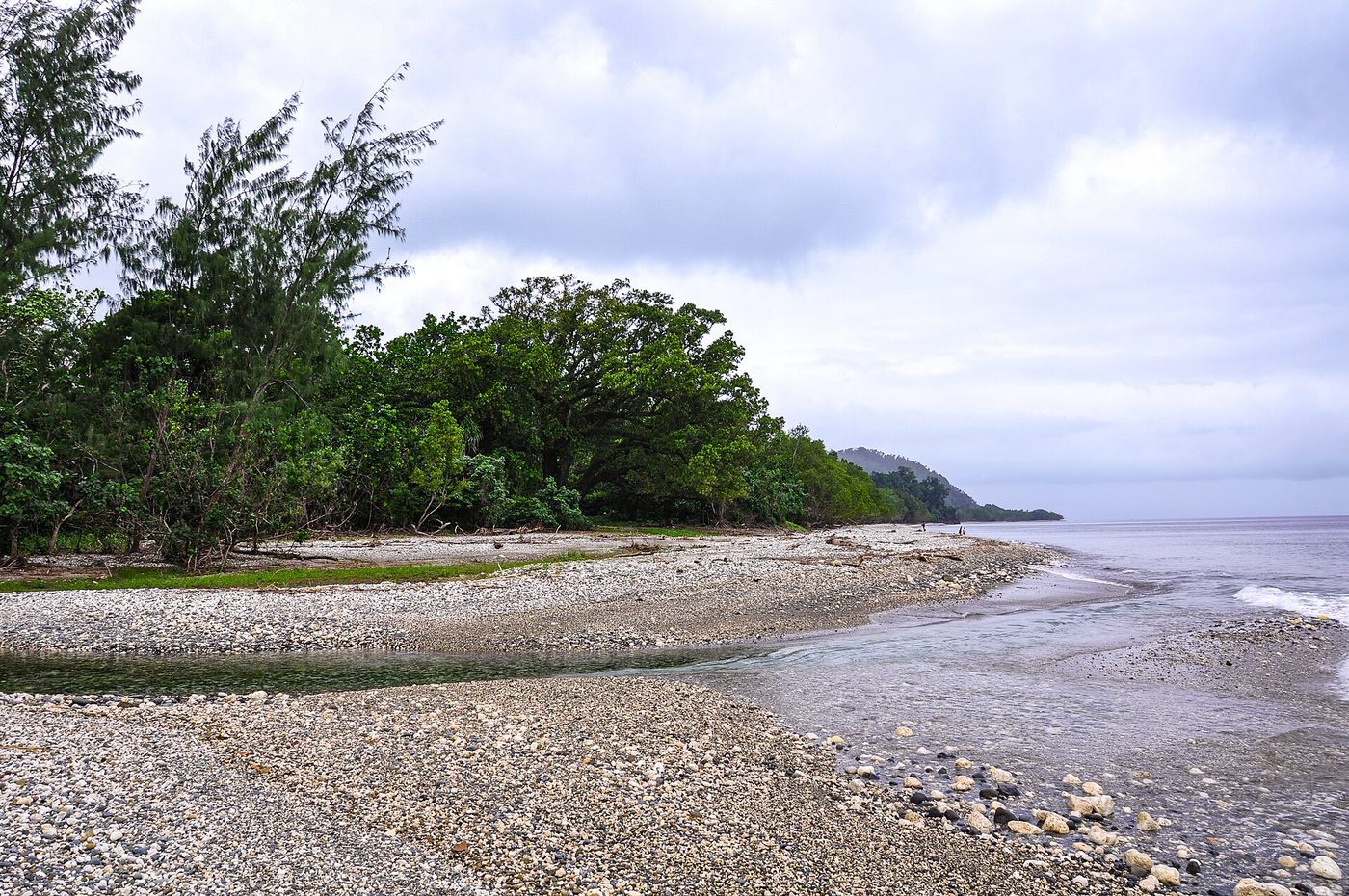
Vanuatu is a Melanesian archipelago of some eighty islands, around sixty-five of them inhabited, running roughly 1,300 kilometres in a rough Y shape through the southwestern Pacific between the Solomon Islands and New Caledonia. About 318,000 people live there, ninety-nine per cent of them ni-Vanuatu, and they speak more than a hundred distinct indigenous languages — the highest density of languages per head of population of any country on earth — unified in practice by Bislama, an English-lexified creole that is an official language alongside English and French. The country was governed from 1906 to 1980 as an Anglo-French Condominium, a shared administration so duplicative that residents called it the Pandemonium, and it became independent on 30 July 1980 as a parliamentary republic. The capital, Port Vila, is on Efate. The economy is small and based on subsistence agriculture, copra, kava, beef, timber, an offshore ship registry, and tourism arriving mainly by cruise ship and from Australia and New Zealand. Vanuatu sits on the Ring of Fire and in the cyclone belt, and has repeatedly been assessed as the country most exposed to natural hazard risk in the world; it has turned that exposure into a diplomatic vocation, leading the campaign that took states' climate obligations to the International Court of Justice.
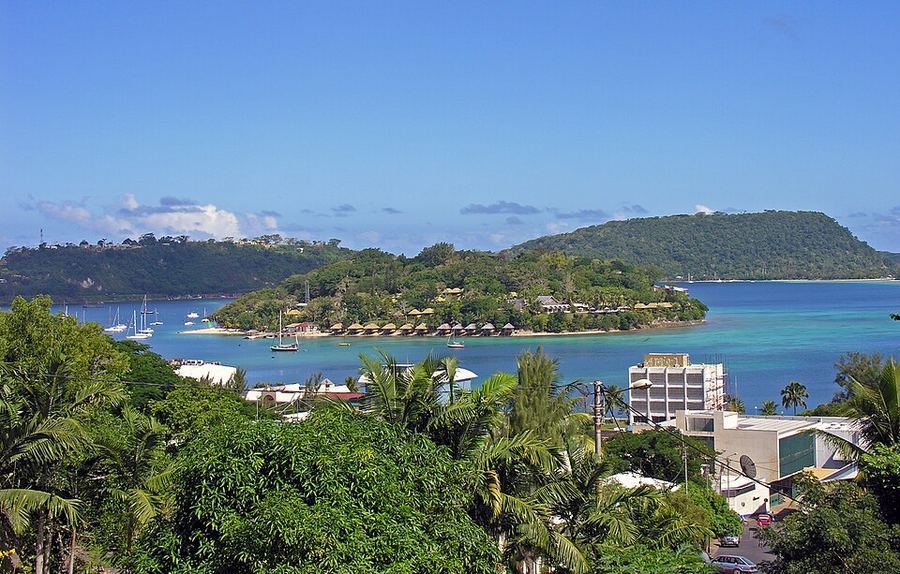
Port Vila's urban core is home to about 72,613 people.
Among the world's megacities, though, it's one of many — the giants of Asia and Latin America run larger still:
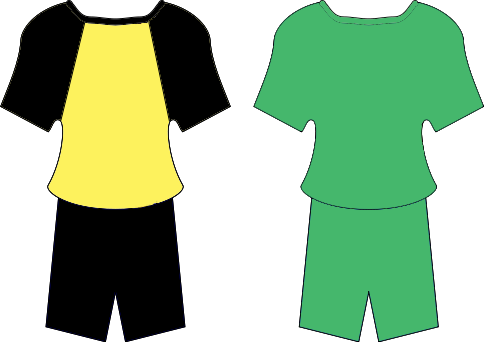
Vanuatu has competed at the Summer Olympic Games since Seoul in 1988, entering small teams in athletics, table tennis, archery, judo and beach volleyball, and has not won an Olympic medal. Its strongest international results have come in beach volleyball, where the women's programme built on limited resources has taken Oceania titles and reached world tour and Commonwealth Games competition, a record widely admired in the region. At the Commonwealth Games, where Vanuatu has competed since 1982, its athletes have contested athletics, boxing, weightlifting, table tennis and beach volleyball. The Pacific Games are the arena where Vanuatu competes most seriously and wins medals across a range of sports, and Vanuatu hosted the Pacific Mini Games in 2017. In football, the national team plays in Oceania qualifying without yet reaching a World Cup, and Vanuatu's under-age sides have produced notable results against larger Oceania nations. In cricket, Vanuatu competes in the international federation's regional qualifying structure, and the international broadcast of its domestic Twenty20 competition in 2020, when almost no cricket was being played elsewhere in the world, gave the country an unexpected global audience.
Vatu — VUV (None)
GDP (PPP): $1.039 billion (2024 est.)
Per capita: $3,200 (2024 est.)
$152.087 million (2022 est.)
fish, ships, perfume plants, wood, copra (2023)
Partners: Thailand 49%, Japan 19%, Cote d'Ivoire 10%, China 7%, USA 3% (2023)
$579.347 million (2022 est.)
refined petroleum, ships, plastic products, poultry, trucks (2023)
Partners: China 26%, Australia 15%, Angola 11%, Fiji 9%, NZ 8% (2023)
Type: parliamentary republic
Independence: 30 July 1980 (from France and the UK)
How mountains, coasts, and rivers shape settlement (LandScan).
Coming — dataWhere groups settled and how people move (GeoEPR + UNHCR).
Coming — dataNotable institutions, mappable as points.
Coming — data