HERA · Human Entity Reference Atlas by Masego Inc

← Wallis and Futuna 🌐 3D View
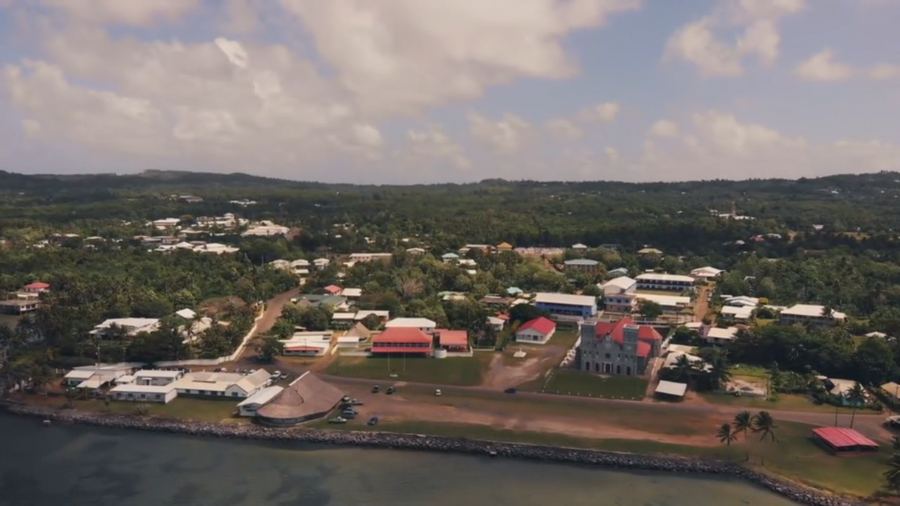
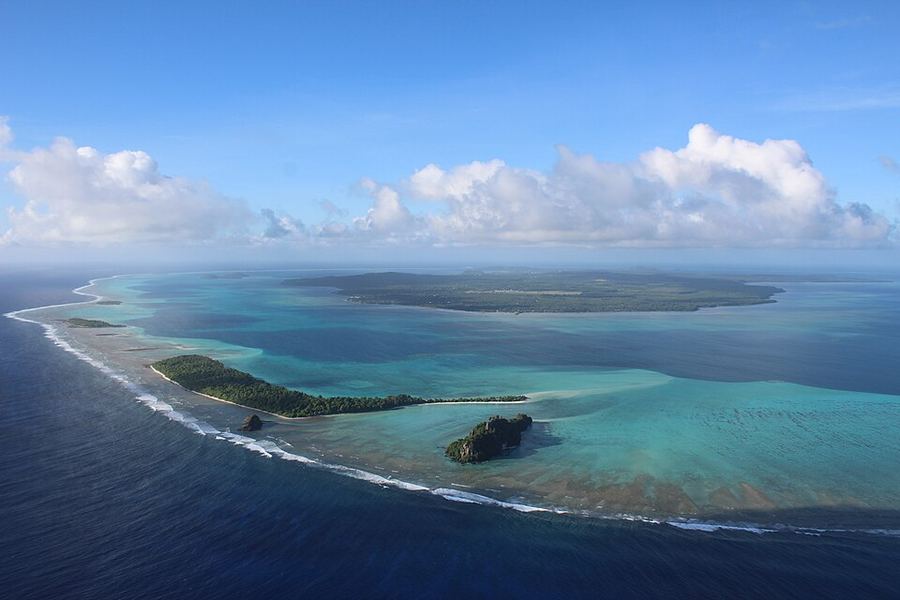
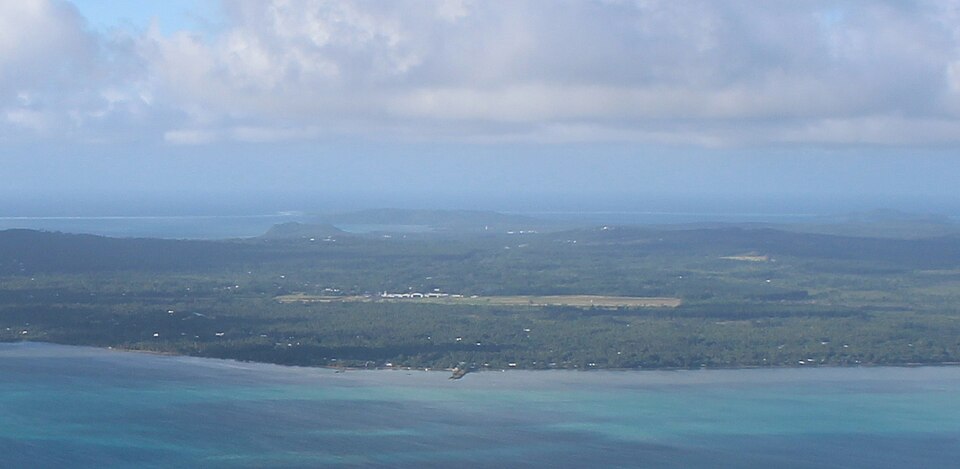
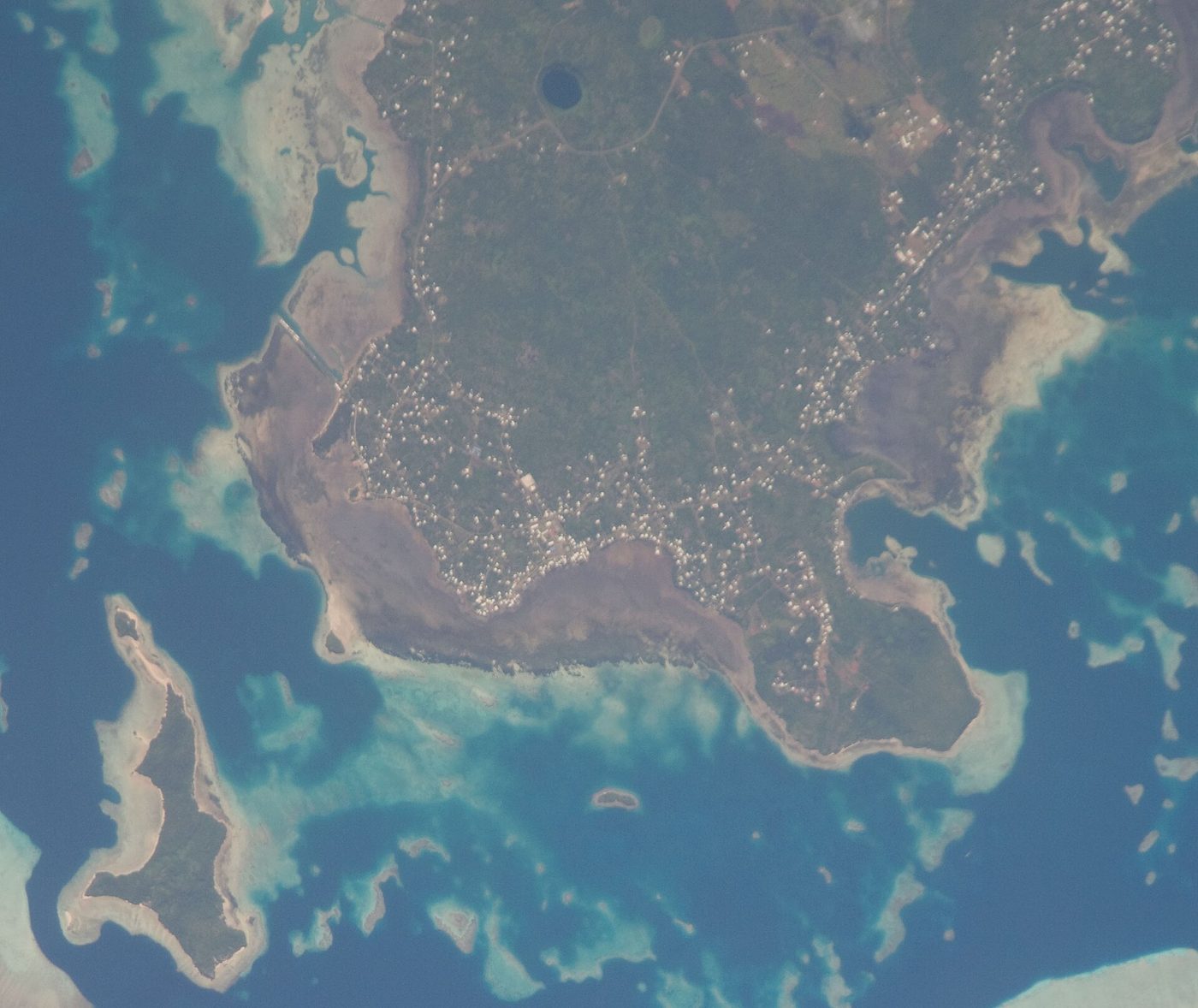
Wallis island - Mu'a, lagoon - NASA ISS021-E-7871 (cropped), Wallis and Futuna
Wallis and Futuna WLF
Wallis island - Mu'a, lagoon - NASA ISS021-E-7871 (cropped) — Photo: NASA / Public domain via Wikimedia Commons
Did You Know Saint Pierre Chanel, killed on Futuna in April 1841, is venerated as the first martyr of Oceania; his shrine at Poi draws pilgrims from across the Pacific. — Encyclopaedia Britannica

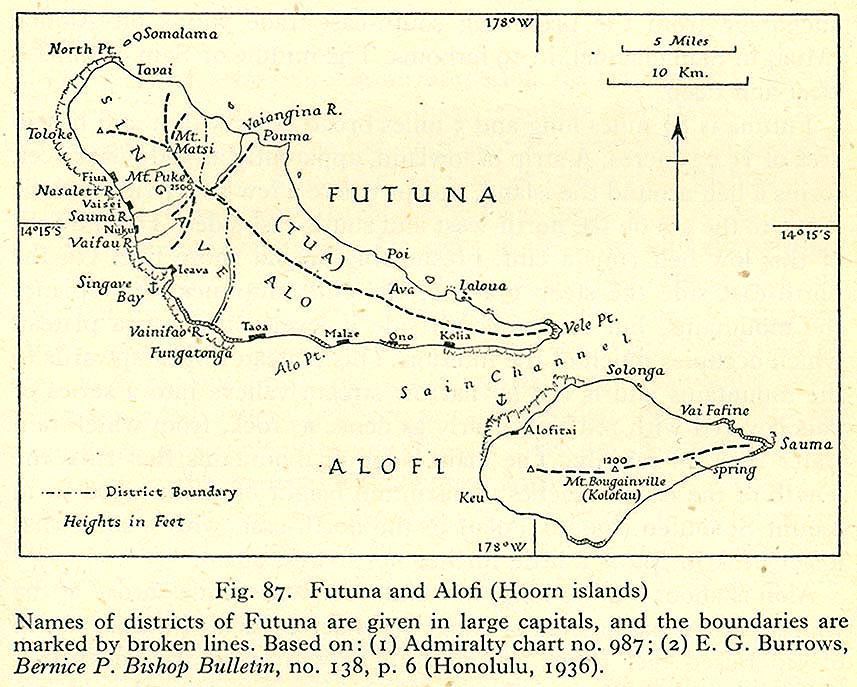
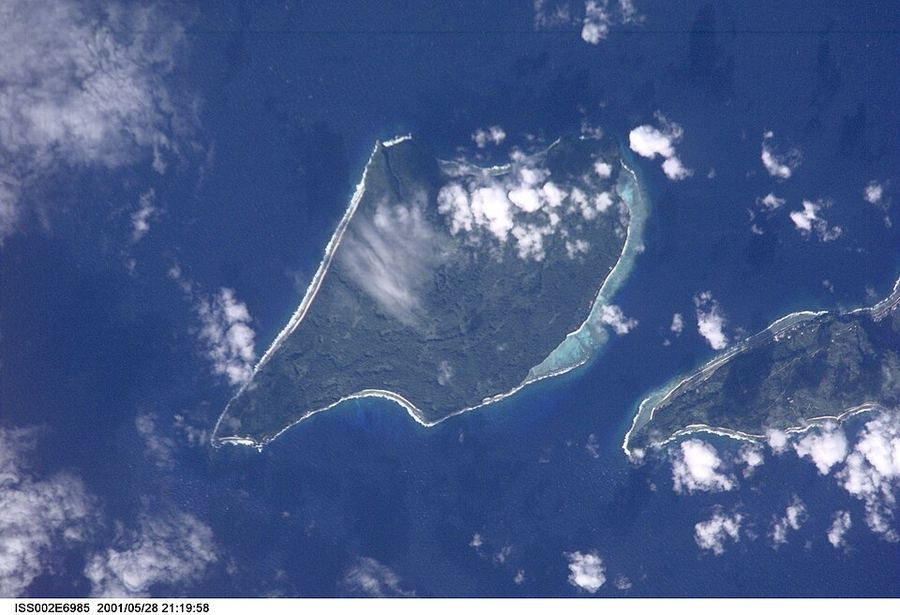
Wallis and Futuna is a French overseas collectivity of about 16,000 people in the western Pacific, made up of two island groups lying roughly 230 kilometres apart: Wallis, known to its people as Uvea, a low volcanic island ringed by a lagoon and barrier reef, and the Hoorn Islands of Futuna and the almost uninhabited Alofi. The administrative centre, Mata-Utu, is on Wallis. The population is Polynesian, and Wallisian and Futunian — two distinct languages, the first closely related to Tongan and the second to the Samoic languages — are spoken by around ninety per cent of residents, with French the official language of administration and schooling. Roman Catholicism is practised by essentially the whole population, one of the highest proportions anywhere in the world. The territory's constitutional arrangement is unusual: alongside the French prefect and an elected Territorial Assembly, three customary kingdoms are formally recognised — Uvea on Wallis, and Sigave and Alo on Futuna — each with its own king and chiefly council exercising real authority in local and land matters. There is no significant export economy; the territory depends on French transfers, public employment, subsistence agriculture and fishing, and on remittances. Its defining social fact is emigration: far more Wallisians and Futunians live in New Caledonia and metropolitan France than in the islands themselves, and the resident population has been falling for decades.

CIA World FactbookEncyclopaedia BritannicaGlottologUN
Population
15,998
Capital
Mata-Utu (on Ile Uvea)
Currency
None XPF
Time zones
Largest city
Human Geography Themes
Loading national figures…
The Country & Its People

History

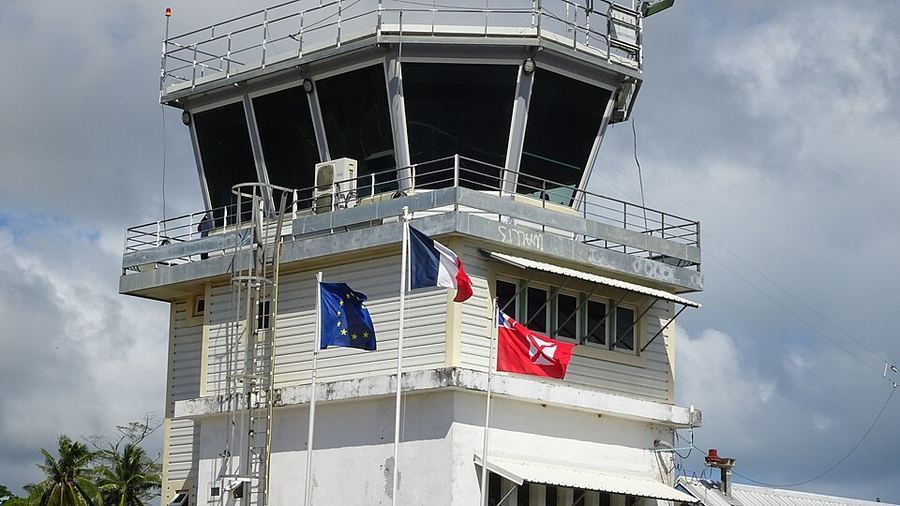
Both island groups were settled by Polynesian voyagers, and archaeology on Futuna has produced Lapita pottery placing occupation within the first wave of settlement in western Polynesia. The two groups developed separately. Uvea came under strong Tongan influence from around the fourteenth and fifteenth centuries — the fortified site of Talietumu on Wallis is a Tongan-style ring fort, and the Wallisian language and chiefly titles are closely related to Tongan — while Futuna's connections ran toward Samoa. Dutch navigators Willem Schouten and Jacob Le Maire sighted Futuna and Alofi in 1616 and named them the Hoorn Islands after their home port; the British captain Samuel Wallis passed Uvea in 1767 and left his name on European charts. Marist missionaries arrived in 1837, and the conversion of both groups to Catholicism was rapid and total. Father Pierre Chanel was killed on Futuna on 28 April 1841 on the orders of a chief whose son he had baptised; canonised in 1954, he is venerated as the first martyr of Oceania. France established a protectorate over Uvea in 1842 and formalised its authority over both groups in 1887. During the Second World War United States forces built a base and airstrip on Wallis. In a referendum in 1959 the islanders voted overwhelmingly to become a French overseas territory, effective in 1961, and the status became an overseas collectivity in 2003.
Culture

Life in Wallis and Futuna is organised by three overlapping authorities — the customary kingdoms and their chiefly hierarchies, the Catholic Church, and the French administration — and the first two matter most in daily experience. Each of the three kingdoms has a king and a council of ministers and district chiefs drawn from titled lineages, and their decisions govern land, ceremony and much village life; the arrangement is recognised in French law, making this one of the few places under a European state where traditional monarchy retains formal standing. Catholicism is near-universal and intense, with very large stone churches in small villages, high mass attendance, and the church calendar structuring the year. The central social institution is the kātoaga, a large customary presentation and feast at which mats, tapa cloth, kava, whole roast pigs and root crops are given in formalised exchange to mark a chiefly installation, an ordination, a wedding or a visit. Kava is prepared and served with strict protocol, the order of service marking rank precisely. Extended family and village obligation are strong, and the relationship with the diaspora in New Caledonia is constant, sustained by remittances, return visits for ceremonies and a continuous flow of people in both directions.

Points Of Pride

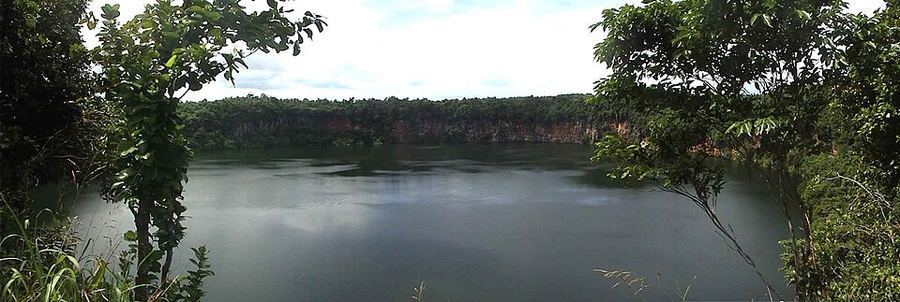
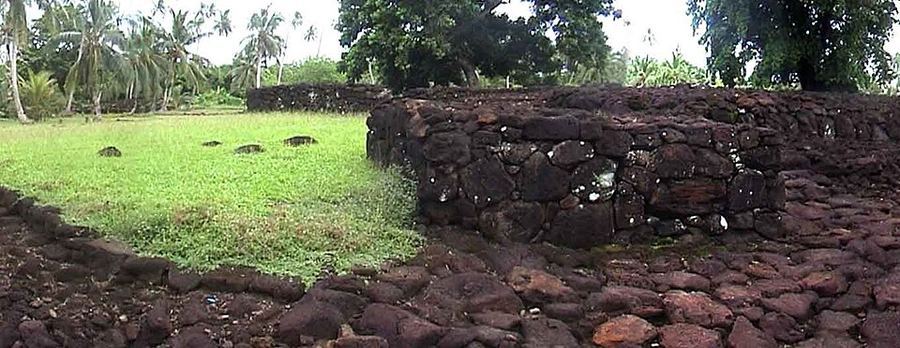
The survival of three functioning kingdoms inside a French collectivity is the territory's most distinctive feature and a matter of considerable local pride: the Lavelua of Uvea and the Tu'i Sigave and Tu'i Agaifo of Futuna are not ceremonial relics but hold real authority over custom and land. The shrine of Saint Pierre Chanel at Poi on Futuna, marking the site of his death in 1841, is a pilgrimage destination for Catholics from across the Pacific, and the islands take pride in being the place where the first martyr of Oceania died and in their near-total adherence to the faith. The archaeological site of Talietumu, a fortified Tongan settlement of coral-block walls near Mua on Wallis, is the territory's principal heritage monument. Lake Lalolalo, an almost perfectly circular crater lake on Wallis enclosed by sheer thirty-metre cliffs, is the best-known natural landmark. The tapa cloth of both islands is regarded as among the finest made in Polynesia. And the disproportionate contribution of Wallisian and Futunian families to French rugby, mostly through the New Caledonian and metropolitan diaspora, is followed closely at home.

Cultural Fusion

The territory joins two Polynesian traditions that are related but distinct. Uvea's culture, language and chiefly system were reshaped by centuries of Tongan contact and settlement, leaving Wallisian mutually intelligible in part with Tongan and leaving Tongan-style fortifications, titles and ceremonial forms on the ground; Futuna's ties ran to Samoa and its language belongs to the Samoic group, so the two populations within one small collectivity do not share a first language. Onto both the Marist mission grafted a Catholicism so complete that church and custom now function as a single system, with chiefly protocol observed at mass and church feasts absorbed into the customary calendar. French administration added the language of schooling and government, the CFP franc, the legal framework and the health system. The wartime American presence on Wallis left an airstrip and a memory. The most powerful contemporary influence is New Caledonia, where the Wallisian and Futunian community is larger than the population at home and where most families have close relatives; New Caledonian and metropolitan French speech, music, food and sport travel back constantly, and Fiji supplies a large share of imported goods.

Music & Dance

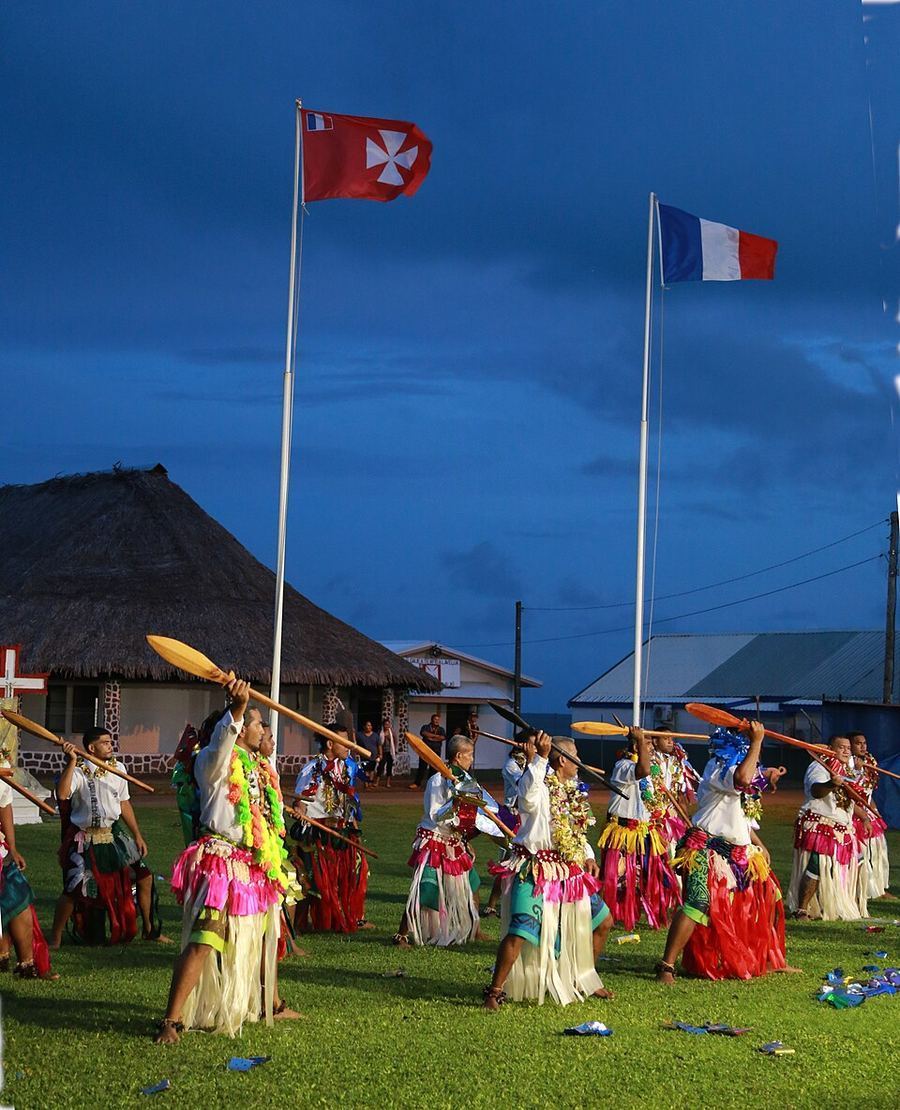
Music in Wallis and Futuna is overwhelmingly vocal and communal. Church choral singing is the most widespread musical activity, with village choirs singing dense multipart harmony in Wallisian and Futunian, and the standard of unaccompanied singing at mass and at feasts is high. Customary performance centres on group dances presented at kātoaga and on ceremonial occasions: seated and standing sung dances in which rows of performers move in unison with hand and arm gesture, accompanied by clapping, by a struck wooden box or mat, and by the lali, a hollowed log drum beaten with sticks that also serves to call people to church. The kailao, a vigorous men's dance performed with clubs and shared with Tonga, and the soamako are among the named forms; women's dances are performed in tapa and mats with oiled skin and flower garlands. Kava presentation has its own formal calling and chanting, with orators announcing the order of service by title. Guitar and ukulele string band music of the wider Polynesian kind is played socially, and recorded Tahitian, Samoan, Tongan and French popular music circulates widely, particularly through the New Caledonian connection.

Cuisine & Misattributed Foods

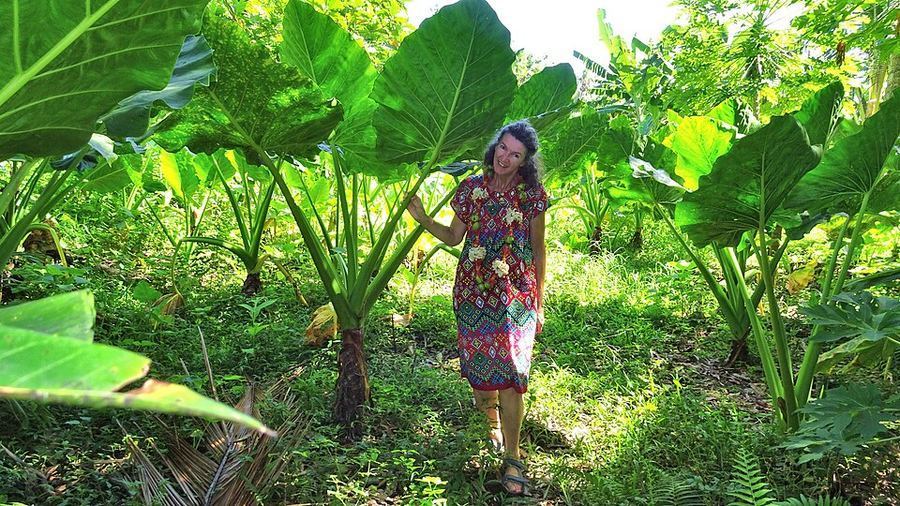
Food here is western Polynesian and centres on root crops cooked in the umu, an earth oven of heated stones covered with leaves and earth. Taro, yam, cassava, sweet potato and breadfruit are the staples, with taro holding the highest ceremonial value; yams are grown for prestige as well as for eating. Coconut supplies cream, oil and drink, and coconut cream is the basis of most sauces — lu, taro or breadfruit leaves wrapped around meat or fish and baked in coconut cream, is the characteristic dish, and appears in versions across the Polynesian world. Pigs are the ceremonial animal, raised for the kātoaga and roasted whole in the umu; fish and shellfish from the Wallis lagoon and the reefs of Futuna are eaten daily, and Wallis's lagoon fishery is an important food source. Sweet preparations use grated root and coconut cream cooked to a firm pudding. Kava, prepared from pounded root and served with formal protocol, is the ceremonial drink. Imported rice, flour, tinned meat and fish, and frozen goods arriving by ship from Fiji, New Caledonia and France now make up a substantial part of daily consumption, and the associated shift in diet is a recognised public health concern.

National Dress

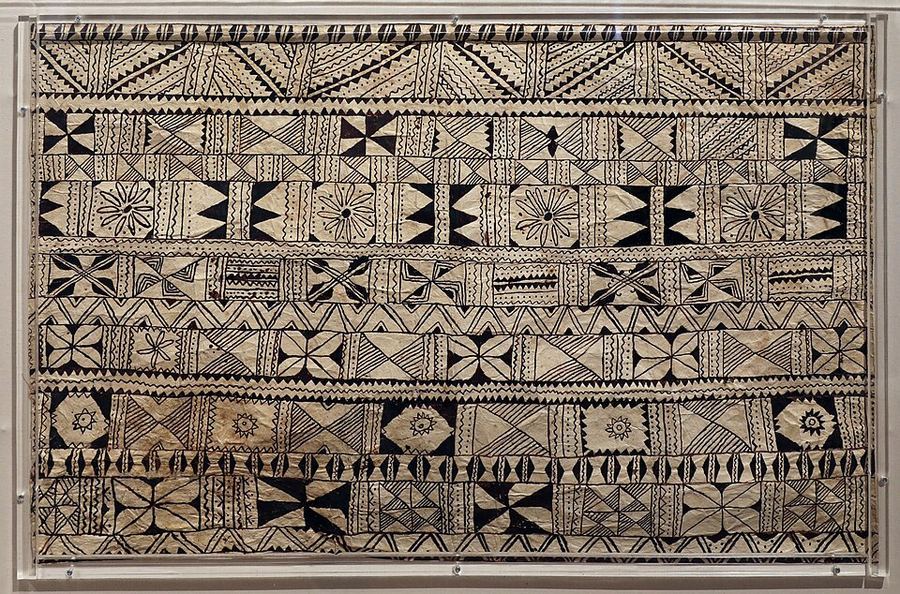
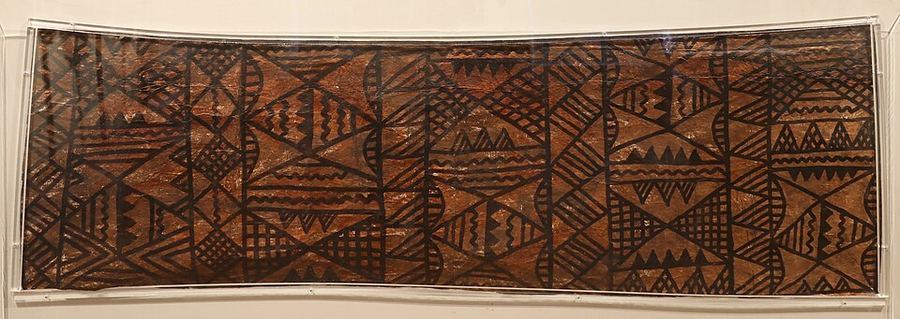
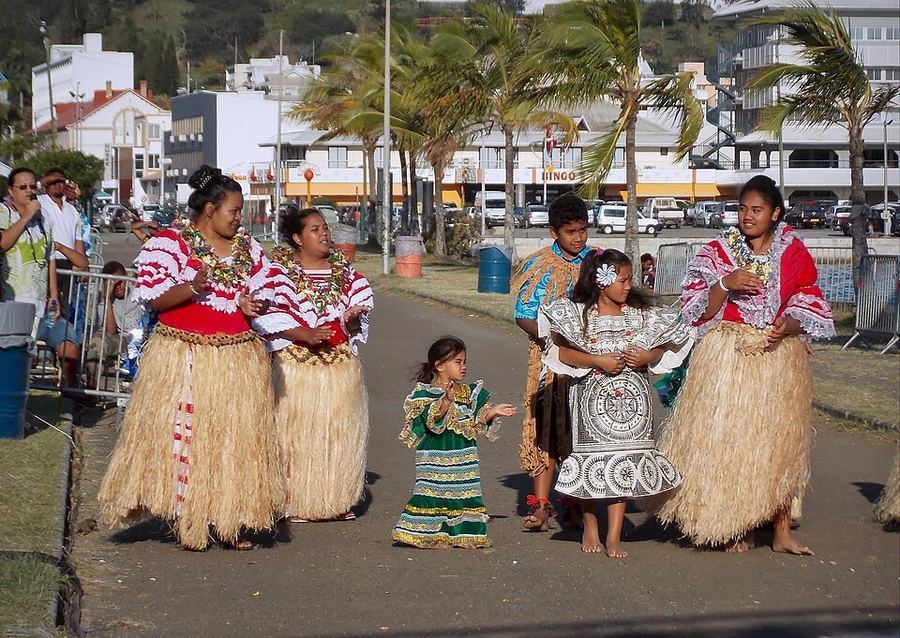
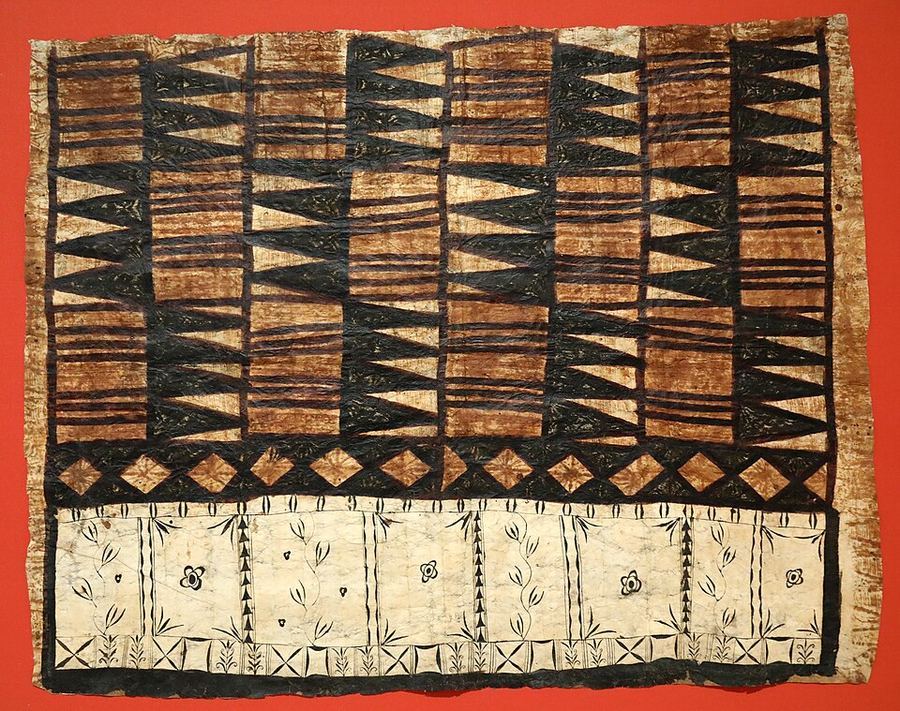
Ceremonial dress here is Polynesian and centres on bark cloth and fine mats. Tapa, made by beating the inner bark of the paper mulberry into sheets and painting it with natural dyes in bold geometric patterns, is worn as a wrapped garment for dance and formal presentation and is also given in quantity at kātoaga; the tapa of Wallis and Futuna is distinctive within Polynesia for its designs and is one of the territory's principal crafts. Woven pandanus mats are wrapped at the waist over cloth for ceremonial occasions, a practice shared with Tonga and Samoa, and their fineness marks the wearer's respect for the occasion. Dancers wear tapa or fibre skirts with garlands of flowers and scented leaves at the neck, head and wrists, with oiled skin and shell or seed ornaments. In ordinary life dress is a loose wrapped cloth for both men and women, worn with a shirt or blouse, and for church a formal version of the same in white or in bright print, with hats for women. Western clothing is normal for work and school, where French administrative and educational dress conventions apply.

Sports & Inspiring Athletes

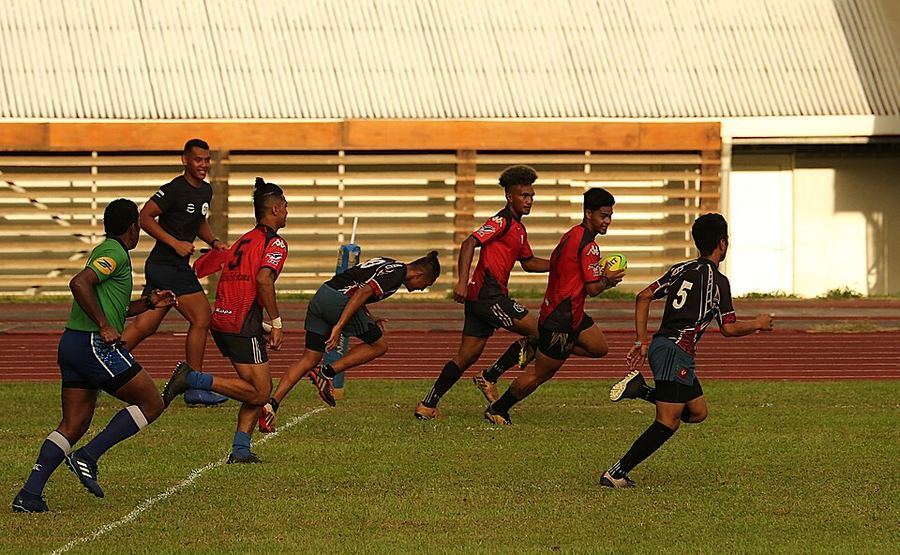
Rugby union is the leading sport and carries the strongest identification, played through a territorial competition and supported by the connection to French rugby through the diaspora. Football is widely played and organised by a territorial association that takes part in Oceania regional activity, and volleyball is popular in both island groups. Va'a, outrigger canoe paddling, is a serious competitive sport on Wallis, where the lagoon provides ideal water, and crews compete in regional regattas; canoe racing also forms part of local festivals. Athletics, boxing, petanque brought by French residents, and table tennis have followings, and school sport is organised on the French model. The territory has invested in sports facilities well beyond what its population would suggest, largely because it hosted the Pacific Mini Games at Mata-Utu in 2013, an event that brought a stadium, courts and accommodation to Wallis and remains the largest sporting undertaking in the territory's history. Sports administration and funding come through the French system and through Pacific regional bodies, and promising athletes typically continue in New Caledonia or metropolitan France.

Notable Educational Programs

Education follows the French national curriculum and is delivered in French, with Wallisian and Futunian taught and used in the early years. The system has a feature found almost nowhere else in the French republic: primary education is run by the Catholic mission, through the diocesan education service, under agreement with the state, a legacy of the missionary period that has survived the separation of church and state as it applies in metropolitan France. Secondary education is provided by the state, with a lycée at Mata-Utu on Wallis and a secondary school on Futuna, preparing students for the French baccalaureate. Literacy is high. There is no university in the territory, so all higher education requires departure — most commonly to the University of New Caledonia in Nouméa, to French Polynesia, or to metropolitan France, with scholarships and travel assistance provided. That departure is very often permanent, and the education system therefore feeds directly into the emigration that has reduced the resident population over decades. Vocational training is limited and oriented toward the small public sector, construction and fisheries.

Wars & Conflicts

Wallis and Futuna has no armed forces of its own, has never been the site of a modern war, and has no armed conflict of any kind; French forces based in New Caledonia provide defence and disaster support. Its history of violence is pre-colonial and early colonial. Uvea was invaded and settled from Tonga, and the fortifications at Talietumu and elsewhere on Wallis were built against that kind of warfare; Futuna's two kingdoms of Sigave and Alo fought one another repeatedly, and the division between them survives in the territory's present structure. The killing of the missionary Pierre Chanel at Poi in April 1841, ordered by a chief who saw conversion as a threat to his authority, is the single most consequential violent event in the islands' recorded history, and it was followed within a few years by the conversion of both islands. During the Second World War, United States forces used Wallis as a rear base without combat occurring there. The most serious modern disturbance was political rather than military: the succession crisis in the kingdom of Uvea that ran from 2005 to 2016 produced rival claimants, roadblocks, occupations of public buildings and a long paralysis of customary authority, but not organised violence.
Encyclopaedia BritannicaCIA World FactbookAgence France-PresseOxford Reference
Current as of 2026-08-07

Land & Border Disputes

Wallis and Futuna has no territorial dispute with any state. Its land boundaries do not exist, its maritime zones are administered by France, and neither Wallis nor the Hoorn Islands is claimed by a neighbour. The territory's contested questions are internal and constitutional. The central one is the relationship between the three customary kingdoms and the French state: the boundaries of chiefly authority over land, appointments and local affairs are not precisely drawn, and the collapse of the Uvea succession into rival claimants between 2005 and 2016 showed how badly the arrangement can function when custom itself is in dispute, with the French administration reluctant to intervene in a matter it recognises as customary. Debates over the territory's statute — whether the 1961 framework should be modernised, and how powers should be divided between the prefect, the Territorial Assembly and the kings — recur without resolution. The other persistent question is demographic rather than legal: continuing emigration to New Caledonia and France has reduced the resident population substantially, and the political and fiscal consequences of that decline are a standing preoccupation.
Land, Life & Legacy

Land & Climate

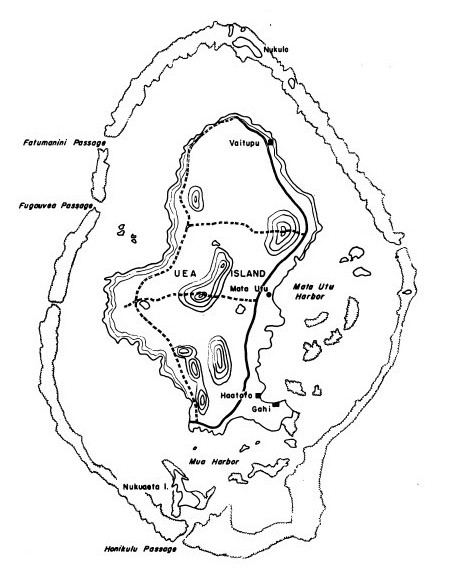
The two island groups lie about 230 kilometres apart and are geologically and visually different. Wallis, or Uvea, is a low, gently rolling volcanic island of roughly 78 square kilometres, rising to only about 145 metres, surrounded by a wide lagoon enclosed by a barrier reef with some twenty islets on it and a small number of navigable passes — the lagoon is the island's main resource, and the settlements sit close to the shore. Its interior holds several crater lakes, the most striking being Lalolalo, an almost circular lake walled by sheer cliffs about thirty metres high. Futuna and Alofi, the Hoorn Islands, are steeper and younger, rising abruptly from the sea with narrow coastal terraces and almost no lagoon; Mont Puke on Futuna reaches about 524 metres, the territory's high point, and Alofi, immediately across a narrow channel, is essentially uninhabited and used for gardens and hunting. The climate is tropical maritime, hot and humid with heavy rainfall and a hotter, wetter season from November to April that coincides with the cyclone season. Cyclones are the principal hazard, and Futuna is also seismically active — an earthquake in 1993 caused significant damage there.

Entertainment

Rugby union is the dominant sport and the dominant leisure interest, played on village grounds and followed intensely, with French club and international matches watched closely because of the number of players of Wallisian and Futunian descent in the French game. Football, volleyball and, on Wallis, va'a outrigger canoe paddling are also widely played, and the lagoon supports canoe racing as both sport and recreation. Fishing is the most universal activity, done for food and for pleasure from the reef, the lagoon and small boats. Church life fills a large part of the week — choir practice, mass, parish committees and church fundraising — and the preparation of a kātoaga can occupy a village for weeks, with the feast itself the principal form of collective celebration. Kava in the evening, cards and dominoes, and visiting between households make up ordinary sociability. Formal tourism is negligible: the territory receives very few visitors, has limited accommodation and is reached by air from New Caledonia and Fiji, so the beaches, motu islets and crater lakes are used almost entirely by residents.

Art & Museums

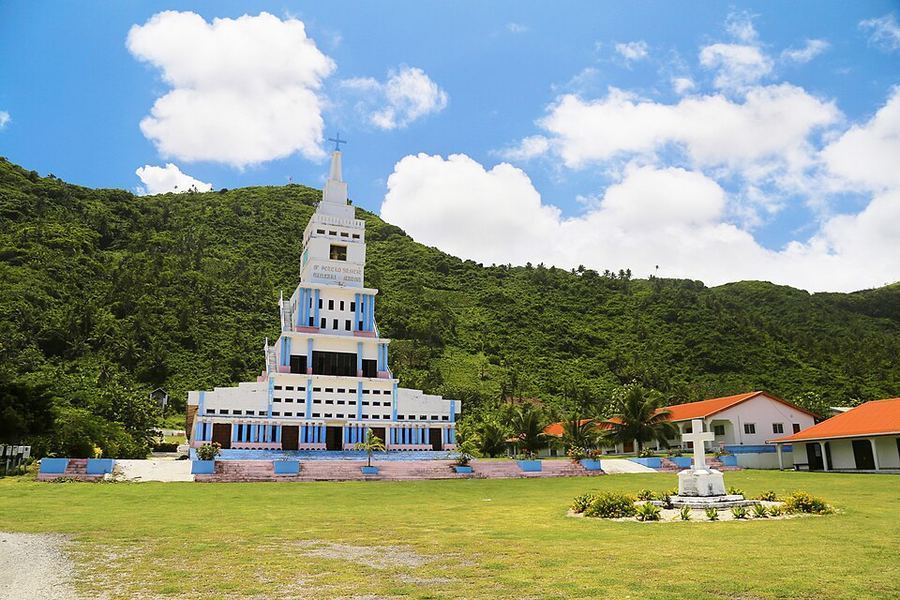
The principal art of the territory is tapa. Women beat the inner bark of the paper mulberry into sheets, join them into large panels and paint them freehand or over a design tablet with dyes made from local plants and earths, producing the strong geometric registers characteristic of Wallisian and Futunian work; the cloth is used for clothing, bedding, gifts and ceremonial presentation, and examples are held in museum collections in France and beyond. The second major women's art is fine mat weaving in pandanus, where the width of the strip and the evenness of the plait determine value, and mats function as ceremonial wealth given in quantity at kātoaga. Men's carving produces kava bowls, clubs, house posts and canoe fittings. The Catholic churches are the territory's most conspicuous built works — the cathedral at Mata-Utu and the basilica at Poi on Futuna, raised over the site of Pierre Chanel's death, both built at a scale far beyond the size of the villages they serve. The archaeological monuments of Wallis, above all the coral-block walls of the Talietumu fort, are the enduring physical legacy of the Tongan period.
British MuseumUNESCOEncyclopaedia BritannicaSmithsonian

Notable People

The best-known figure associated with the territory is Saint Pierre Chanel, the French Marist priest killed at Poi on Futuna on 28 April 1841 and canonised in 1954 as the first martyr of Oceania and its patron saint; his shrine draws pilgrims from across the Pacific. Among Wallisians, Tomasi Kulimoetoke II reigned as Lavelua of Uvea from 1959 until his death in 2007, spanning the whole period from the referendum on French territorial status to the modern collectivity, and his long reign shaped the relationship between the kingdom and the French state; the disputed succession that followed led to years of instability and to the deposition of a later Lavelua, Kapeliele Faupala, in 2014. Victor Brial and, later, Sylvain Brial have represented Wallis and Futuna in the French National Assembly, and the territory also elects a senator. In sport, the territory's most visible presence is indirect: players of Wallisian and Futunian descent, most of them raised in New Caledonia or metropolitan France, have had substantial careers in French professional rugby and in the national side, among them the lock Sébastien Vahaamahina. Beyond these, the territory's public figures are largely its kings, chiefs and clergy.

Inventions & Breakthroughs

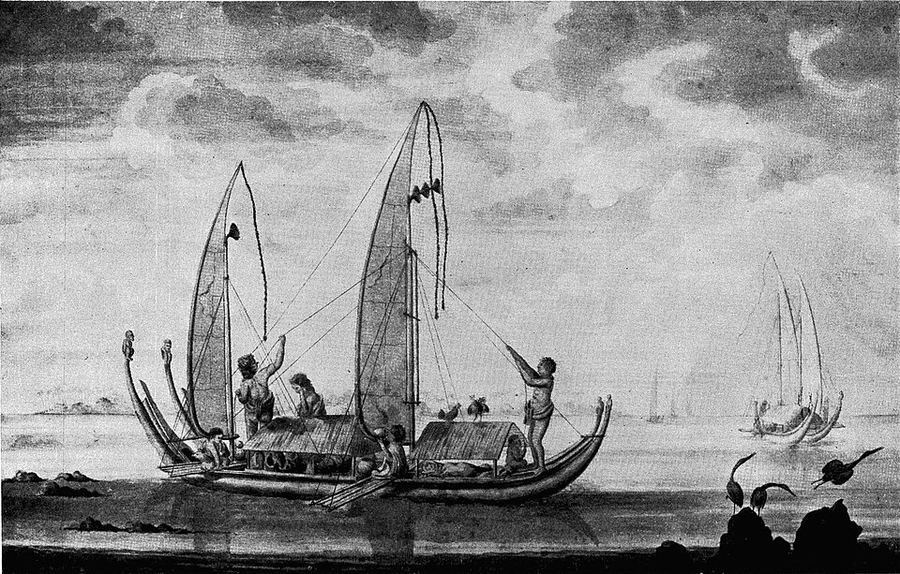
Wallis and Futuna has no record of industrial or scientific invention, and it would be misleading to construct one for a territory of sixteen thousand people with no manufacturing base. Its technical achievements are those of Polynesian material culture, developed and refined locally. Tapa production is a genuine technology, converting bark into large-format cloth through fermentation, beating, felting and joining, with dye chemistry drawn from local plants. Umu cooking, in which stones are heated in a pit and food is layered and sealed under leaves and earth, is an efficient method for feeding hundreds at a kātoaga. Ocean-going outrigger canoe design and reef-passage navigation supported settlement and inter-island contact between Uvea, Futuna, Tonga and Samoa. The most impressive surviving engineering is the fortified complex at Talietumu on Wallis, whose dry-laid coral-block walls, terraces and platforms represent substantial organised construction from the Tongan period. Irrigated and terraced taro cultivation, and the management of pandanus and paper mulberry stands to supply mats and tapa, are agricultural systems maintained over centuries.

Science & Technology

Scientific activity in the territory is limited and mostly conducted by visiting researchers and French agencies. Archaeology has been the most productive field: excavation on Futuna has recovered Lapita pottery placing the islands within the earliest phase of western Polynesian settlement, and survey and excavation on Wallis have documented the Talietumu fort and the wider system of Tongan-period sites, work that bears on the reconstruction of Tongan maritime influence across the region. Linguistic documentation of Wallisian and Futunian, both relatively well described, supports comparative work on the Polynesian language family. Practical technical services come through France: Météo-France provides cyclone and weather monitoring, the health service operates a hospital on Wallis with medical evacuation to New Caledonia for anything complex, and geological and seismic monitoring covers Futuna's earthquake risk. The most consequential recent piece of infrastructure has been telecommunications — a branch of a regional submarine fibre-optic cable reached Wallis at the end of the 2010s, replacing satellite links and transforming internet capacity for schools, health services and households. Solar generation has been added to reduce dependence on imported diesel.
NatureUNESCOAgence France-PresseUNCIA World Factbook
On The World Stage

Champions & Defining Moments

Wallis and Futuna does not have its own National Olympic Committee and does not compete at the Olympic Games as a separate entity; athletes from the territory who reach that level do so as part of the French team. Its distinct international sporting presence is regional: the territory competes in its own right at the Pacific Games and the Pacific Mini Games, where it enters teams in athletics, football, volleyball, va'a, boxing and other sports and has won medals, and it hosted the Pacific Mini Games in 2013 — a considerable undertaking for a territory of its size and the high point of its sporting history. The most significant international impact of Wallisian and Futunian sport is through people rather than teams: rugby players of Wallisian and Futunian descent, mostly born or raised in New Caledonia or metropolitan France, have become a recognised element of French rugby at club and international level, and their success is followed closely in the islands. Footballers and rugby league players from the same community have had comparable careers in French competition.

Economy, Trade & Government

Currency & GDP

CFP Franc — XPF (None)

Exports

seats (2023)

Partners: Denmark 35%, Sweden 14%, Netherlands 14%, Pakistan 9%, Poland 7% (2023)

Imports

refined petroleum, prepared meat, poultry, iron pipe fittings, animal food (2023)

Partners: Fiji 35%, France 32%, NZ 11%, Australia 6%, China 4% (2023)

Government

Type: parliamentary democracy (Territorial Assembly); overseas collectivity of France

Independence: none (overseas collectivity of France)

Terrain → Where People Live

How mountains, coasts, and rivers shape settlement (LandScan).

Coming — data

Migration & Ethnic Settlement

Where groups settled and how people move (GeoEPR + UNHCR).

Coming — data

Universities

Notable institutions, mappable as points.

Coming — data
Economy & government facts: CIA World Factbook (public domain), via OpenFactBook / factbook.json.
Every fact and narrative claim will carry a visible source citation. Data-driven sections light up automatically wherever HERA has coverage.