HERA · Human Entity Reference Atlas by Masego Inc

← Samoa 🌐 3D View
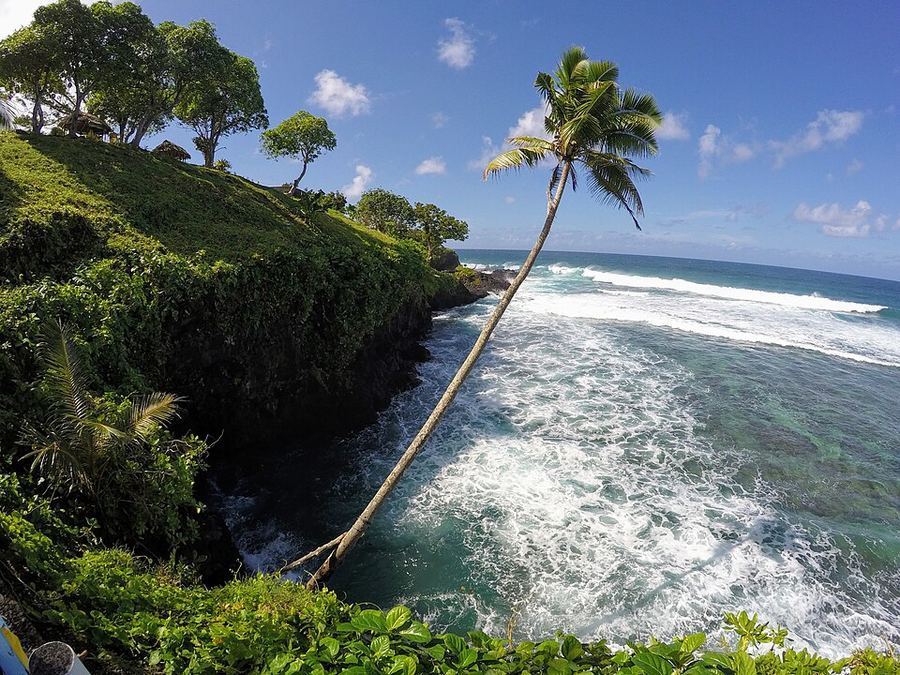
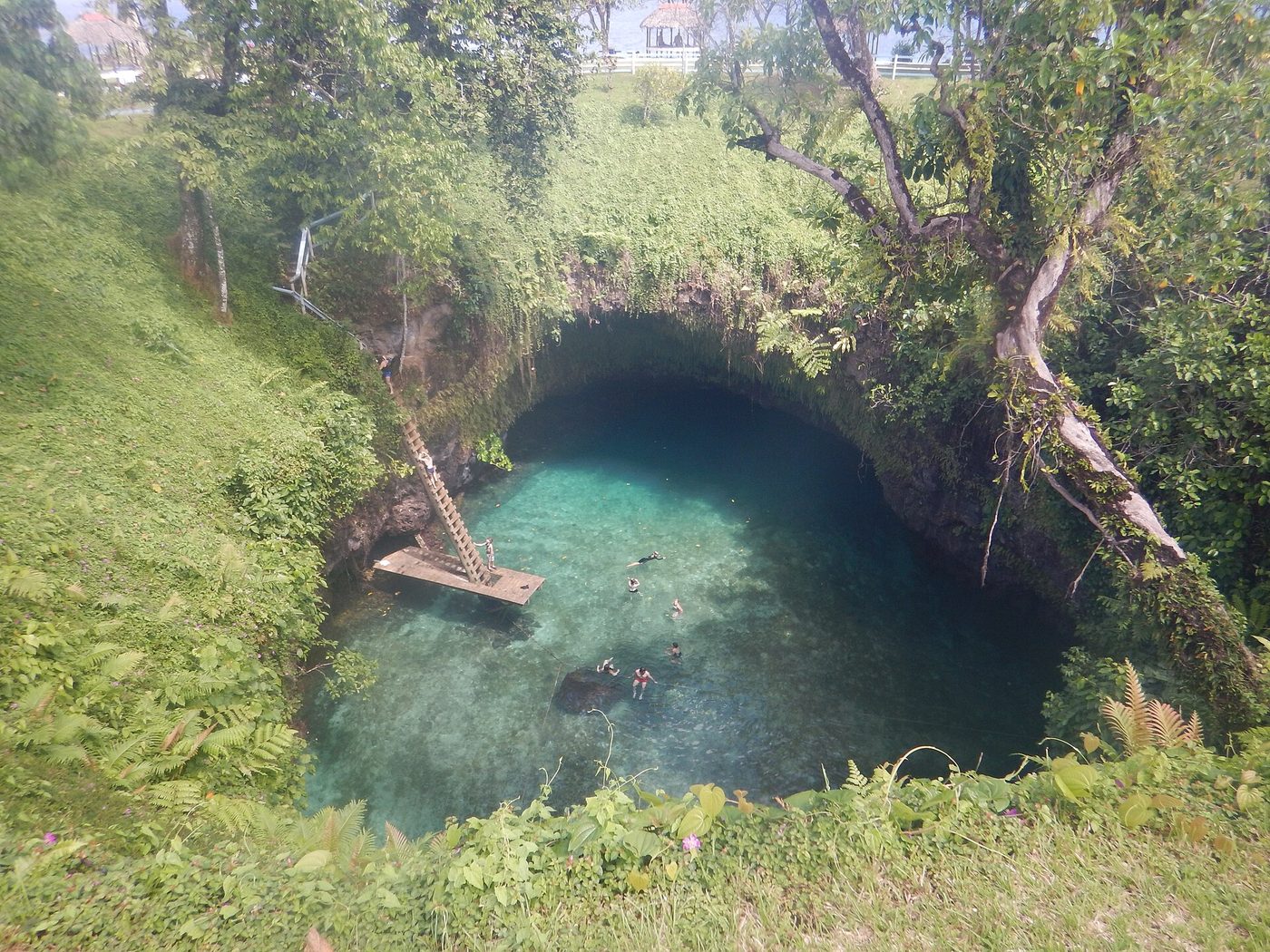
To Sua Ocean Trench, Upolu, Samoa - August 2016, Samoa
Samoa WSM
To Sua Ocean Trench, Upolu, Samoa - August 2016 — Photo: Rickard Törnblad / CC BY-SA 4.0 via Wikimedia Commons
Did You Know The anti-HIV compound prostratin was identified from a Samoan medicinal tree used by healers at Falealupo, and Samoa negotiated a share of any commercial benefit — an early model for benefit-sharing over traditional knowledge. — Nature

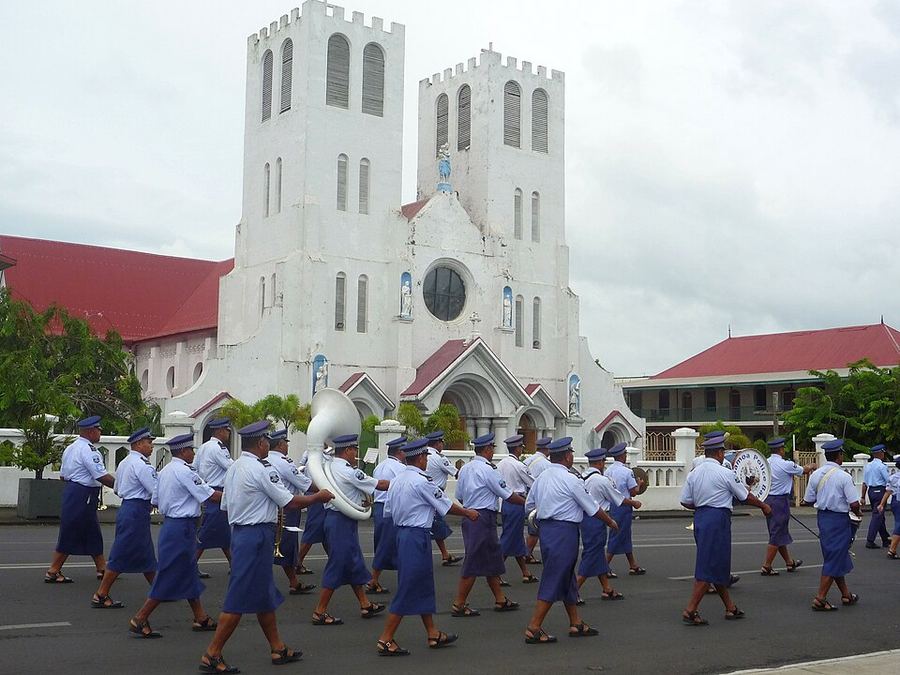
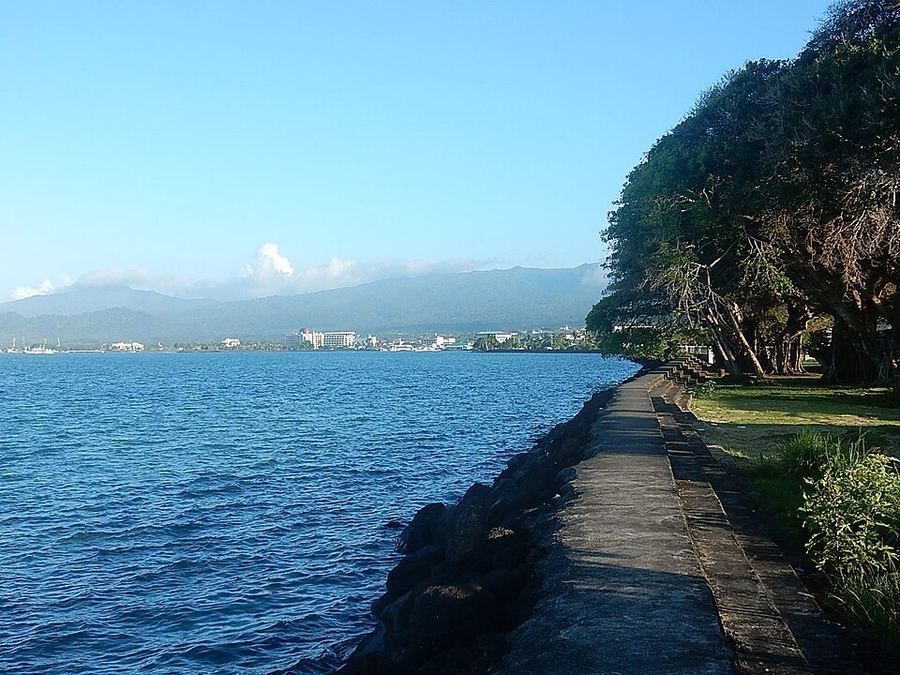
Samoa is a Polynesian country of about 210,000 people in the central South Pacific, comprising the two large volcanic islands of Savai'i and Upolu together with the smaller inhabited islands of Manono and Apolima. The capital, Apia, is on Upolu's north coast. Samoans make up ninety-six per cent of the population, and Samoan — one of the oldest continuously spoken Polynesian languages — is official alongside English. The country is overwhelmingly Christian, with Congregational, Methodist, Roman Catholic and a very large Latter-day Saint presence. Samoa became independent on 1 January 1962, the first Pacific island country to do so in the twentieth century, after German colonial rule from 1900 and New Zealand administration from 1914; it dropped 'Western' from its name in 1997 and is a parliamentary republic in which the electoral system is built around the matai chiefly title system. Output per head on a purchasing-power basis is around 6,900 dollars, and the economy rests on agriculture, fishing, tourism, light manufacturing and, above all, remittances from a diaspora in New Zealand, Australia and the United States that outnumbers the resident population. Fa'a Samoa, the Samoan way — the interlocking system of matai titles, extended family and village council — governs land, status and obligation, and the overwhelming majority of land remains customary.

CIA World FactbookWorld BankEncyclopaedia BritannicaUN
Population
210,223
Capital
Apia
Currency
None SAT
Time zones
Largest city
Apia
Human Geography Themes
Loading national figures…
Largest Cities
Apia60,042
In Perspective

Apia's urban core is home to about 60,042 people.

Among the world's megacities, though, it's one of many — the giants of Asia and Latin America run larger still:

Apia60,042
Jakarta40,545,126
Dhaka37,307,160
Tokyo33,244,670
Shanghai30,678,616
Cairo25,230,325
The Country & Its People

History

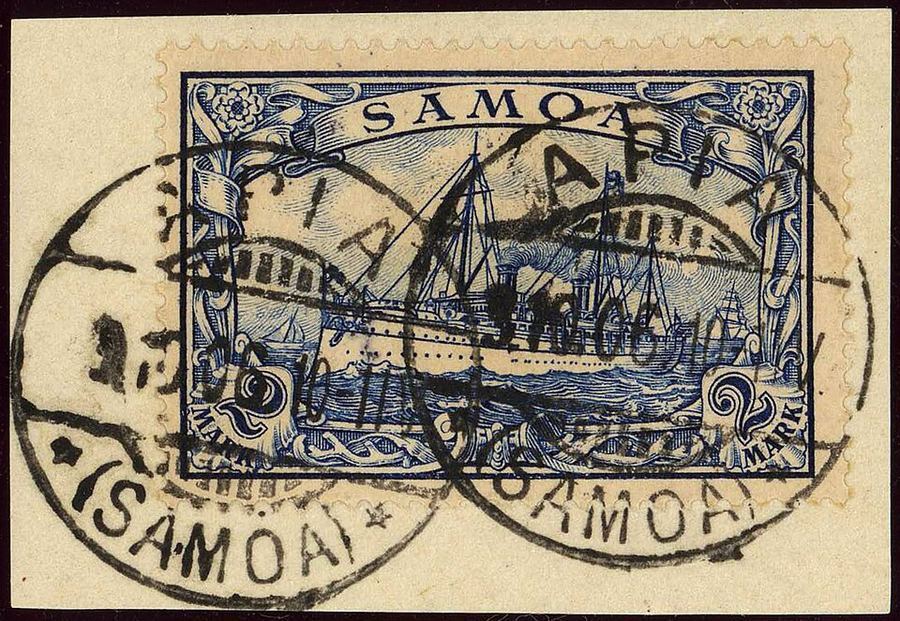
Samoa was settled around three thousand years ago by Lapita voyagers, and the submerged site at Mulifanua on Upolu remains the country's oldest archaeological evidence. Over centuries the islands developed a dense system of paramount titles — Malietoa, Tui A'ana, Tui Atua, Tui Manu'a — whose holders competed for the four titles that together conferred the highest standing, and Samoa exercised long-standing influence across Tonga, Fiji and the wider region. Jacob Roggeveen sighted the islands in 1722 and Bougainville named them the Navigator Islands in 1768. The missionary John Williams landed at Sapapali'i in 1830 and secured the support of Malietoa Vainu'upo, after which conversion was rapid. Nineteenth-century title wars drew in Germany, Britain and the United States, whose warships confronted one another at Apia until a hurricane wrecked them in March 1889; the Tripartite Convention of 1899 partitioned the archipelago, giving the western islands to Germany and the eastern to the United States. New Zealand seized German Samoa in 1914, and its administration presided over the influenza epidemic of 1918, which killed roughly a fifth of the population after an infected ship was allowed to dock, and over the shooting of Mau demonstrators on Black Saturday in December 1929. Independence came on 1 January 1962.
Culture

Fa'a Samoa is not a sentiment but a functioning constitutional and social order. Every extended family, the aiga, is headed by one or more matai, holders of titles conferred by the family and attached to particular villages and lands; matai sit on the village fono, control customary land, and until reforms in the 1990s only matai could vote in national elections, while candidacy for parliament still requires a title. Chiefs are divided between ali'i, whose standing is ceremonial and sacred, and tulafale, the talking chiefs who speak, negotiate and are paid in fine mats for their oratory. The ava ceremony, in which kava is prepared and served in strict order of precedence with formal calling, opens any occasion of consequence. Fa'alavelave — the obligation to contribute money, fine mats, pigs and food to weddings, funerals, title bestowals and church events — is the engine of Samoan reciprocity and the principal destination of remittances. Church is central: Sunday is protected, with a village curfew for evening prayers marked by a bell or drum, and the Sunday to'ona'i cooked in the umu is the week's main meal. Fa'afafine, people assigned male at birth who live in a feminine gender role, are a recognised and long-standing part of Samoan society.

Points Of Pride

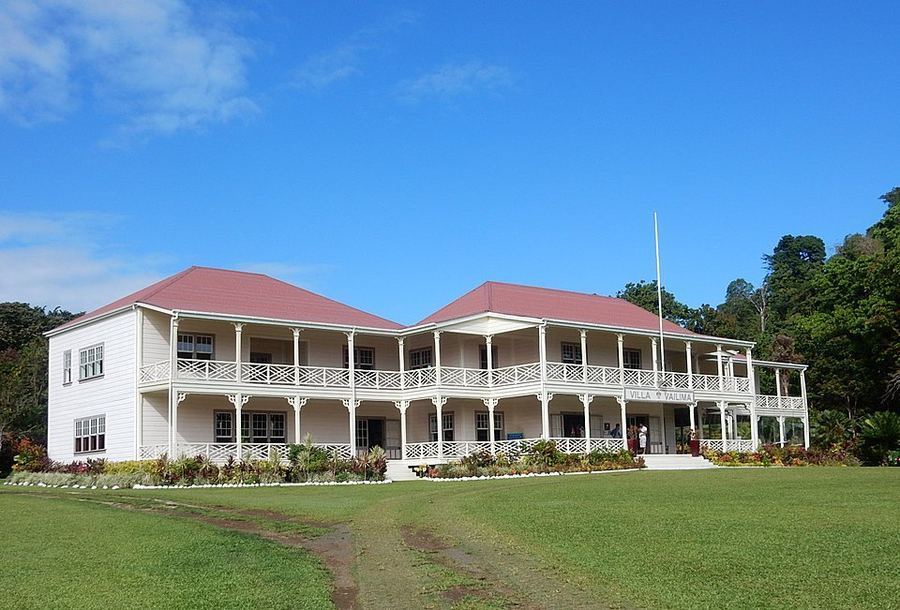
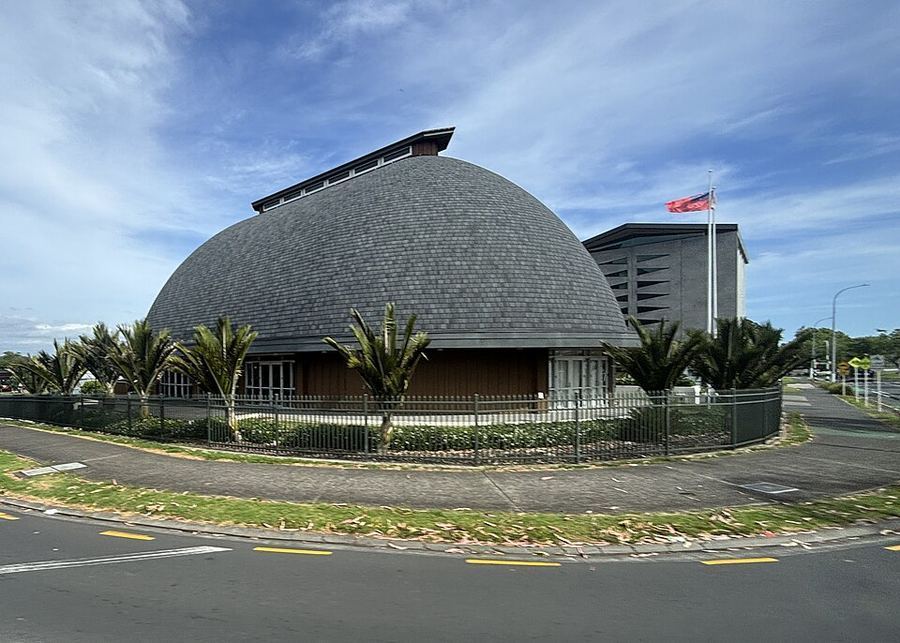
Samoans take pride in the unbroken continuity of fa'a Samoa and in having been the first Pacific island country to regain independence, in 1962. The tatau is the most visible emblem of that continuity: the pe'a worn by men from waist to knee and the malu worn by women on the thighs are still applied by hand with combs of bone and shell by tufuga tā tatau of hereditary lineages, in a practice that survived missionary disapproval and colonial rule, and the English word 'tattoo' itself descends from the Polynesian tatau. The fale tele, the round meeting house with its domed roof of curved timbers bound with coconut sennit and no walls or nails, is the work of a titled guild of master builders. Robert Louis Stevenson spent his last years at Vailima above Apia, was named Tusitala by Samoans and is buried on Mount Vaea. The landscape supplies To Sua, a deep water-filled trench reached by ladder, the Alofaaga blowholes at Taga, the black lava fields at Saleaula where a church stands buried to its windows, and Savai'i's rainforest. In sport, Samoa's rugby record against far larger nations is a source of intense national pride.

Cultural Fusion

Samoa's cultural core is unusually intact for the Pacific, but layers have been added. Christianity, brought by the London Missionary Society in 1830 and followed by Methodist, Catholic and later Latter-day Saint missions, fused with existing structures rather than displacing them: pastors hold a rank comparable to chiefs, churches are built at village expense as prestige projects, and the church calendar and the fono calendar interlock. German colonial rule from 1900 left plantations, place names, a handful of prominent part-European family names and the brewery tradition; New Zealand rule left English, the school system and the enduring political relationship codified in the 1962 Treaty of Friendship. Chinese labourers brought to the German plantations early in the twentieth century founded families whose descendants are part of Samoan society. The most powerful contemporary influence runs through the diaspora: more Samoans live in New Zealand, Australia, Hawai'i, California and Utah than in Samoa, and money, music, sport, food and returning families move constantly between them, while ties across the water to American Samoa — the same people under a different flag since the 1899 partition — remain close and continuous.

Music & Dance

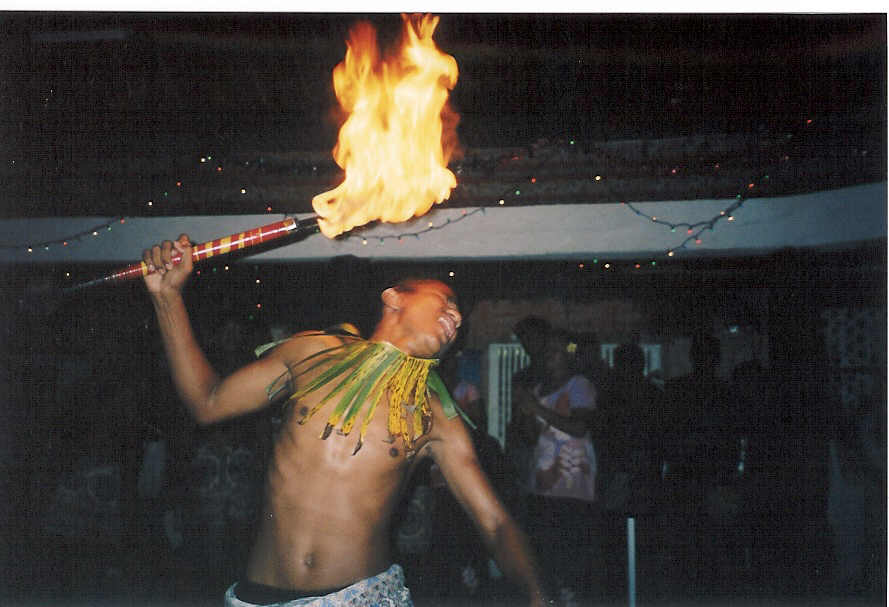
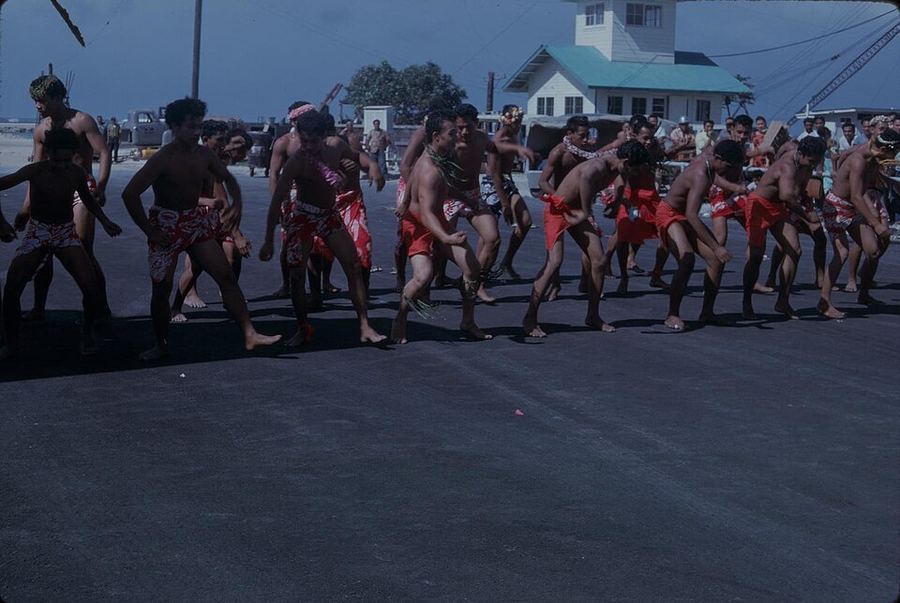
Samoan dance is precise, hierarchical and performed in named forms. The siva is the graceful dance of the hands and upper body, understated and expressive; the sasa is a seated group dance in which rows of performers execute rapid synchronised arm and hand movements to the beat of a rolled mat or a pate log drum; the fa'ataupati is a men's slap dance, striking chest, arms and thighs in interlocking rhythm. The taualuga closes a performance and is danced by the taupou, the village's ceremonial maiden, in a tuiga headdress while others dance roughly around her in celebration. The siva afi, the fire knife dance, developed from the ailao knife dance of the warrior tradition and was set alight in 1946 by the Samoan performer Olo Letuli, creating what has become the signature spectacle of Polynesian performance worldwide. Percussion is provided by the lali and pate, hollowed log drums struck with sticks. Church singing is the country's most widespread musical activity, and Samoan choral harmony, sung in enormous village congregations, is renowned. Popular music blends reggae, gospel and hip-hop, much of it produced in the New Zealand and Californian diaspora.

Cuisine & Misattributed Foods

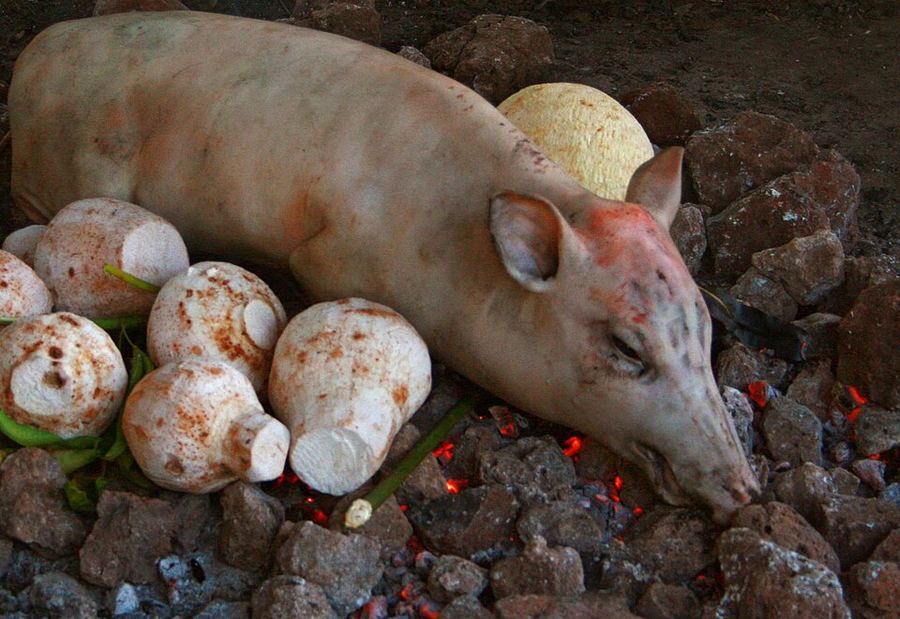
Samoan food is cooked in the umu, an above-ground oven of hot volcanic stones on which food is laid and covered with banana leaves — the work of the young men of the household, and a Sunday ritual. The dish that defines it is palusami, sometimes called lu'au: young taro leaves wrapped into a parcel around coconut cream, seasoned with onion and sometimes tinned fish or meat, and baked until the leaves are soft and the cream has thickened. Taro, breadfruit, green banana and yam are the starches, and coconut is present in almost everything. Oka is raw fish cubed and marinated in coconut cream, lime, onion and chilli. Sua fa'i, bananas cooked in sweetened coconut cream, and fa'ausi, baked taro with caramelised coconut, are the traditional sweets. Whole pigs are roasted in the umu for to'ona'i and for fa'alavelave. The imported foods have their own history: pisupo, the Samoan word for tinned corned beef, comes from 'pea soup', the first canned food to arrive, and it remains a ceremonial gift. Koko Samoa, a thick unsweetened drink made from roasted local cacao, is drunk at breakfast, and the country grows cacao of good quality.

National Dress

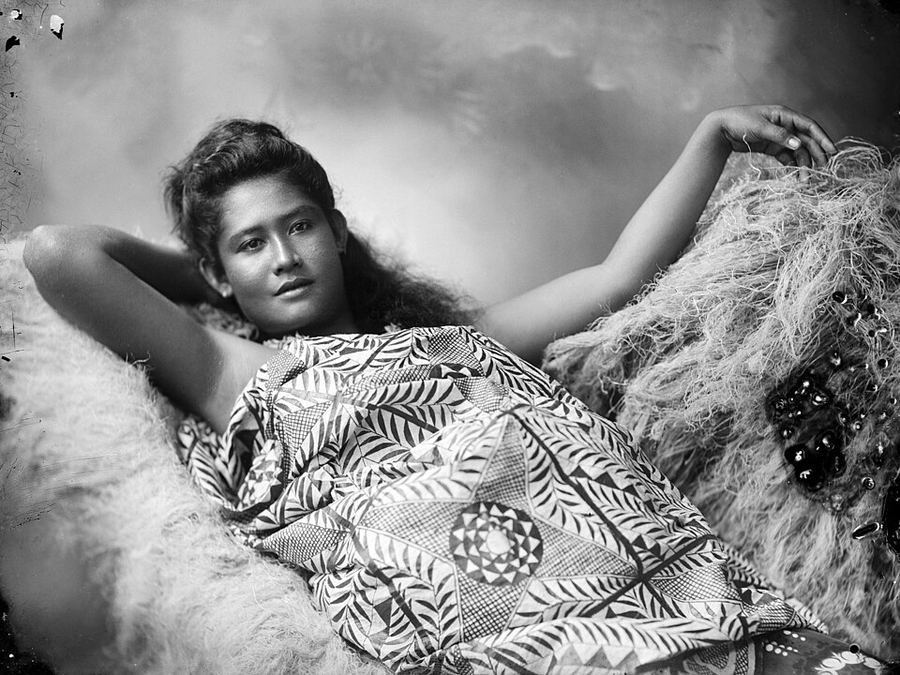
Everyday and formal Samoan dress is built on the wrapped cloth. Men wear the lavalava, and for formal occasions the ie faitaga, a tailored wrapped skirt in plain dark cloth with pockets, worn with a shirt and often a tie or jacket — standard dress for parliament, church and the office. Women wear the puletasi, a two-piece of matching tunic and long wrapped skirt in printed or embroidered cloth, and it is the recognised national dress. The supreme Samoan valuable is not clothing for daily use but the ie toga, the fine mat: pandanus split to threads and woven so finely that the finest examples are almost cloth, taking months or years to make, named, kept for generations and presented in large numbers at funerals, weddings and title bestowals. Siapo, bark cloth painted with natural dyes over carved design tablets, is used ceremonially. The taupou wears the tuiga, a tall headdress of human hair, feathers, shell and mirror. The pe'a and malu — the male and female tatau — are worn permanently, and the pe'a in particular is understood as a garment of obligation that a man wears for the rest of his life in service to his family.
UNESCOEncyclopaedia BritannicaBritish MuseumSmithsonian

Sports & Inspiring Athletes

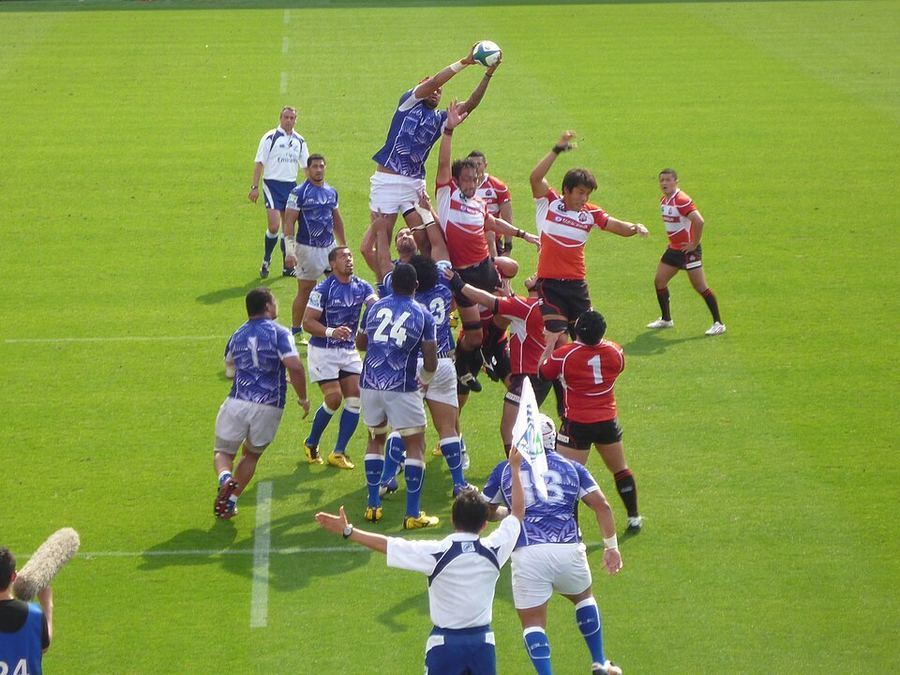
Rugby union is the national sport, and Samoa produces players at a rate no country of two hundred thousand people should be able to sustain. Manu Samoa plays at Apia Park, the domestic club competition feeds the national side, and village and school rugby is universal. Rugby league is equally embedded, with Toa Samoa drawing on both home-based and Australian- and New Zealand-raised players. Kirikiti is the traditional village game, played across the country and organised into competitions at the Teuila festival. Boxing has a strong tradition, and weightlifting is the sport in which Samoa competes most successfully at the highest level, supported by a national programme that has produced Commonwealth and Pacific champions. Netball and volleyball are the leading women's team sports, and va'a outrigger paddling, longboat racing at festivals, and athletics all have national followings. Samoa hosted the Pacific Games in Apia in 2007 and again in 2019, which brought substantial investment in stadiums, pools and sporting facilities. A large share of Samoa's elite athletes are based abroad, and the pathway through New Zealand and Australian school and club systems is well established.

Notable Educational Programs

Education is free and compulsory at primary level and adult literacy is close to universal, a legacy of the mission schools that taught reading in Samoan from the 1830s and of a strong village commitment to schooling. Instruction begins in Samoan with English introduced progressively, and secondary schools include long-established mission institutions run by the Congregational, Methodist, Catholic and Latter-day Saint churches alongside government schools. The National University of Samoa, established in 1984 in Apia, is the principal tertiary institution, offering arts, science, education, nursing, business and Samoan studies, and incorporates the country's technical institute. The University of the South Pacific maintains its regional School of Agriculture and Food Technology at Alafua near Apia, drawing students from across the Pacific, and the Oceania University of Medicine trains doctors in Samoa. Substantial numbers of students take scholarships to New Zealand, Australia, Fiji and Japan. The system's persistent challenges are secondary retention, teacher supply and the emigration of qualified teachers, nurses and graduates, which is both a drain on the country and, through remittances, one of the main reasons families invest in education in the first place.

Wars & Conflicts

Samoa has no military — its defence is provided for by New Zealand under the Treaty of Friendship signed at independence in 1962 — and it has not been party to armed conflict as an independent state. Its historical violence belongs to the nineteenth and early twentieth centuries: repeated civil wars over the paramount titles, and the intervention of Germany, Britain and the United States, which culminated in three-way naval confrontation at Apia in 1889 and the partition of the archipelago in 1899. Under New Zealand administration the two defining traumas were the influenza epidemic of 1918, which killed around a fifth of the population after an infected ship was permitted to dock, and Black Saturday on 28 December 1929, when New Zealand police fired on a peaceful Mau procession in Apia and killed the paramount chief Tupua Tamasese Lealofi III along with others — an event that hardened the independence movement and for which New Zealand formally apologised in 2002. Modern crises have been public health and political rather than military: a measles epidemic in 2019 killed eighty-three people, most of them young children, after vaccination coverage collapsed, and a contested election in 2021 produced a constitutional standoff resolved through the courts without violence.
Current as of 2026-08-07

Land & Border Disputes

Samoa has no territorial dispute with any state, and its maritime boundaries with its neighbours — American Samoa, Tokelau and the wider region — have been addressed cooperatively rather than contentiously. Its most sensitive external relationship is not a dispute but a division: the 1899 partition separated one people into two polities, and Samoa and American Samoa, sixty miles apart and sharing language, families and titles, have been on opposite sides of an international boundary and, since 2011, of the date line ever since. Samoa's principal international campaigns concern climate change and the position of small island developing states; it hosted the United Nations conference in Apia in 2014 that produced the framework known as the SAMOA Pathway, and it has been prominent in arguing for adaptation and loss-and-damage finance and for the recognition of sea-level rise as an existential question. Fisheries are the other standing concern, with the management of the western and central Pacific tuna stocks and the terms on which distant-water fleets are licensed a continuing negotiation. Domestically, disputes over customary land and matai titles are the most common contested matters and are heard by the Land and Titles Court.
Land, Life & Legacy

Land & Climate

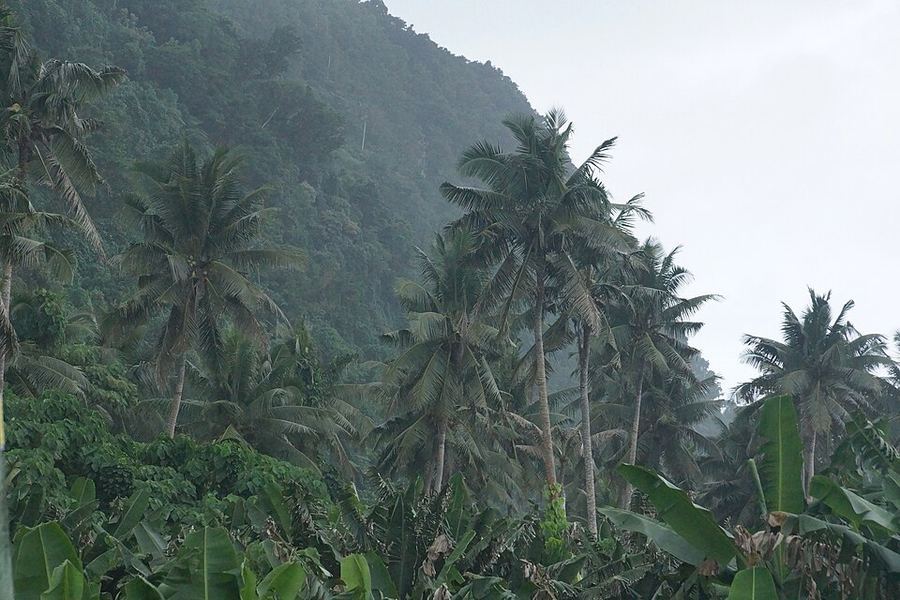
Samoa consists of two large volcanic islands and two small inhabited ones lying in the channel between them. Savai'i, the larger and less populated, is a broad shield volcano rising to Mount Silisili at about 1,858 metres, with rainforest, lava tubes and the black fields left by the Matavanu eruption of 1905 to 1911, which buried villages at Saleaula and left a church filled to its window sills with lava. Upolu is lower, greener and holds Apia and most of the population, with a mountainous spine, waterfalls, and the sheltered beaches of the south and southeast coast. The islands sit on a hotspot chain, and volcanism, though currently quiet, is geologically recent. The climate is tropical, hot and humid, with a wetter cyclone season from November to April; Cyclones Ofa in 1990 and Val in 1991 caused catastrophic damage, and Cyclone Evan struck in 2012. On 29 September 2009 a magnitude 8.1 earthquake south of the islands generated a tsunami that killed around 143 people in Samoa and destroyed villages along the southeast coast of Upolu, including Lalomanu. In December 2011 Samoa skipped a day to move west of the international date line, aligning its calendar with New Zealand and Australia.

Entertainment

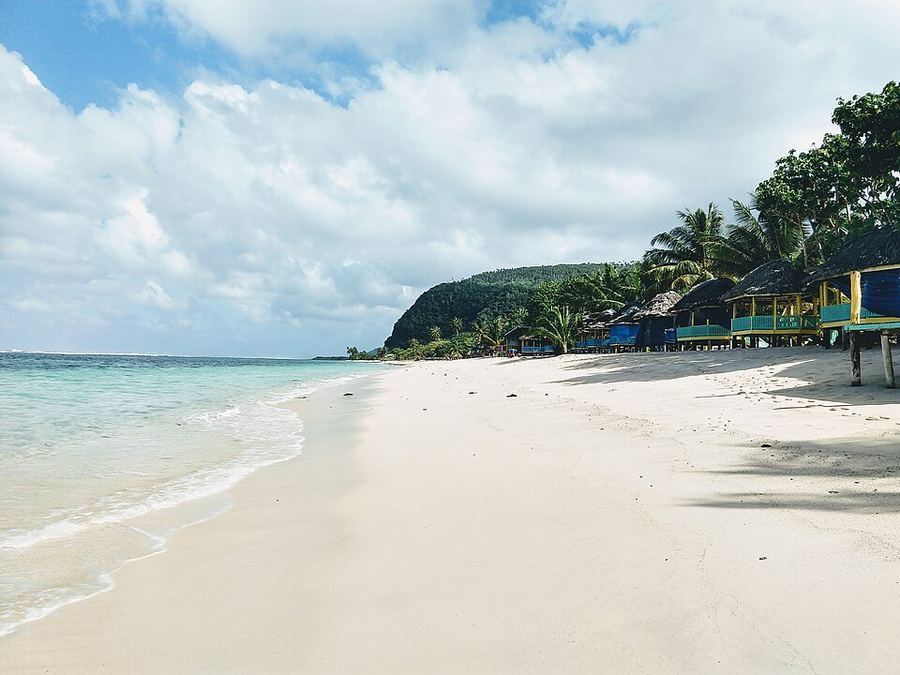
Rugby dominates, played on village pitches and followed with an intensity that shapes national mood, and rugby league has grown alongside it. The most distinctively Samoan game is kirikiti, a local reworking of cricket in which a three-sided bat is swung at a rubber-bound ball, teams can number dozens, and play is accompanied by singing, drumming and dancing between deliveries — a village competition rather than a spectator sport. Volleyball, netball, boxing and va'a outrigger paddling are widely played. The sea is used constantly for fishing and swimming, and beach fale accommodation along the south coast of Upolu serves both visitors and Samoans. Sunday is protected: church in the morning, the to'ona'i from the umu at midday, rest in the afternoon, and evening prayers announced across the village. Preparation for fa'alavelave — collecting fine mats, food and money for a funeral or title bestowal — occupies a great deal of family time. Cultural performance is itself recreation, with village groups rehearsing siva, sasa and fire knife for competitions and for Teuila, the national festival held in Apia, which brings dance, choir, longboat racing and craft together.

Art & Museums

Samoan art is organised around titled specialist crafts. The tufuga tā tatau, the master tattooists of the Su'a and related lineages, apply the pe'a and malu by hand with toothed combs tapped into the skin over days of painful work, in a practice that has been continuous for centuries and has spread through the diaspora and the wider Pacific. The tufuga fau fale, master house builders, construct the fale tele — an open round house whose domed roof of curved rafters is bound entirely with patterned coconut sennit lashing, using no nails — and their guild has its own protocols and payment in fine mats. Women's arts are weaving and bark cloth: the ie toga fine mat is the highest-value Samoan object, and siapo is decorated by rubbing dye over a carved upeti design tablet or painting freehand with 'o'a bark dye. Kava bowls, house posts and clubs carry carved ornament. In contemporary art, Fatu Feu'u has built an international reputation drawing on siapo motifs, and Michel Tuffery's sculptures assembled from corned beef tins comment sharply on Pacific diet and trade. In literature Albert Wendt is the leading figure in Pacific writing, and Sia Figiel won the Commonwealth Writers' Prize in 1997.

Notable People

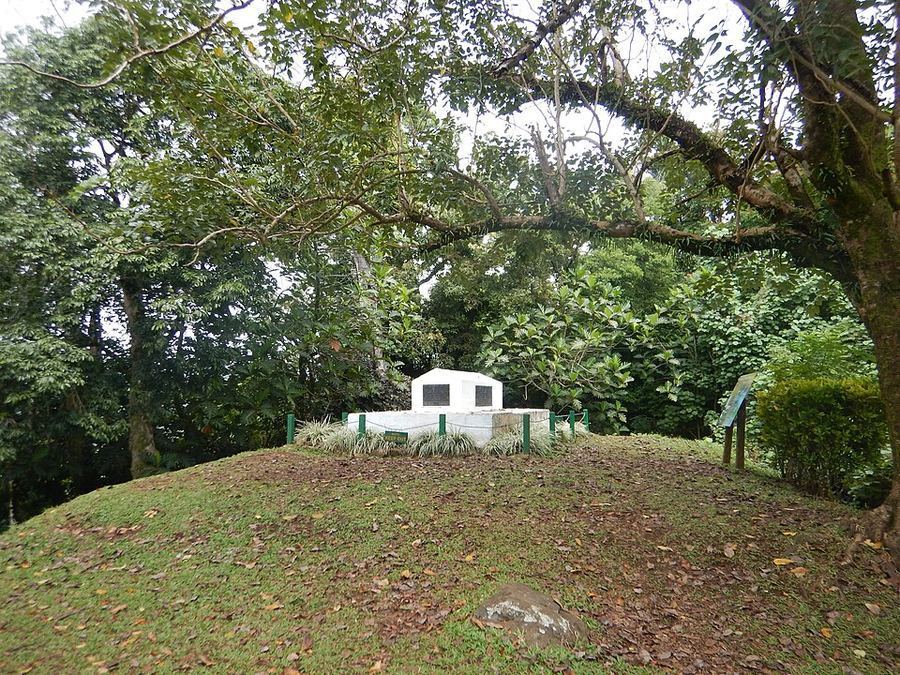
Malietoa Tanumafili II served as head of state from independence in 1962 until his death in 2007, one of the longest tenures of any head of state in the world. Tupua Tamasese Lealofi III, paramount chief and leader of the non-violent Mau independence movement, was shot dead by New Zealand police in Apia on Black Saturday in December 1929 and is remembered as a martyr of Samoan self-rule. Tuilaepa Sailele Malielegaoi governed for more than two decades from 1998, and Fiamē Naomi Mata'afa became Samoa's first woman prime minister in 2021 after a constitutional standoff resolved by the courts. Robert Louis Stevenson settled at Vailima above Apia in 1890, was given the name Tusitala, 'teller of tales', and is buried on Mount Vaea. Albert Wendt is the pre-eminent novelist and poet of the Pacific, and Sia Figiel a leading Samoan woman writer. Olo Letuli set the traditional knife dance alight in 1946 and created the fire knife dance. In sport, Brian Lima played at five Rugby World Cups, the weightlifter Ele Opeloge won Samoa's only Olympic medal, and athletes of Samoan descent — among them the boxer Joseph Parker and generations of rugby and American football players — have had outsized international careers.

Inventions & Breakthroughs

Samoa's inventions are cultural technologies, several of which have travelled far. The fire knife dance is the clearest single case: the ailao, a warrior's display with a bladed club, was transformed in 1946 when the Samoan performer Olo Letuli wrapped the ends of the knife in towelling and set them alight, creating a form that spread through Polynesian performance worldwide and now has its own international competition. Kirikiti is a wholesale reinvention rather than an adaptation: given cricket by missionaries, Samoans redesigned the bat into a three-sided club, discarded the limits on team size, and rebuilt the game around singing, dancing and village competition. The fale tele is a genuine engineering achievement, a large domed roof of curved timbers held entirely by patterned sennit lashing and standing without walls or fasteners, built by a titled guild to inherited proportions. Tatau tooling and technique, using bone and shell combs tapped by mallet, have been transmitted through hereditary lineages for centuries and gave European languages the word tattoo. Fine mat weaving, splitting pandanus to thread-like widths, produces textiles of a fineness that functions as currency. Samoa also made two striking administrative changes: switching to driving on the left in 2009 and skipping 30 December 2011 to move west of the date line.

Science & Technology

Samoa's most striking contribution to international science came out of its forests. Ethnobotanical work with Samoan healers in the village of Falealupo on Savai'i identified the medicinal use of the mamala tree, from which the compound prostratin was isolated and investigated for its activity against latent HIV — and the arrangement that followed, in which Samoa negotiated a share of any resulting commercial benefit and the associated rainforest was protected rather than logged, became an internationally cited model for benefit-sharing over traditional knowledge and genetic resources. Geoscience has practical urgency: the 2009 tsunami, generated by a magnitude 8.1 earthquake to the south, was studied intensively and drove the expansion of warning systems, evacuation routes and coastal planning, while Savai'i's volcanic history is monitored as part of regional hazard assessment. Public health science has been shaped by two crises — the measles epidemic of 2019, which produced a national vaccination campaign and a hard-learned lesson about coverage, and the high prevalence of obesity and diabetes linked to dietary change. Samoa has invested in renewable generation, combining solar, hydropower and biomass to cut diesel imports, and improved connectivity through submarine cable links landed in the late 2010s.
NatureScienceWHOUNReuters
On The World Stage

Champions & Defining Moments

Samoa's international reputation rests on rugby. Manu Samoa reached the Rugby World Cup quarter-finals in 1991, beating Wales in Cardiff in one of the tournament's most celebrated upsets, and repeated the feat in 1995, beating Wales again in 1999. In sevens, Samoa won the World Rugby Sevens Series title in the 2009-10 season, an extraordinary achievement against far larger unions. In rugby league, Toa Samoa reached the final of the 2022 World Cup after beating England in the semi-final, the first Pacific nation to reach a World Cup final in either code. At the Olympic Games, where Samoa has competed since 1984, the country's single medal is the weightlifting silver won by Ele Opeloge at Beijing in 2008, awarded years later after the disqualification of athletes placed above her. Samoa has won multiple Commonwealth Games gold medals, principally in weightlifting and boxing. Beyond teams carrying the Samoan flag, players of Samoan descent have had a disproportionate impact on international sport, in New Zealand and Australian rugby, in American football, and in boxing, where Joseph Parker held the WBO heavyweight title.

IOCOlympediaCommonwealth Games FederationBBCReuters
Economy, Trade & Government

Currency & GDP

SAT — SAT (None)

GDP (PPP): $1.503 billion (2024 est.)

Per capita: $6,900 (2024 est.)

Exports

$369.73 million (2024 est.)

refined petroleum, integrated circuits, coconut oil, fish, insulated wire (2023)

Partners: India 26%, NZ 14%, USA 12%, American Samoa 10%, Australia 9% (2023)

Imports

$575.749 million (2024 est.)

refined petroleum, poultry, cars, plastic products, milk (2023)

Partners: NZ 20%, Singapore 19%, China 17%, Australia 10%, Fiji 9% (2023)

Government

Type: parliamentary republic

Independence: 1 January 1962 (from New Zealand-administered UN trusteeship)

Terrain → Where People Live

How mountains, coasts, and rivers shape settlement (LandScan).

Coming — data

Migration & Ethnic Settlement

Where groups settled and how people move (GeoEPR + UNHCR).

Coming — data

Universities

Notable institutions, mappable as points.

Coming — data
Economy & government facts: CIA World Factbook (public domain), via OpenFactBook / factbook.json.
Every fact and narrative claim will carry a visible source citation. Data-driven sections light up automatically wherever HERA has coverage.