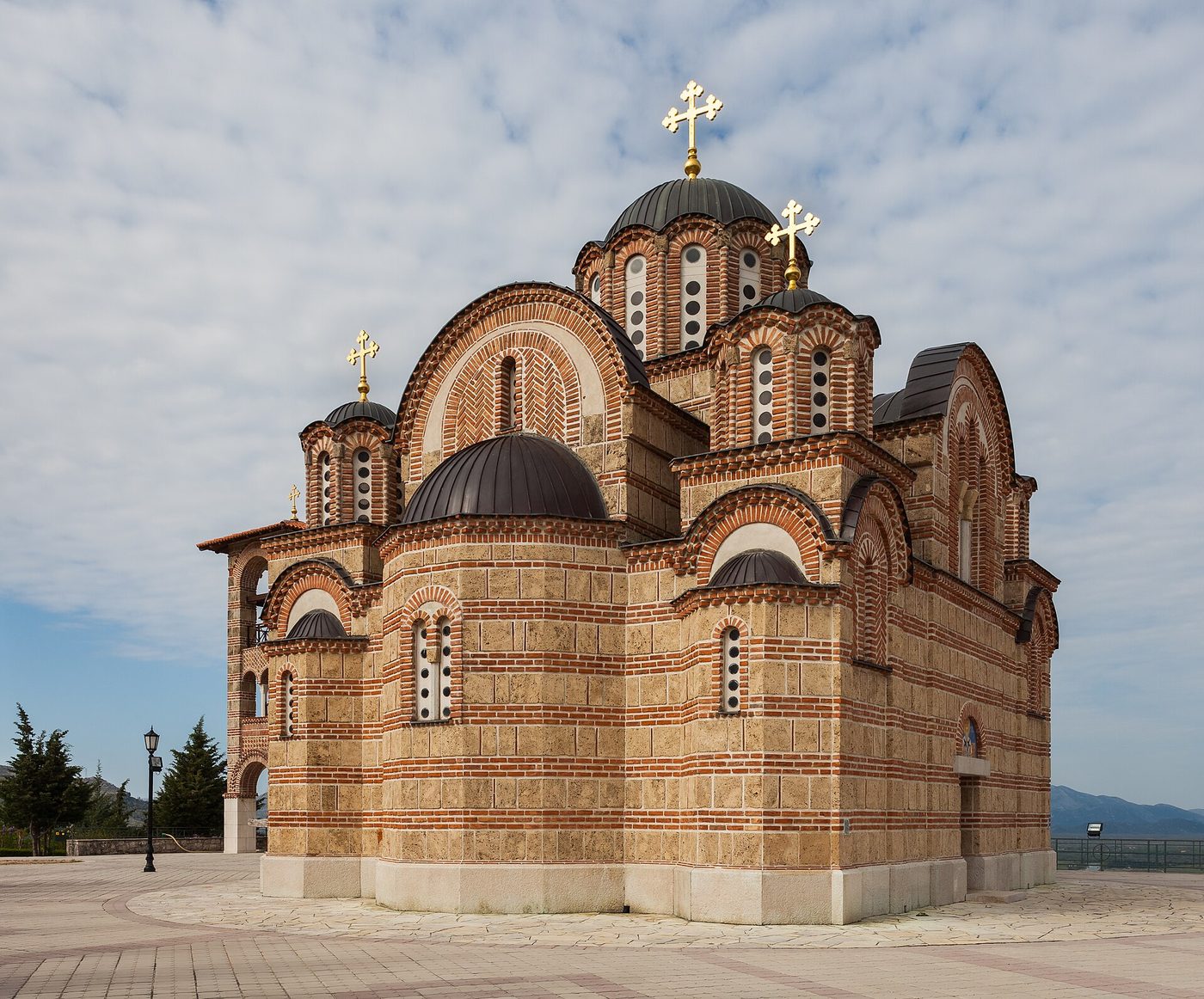
History
Kosovo is a landlocked territory of roughly two million people in the central Balkans, bordered by Serbia, North Macedonia, Albania and Montenegro, which declared independence from Serbia on 17 February 2008. Its capital is Pristina. About 93% of the population are ethnic Albanians, with Bosniak, Serb, Turkish, Ashkali, Egyptian, Gorani and Romani communities making up the remainder; Albanian and Serbian are both official, and roughly 96% of residents are Muslim, with Catholic and Orthodox minorities. With a median age of about 32, it has the youngest population in Europe. Kosovo's independence is recognised by around a hundred United Nations member states but not by Serbia, Russia or China, and it is not a UN member; its status remains the defining question of its politics and of regional diplomacy. The economy is the smallest in the Western Balkans, with GDP of about $25 billion in purchasing-power terms and roughly $16,400 per head, heavily dependent on remittances from a large diaspora. It uses the euro, adopted unilaterally rather than by agreement.
Pristina's urban core is home to about 218,971 people.
Among the world's megacities, though, it's one of many — the giants of Asia and Latin America run larger still:
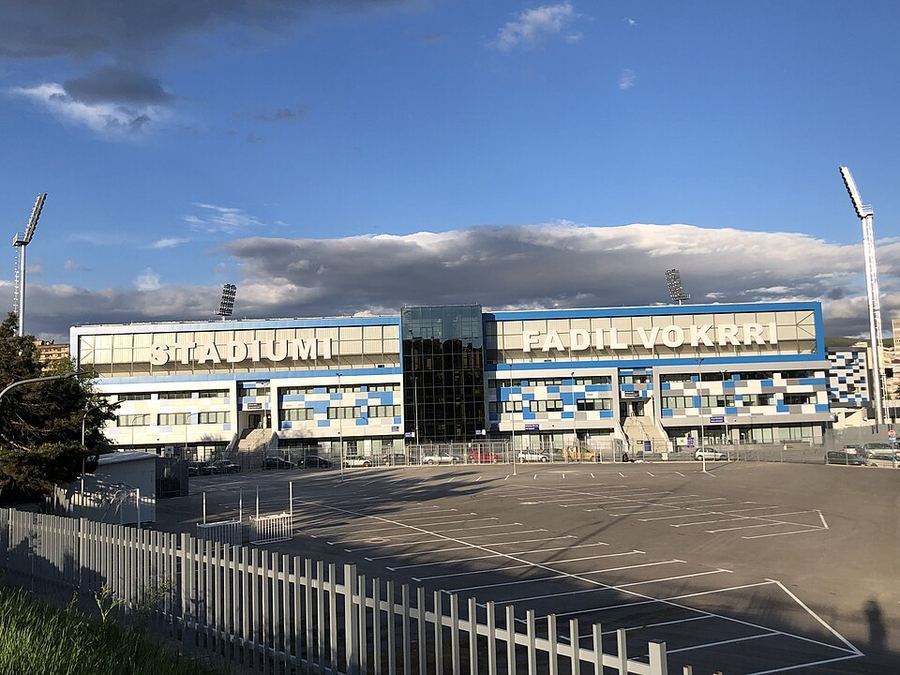
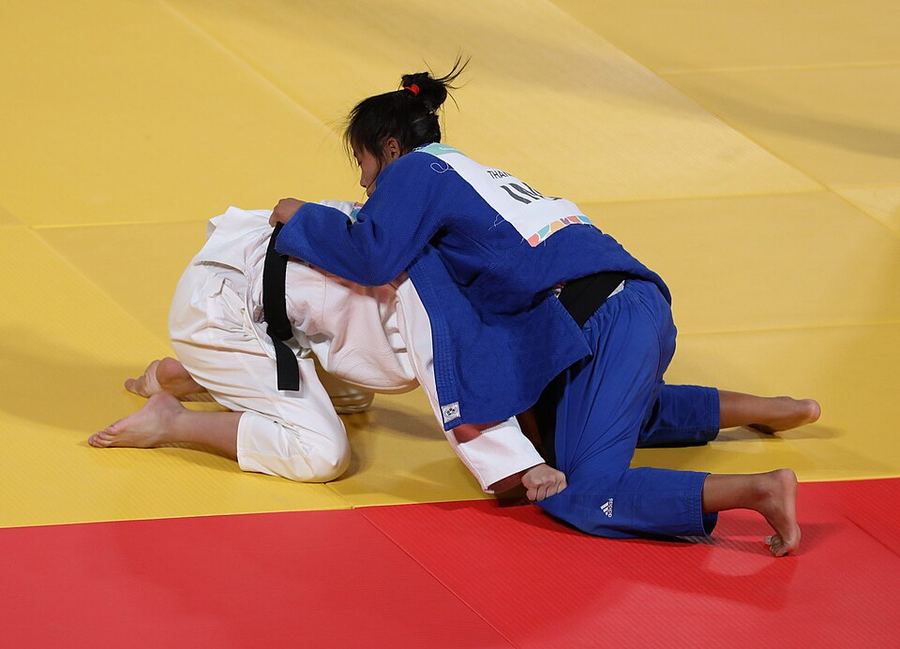
Kosovo's arrival in international sport was a diplomatic as much as an athletic event. The International Olympic Committee granted full recognition to the Kosovo Olympic Committee in December 2014, and the country made its debut at the 2016 Summer Games, where Majlinda Kelmendi won gold in the women's under-52 kilogram judo category — Kosovo's first Olympic appearance and first Olympic title in the same week. At the following Games, Distria Krasniqi and Nora Gjakova won judo golds in the under-48 and under-57 kilogram categories, giving Kosovo one of the highest medal-per-capita records of any competing nation. Admission to UEFA and FIFA in May 2016 was contested by Serbia and by several federations, and the arrangements for fixtures reflect the political sensitivities: Kosovo has not been drawn against Serbia in qualifying competition. Kosovo also competes in the Mediterranean Games and in European championships across judo, athletics, boxing and swimming.
Parliamentary republic
Vjosa Osmani-Sadriu — PresidentGUXO!
In office since 4 April 2021
Albin Kurti — Acting Prime Minister
Unicameral
Composition — 120 seats
Last election 2/14/2021 · 34% women
consists of the court president and 18 judges and organized into Appeals Panel of the Kosovo Property Agency and Special Chamber); Constitutional Court (consists of the court president, vice president, and 7 judges
Euro — EUR (€)
GDP (PPP): $25.019 billion (2024 est.)
Per capita: $16,400 (2024 est.)
$4.156 billion (2023 est.)
mattress materials, iron alloys, metal piping, scrap iron, building plastics (2021)
Partners: United States 16%, Albania 15%, North Macedonia 12%, Germany 8%, Italy 8% (2021)
$7.362 billion (2023 est.)
refined petroleum, cars, iron rods, electricity, cigars, packaged medicines (2021)
Partners: Germany 13%, Turkey 13%, China 10%, Serbia 7%, Italy 6% (2021)
Type: parliamentary republic
Independence: 17 February 2008 (from Serbia)
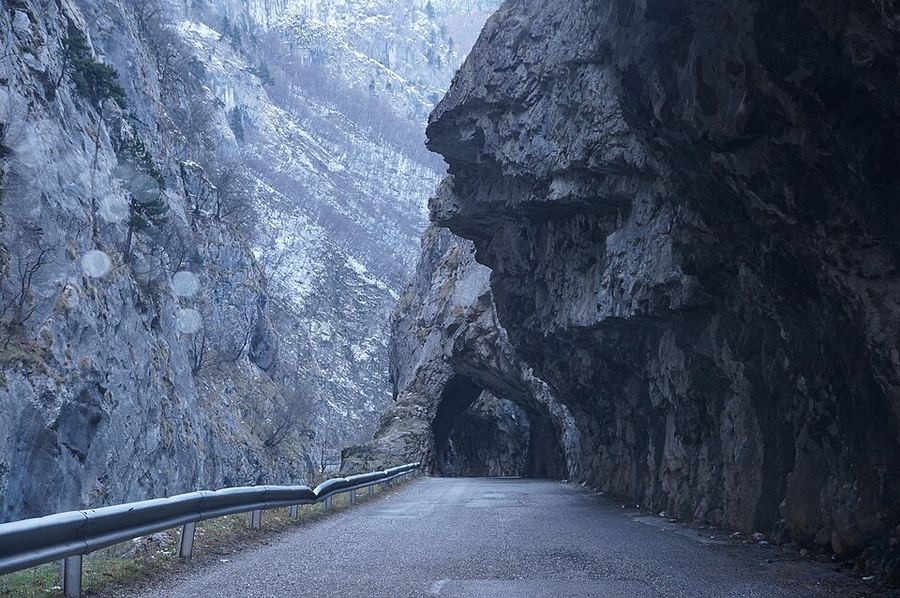
How mountains, coasts, and rivers shape settlement (LandScan).
Coming — dataWhere groups settled and how people move (GeoEPR + UNHCR).
Coming — dataNotable institutions, mappable as points.
Coming — data