HERA · Human Entity Reference Atlas by Masego Inc

← Yemen 🌐 3D View
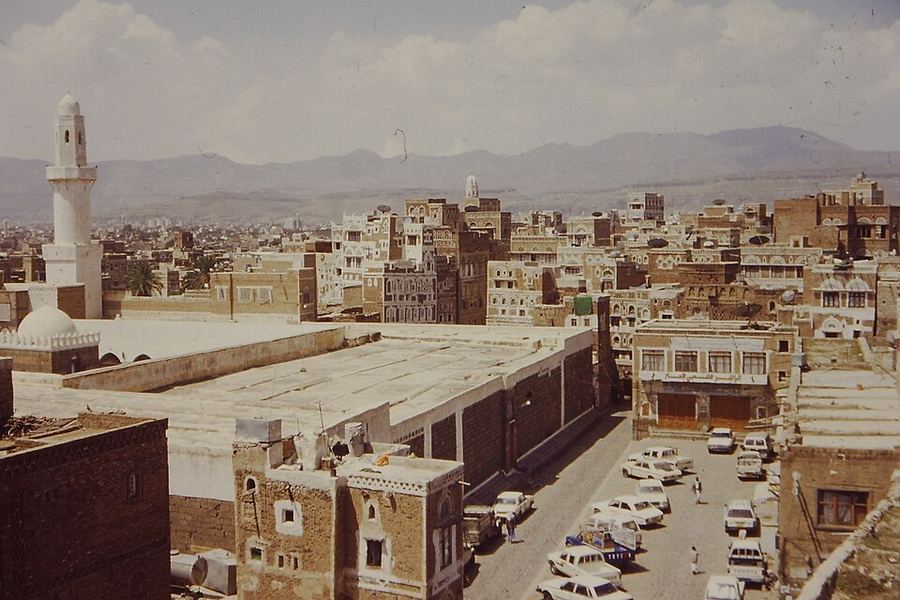
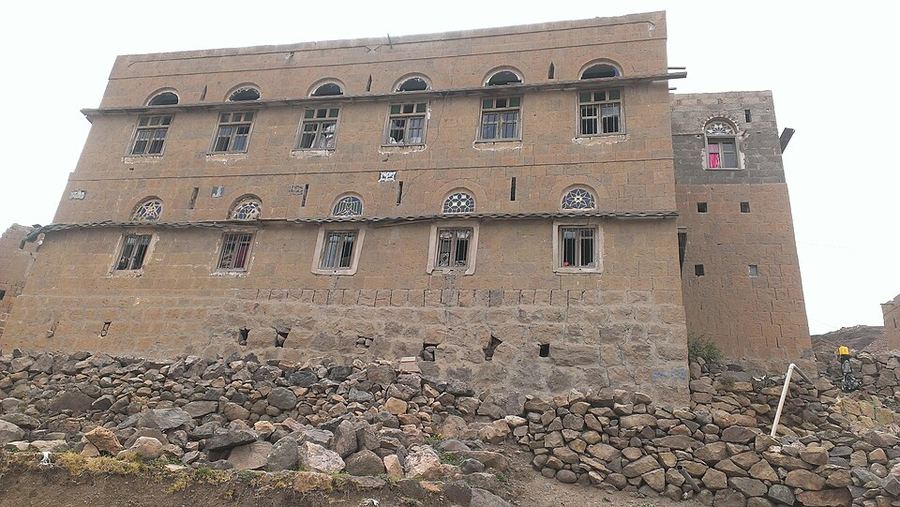
Old City of Sana'a, Yemen
Yemen YEM
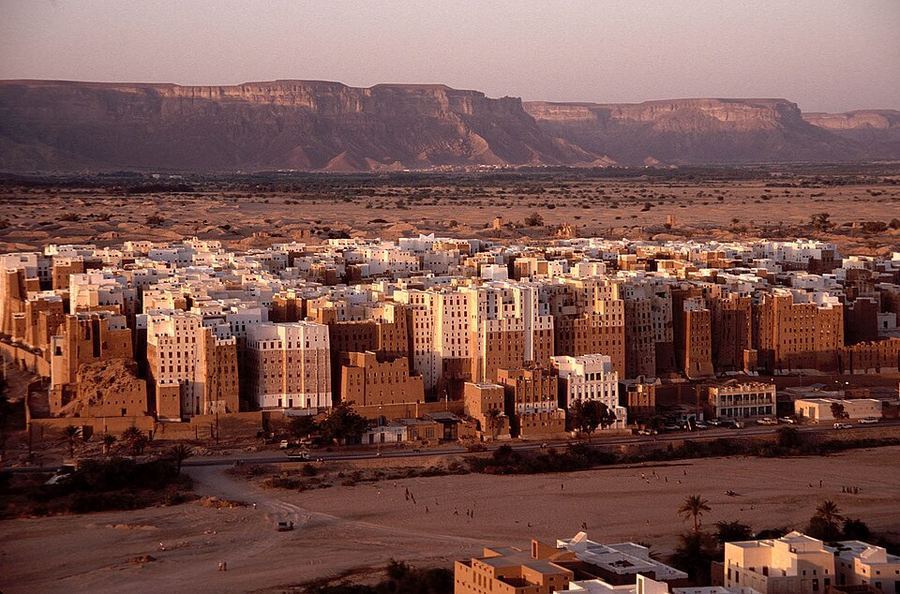
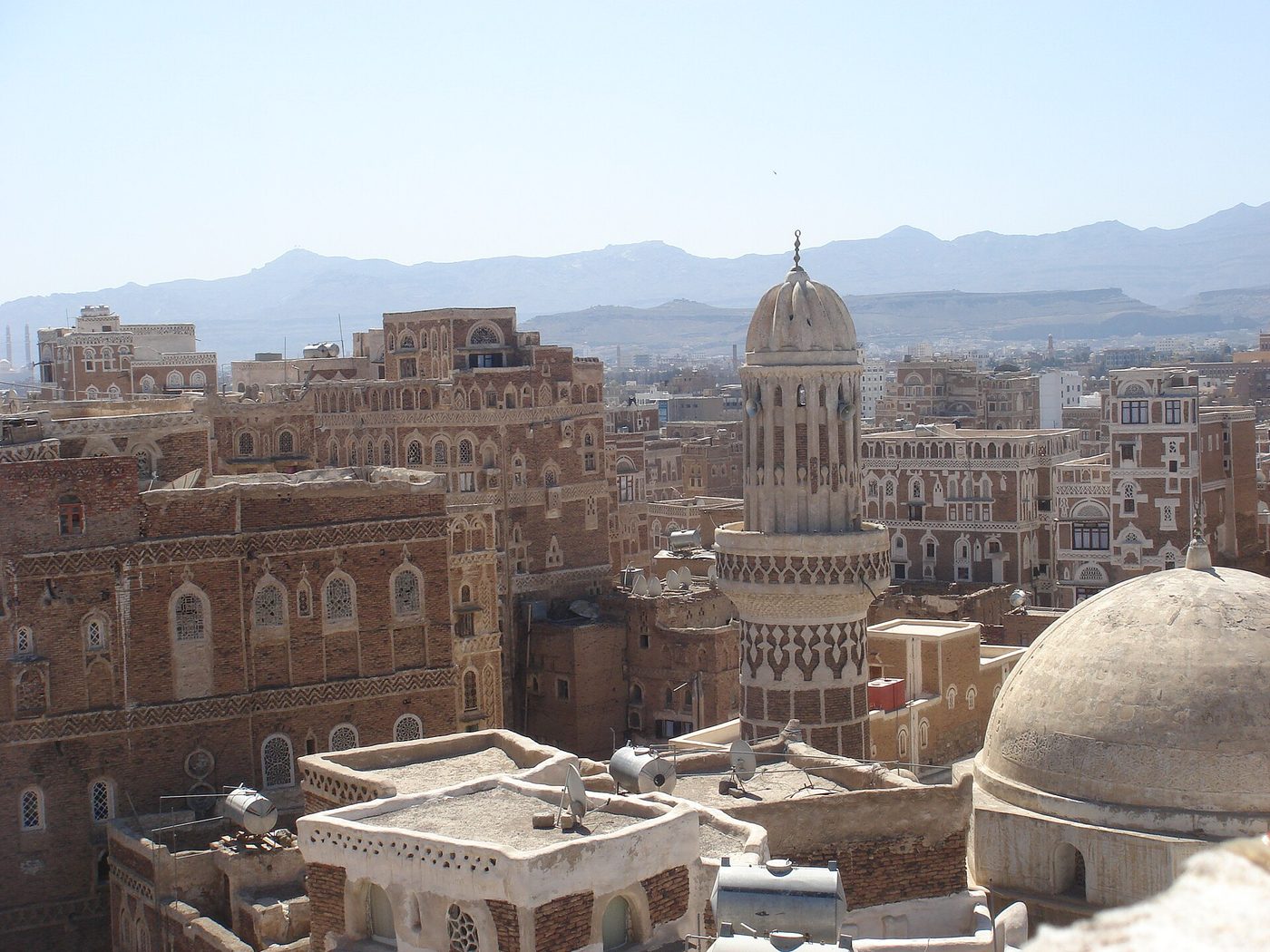
Old City of Sana'a — Photo: Maria Gropa / CC BY-SA 3.0 igo via Wikimedia Commons
Did You Know The great dam at Marib irrigated thousands of hectares for over a thousand years before its final collapse around the sixth century AD, an event remembered in the Quran. — Encyclopaedia Britannica

Yemen occupies the southwestern corner of the Arabian Peninsula, with coasts on the Red Sea and the Gulf of Aden meeting at the Bab el-Mandeb strait, one of the world's most heavily used shipping chokepoints. Its population is around 34.5 million, almost entirely Arab and Arabic-speaking, and Muslim — roughly two-thirds Sunni of the Shafi'i school and about a third Zaydi Shia, a division that historically mattered far less than tribe, region and family. The country was formed on 22 May 1990 by the union of the Yemen Arab Republic in the north, which had emerged from a thousand-year Zaydi imamate overthrown in 1962, and the People's Democratic Republic of Yemen in the south, which had been a British colony centred on Aden until 1967 and then the Arab world's only Marxist state. Yemen is the poorest country in the region and has been at war since 2014, when the Houthi movement took the capital Sanaa and a Saudi-led coalition intervened the following March. Government institutions are divided between Sanaa and Aden, and the United Nations has repeatedly described the resulting humanitarian emergency as among the worst in the world. Yemen also holds four UNESCO World Heritage sites and one of the oldest continuously urbanised landscapes on earth.

CIA World FactbookUNWorld BankEncyclopaedia BritannicaUNHCR
Population
34,505,496
Capital
Sanaa
Currency
None YER
Time zones
Largest city
Sana'a
Human Geography Themes
Loading national figures…
Largest Cities
Sana'a3,759,520
Ta'izz1,284,739
Ibb843,581
Hodeidah776,803
Bi'r Rubak686,016
`Adan497,379
Dhamar337,585
Hawrah254,515
In Perspective

Sana'a's urban core is home to about 3,759,520 people.

That's bigger than Berlin, Rome and Amsterdam — each a great world city in its own right.

Sana'a3,759,520
Berlin3,601,776
Rome2,556,354
Amsterdam1,223,407

Among the world's megacities, though, it's one of many — the giants of Asia and Latin America run larger still:

Sana'a3,759,520
Jakarta40,545,126
Dhaka37,307,160
Tokyo33,244,670
Shanghai30,678,616
Cairo25,230,325
The Country & Its People

History

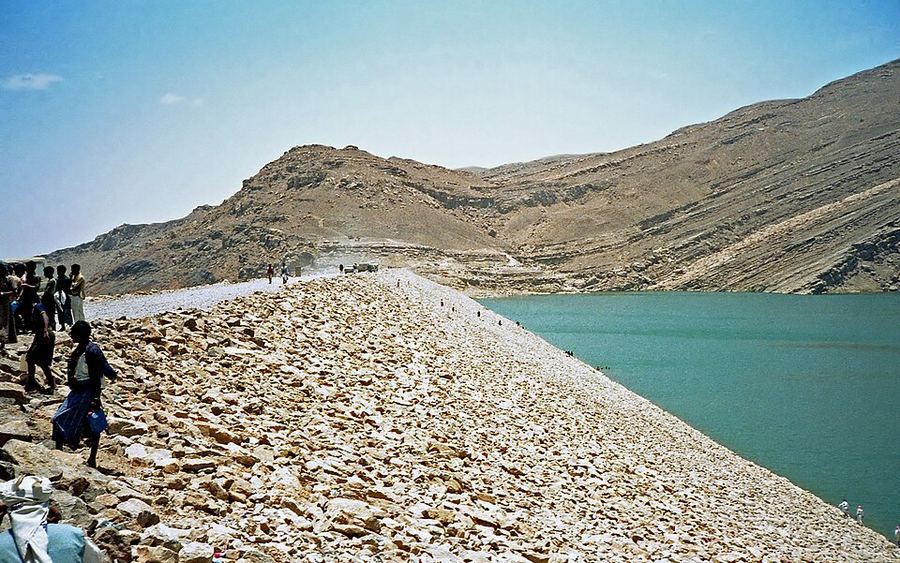
Classical writers called this corner of Arabia Felix, and its wealth came from incense and from the monsoon trade. The kingdoms of Saba, Ma'in, Qataban, Awsan and Hadhramaut rose from the first millennium BC, writing in the South Arabian musnad script and building the great dam at Marib, whose sluices irrigated thousands of hectares for over a thousand years before its final collapse around the sixth century AD, an event remembered in the Quran. Yemen accepted Islam early, and in 897 a Zaydi imamate was founded at Sa'dah that in various forms lasted until 1962. Ottoman forces occupied the highlands twice; Britain took Aden in 1839 and made it a coaling station on the route to India, ruling it as a colony with a hinterland of protected sultanates. The imamate fell to a republican coup in 1962, opening an eight-year civil war in which Egypt backed the republic and Saudi Arabia the royalists; Britain withdrew from Aden in 1967 and the south became a Marxist republic. The two states united on 22 May 1990 under Ali Abdullah Saleh, fought a short civil war in 1994 when the south attempted to secede, and were shaken by the uprising of 2011 that ended Saleh's thirty-three years in power. The transition collapsed when Houthi forces took Sanaa in September 2014.
Culture

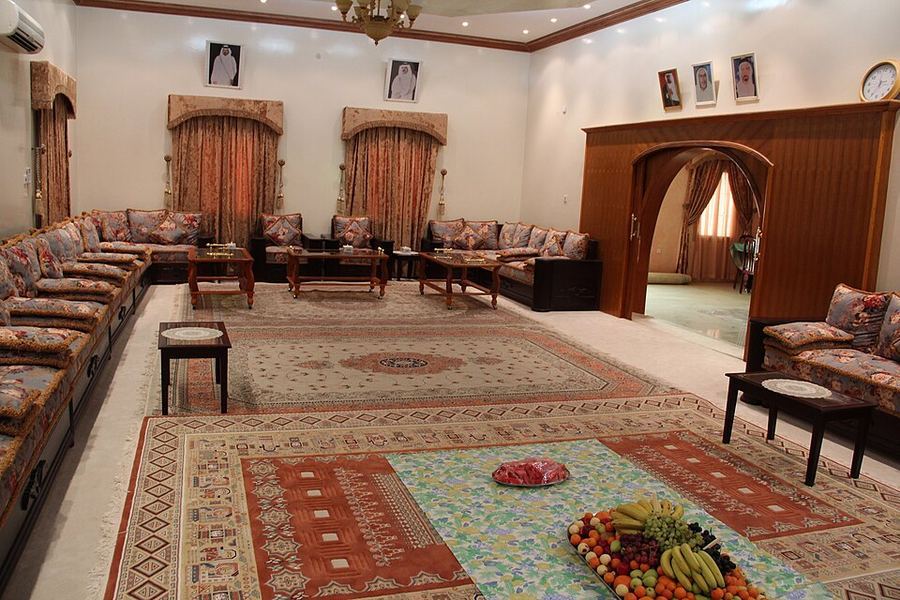
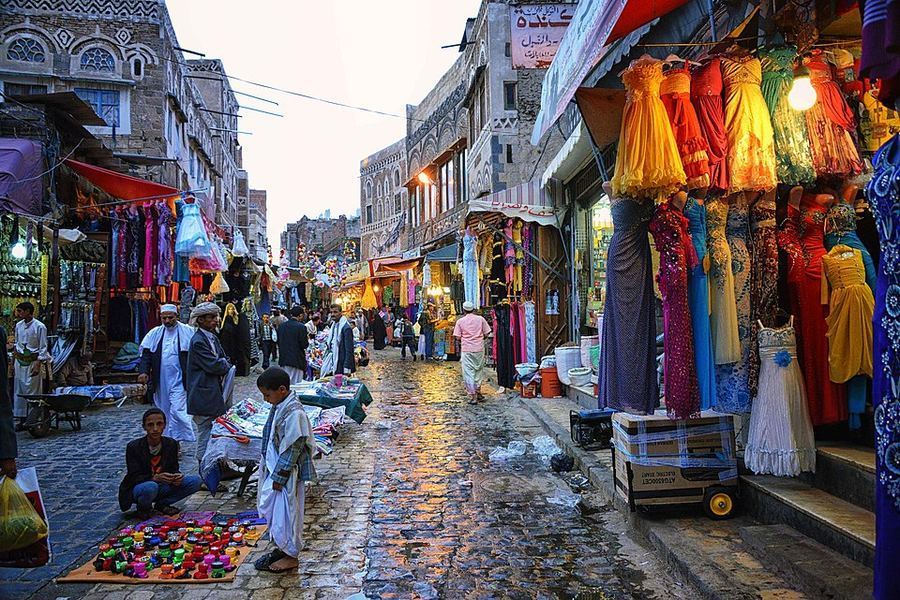
Yemeni society is organised by tribe, family and locality, and in the highlands the great confederations of Hashid and Bakil have historically been able to negotiate with the state as near-equals. Customary law, urf, coexists with sharia and statute, and disputes are often settled by mediation among sheikhs, sealed with chanted zamil poetry composed for the occasion — poetry here is a practical instrument of politics, not only an art. The defining daily institution is the qat session: from the early afternoon men, and separately women, gather in a mafraj, a long cushioned room often at the top of the house with windows over the city, to chew the leaves of the qat shrub, talk, argue and recite for hours. It is the country's principal social forum and also its heaviest consumer of scarce irrigation water. The jambiya, the curved dagger worn at the front of the belt, marks status and region rather than serving as a weapon. Hospitality obligations are strong and weddings extend over days. Yemen's Jewish community, one of the oldest anywhere, was almost entirely airlifted to Israel in 1949 and 1950, ending a presence of well over two thousand years.

Points Of Pride

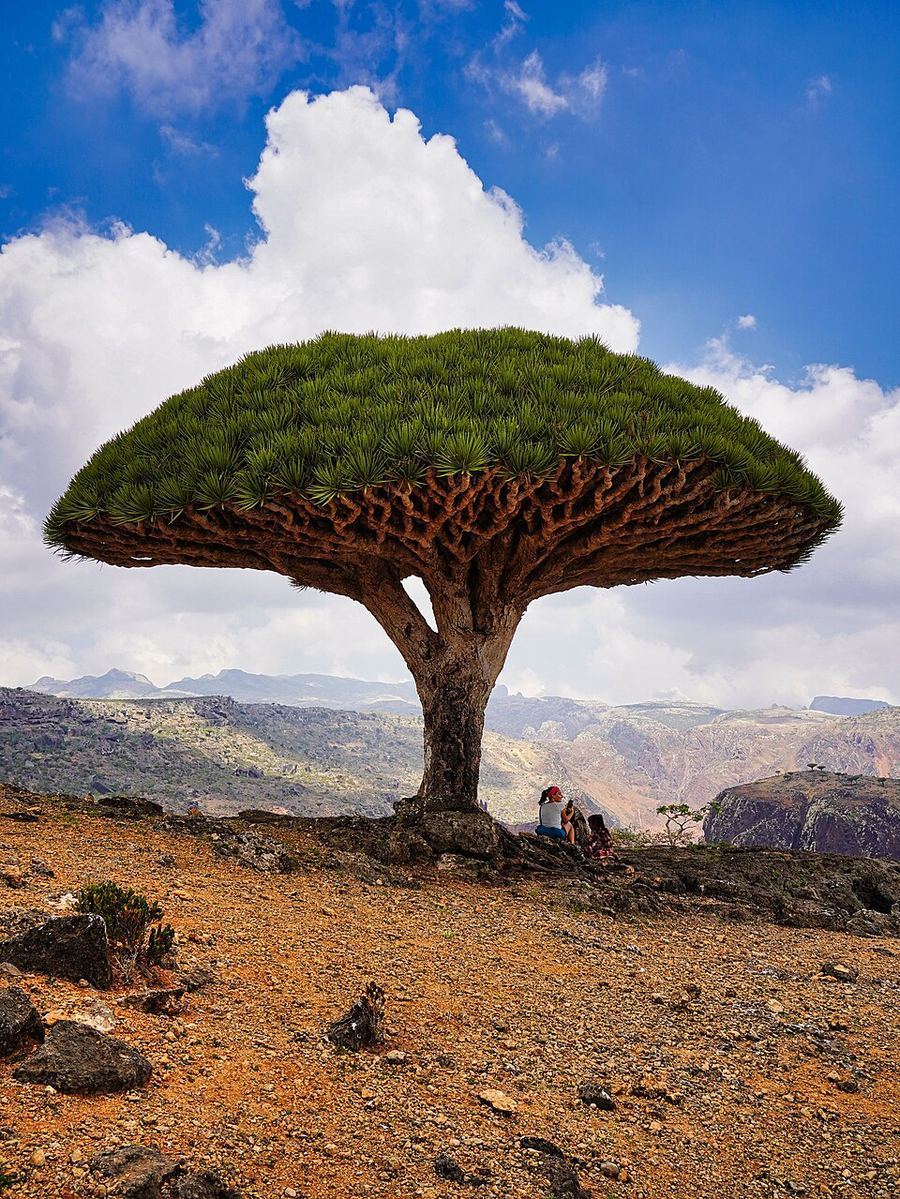
Yemen's architecture is extraordinary and is what the country is proudest of. The Old City of Sanaa, inhabited for more than two and a half thousand years, is a UNESCO World Heritage site of tower houses built in rammed earth and fired brick, decorated with white gypsum tracery and lit through qamariya fanlights of alabaster or coloured glass — an urban landscape with no equivalent anywhere. Shibam in Hadhramaut, walled and built entirely of mud brick with houses rising to seven and eight storeys, has been called the Manhattan of the desert and is among the earliest examples of vertical urban planning. Zabid on the Tihama coast was one of the great centres of Islamic learning. The Socotra archipelago, a fourth World Heritage site, is one of the most biologically distinctive places on earth, where a large share of plant species occur nowhere else and the dragon's blood tree stands like an inverted umbrella on the limestone plateaux. Yemen also gave the world commercial coffee: arabica was first cultivated for trade in its western highlands and shipped from the port of Mocha, whose name still attaches to the drink. Sidr honey from the Hadhramaut valleys is among the most valuable in the world.

Cultural Fusion

Yemen has been a hinge of the Indian Ocean world for millennia, and the traffic ran outward as much as inward. Hadhrami families from the valleys of the southeast established trading and scholarly networks across the ocean — in Indonesia, Malaysia and Singapore, in the Malabar coast and Hyderabad, and along the East African coast — and Hadhrami sayyid lineages were central to the spread and shaping of Islam in Southeast Asia, so that communities of Yemeni descent remain prominent there today. In the other direction, Aden absorbed Indian, Persian, Somali, Ethiopian and Jewish communities and became a genuinely cosmopolitan port under British rule, with a legal, commercial and educational culture quite unlike the highlands. Across the Bab el-Mandeb, movement between Yemen and the Horn of Africa has been continuous, and Yemen still hosts Somali and Ethiopian refugees despite its own crisis. The Ottoman presence left administrative vocabulary, coffee-house culture and architectural detail; the British left English in Aden and a distinct southern legal inheritance, later overlaid by Soviet-aligned socialism. The Yemeni Jewish community left a lasting mark on silversmithing, and the highland terraces and the coastal Tihama, with its African-influenced round thatched houses, are near-separate cultural worlds inside one country.

Music & Dance

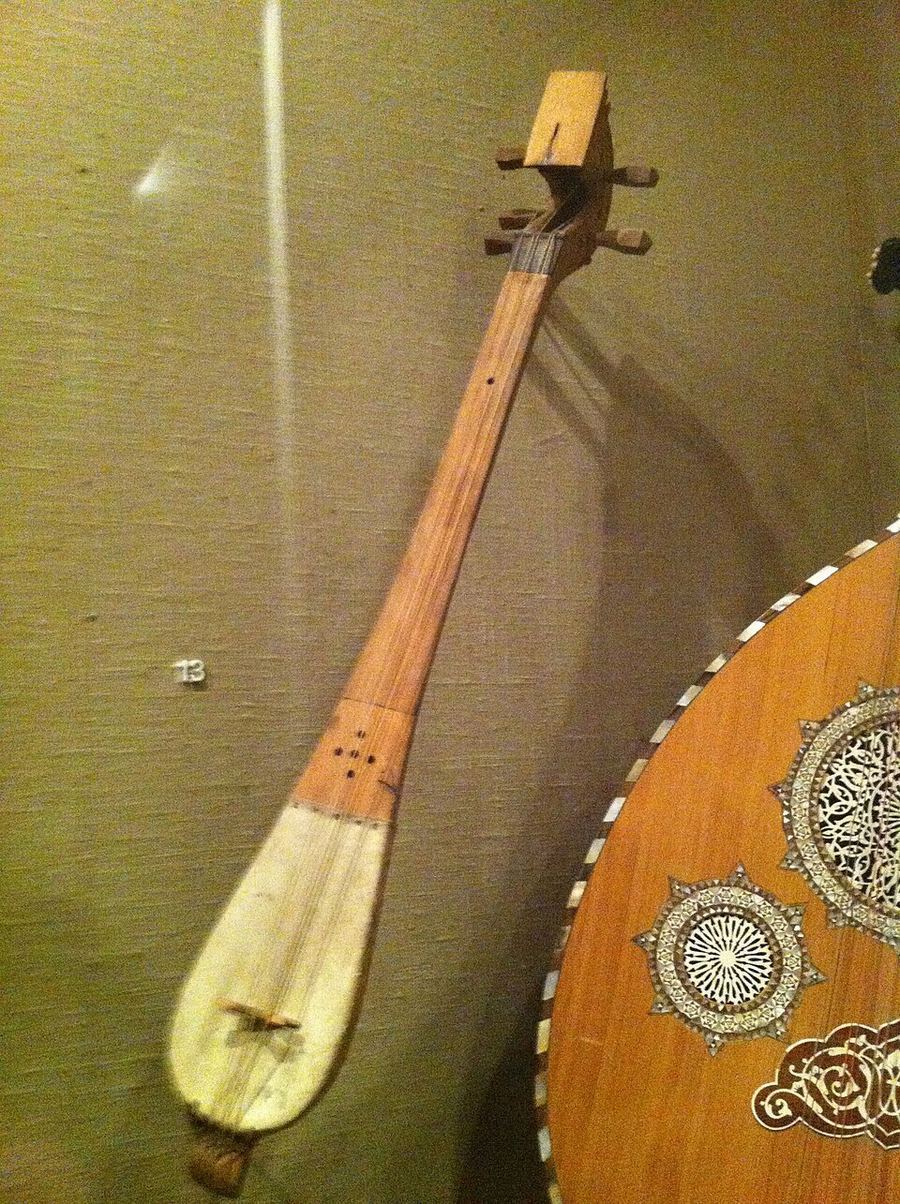
The classical art music of Yemen is the song of Sanaa, al-ghina al-San'ani, recognised by UNESCO as intangible cultural heritage: a repertoire of sung poetry in classical Arabic and Yemeni Arabic, performed in the intimate setting of a qat session, accompanied by the qanbus lute and by a copper tray struck with the fingers, moving through a fixed sequence of moods. The qanbus itself travelled with Hadhrami traders and became the gambus of Malaysia and Indonesia, one of the clearest musical traces of the Yemeni diaspora. Tribal performance centres on the bara', a men's dance in which a line or circle of dancers moves to drums with their jambiya drawn, each region having its own step and rhythm, performed at weddings and at moments of political assertion. Zamil, the chanted collective poem, is used in mediation, welcome and challenge. Hadhramaut has its own dan poetry and song tradition, and the Tihama coast has African-influenced drumming. In the twentieth century Aden's radio and recording industry produced singers whose work became popular across the Arabian Peninsula, among them Abu Bakr Salem and Ahmed Fathi, and Yemeni song has had a lasting influence on Gulf popular music.

Cuisine & Misattributed Foods

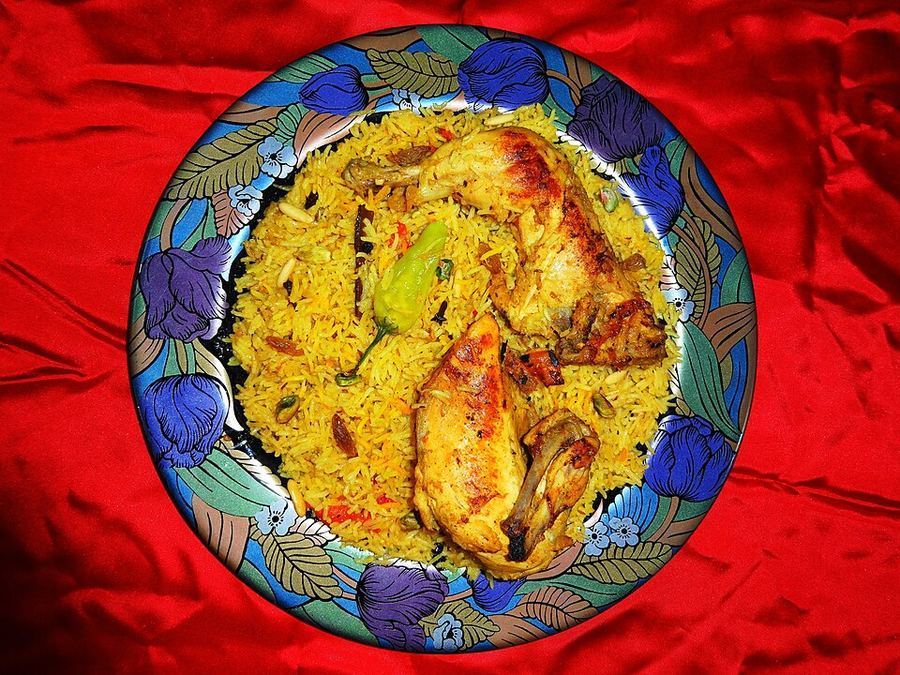
The national dish is saltah, a meat and vegetable stew served furiously bubbling in a blackened stone pot and topped with hulba, a whipped fenugreek froth, eaten by tearing flatbread and scooping straight from the pot. Fahsa is a close relative made with shredded lamb. The other great Yemeni contribution is mandi, meat and spiced rice cooked in a pit oven from the Hadhramaut, which has spread across the Arabian Peninsula and beyond and is now one of the most widely eaten dishes in the Gulf; zurbian is its spiced, saffron-tinted cousin. Bread comes in many forms from the tanoor — malooj, khubz tanoor, and the flaky layered bread of the coast. Bint al-sahn, a many-layered pastry brushed with clarified butter and drenched in honey and nigella seed, is the ceremonial sweet. Sahawiq, a fiery relish of chilli, tomato, garlic and coriander, accompanies almost everything. Yemen's coffee is the origin of the trade, and Yemenis traditionally drank qishr, an infusion of the dried coffee husk with ginger and spices, as much as the bean itself. Sidr honey, produced from jujube blossom in Hadhramaut, commands extraordinary prices internationally.

National Dress

Yemeni men's dress is regionally distinct and highly legible. In the highlands men wear a long thobe or a zanna with a jacket, and around the waist a broad decorated belt carrying the jambiya, the curved dagger whose hilt material and angle of wear signal descent and status — the most prized hilts were of rhinoceros horn, a preference that made Yemen a significant destination in the illegal horn trade and a focus of conservation campaigns. The head is wrapped in a mashadda, a patterned cloth wound into a distinctive turban. In the Tihama and much of the south men wear the futah, a wrapped kilt, with a light shirt. Women's dress varies by region and generation: bright embroidered and often silver-trimmed gowns and trousers in rural areas, worn in public under an outer covering — in Sanaa historically the sitara, a printed red-and-blue wrap, now largely replaced by the black balto or abaya with a face veil. Yemeni silver jewellery, much of it made historically by Jewish silversmiths of Sanaa working in filigree and granulation, is among the finest traditional metalwork of the Arab world and remains a valued inheritance.

Sports & Inspiring Athletes

Football is by a very wide margin the most popular sport, played on rough ground in every town and followed passionately, with the domestic league historically centred on clubs in Sanaa, Aden, Taiz and Hodeidah. The national team is known as the Red Devils. Yemen invested in stadiums in Aden and Abyan when it hosted the Gulf Cup of Nations in 2010, the largest sporting event the country has staged. Since 2015 organised sport has been devastated: stadiums have been damaged or repurposed, the league has run intermittently or not at all, players have been displaced or killed, and the national team has played its home fixtures in neutral countries for a decade. Beyond football, athletics, volleyball, basketball, wrestling, weightlifting and taekwondo have national federations, and traditional pursuits including camel and horse racing continue in some regions, particularly in Hadhramaut and the Tihama. The bara' dagger dance, performed at weddings and gatherings, is a form of physical display closer to sport than to theatre. Women's participation in organised sport has always been limited and has narrowed further during the conflict.

Notable Educational Programs

Yemen has a long and distinguished scholarly tradition — Zabid on the Tihama coast was one of the great centres of Islamic learning in the medieval Muslim world, drawing students from across the region to its mosque and madrasas, and the Zaydi highlands maintained their own network of scholarly enclaves. The modern system was built late and unevenly: Sanaa University was founded in 1970 and Aden University in 1975, and primary enrolment expanded substantially in the 1990s and 2000s, though adult literacy remained around half the population and much lower among women, one of the widest gender gaps in education anywhere. The war has been catastrophic for schooling. Large numbers of school buildings have been damaged, destroyed or occupied for military use or as shelter for displaced families; teachers across much of the country have gone unpaid for years and have left the profession or emigrated; and United Nations agencies estimate that millions of children are out of school, with girls, displaced children and those in frontline governorates worst affected. Universities have continued to operate in reduced form. Rebuilding teacher salaries, school infrastructure and enrolment is identified by aid agencies as one of the country's most urgent long-term needs.

Wars & Conflicts

Yemen has been at war since 2014. The Houthi movement, a Zaydi revivalist group from Sa'dah that had fought six rounds against the government between 2004 and 2010, took Sanaa in September 2014 in alliance with forces loyal to the former president Ali Abdullah Saleh, and advanced south; in March 2015 a coalition led by Saudi Arabia and the United Arab Emirates began an air campaign in support of the internationally recognised government. The conflict has fragmented rather than resolved: the Houthis control the most populous north including Sanaa, the recognised government and the Southern Transitional Council — which seeks southern independence and took Aden in 2019 — hold parts of the south, and al-Qaeda in the Arabian Peninsula and an Islamic State branch operate in the interior. Saleh was killed in December 2017 after breaking with the Houthis. Taiz was besieged for years and Hodeidah's port became the subject of a separate agreement in 2018. A United Nations-brokered truce in April 2022 reduced fighting substantially and front lines have been largely static since, but no peace agreement has been concluded. The humanitarian consequences — displacement of millions, famine risk, the largest cholera epidemic in modern records, and a collapse of health and water systems — have been described by the United Nations as among the worst in the world.
Current as of 2026-08-07

Land & Border Disputes

Yemen's external boundaries are, unusually for the region, largely settled. The long-contested frontier with Saudi Arabia was fixed by the Treaty of Jeddah in 2000, building on the 1934 Treaty of Taif, and the border with Oman was agreed in 1992. The dispute with Eritrea over the Hanish Islands in the southern Red Sea, which produced armed clashes in 1995, was resolved through international arbitration: a tribunal awarded the main islands to Yemen in 1998 and delimited the maritime boundary the following year, and both states accepted the outcome — a rare and much-cited success for third-party arbitration in the region. Yemen's live disputes are internal and constitutional. The Southern Transitional Council seeks the restoration of an independent southern state within the borders of the pre-1990 People's Democratic Republic, and its relationship with the internationally recognised government has oscillated between coalition and armed confrontation despite the Riyadh Agreement of 2019. Control of Socotra, where a substantial Emirati-backed presence has developed, is contested politically. Beyond territory, the security of navigation through the Bab el-Mandeb has become an international question since attacks on shipping began in late 2023.
Land, Life & Legacy

Land & Climate

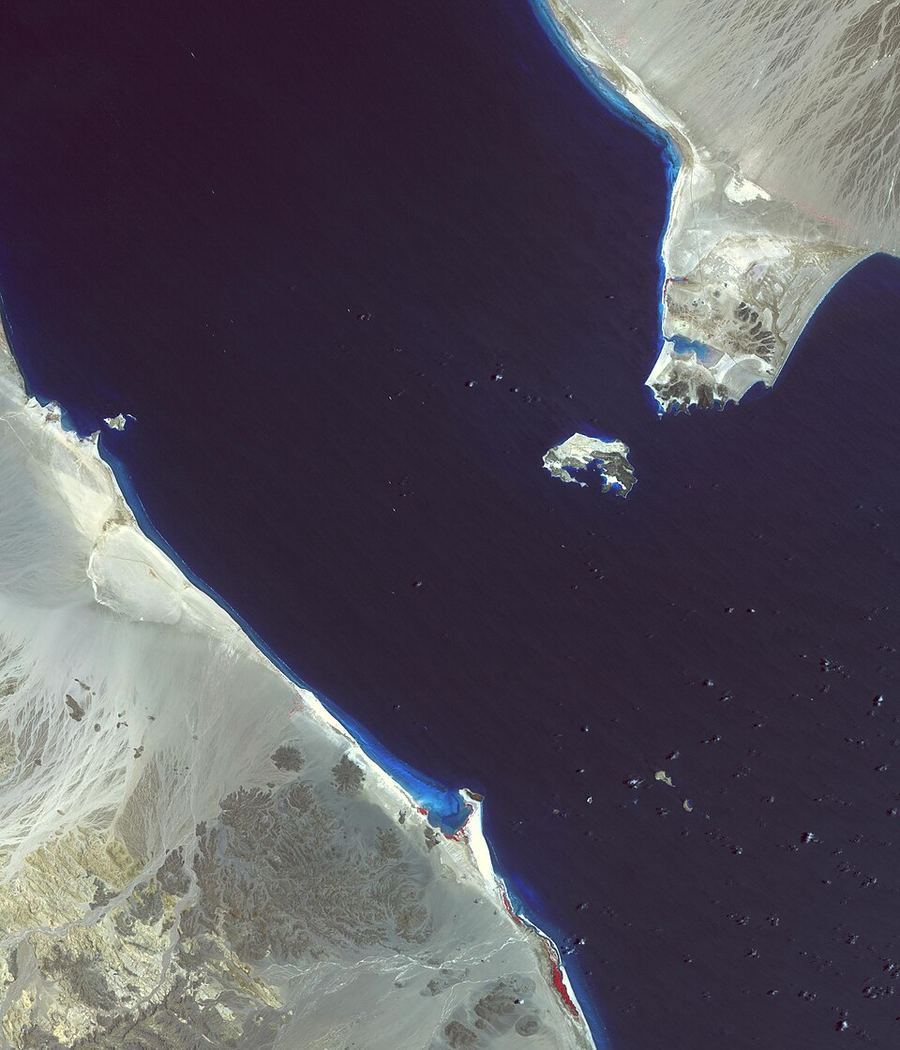
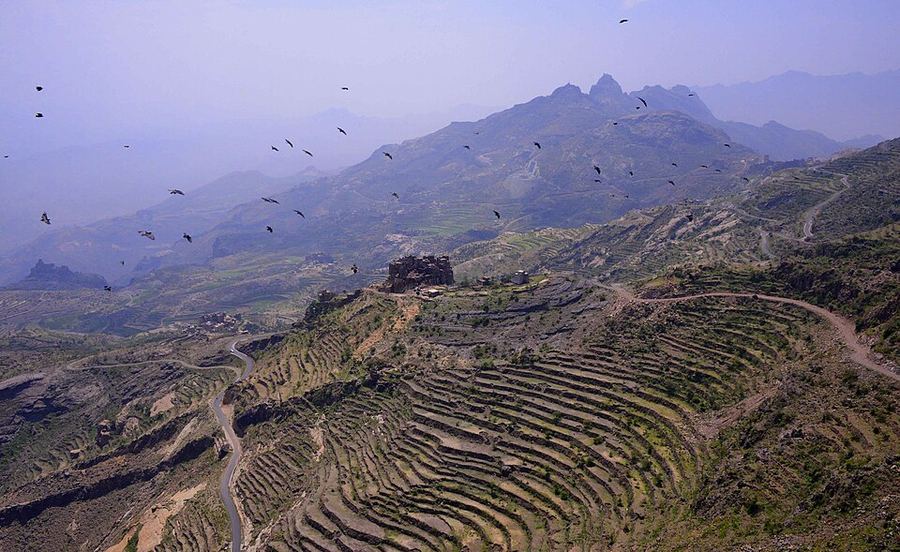
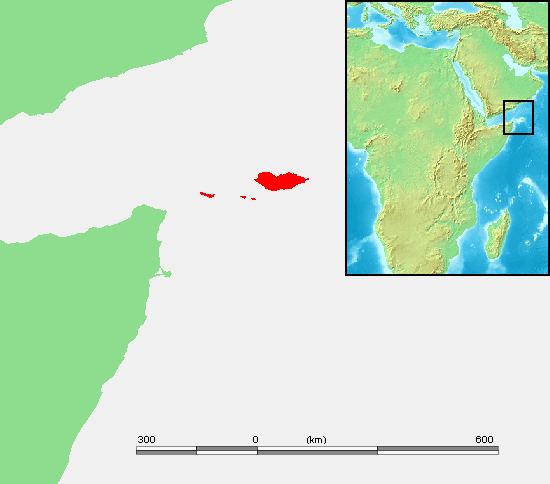
Yemen falls into sharply separated zones. The Tihama is a hot, humid coastal plain along the Red Sea. Behind it the western highlands rise abruptly to the highest ground in Arabia — Jabal an-Nabi Shu'ayb reaches about 3,666 metres — and these mountains catch enough monsoon moisture to support the terraced agriculture that is Yemen's most striking human landscape, with stone-walled terraces stacked up entire mountainsides and maintained for centuries. East and north the land falls away into the desert margins of the Rub' al-Khali, the Empty Quarter. The southeast is cut by the great wadis of Hadhramaut, deep flat-floored valleys with mud-brick towns and date and jujube cultivation. Offshore, the Socotra archipelago lies closer to the Horn of Africa than to Arabia and has an ancient isolated flora, with a very high proportion of endemic plant species including the dragon's blood tree. The Bab el-Mandeb strait between Yemen and Djibouti is only about thirty kilometres wide at its narrowest and carries a large share of the world's seaborne trade. Water is the country's binding constraint: aquifers under Sanaa are being drawn down far faster than they recharge, and qat irrigation consumes a large share of what remains.

Entertainment

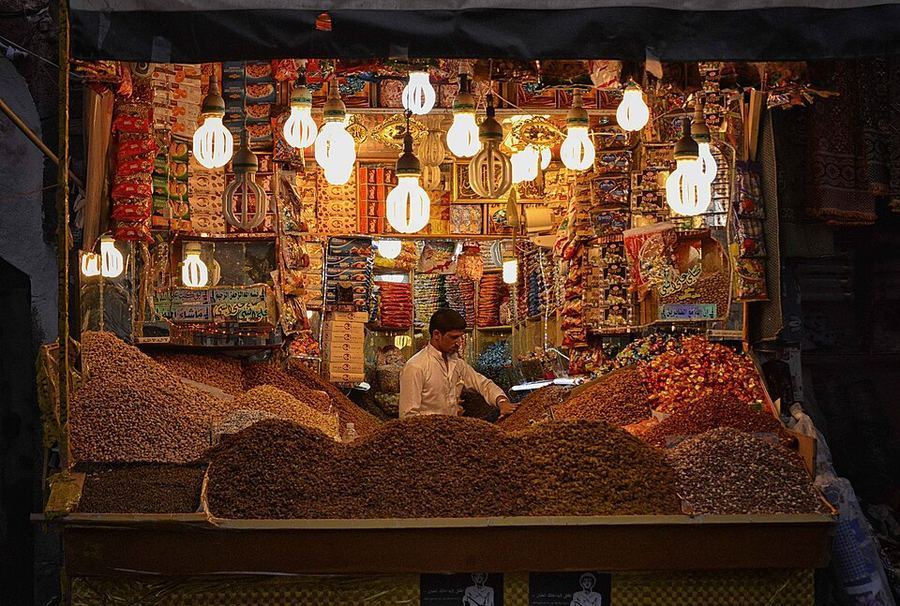
The qat session is the centre of Yemeni leisure and has no real equivalent elsewhere. From early afternoon until sunset, men gather in the mafraj — men and women in separate gatherings — chewing qat leaves stored in the cheek, drinking water and cold tea, smoking the madaa water pipe, and talking. Business is done there, marriages arranged, disputes mediated, poetry recited and, historically, the song of Sanaa performed. Football is the other national pastime, watched obsessively and played on any open ground, with European leagues followed closely. Weddings are the major recreational events, lasting several days and involving processions, bara' dancing and communal meals. In the highlands, walking and picnicking in the terraced countryside and visits to shrines and market towns fill the weekend; on the coast, fishing and the sea; in Aden before the war, the beaches and the Crater district's cafés. Poetry recitation and competitive composition remain genuinely popular activities rather than elite pursuits. The war has curtailed almost all of this — fuel shortages restrict travel, public gatherings carry risk, and many venues have been damaged or closed — but qat sessions and football have continued throughout.

Art & Museums

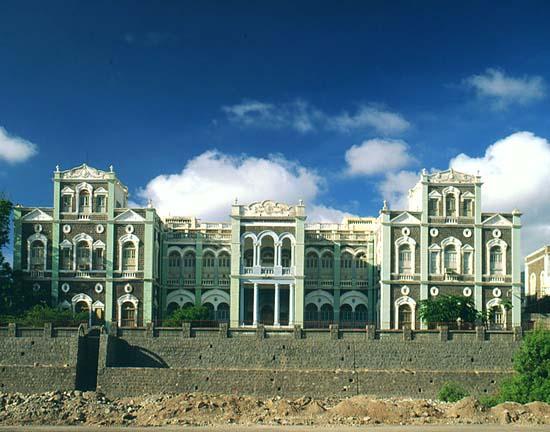
Architecture is Yemen's supreme art. The tower houses of Sanaa, rising six to nine storeys in stone, rammed earth and fired brick, are decorated with bands and lozenges of white gypsum applied like icing and pierced by qamariya, semicircular fanlights of thin alabaster or coloured glass set in gypsum tracery, which fill the upper rooms with coloured light. Shibam's mud-brick towers achieve similar heights entirely in earth, replastered against the rain. Zabid's brickwork and Rasulid-era mosques, and the great mosque of Sanaa, one of the earliest in Islam, extend the tradition; it was in the roof of that mosque that a cache of very early Quranic manuscripts, the Sanaa palimpsest, came to light in 1972, transforming the study of the text's transmission. Yemeni silver filigree, jambiya hilt carving, indigo dyeing and weaving on the Tihama, and basketry are the principal crafts. Modern Yemeni art and letters are strong and largely diasporic: the poet Abdullah al-Baradduni is the towering twentieth-century literary figure, alongside Abd al-Aziz al-Maqalih, and the photographer Bushra al-Mutawakel has exhibited internationally with series examining veiling and women's visibility.

Notable People

Al-Hasan al-Hamdani, the tenth-century geographer, genealogist and poet, wrote the description of the Arabian Peninsula that remains a foundational source for the region's historical geography. The Rasulid sultans of the thirteenth and fourteenth centuries were unusual as ruling scholars, producing treatises on agriculture, medicine, astronomy and a celebrated multilingual dictionary. In modern times Ali Abdullah Saleh dominated northern and then unified Yemeni politics for thirty-three years until 2012 and was killed in Sanaa in December 2017; Abdrabbuh Mansur Hadi succeeded him and headed the internationally recognised government until the Presidential Leadership Council was formed in 2022; Abdul Malik al-Houthi has led the Houthi movement since 2004. Tawakkol Karman, a journalist and human rights campaigner who led protests in Sanaa's Change Square, shared the Nobel Peace Prize in 2011, becoming the first Arab woman to receive it. Abdullah al-Baradduni, blind from childhood, is regarded as the greatest modern Yemeni poet. Abu Bakr Salem and Ahmed Fathi carried Yemeni song across the Arabian Peninsula, and Nadia Al-Sakkaf became the first woman to edit a Yemeni newspaper and later served as information minister.

Inventions & Breakthroughs

The great dam of Marib, begun in the first millennium BC and repeatedly rebuilt, is one of the outstanding engineering works of the ancient world: a barrage across a wadi with sluice gates and distribution canals that irrigated many thousands of hectares and sustained the Sabaean state for over a millennium until its final breach around the sixth century AD. Equally impressive, and still in use, are the mountain terraces of the western highlands — thousands of kilometres of stone-walled steps that convert steep slopes into cultivable land while capturing rainfall and arresting erosion, a soil and water technology maintained continuously for well over two thousand years. Yemeni builders developed high-rise construction in unfired earth at Shibam, raising mud-brick towers of seven and eight storeys with tapering walls and timber floors, among the earliest sustained vertical urbanism anywhere. Water harvesting reached its own sophistication in the stepped cisterns of Aden and the rooftop and cistern systems of Sanaa. Yemen's most globally consequential innovation, though, was agricultural and commercial: the systematic cultivation of coffee for export in the highlands from around the fifteenth century, and the trade through the port of Mocha that carried the drink to the Ottoman world and then to Europe.

Science & Technology

Yemen's scientific heritage is ancient and textual as much as material. The South Arabian kingdoms left thousands of monumental inscriptions in the musnad script that are the primary source for pre-Islamic Arabian history, and the hydraulic engineering of Marib is studied as a case of long-duration water management. The Rasulid sultans of the thirteenth and fourteenth centuries produced agricultural treatises and astronomical almanacs of genuine scientific content, along with a remarkable six-language dictionary compiled for Indian Ocean trade. In 1972 the discovery of a cache of manuscripts in the roof of the Great Mosque of Sanaa — including a palimpsest carrying an erased earlier Quranic text beneath a later one — gave scholars their most important physical evidence for the early transmission of the text. Socotra is a global reference site for island biogeography, with a flora of exceptional endemism under study and under threat. Contemporary Yemeni science has been largely destroyed by the war: universities and laboratories have lost funding and staff, and much of the country's research capacity has emigrated. One notable adaptation has come from below — with the national grid collapsed, households and businesses have installed rooftop solar panels on a very large scale, making Yemen an unplanned case study in distributed off-grid electrification.
On The World Stage

Champions & Defining Moments

Yemen's landmark international sporting achievement is its qualification for the AFC Asian Cup in 2019, the first time the country reached the continental finals, where it lost all three group matches but competed at the top level of Asian football for the first time. It hosted the Gulf Cup of Nations in Aden and Abyan in 2010, an event that carried significant political as well as sporting weight. In football's global competitions Yemen has never reached a World Cup, and its qualifying campaigns have been played almost entirely away from home since 2015. At the Olympic Games, North Yemen and South Yemen competed separately in the 1980s and unified Yemen has taken part since Barcelona in 1992, entering very small teams in athletics, judo, swimming and shooting; the country has not won an Olympic medal. Yemeni athletes also compete at the Asian Games, the Arab Games and the Islamic Solidarity Games, where results are strongest in weightlifting and combat sports. The war has cut training, funding and international travel, and a number of Yemeni athletes now compete from abroad after displacement.

Economy, Trade & Government

Currency & GDP

Yemeni Rial — YER (None)

GDP (PPP): $18.719 billion (2024 est.)

Per capita: $200 (2024 est.)

Exports

$384.5 million (2017 est.)

gold, fish, scrap iron, shellfish, industrial acids/oils/alcohols (2023)

Partners: UAE 28%, India 21%, Saudi Arabia 17%, Oman 7%, Malaysia 5% (2023)

Imports

$4.079 billion (2017 est.)

wheat, raw sugar, rice, iron bars, plastic products (2023)

Partners: China 23%, UAE 15%, Saudi Arabia 11%, Turkey 8%, India 7% (2023)

Government

Type: in transition

Independence: 22 May 1990 (Republic of Yemen established with the merger of the Yemen Arab Republic [Yemen (Sanaa) or North Yemen] and the People's Democratic Republic of Yemen [Yemen (Aden) or South Yemen]); notable earlier dates: 1 November 1918 (North Yemen independent from the Ottoman Empire), 27 September 1962 (North Yemen becomes republic), 30 November 1967 (South Yemen independent from the UK)

Terrain → Where People Live

How mountains, coasts, and rivers shape settlement (LandScan).

Coming — data

Migration & Ethnic Settlement

Where groups settled and how people move (GeoEPR + UNHCR).

Coming — data

Universities

Notable institutions, mappable as points.

Coming — data
Economy & government facts: CIA World Factbook (public domain), via OpenFactBook / factbook.json.
Every fact and narrative claim will carry a visible source citation. Data-driven sections light up automatically wherever HERA has coverage.