History
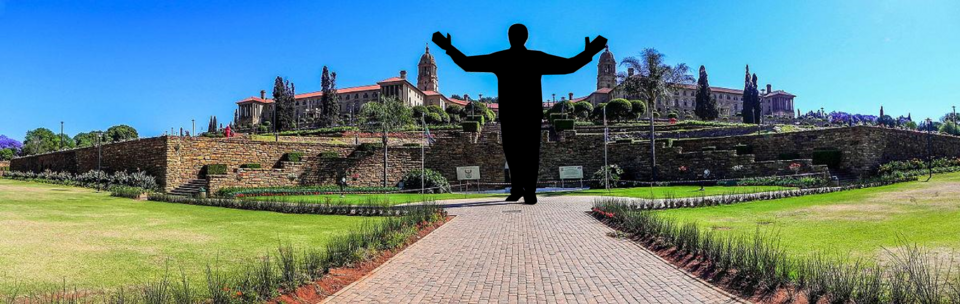
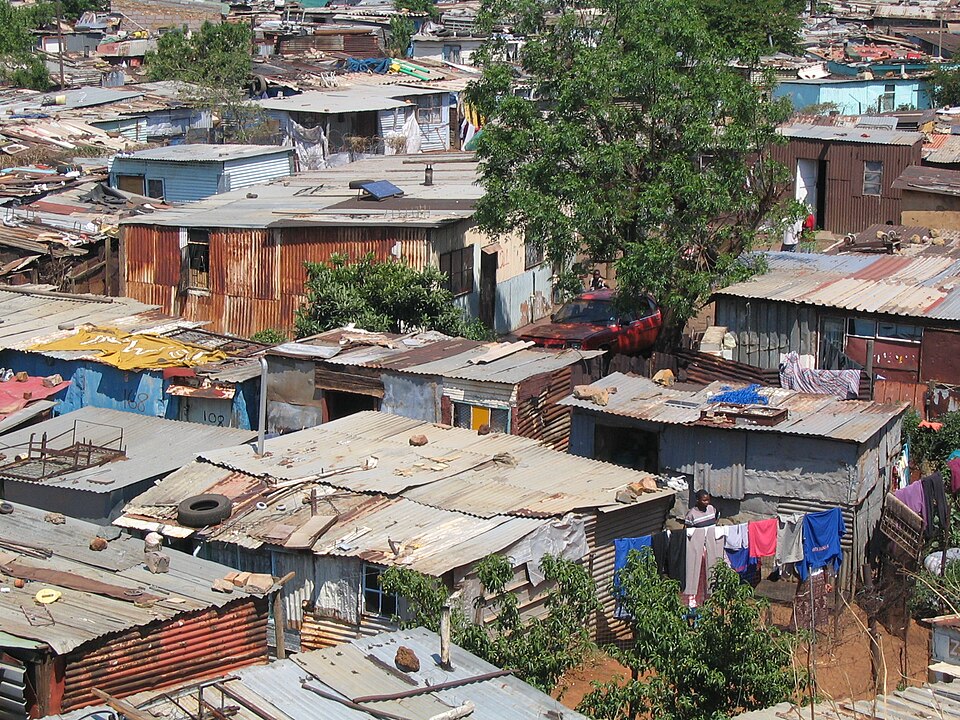
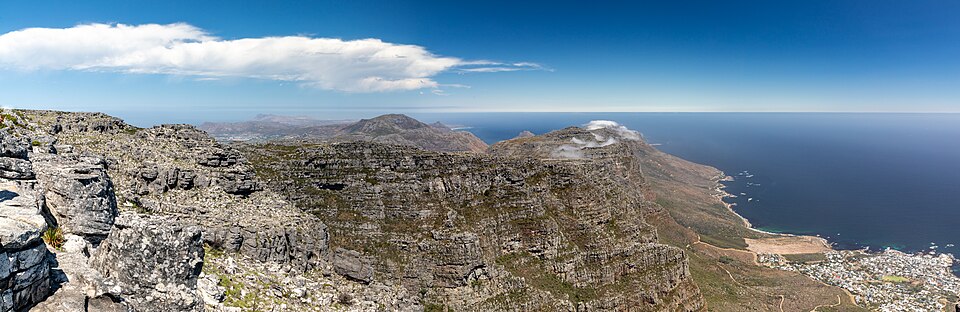
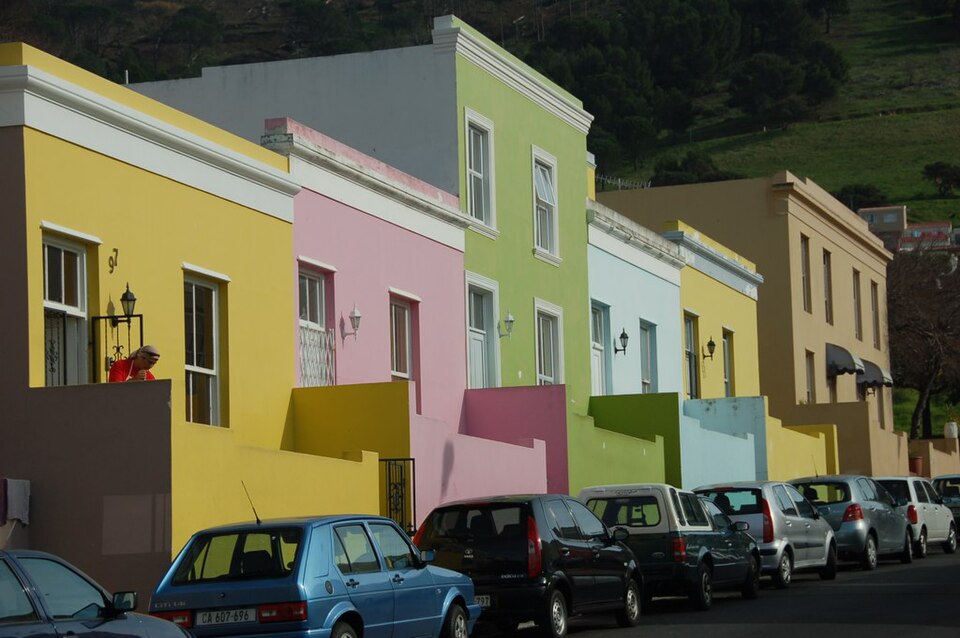
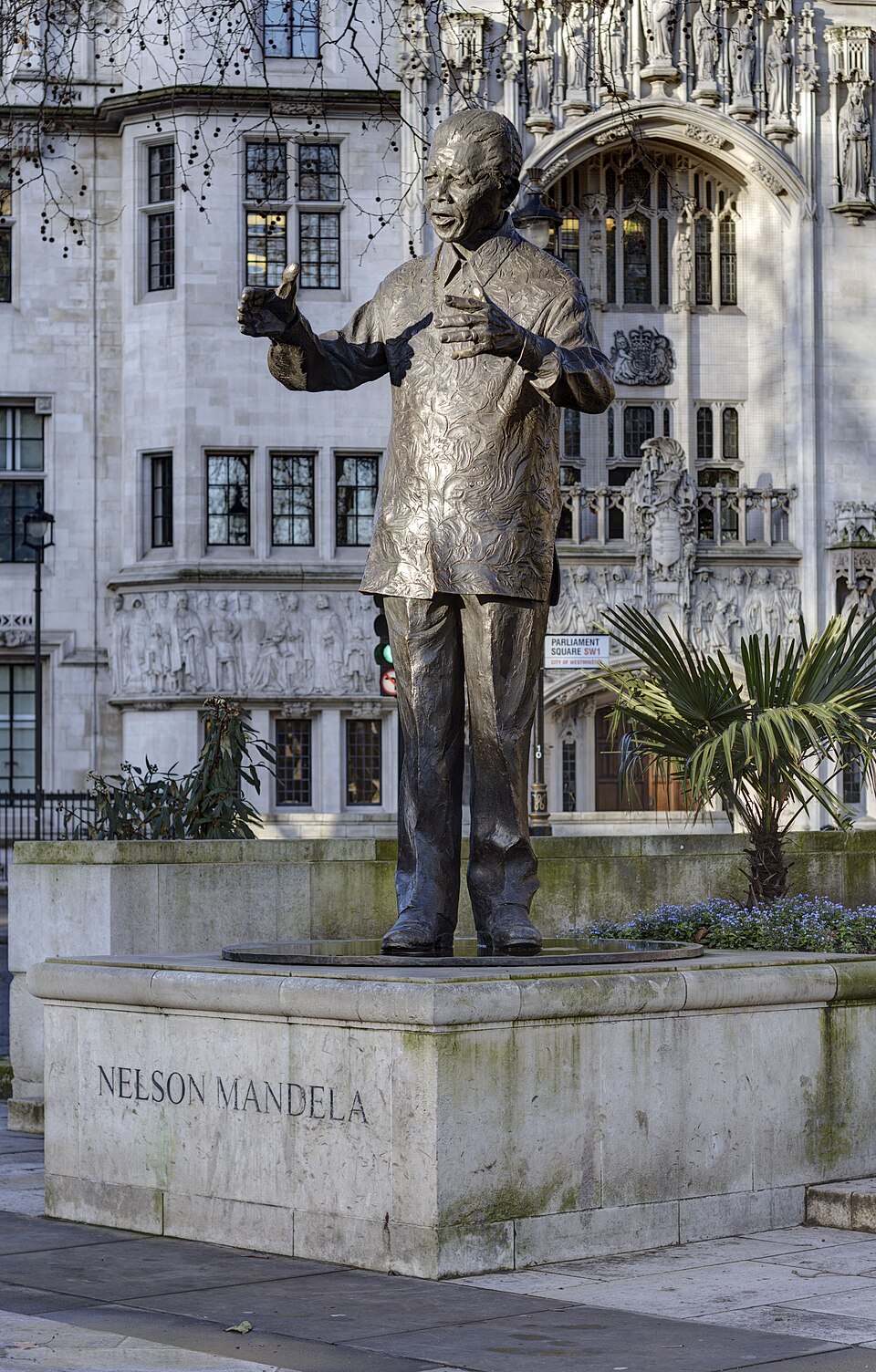
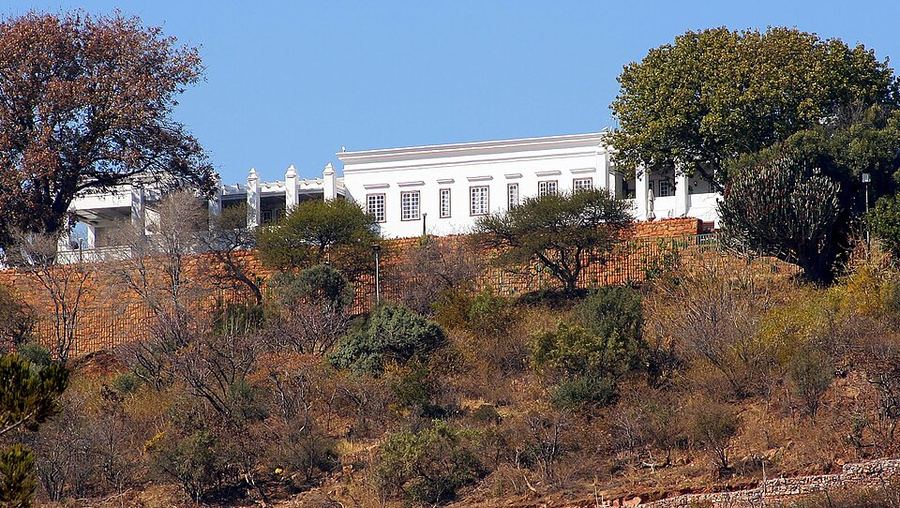
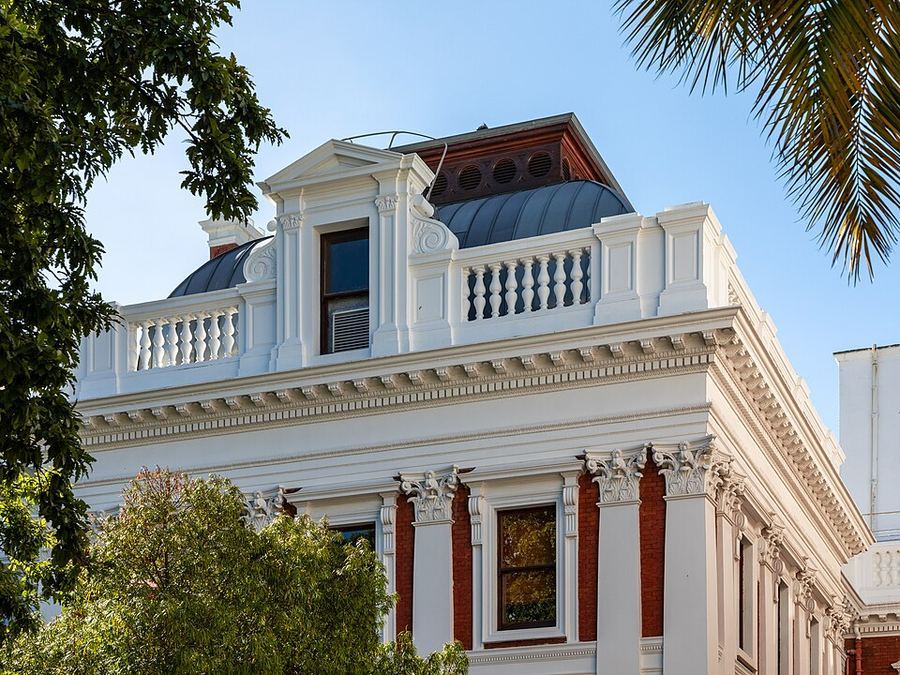
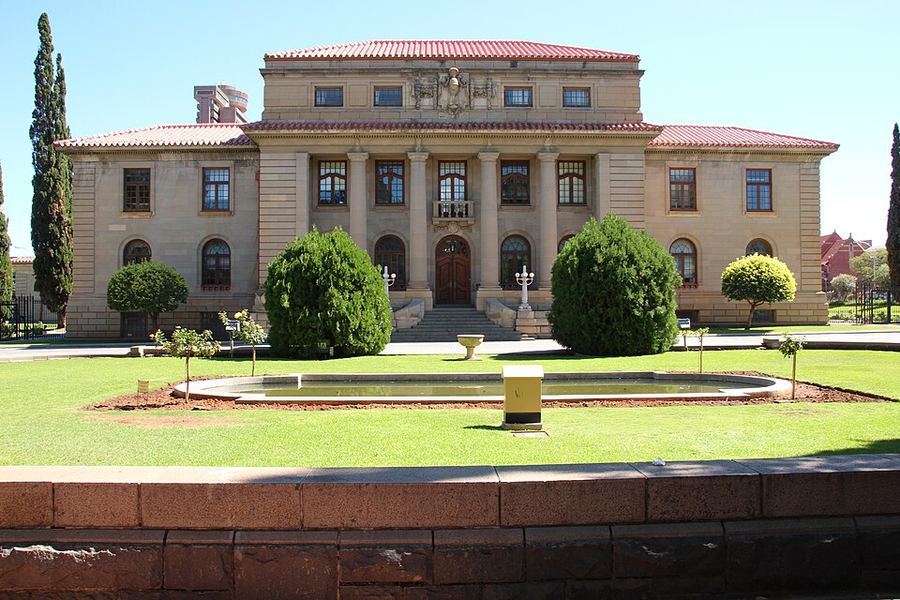
South Africa calls itself the Rainbow Nation, and the label is earned in the arithmetic: roughly 61 million people, twelve official languages (South African Sign Language joined the original eleven), and a government deliberately split across three capitals — Pretoria administers, Cape Town legislates, Bloemfontein judges. isiZulu is the most-spoken home language at about a quarter of the population, followed by isiXhosa and Afrikaans; English, the language of business and broadcast, ranks only sixth at home. The country occupies the continent's southern tip where two oceans meet, and its economy — Africa's most industrialized — still rests on the mineral wealth that built Johannesburg: gold, platinum, coal, and iron ore lead its exports, now joined by automobiles. The population is young (median age 30.7) and overwhelmingly Christian, with vigorous traditional African religious practice alongside. Three decades after the 1994 elections ended apartheid and made Nelson Mandela president, South Africa remains the continent's constitutional showcase and its most unequal society at once — a country whose census data tells one of the world's most dramatic stories of division and repair.
Johannesburg's urban core is home to about 8,592,843 people.
That's bigger than Madrid, Toronto, Chicago and Sydney — each a great world city in its own right.
Among the world's megacities, though, it's one of many — the giants of Asia and Latin America run larger still:
More people live in Johannesburg than in the entire nation of Denmark, Singapore, Finland or Norway.
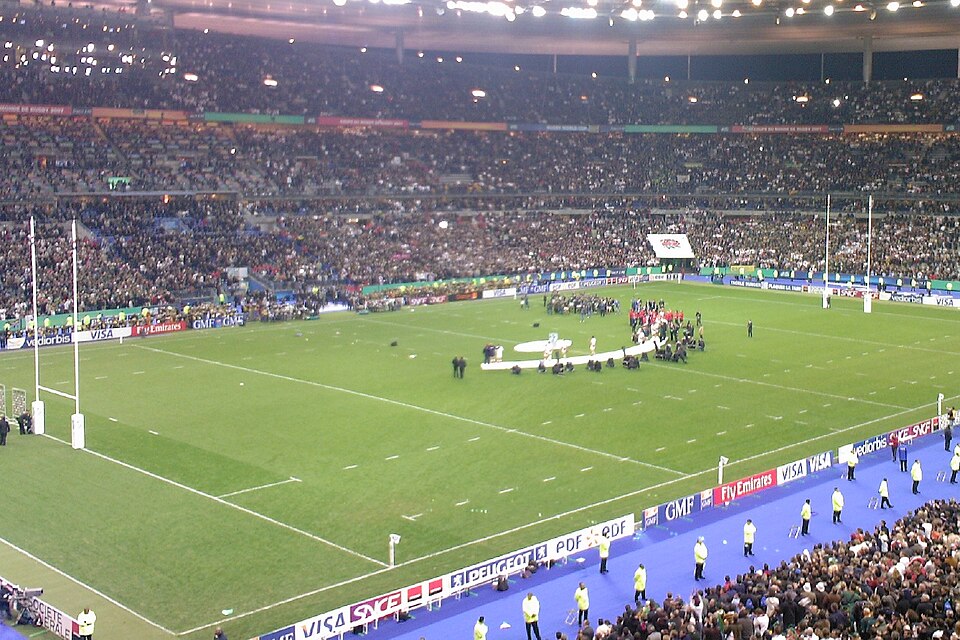
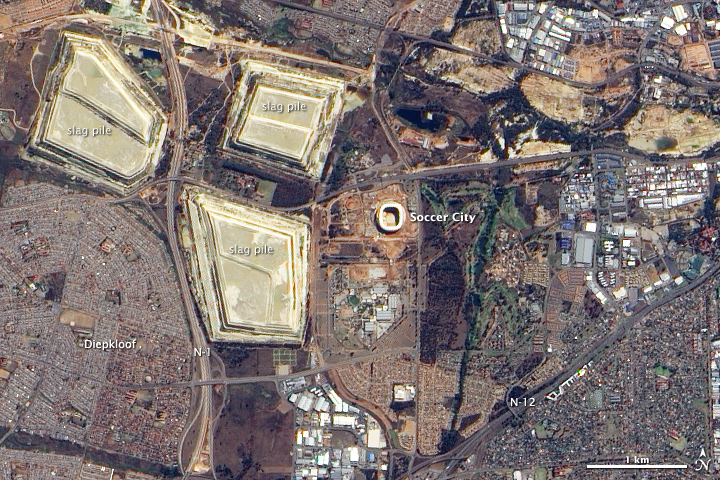
South Africa's Olympic story is broken in the middle: banned over apartheid from 1964, the country returned at Barcelona 1992, and the medals since carry symbolic weight. Josia Thugwane's 1996 marathon victory made him the first Black South African Olympic champion, at the same Atlanta Games where Penny Heyns swept both breaststroke golds. Chad le Clos out-touched Michael Phelps in the 200-meter butterfly at London 2012; Wayde van Niekerk won Rio's 400 meters in a world record 43.03 seconds that still stands; Caster Semenya took back-to-back 800-meter golds; and Tatjana Smith's breaststroke titles at Tokyo and Paris made her the country's most decorated Olympian. In rugby, the Springboks' record four World Cups — including the Mandela-Pienaar moment of 1995 and consecutive titles under Siya Kolisi in 2019 and 2023 — define national triumph, while hosting the 2010 FIFA World Cup, the first on African soil, remains the country's grandest stage.
Rand — ZAR (R)
GDP (PPP): $870.42 billion (2024 est.)
Per capita: $13,600 (2024 est.)
$127.629 billion (2024 est.)
gold, platinum, coal, cars, iron ore (2023)
Partners: China 19%, USA 8%, Germany 7%, India 7%, UK 6% (2023)
$119.59 billion (2024 est.)
refined petroleum, crude petroleum, gold, cars, broadcasting equipment (2023)
Partners: China 21%, India 7%, USA 7%, Germany 6%, UAE 4% (2023)
Type: parliamentary republic
Independence: 31 May 1910 (Union of South Africa formed from four British colonies: Cape Colony, Natal, Transvaal, and Orange Free State); 22 August 1934 (Status of the Union Act); 31 May 1961 (republic declared); 27 April 1994 (majority rule)
How mountains, coasts, and rivers shape settlement (LandScan).
Coming — dataWhere groups settled and how people move (GeoEPR + UNHCR).
Coming — dataNotable institutions, mappable as points.
Coming — data