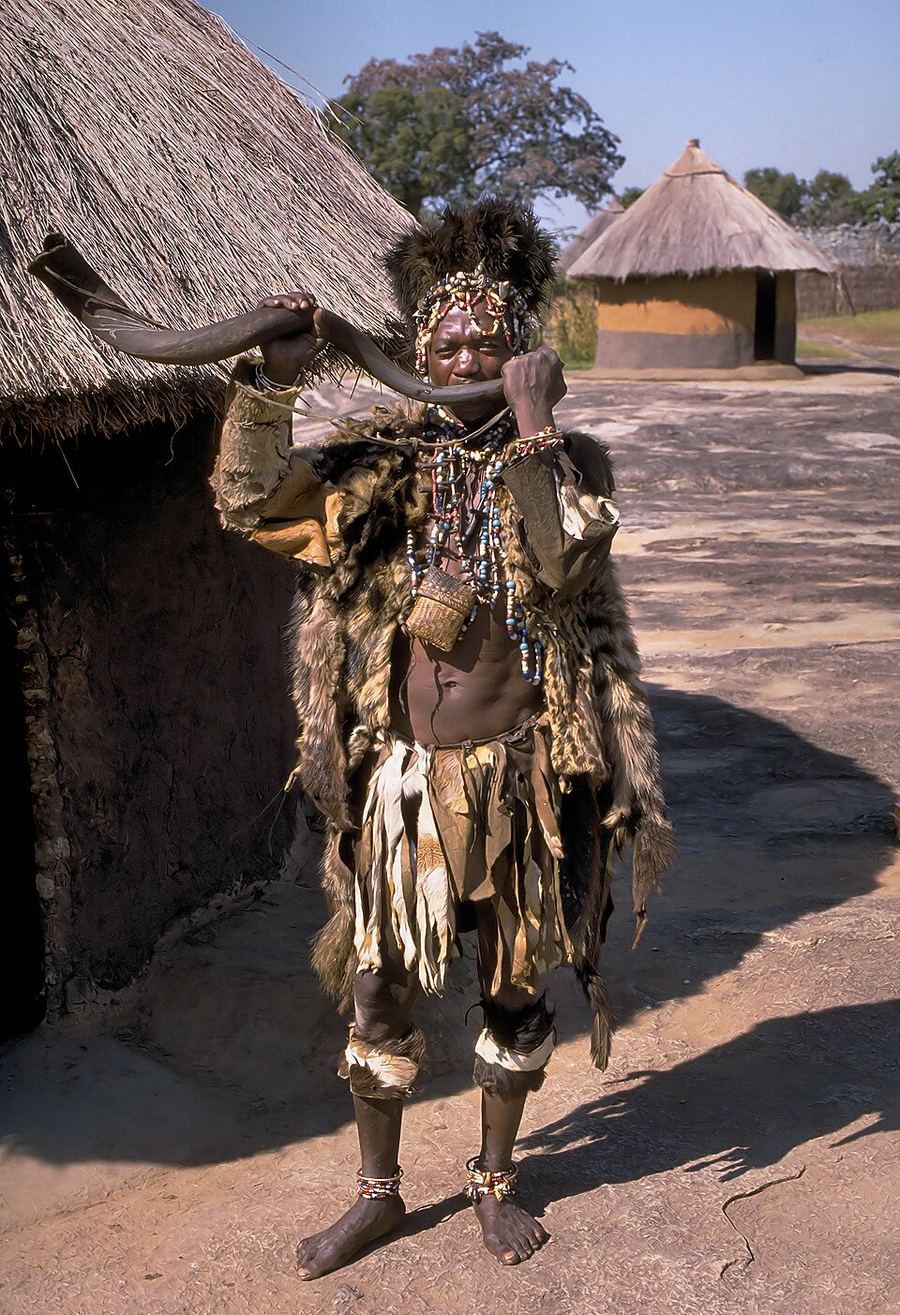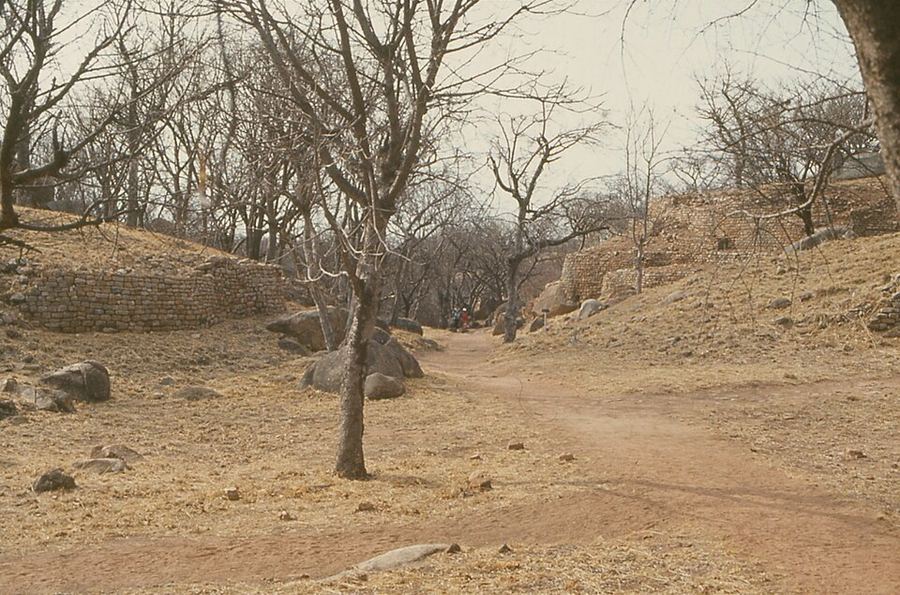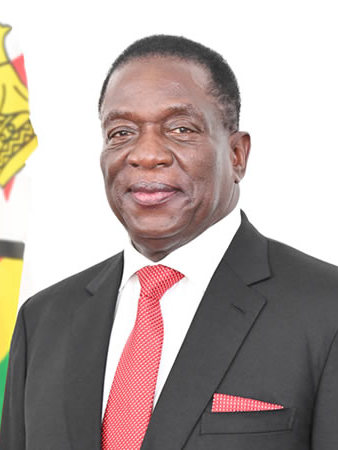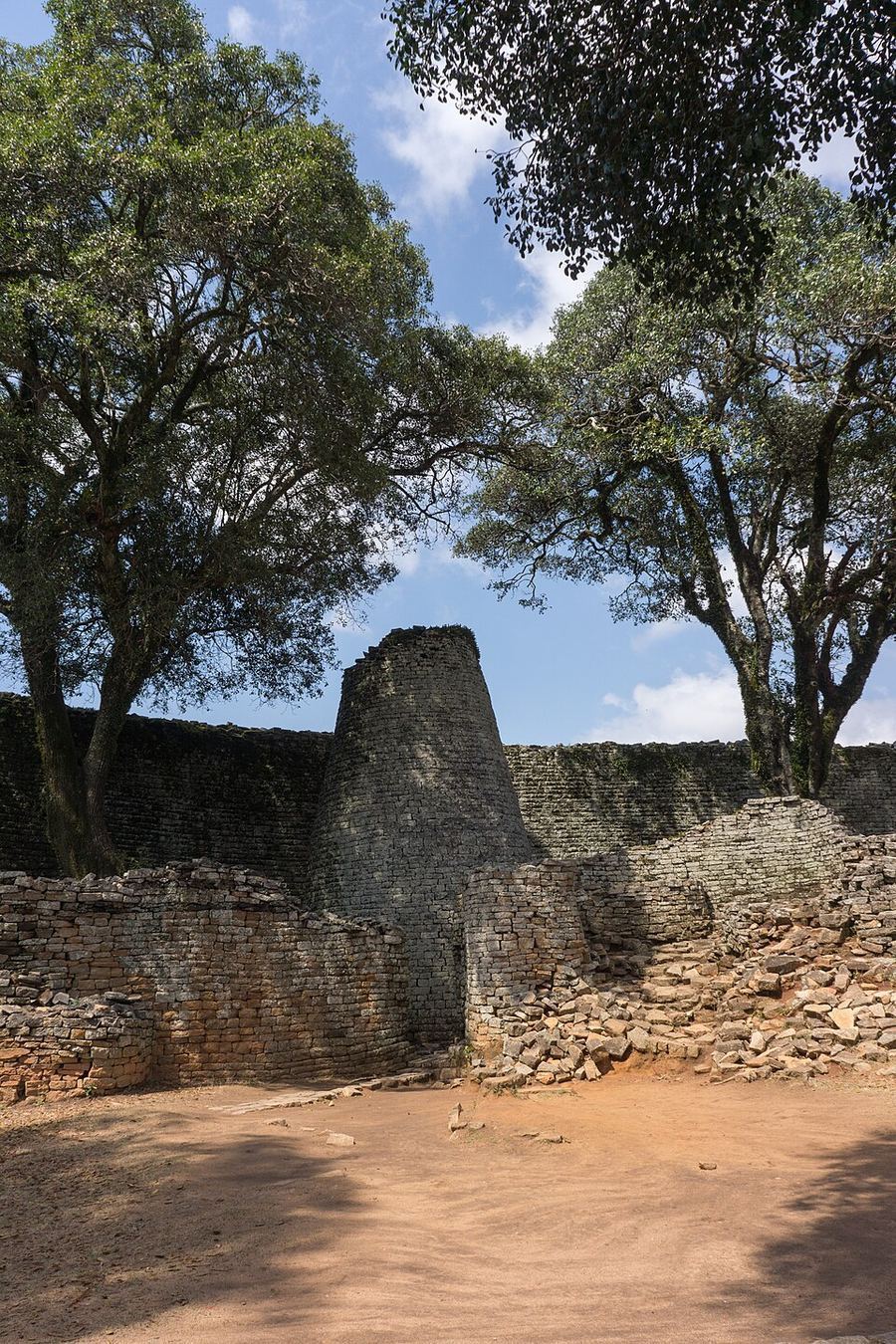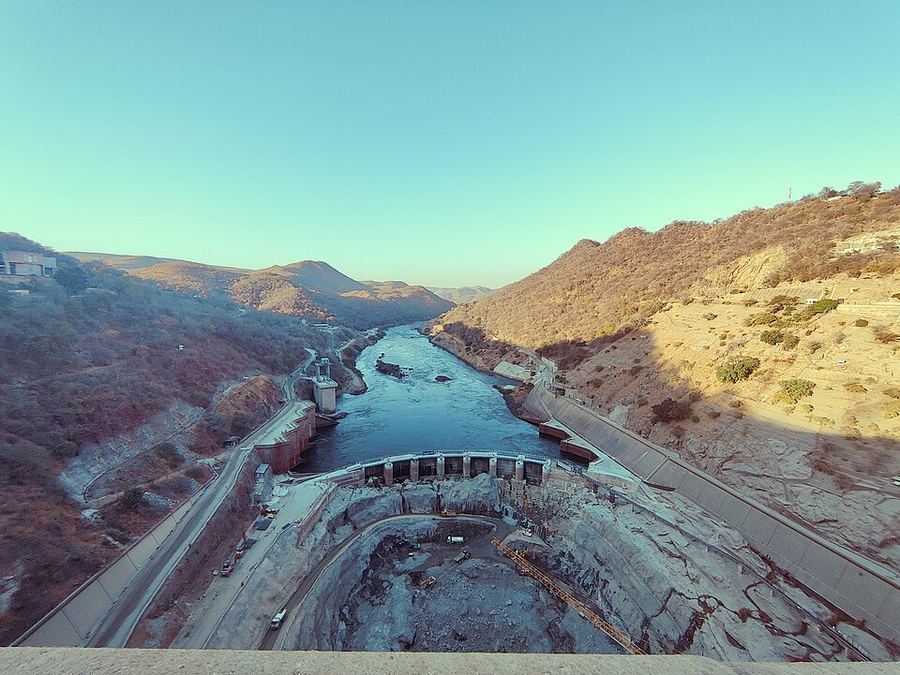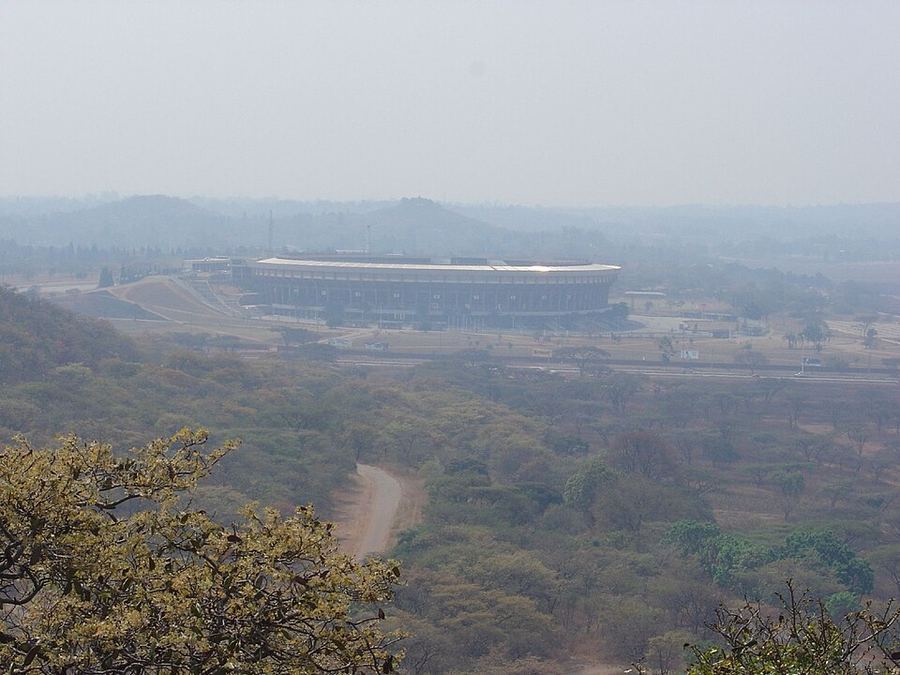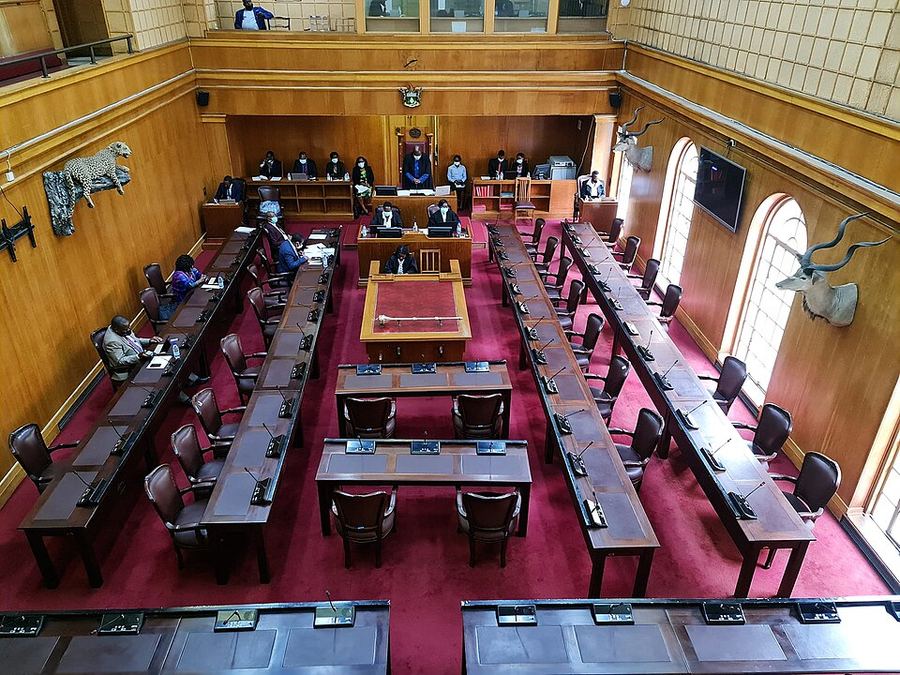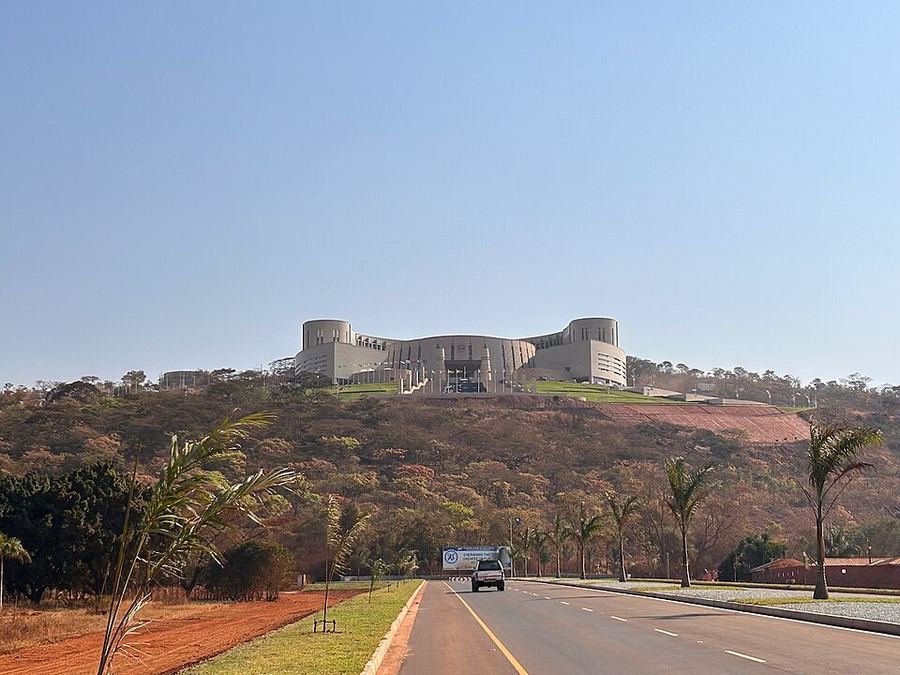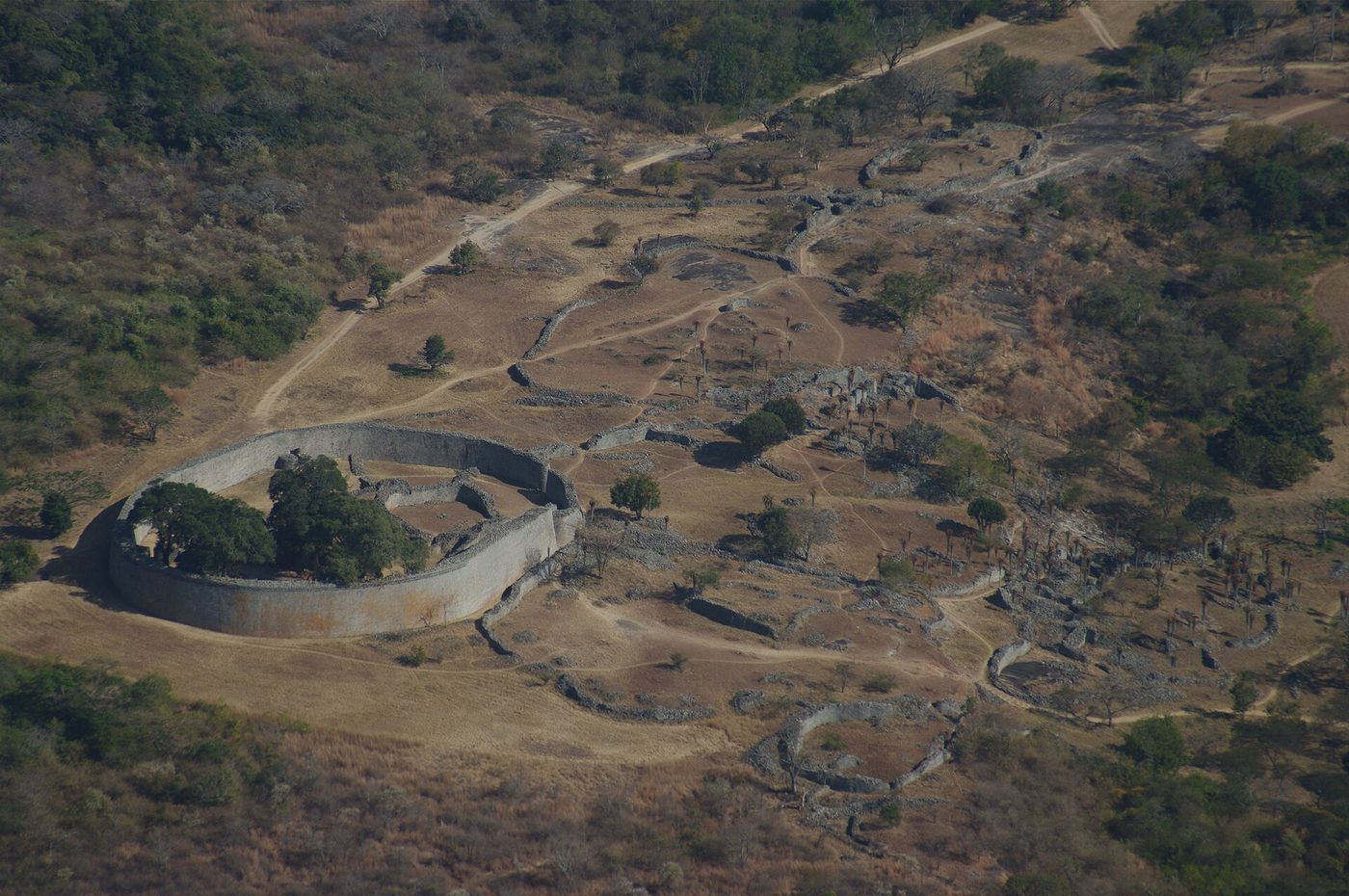
Zimbabwe is a landlocked country of about 17.5 million people on the high plateau between the Zambezi and the Limpopo, bordered by Zambia, Mozambique, South Africa and Botswana. Shona speakers make up roughly four-fifths of the population and Ndebele speakers about a tenth, with Kalanga, Tonga, Shangani, Venda, Nambya and others alongside them; the constitution recognises sixteen official languages, among the most of any country in the world, though English remains the language of government and instruction. Christianity is overwhelmingly dominant, and its largest single expression is the Apostolic churches, African-initiated movements whose members worship in white robes in the open air and account for around forty per cent of the population. Zimbabwe became independent on 18 April 1980 after a long liberation war against the white-minority government that had unilaterally declared independence as Rhodesia in 1965. Robert Mugabe led the country for thirty-seven years until the military intervention of November 2017 brought Emmerson Mnangagwa to power. The economy rests on gold, platinum group metals, tobacco, diamonds, lithium and agriculture, and has passed through two currency collapses and one of the worst hyperinflations ever recorded. The country takes its name from Great Zimbabwe, the dry-stone capital whose ruins stand near Masvingo.
Harare's urban core is home to about 2,638,656 people.
That's bigger than Rome and Amsterdam — each a great world city in its own right.
Among the world's megacities, though, it's one of many — the giants of Asia and Latin America run larger still:
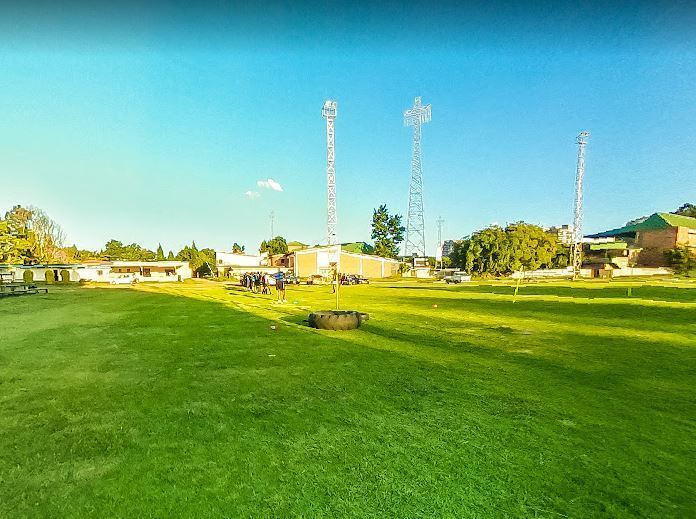
Zimbabwe's first Olympic gold came in its first Games as an independent country: the women's field hockey team, assembled at short notice for Moscow in 1980 after boycott withdrawals opened a place, won the tournament. The country's greatest individual athlete is the swimmer Kirsty Coventry, who won seven Olympic medals between 2004 and 2012, including gold in the 200 metres backstroke at both Athens and Beijing, making her Africa's most decorated Olympian; in March 2025 she was elected president of the International Olympic Committee, the first woman and the first African to hold the office. In cricket, Zimbabwe beat Australia on its World Cup debut in 1983 and England in 1999, gained Test status in 1992, and produced players of the first rank including Andy Flower, Heath Streak and Brendan Taylor; Flower and Henry Olonga's black armband protest at the 2003 World Cup was one of sport's most notable political statements. In rugby, Zimbabwe played at the 1987 and 1991 World Cups and won the Rugby Africa Cup in 2025 to return to the tournament. In tennis Cara Black won multiple Grand Slam doubles and mixed doubles titles, and in golf Nick Price won three majors.
ZWD — ZWD (None)
GDP (PPP): $57.391 billion (2024 est.)
Per capita: $3,500 (2024 est.)
$7.603 billion (2023 est.)
gold, tobacco, nickel, minerals, diamonds (2023)
Partners: UAE 45%, China 18%, South Africa 15%, Mozambique 4%, Hong Kong 2% (2023)
$10.293 billion (2023 est.)
refined petroleum, fertilizers, trucks, soybean oil, stone processing machines (2023)
Partners: South Africa 37%, China 15%, Bahamas, The 5%, Singapore 5%, UAE 4% (2023)
Type: presidential republic
Independence: 18 April 1980 (from the UK)
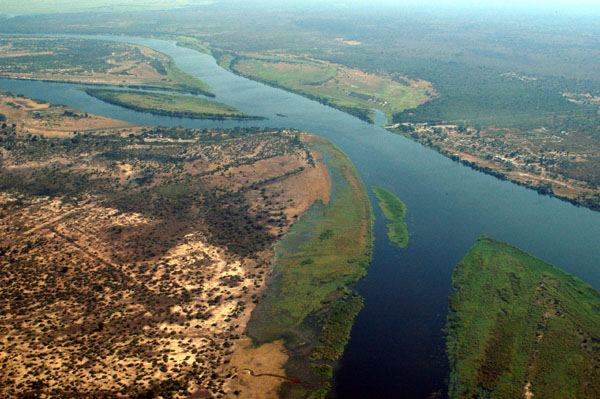
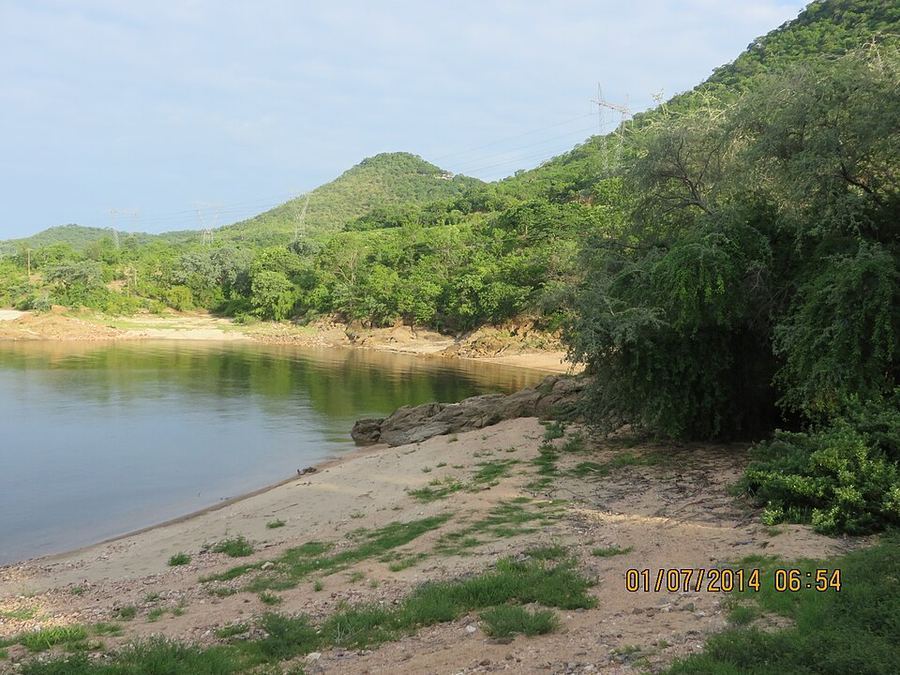
How mountains, coasts, and rivers shape settlement (LandScan).
Coming — dataWhere groups settled and how people move (GeoEPR + UNHCR).
Coming — dataNotable institutions, mappable as points.
Coming — data