History
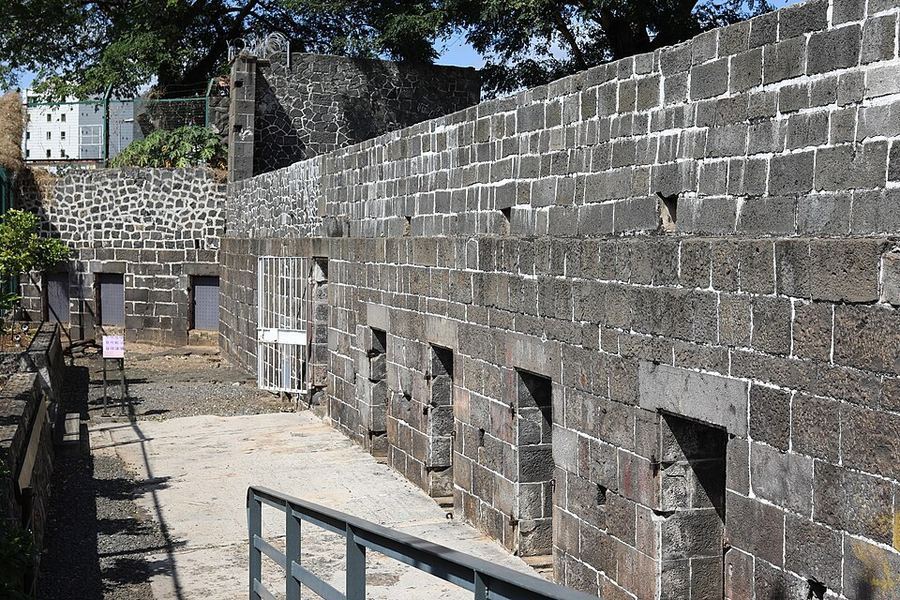
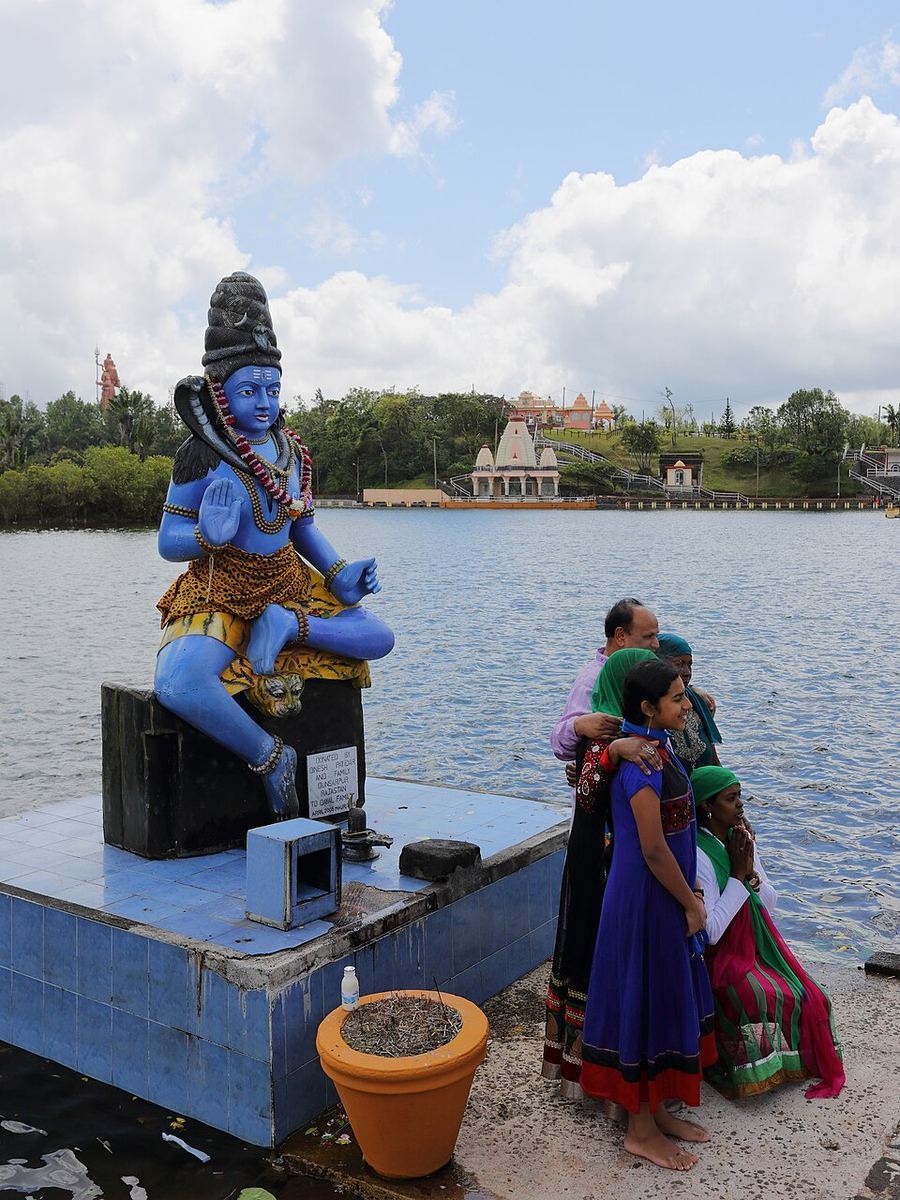
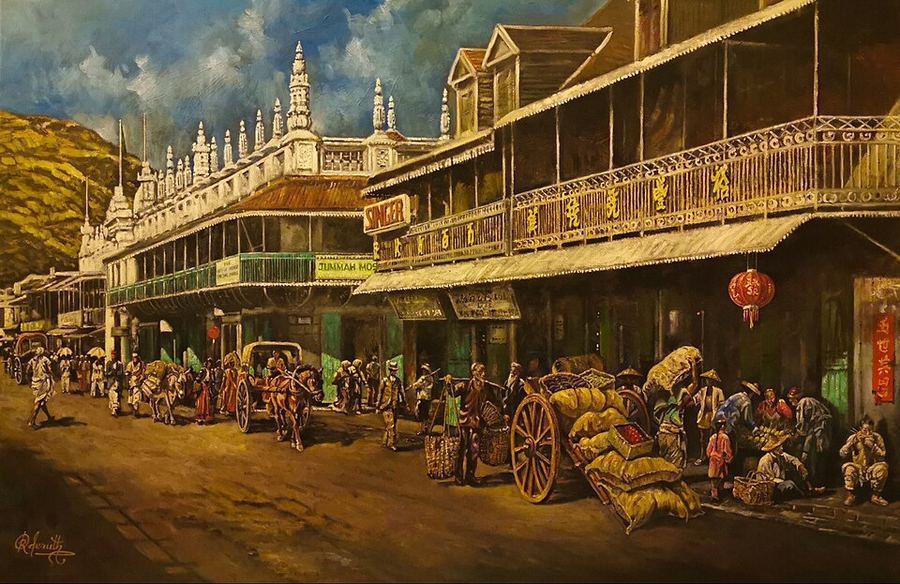
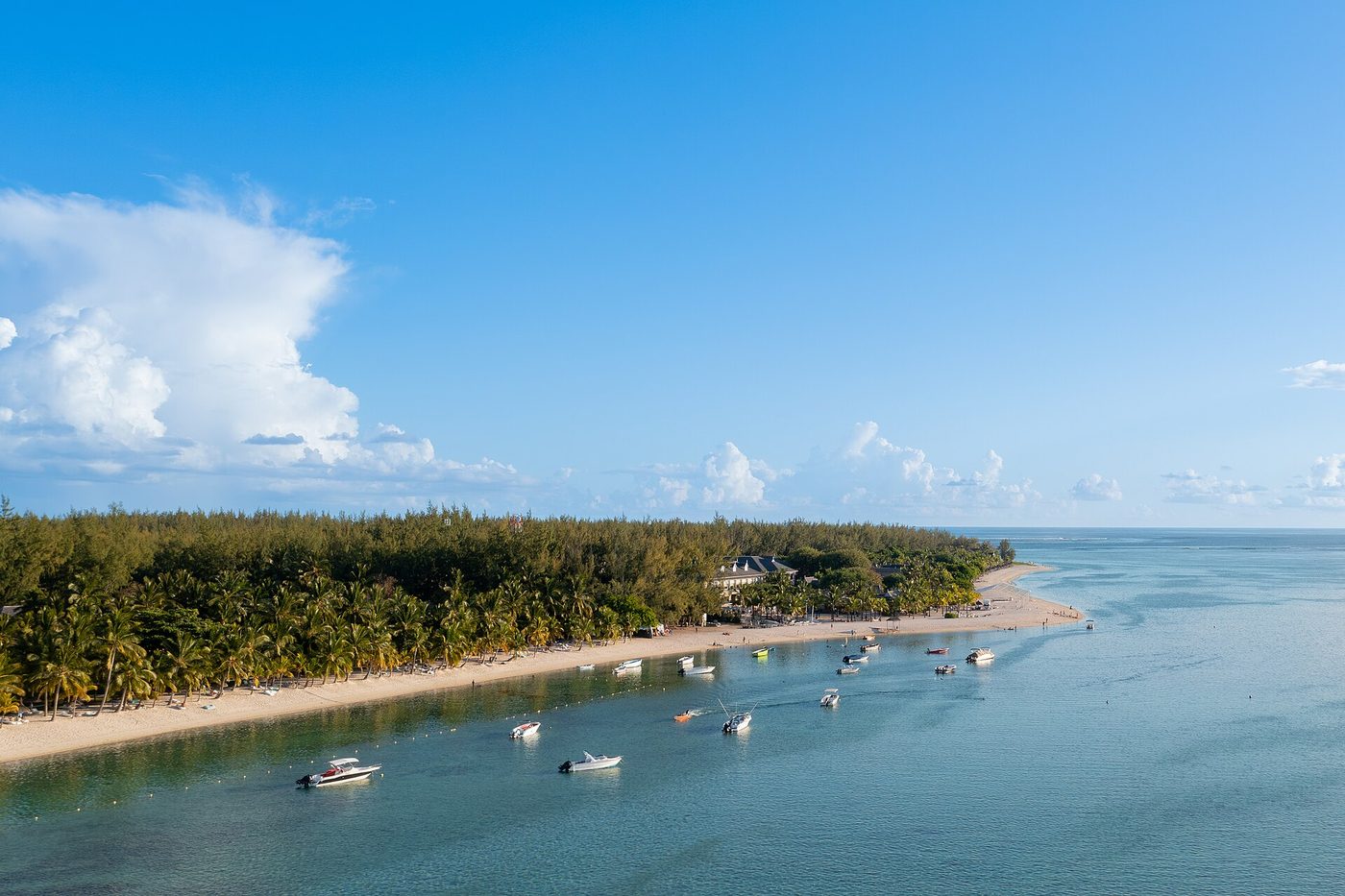
Mauritius is a volcanic island of about 1.3 million people in the south-western Indian Ocean, roughly 900 kilometres east of Madagascar, together with the outlying dependencies of Rodrigues, Agalega and the Cargados Carajos shoals. It is one of the very few inhabited countries with no indigenous population: the island was empty of people when the Dutch first settled it in 1638, and everyone there today descends from settlers, enslaved Africans and Malagasy, indentured labourers from India, and traders from China and France. That history produced a society roughly two-thirds Indo-Mauritian, with substantial Creole, Sino-Mauritian and Franco-Mauritian communities, in which Mauritian Creole is the language of daily life, French dominates the press, English is the language of law and the National Assembly, and Bhojpuri persists in older rural households. Independence from Britain came on 12 March 1968 and the country became a republic in 1992. Economically it is the standard success story of the region, having moved from a sugar monoculture to textiles, tourism, financial services and ICT, reaching upper-middle-income status with a per capita output far above the African average. Its longest-running political preoccupation is the Chagos Archipelago, detached from the colony in 1965 and the subject of decades of legal and diplomatic effort.
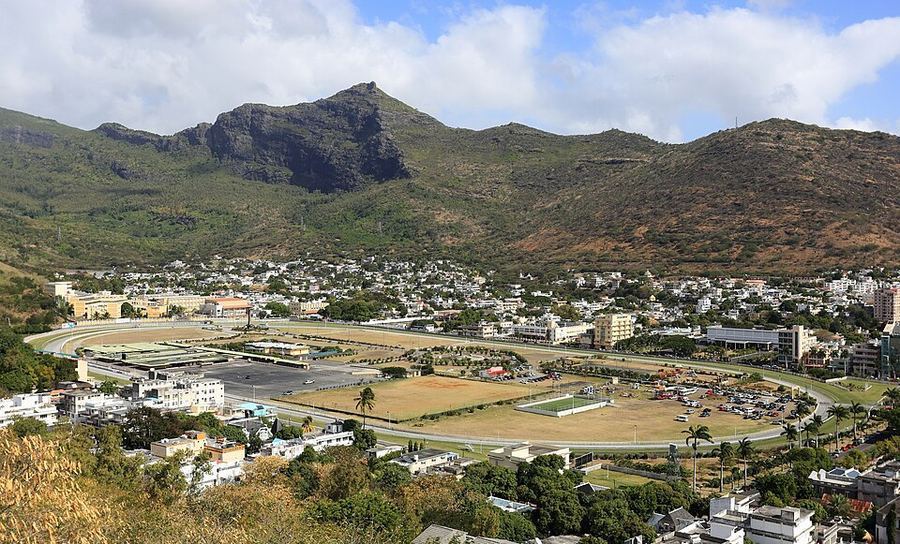
Port Louis's urban core is home to about 557,431 people.
Among the world's megacities, though, it's one of many — the giants of Asia and Latin America run larger still:
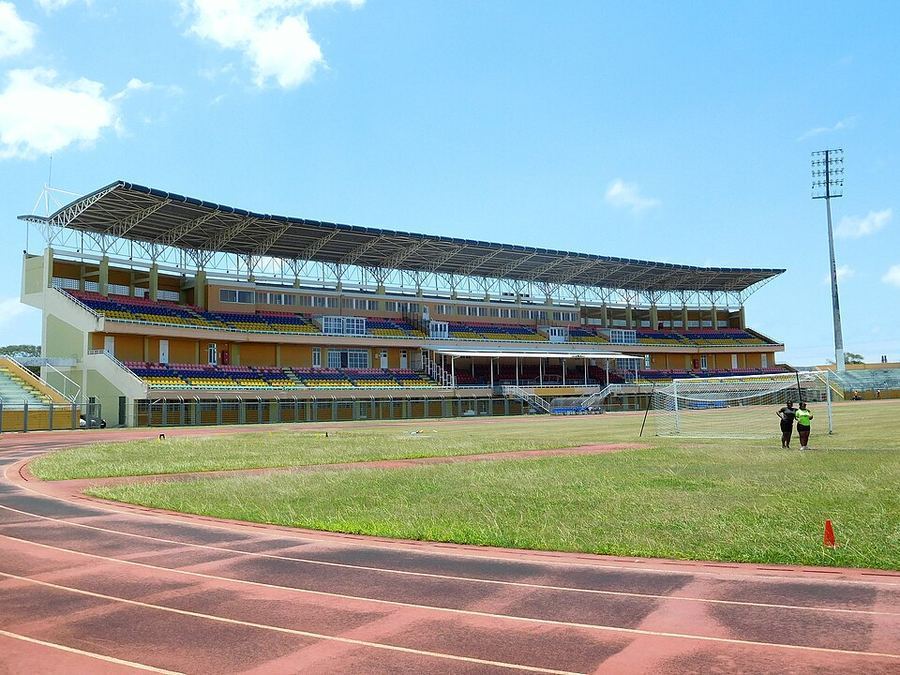
Mauritius has competed at the Olympic Games since 1984 and has won a single medal: Bruno Julie's bronze in bantamweight boxing at Beijing in 2008. It is a member of FIFA and the Confederation of African Football, and the national football team, known as the Club M, competes in African Cup of Nations and World Cup qualifying without having reached either finals. The country takes part in the Commonwealth Games, where boxers, badminton players and athletes have picked up medals, and in the African Games. Its most significant international arena is the Indian Ocean Island Games, held every four years among Mauritius, Réunion, Madagascar, Seychelles, Comoros and Maldives; Mauritius is consistently among the top two or three nations in the medal table and has hosted the event several times, most recently in 2019, when it topped the table on home ground. Rodrigues fields its own teams in some regional competition. For a country of 1.3 million with limited facilities, the pattern is strong regional performance and thin global representation, concentrated in individual combat and racquet sports.
Parliamentary republic
Dharam Gokhool — President
In office since 7 December 2024
Navin Ramgoolam — Prime Minister
Unicameral
Composition — Alliance Du Changement (Alliance for Change, AdC) majority
Alliance Du Changement (Alliance for Change, AdC) 60 · Other 2
Last election 11/10/2024 · 17.9% women
consists of the chief justice, a senior puisne judge, and 24 puisne judges
Mauritius Rupee — MUR (None)
GDP (PPP): $34.406 billion (2024 est.)
Per capita: $27,300 (2024 est.)
$6.381 billion (2023 est.)
fish, garments, raw sugar, fertilizers, diamonds (2023)
Partners: USA 11%, France 11%, Zimbabwe 10%, South Africa 7%, Zambia 7% (2023)
$8.027 billion (2023 est.)
refined petroleum, cars, fish, coal, packaged medicine (2023)
Partners: China 15%, UAE 11%, India 10%, South Africa 9%, France 6% (2023)
Type: parliamentary republic
Independence: 12 March 1968 (from the UK)
How mountains, coasts, and rivers shape settlement (LandScan).
Coming — dataWhere groups settled and how people move (GeoEPR + UNHCR).
Coming — dataNotable institutions, mappable as points.
Coming — data